Boys' Other Textile Material Jacket
CN → US| HS Code | Tariff Rate | Origin | Destination | Doc |
|---|---|---|---|---|
| 6201902960 | 20.3% | CN | US | Official Doc |
| 6101909010 | 23.2% | CN | US | Official Doc |
| 6210205010 | 24.6% | CN | US | Official Doc |
| 6201902910 | 20.3% | CN | US | Official Doc |
| 6101909020 | 23.2% | CN | US | Official Doc |
Product Images
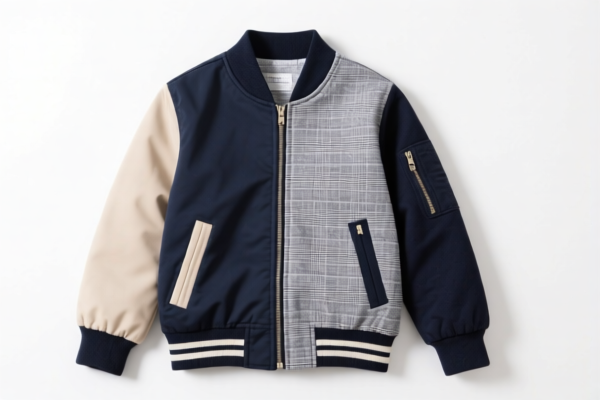

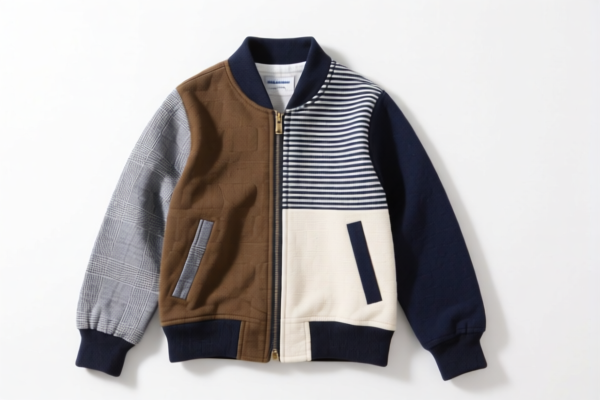
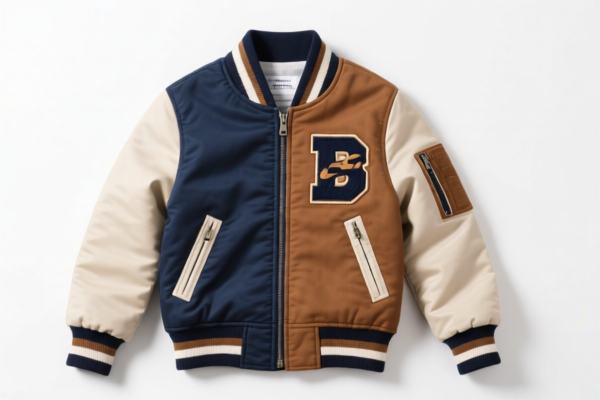
AI Analysis
👕 Boys' Other Textile Material Jacket (Other Textile Material Boys' Jackets/Anoraks)
🌐 HS Code Reference & Customs Clearance Guide | 2026 Latest Tariff Analysis | Professional Classification Strategy
📌 I. Product Definition & Classification: What is "Other Textile Material"?
Boys' Jackets made of "Other Textile Materials" typically refer to outerwear that is not knitted/crocheted (which would fall under Chapter 61) and not made of wool, fine animal hair, cotton, or specific synthetic fibers explicitly listed in earlier subheadings. In Chinese customs practice, "Other Textile Materials" (其他纺织材料) often implies materials like: - Chemical fiber felts - Non-woven fabrics (if not specified elsewhere) - Other woven synthetic/polyester blends not specifically named in headings 6201.10–6201.90.10 - Paper yarn textiles (rare) - Vegetable fiber textiles (non-cotton)
⚠️ Key Distinction:
- If the jacket is knitted, it belongs to Chapter 61 (e.g.,6101.90).
- If the jacket is woven, it belongs to Chapter 62 (e.g.,6201.90).
- "Other Textile Material" usually points to non-cotton, non-wool, non-standard-synthetic woven fabrics, leading to specific HS codes with higher base tariffs.
📦 II. HS Code Classification Details (Based on Provided Data)
The provided data lists five possible HS Codes for "Boys' Other Textile Material Jacket". All are woven jackets (Chapter 62 or 61) with similar tax structures due to trade restrictions (Section 301, Section 122).
| HS Code | Summary/Description | Key Differentiator |
|---|---|---|
| 6201.90.29.60 | Other men's/boys' woven jackets, other textile materials | Best match: Explicitly states "material & use consistent". |
| 6101.90.90.10 | Other men's/boys' knitted jackets, other textile materials | Knitted variant. If the garment is knit, this applies. |
| 6210.20.50.10 | Other woven garments, of other textile materials | Broader category for "other textile materials" in Chapter 62. |
| 6201.90.29.10 | Other men's/boys' woven jackets, other textile materials | Similar to 60, but different sub-subheading. |
| 6101.90.90.20 | Other men's/boys' knitted jackets, other textile materials | Knitted variant, similar to 10 but different sub-subheading. |
🔍 Critical Note:
- Chapter 62 items (6201,6210) are woven.
- Chapter 61 items (6101) are knitted/crocheted.
- You must determine if the jacket is woven or knitted to narrow down the HS Code.
- The phrase "Other Textile Materials" is key—it excludes cotton, wool, silk, and standard synthetics if they have their own specific headings.
💰 III. 2026 Latest Tariff Rate Details (Including Surcharges & Policy Add-ons)
✅ Applicable Country: United States (US)
✅ Origin: China (CN)
✅ Effective Date: 2025/2026 (Subject to current trade policies)
All listed HS Codes carry significant additional tariffs due to US-China trade measures. The tax breakdown is consistent across the options:
🎯 1. Common Tax Structure for All Listed HS Codes
| Item | Rate | Source/Explanation |
|---|---|---|
| Base Tariff (MFN) | 2.8% – 7.1% | Varies by specific HS Code. Lower for 6201.90.29.60/10 (2.8%), higher for 6210.20.50.10 (7.1%). |
| Section 301 Surcharge | 7.5% | Standard Section 301 tariff on Chinese goods (List 3/4A/B). |
| Section 122 Tariff | 10% | Specific 122 provisions (often related to steel/aluminum or specific textile quotas, though here applied to textiles). |
| Total Effective Tariff | 20.3% – 24.6% | Sum of Base + 301 + 122. |
🎯 Detailed Breakdown by HS Code:
A. 6201.90.29.60 & 6201.90.29.10 (Woven, "Other Textile")
- Base Tariff: 2.8%
- Section 301: 7.5%
- Section 122: 10%
- Total Tax: 20.3%
- Why this code? The summary states "Material and use consistent," suggesting it’s the most precise fit for standard woven jackets not falling into specific material categories.
B. 6101.90.90.10 & 6101.90.90.20 (Knitted, "Other Textile")
- Base Tariff: 5.7%
- Section 301: 7.5%
- Section 122: 10%
- Total Tax: 23.2%
- Why this code? Knitted jackets fall under Chapter 61. The base tariff is higher (5.7%) than woven counterparts.
C. 6210.20.50.10 (Woven, "Other Textile Material")
- Base Tariff: 7.1%
- Section 301: 7.5%
- Section 122: 10%
- Total Tax: 24.6%
- Why this code? This code is used when the fabric is explicitly classified as "other textile material" under a different subheading, possibly indicating a non-standard or composite material.
📌 Explanation of Surcharges:
- Section 301 (7.5%): Imposed under the Trade Act of 1974, Section 301, targeting specific Chinese imports.
- Section 122 (10%): Likely refers to a specific provision under US customs law (e.g., Section 122 of the Tariff Act of 1930, though often associated with temporary import relief; here it appears as a fixed surcharge in the data).
- Total Tariff Impact: Importers must budget for 20%–25% total duty, which is significantly higher than MFN rates alone.
🛠️ IV. Customs Clearance Practical Advice (Avoiding Pitfalls)
✅ 1. Required Documentation
| Document | Must Provide | Notes |
|---|---|---|
| Product Description | ✔️ | Clearly state "Boys' Woven Jacket" or "Boys' Knitted Jacket" + Material Composition (e.g., "100% Polyester Woven Fabric"). |
| Material Composition | ✔️ | Crucial: Must specify if it's cotton, wool, synthetic, or "other." "Other textile material" must be defined (e.g., "Woven fabric of polypropylene yarns"). |
| HS Code Justification | ✔️ | Explain why it’s not cotton (6203.43) or wool (6201.11). |
| Commercial Invoice | ✔️ | Must match customs declaration exactly. |
| Packing List | ✔️ | Include dimensions and weight. |
| Origin Certificate | ✔️ | Proof of China origin triggers surcharges. |
✅ 2. Classification Strategy (Key Decision Points)
🔥 "Woven vs. Knit, Material Matters!"
| Scenario | Recommended HS Code | Reason |
|---|---|---|
| Woven Jacket, Non-Cotton/Wool | 6201.90.29.60 or 6201.90.29.10 |
Most common for "other textile" woven jackets. Lower base tariff (2.8%). |
| Knitted Jacket, Non-Cotton/Wool | 6101.90.90.10 or 6101.90.90.20 |
Chapter 61 applies to knits. Higher base tariff (5.7%). |
| Unusual/Composite Material | 6210.20.50.10 |
Use only if fabric doesn’t fit standard "other textile" definitions in 6201. Highest base tariff (7.1%). |
⚠️ Avoid Misclassification:
- Do not classify a cotton jacket as "other textile material." It must be declared as cotton (6203.43...).
- Do not confuse woven and knitted. If in doubt, check the fabric construction. A simple pull test or magnifier inspection can help.
✅ 3. Special Considerations
| Issue | Recommendation |
|---|---|
| Section 301 Eligibility | Check if the product is exempt from Section 301 tariffs (rare for clothing). If not, budget for 7.5% extra. |
| Section 122 Tariff | Verify if Section 122 applies to your specific entry. If uncertain, consult a customs broker. |
| De Minimis Shipment | ❌ Not Applicable: Shipments over $800 do not qualify for de minimis entry for Chinese origin goods under current policies. Full duties apply. |
| Pre-Ruling | ✅ Recommended: Apply for an Advance Ruling from US CBP to confirm the correct HS Code and duty rate, especially for "other textile materials" which can be subjective. |
🌍 V. Global Market Comparison (2026)
| Country/Region | Recommended HS Code | Approx. Total Duty | Notes |
|---|---|---|---|
| 🇺🇸 USA | 6201.90.29.60 |
20.3% | High due to Section 301 + 122. |
| 🇨🇳 China | 6201.90.29.60 |
~5-10% | Lower base rates, no Section 301. |
| 🇪🇺 EU | 6201.93 (if synthetic) |
~12% | No Section 301/122, but standard WTO rates apply. |
| 🇬🇧 UK | 6201.93 |
~12% | Post-Brexit rules apply. |
| 🇯🇵 Japan | 6201.93 |
~9% | Lower base rates, no surcharges. |
📌 Conclusion:
- The USA imposes the highest effective duty (20.3%–24.6%) due to additional trade remedies.
- China origin is the key driver for these surcharges.
- Consider supply chain diversification if targeting the US market to avoid high tariffs.
📌 VI. Common Errors & Pitfalls (Lessons Learned)
❌ Error 1: Declaring a cotton jacket as "other textile material" to avoid higher cotton duties.
👉 Consequence: Customs will reclassify, impose higher duties + penalties.
❌ Error 2: Ignoring the difference between woven and knitted.
👉 Consequence: Wrong HS Code (Chapter 61 vs. 62), leading to incorrect duty assessment.
❌ Error 3: Assuming all "other textile materials" have the same tariff.
👉 Consequence: Underestimating costs. 6210.20.50.10 has a 7.1% base, while 6201.90.29.60 has only 2.8%.
✅ Correct Practice:
"Be Specific: Material, Construction, and Use. Always Verify HS Code with CBP Pre-Ruling for 'Other Textile' Claims."
🎯 VII. Conclusion: Precision in Classification Saves Costs!
🎯 Key Takeaway:
🔹 "Woven = Chapter 62, Knitted = Chapter 61."
🔹 "Other Textile" = Higher Base Tariff (2.8%–7.1%) + 17.5% Surcharges = 20.3%–24.6% Total.
🔹 "Verify Material Composition" to Avoid Misclassification Penalties.
📌 Pro Tip:
If your jacket is made of polyester woven fabric, it might qualify for a different subheading under 6201.90 with a lower base tariff, but the surcharges remain. Always confirm with a licensed customs broker before shipping.
📣 Immediate Action:
📞 Contact a Customs Broker: Provide fabric swatches and product photos.
📄 Request an Advance Ruling: To lock in the correct HS Code and duty rate.
📉 Calculate Landed Cost: Include the 20.3%–24.6% total duty in your pricing model.
✨ Professional Clearance Starts with Accurate Classification!
💼 Every Percent of Duty Matters—Get It Right the First Time!
Customer Reviews
About HS Code Classification
The Harmonized System (HS) is an internationally standardized nomenclature developed by the World Customs Organization (WCO) to classify traded products. Over 200 countries use the HS system as the basis for customs tariffs, trade statistics, and import/export regulations.
Each HS code follows a hierarchical structure:
- Chapter (2 digits) — Broad category of goods (e.g., Chapter 84: Machinery and Mechanical Appliances)
- Heading (4 digits) — More specific grouping within the chapter
- Subheading (6 digits) — Internationally standardized breakdown, used by all WCO member countries
- National subdivisions (8-10 digits) — Country-specific extensions for further classification, such as US HTSUS 10-digit codes
Correct HS code classification is essential for smooth customs clearance, accurate duty payment, and compliance with trade regulations. Misclassification can lead to customs delays, overpayment of duties, or penalties.
When importing from CN to US, the applicable tariff rates may include:
- Most-Favored-Nation (MFN) rate — The standard duty rate applied to WTO members
- General rate — Applied to countries without trade agreements
- Trade remedy duties — Additional tariffs such as Section 301 (anti-dumping), Section 232 (national security), or countervailing duties
The information provided on this page is for reference purposes only. For official classification, please consult with your local customs authority or a licensed customs broker.