Boys' Oxford Formal Shirt Handmade
CN → US| HS Code | Tariff Rate | Origin | Destination | Doc |
|---|---|---|---|---|
| 6205202031 | 37.2% | CN | US | Official Doc |
| 6205201000 | 26.2% | CN | US | Official Doc |
| 6105202030 | 49.5% | CN | US | Official Doc |
| 6105100030 | 37.2% | CN | US | Official Doc |
| 6105100020 | 37.2% | CN | US | Official Doc |
Product Images
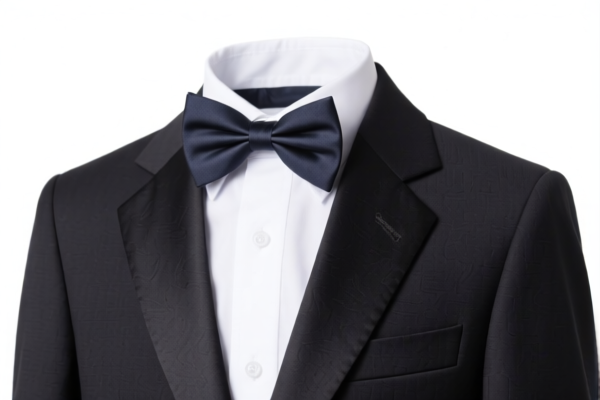
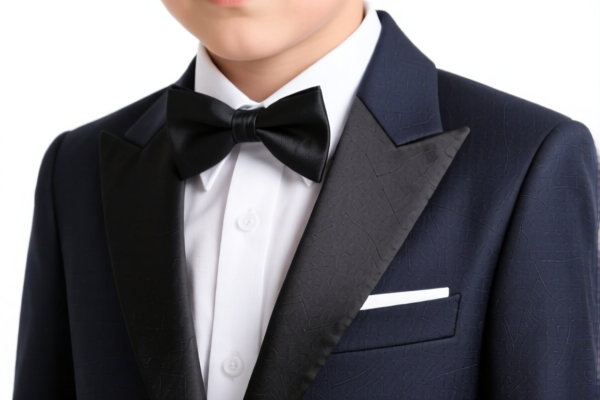
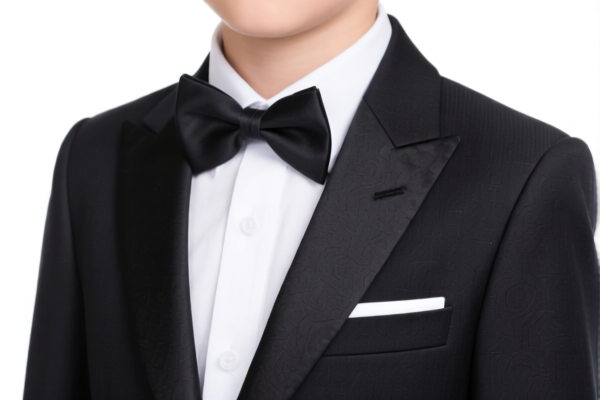

AI Analysis
👔 Boys' Oxford Formal Shirt (Handmade)
🌐 HS Code Reference & Customs Clearance Guide | 2026 Latest Tariff Analysis | Professional Clearance Strategy
📌 I. Product Definition & Classification: Understanding the "Handmade Oxford Shirt"
A "Boys' Oxford Formal Shirt Handmade" presents a unique classification challenge in international trade. It sits at the intersection of textile material, knitting/weaving structure, and craftsmanship. In customs terms, the key differentiator is whether the garment is classified as "Knitted/Crocheted" (Chapter 61) or "Woven" (Chapter 62), and specifically, whether the "handmade" aspect triggers specific cultural or craft exemptions.
⚠️ Key Distinction Point:
- If the shirt is knitted or crocheted (looped yarn structure) → Falls under Chapter 61.
- If the shirt is woven (interlaced threads) and fits the definition of "handmade folk craft" → Falls under Chapter 62.
- "Oxford" refers to the fabric weave (basket weave), but the manufacturing method (hand-knit vs. hand-weave) determines the HS Code.
📦 II. HS Code Classification Details (2026 Latest Tariff Authority Comparison)
Based on the provided data, here are the 5 potential HS Codes and their corresponding tax implications.
| HS Code | Product Description | Application Scenario | Total Tax Rate |
|---|---|---|---|
6205.20.20.31 |
Boys' handmade woven formal shirt; cotton/fiber blend; matches boys' dress shirt usage | Woven fabric (Oxford cloth), declared as formal wear, cotton-based | 37.2% |
6205.20.10.00 |
Boys' handmade woven formal shirt; fits boys' shirt category; handmade matches woven craft/folk product features | Woven fabric, explicitly declared as "handmade craft" or "folk product" | 26.2% |
6105.20.20.30 |
Boys' handmade formal shirt; knitted/crocheted form; boys' usage; fiber-based material | Knitted or Crocheted structure, fiber-based material | 49.5% |
6105.10.00.30 |
Boys' handmade formal shirt; woven form (note: data says "woven form" but HS 61 is knit/crochet); boys' usage; cotton material | Discrepancy Note: HS 61 is for knitted. If actually knitted cotton, this code applies. | 37.2% |
6105.10.00.20 |
Oxford cotton men's shirt; Oxford cotton material; shirt form; men's usage | Mismatch Note: Declared as "Men's" despite product being "Boys'". Likely incorrect for boys' item. | 37.2% |
🔍 Critical Analysis:
- Codes 6205.xx (Woven): Suitable for traditional Oxford cloth (woven). The "Handmade" aspect may allow for a lower base tariff if declared as a "folk craft" (6205.20.10.00).
- Codes 6105.xx (Knitted/Crocheted): Suitable if the "handmade" aspect implies knitting (e.g., hand-knit sweater-style shirt). These generally have higher base tariffs.
- Code 6105.10.00.20 is risky because it specifies "Men's" (men's usage), while the product is "Boys'". Misdeclaration here can lead to penalties.
💰 III. 2026 Latest Tariff Rate Breakdown (Including Surcharges & Policy Add-ons)
✅ Applicable Country: United States (US)
✅ Origin: China (CN)
✅ Effective Date: 2025 onwards (Includes Section 301 & IEEPA surcharges)
The tax details provided in the data show three components:
1. Base Tariff (Standard USITC rate)
2. Additional Tariff (Section 301 Trade Act)
3. Section 122 Tariff (Specific provision mentioned in data)
🎯 1. 6205.20.20.31 – Woven Formal Shirt (Cotton/Fiber, General)
| Item | Content |
|---|---|
| Base Tariff | 19.7% |
| Section 301 Surcharge | +7.5% |
| Section 122 Tariff | +10% |
| Total Rate | 37.2% |
| Calculation | CIF Value × 37.2% |
| De Minimis Exemption | ❌ Not Eligible (Value > $800 threshold for Section 301 applies) |
| Legal Path | HTSUS:6205.20.20.31 → USITC:Footnote → Section 301:122 |
📌 Explanation:
- This is the standard "Woven Boys' Shirt" classification.
- No "handmade craft" discount applied, hence the higher base tariff (19.7% vs. 8.7%).
- Subject to all three surcharges.
🎯 2. 6205.20.10.00 – Woven Formal Shirt (Handmade Craft/Folk Product)
| Item | Content |
|---|---|
| Base Tariff | 8.7% |
| Section 301 Surcharge | +7.5% |
| Section 122 Tariff | +10% |
| Total Rate | 26.2% |
| Calculation | CIF Value × 26.2% |
| De Minimis Exemption | ❌ Not Eligible |
| Legal Path | HTSUS:6205.20.10.00 → USITC:Craft/Folk Exemption → Section 301:122 |
📌 Explanation:
- Best Option for Cost Savings!
- The base tariff is significantly lower (8.7%) because it recognizes the item as a "handmade folk product" or "craft".
- Condition: Must provide proof of handmade origin (e.g., artisan certification, detailed photos of hand-weaving/knotting).
- Savings: 11% less total tax compared to code6205.20.20.31.
🎯 3. 6105.20.20.30 – Knitted/Crocheted Shirt (Fiber-Based)
| Item | Content |
|---|---|
| Base Tariff | 32.0% |
| Section 301 Surcharge | +7.5% |
| Section 122 Tariff | +10% |
| Total Rate | 49.5% |
| Calculation | CIF Value × 49.5% |
| De Minimis Exemption | ❌ Not Eligible |
| Legal Path | HTSUS:6105.20.20.30 → USITC:Knitted → Section 301:122 |
📌 Explanation:
- Highest Tax Rate.
- Knitted garments generally face higher base tariffs than woven ones.
- Only use if the shirt is actually knitted (not woven). Misclassifying a woven shirt as knitted to seek lower rates is dangerous; however, here the rate is higher, so no incentive to misclassify.
🎯 4. 6105.10.00.30 – Knitted/Crocheted Cotton Shirt
| Item | Content |
|---|---|
| Base Tariff | 19.7% |
| Section 301 Surcharge | +7.5% |
| Section 122 Tariff | +10% |
| Total Rate | 37.2% |
| Calculation | CIF Value × 37.2% |
| De Minimis Exemption | ❌ Not Eligible |
| Legal Path | HTSUS:6105.10.00.30 → USITC:Knitted Cotton |
📌 Explanation:
- Same total rate as6205.20.20.31.
- Use only if the item is Knitted and Cotton.
🎯 5. 6105.10.00.20 – Oxford Cotton Men's Shirt
| Item | Content |
|---|---|
| Base Tariff | 19.7% |
| Section 301 Surcharge | +7.5% |
| Section 122 Tariff | +10% |
| Total Rate | 37.2% |
| Calculation | CIF Value × 37.2% |
| De Minimis Exemption | ❌ Not Eligible |
| Legal Path | HTSUS:6105.10.00.20 → USITC:Men's |
📌 Warning:
- Incorrect Classification Risk: The product is "Boys'", but this code is for "Men's".
- While the tax rate is the same, declaring a boys' shirt as men's can lead to customs seizures for misdeclaration of age group/size category. Avoid this code unless the product is unisex and legally classified as men's in the target market.
🛠️ IV. Customs Clearance Practical Advice (Real-World Pitfall Guide)
✅ 1. Documentation Checklist (Essential)
| Document | Required | Note |
|---|---|---|
| ✅ Product Description | ✔️ | Must specify "Handmade", "Oxford", "Boys' Formal Shirt" |
| ✅ Fabric Composition | ✔️ | Specify Cotton, Polyester, or Blend. Crucial for Chapter 61 vs 62. |
| ✅ Manufacturing Method | ✔️ | Critical: State "Hand-Woven" vs "Hand-Knitted". This determines 62 vs 61. |
| ✅ Handmade Certification | ✔️ | If claiming code 6205.20.10.00, provide artisan proof or photos of the process. |
| ✅ Commercial Invoice | ✔️ | Clearly state "Boys' Size" and "Formal Wear". |
| ✅ Origin Certificate | ✔️ | Required for Section 301 determination. |
✅ 2. Declaration Tips (Key Mnemonics)
🔥 “Handmade Craft? Claim 26%! Wrong Code? Pay 49%!”
| Scenario | Correct HS Code | Incorrect Action | Consequence |
|---|---|---|---|
| Woven Oxford, Handmade Craft | 6205.20.10.00 |
Declare as standard woven 6205.20.20.31 |
Pay 11% more tax unnecessarily |
| Knitted/Crocheted, Cotton | 6105.10.00.30 |
Declare as woven | Penalty for misclassification |
| Boys' Shirt | Any 6205 or 6105 (Boys') |
Declare as Men's 6105.10.00.20 |
Seizure or fine for wrong age group |
| Formal Dress Shirt | 6205.xx |
Declare as casual t-shirt | Risk of audit for product mismatch |
✅ 3. Special Handling
| Situation | Recommendation |
|---|---|
| OEM Custom Orders | Provide design specs showing "Oxford Weave" (for Chapter 62) or "Knit Stitch" (for Chapter 61). |
| Mixed Material | If >50% cotton, cotton content dictates classification. If mixed, use the dominant fiber. |
| "Handmade" Claims | Be prepared for customs inspection. If "handmade" is a marketing term but machine-made, you must use the standard rate (19.7% base) and cannot use 6205.20.10.00. |
🌍 V. Global Market Comparison (2026)
| Country/Region | Recommended HS Code | Tariff | Certification | Note |
|---|---|---|---|---|
| 🇺🇸 USA | 6205.20.10.00 (if handmade) |
26.2% (Best) | None | High Section 301 taxes apply |
| 🇨🇳 China | 6205.20.20.30 |
5-8% | CCC | Lower base tariffs, no Section 301 |
| 🇪🇺 EU | 6205.20.20.00 |
12% | CE (if textiles) | No Section 301, but standard EU duty |
| 🇬🇧 UK | 6205.20.20.00 |
12% | UKCA | Post-Brexit rules apply |
| 🇯🇵 Japan | 6205.20.20.00 |
16% | None | Standard MFN rate |
📌 Conclusion:
- The US market has the highest effective tariff due to Section 301 and IEEPA.
- Optimization Opportunity: Leveraging the "Handmade Folk Product" code (6205.20.10.00) saves 11% total duty compared to standard woven codes.
- Knitted shirts are significantly more expensive to import into the US (49.5%). Ensure you are not misclassifying woven shirts as knitted just to avoid Section 301 (this doesn't work; Section 301 applies to both).
📌 VI. Common Errors & Pitfall Guide (Lessons Learned)
❌ Error 1: Declaring a Machine-Made Oxford Shirt as "Handmade"
👉 Result: Customs rejects the 26.2% rate, back-charges 37.2%, and fines for fraud.
✅ Fix: Only use 6205.20.10.00 if genuinely handmade.
❌ Error 2: Using Men's Code (6105.10.00.20) for Boys' Shirt
👉 Result: Customs flag for misdeclaration. Even if tax is same, age-group mismatch is a compliance violation.
✅ Fix: Use Boys-specific codes (6205 or 6105 with Boys' subcategory).
❌ Error 3: Confusing Oxford Weave (Woven) with Knit
👉 Result: If you declare a woven Oxford shirt as Knitted (6105), customs may demand higher taxes or reject.
✅ Fix: Oxford cloth is Woven (Chapter 62). Unless it's a "Knitted Oxford-style," it should be 6205.
❌ Error 4: Ignoring Section 301 Surcharges
👉 Result: Underestimating landed cost by 7.5% - 10%.
✅ Fix: Always include 37.2% (or 26.2%) as the total landed cost factor for US imports.
🎯 VII. Conclusion: Smart Classification, Lower Costs, Faster Clearance
🎯 Remember the Key Takeaways:
🔹 "Handmade Craft? Claim 26.2% – Save 11%!"
🔹 "Oxford is Woven – Use Chapter 62, Not 61."
🔹 "Boys' Code is Mandatory – Don't Use Men's."
🔹 "US Tariff is High – Plan for 26%–49% Landed Cost."
📌 Pro Tip:
If your "Handmade" claim is weak, stick to 6205.20.20.31 (37.2%). The risk of audit and penalty outweighs the 11% savings.
Always provide photos of the stitching/weaving to prove handmade status if claiming the lower rate.
📣 Immediate Action:
📞 Contact Customs Broker: Confirm "Handmade" definition with US CBP.
📸 Photograph Products: Show close-ups of hand-woven/knitted texture.
🚀 Optimize Supply Chain: If possible, shift to "Woven Handmade" (6205.20.10.00) for the best US duty rate.
✨ Professional Clearance Starts with Accurate Classification!
💼 Every Percent of Duty Saved is Pure Profit!
Customer Reviews
About HS Code Classification
The Harmonized System (HS) is an internationally standardized nomenclature developed by the World Customs Organization (WCO) to classify traded products. Over 200 countries use the HS system as the basis for customs tariffs, trade statistics, and import/export regulations.
Each HS code follows a hierarchical structure:
- Chapter (2 digits) — Broad category of goods (e.g., Chapter 84: Machinery and Mechanical Appliances)
- Heading (4 digits) — More specific grouping within the chapter
- Subheading (6 digits) — Internationally standardized breakdown, used by all WCO member countries
- National subdivisions (8-10 digits) — Country-specific extensions for further classification, such as US HTSUS 10-digit codes
Correct HS code classification is essential for smooth customs clearance, accurate duty payment, and compliance with trade regulations. Misclassification can lead to customs delays, overpayment of duties, or penalties.
When importing from CN to US, the applicable tariff rates may include:
- Most-Favored-Nation (MFN) rate — The standard duty rate applied to WTO members
- General rate — Applied to countries without trade agreements
- Trade remedy duties — Additional tariffs such as Section 301 (anti-dumping), Section 232 (national security), or countervailing duties
The information provided on this page is for reference purposes only. For official classification, please consult with your local customs authority or a licensed customs broker.