Boys' Quick Dry Sports Shirt
CN → US| HS Code | Tariff Rate | Origin | Destination | Doc |
|---|---|---|---|---|
| 6110303044 | 49.5% | CN | US | Official Doc |
| 6109901009 | 49.5% | CN | US | Official Doc |
| 6110301050 | 23.5% | CN | US | Official Doc |
| 6110202044 | 34.0% | CN | US | Official Doc |
| 6109100014 | 34.0% | CN | US | Official Doc |
Product Images
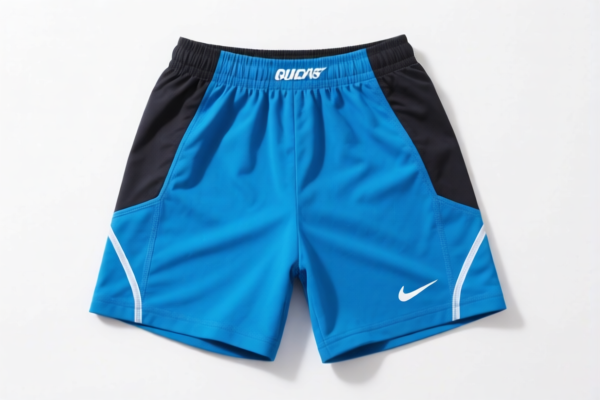
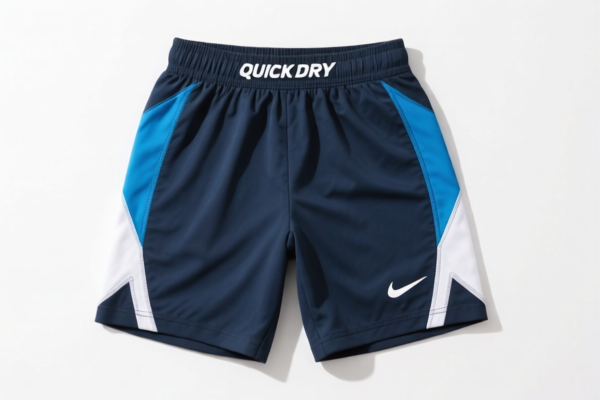
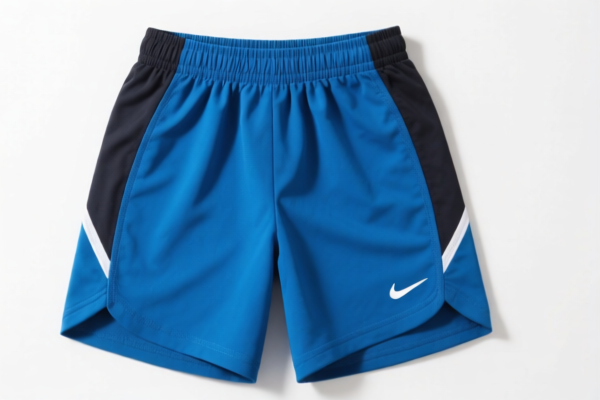

AI Analysis
👕 Boys' Quick-Dry Sports Shirt
🌐 HS Code Reference & Customs Clearance Guide | 2026 Latest Tariff Analysis | Professional Compliance Strategy
📌 I. Product Definition & Classification: Do You Really Understand "Sports Shirts"?
Boys' quick-dry sports shirts are essential athletic apparel designed for high-intensity activities. In international trade, they fall under Chapter 61: Articles of Apparel and Clothing Accessories, Knitted or Crocheted. However, the specific HS Code depends heavily on the garment structure (T-shirt vs. Hoodie/Sweatshirt) and the material composition (Synthetic vs. Artificial Fiber vs. Cotton Blend).
⚠️ Key Distinction Points:
- T-Shirt Style (Jersey/Knit): Loose fit, short sleeves, lightweight → Usually falls under 6109 (T-shirts, singlets, and other vests).
- Sweatshirt/Heavy Knit Style: Thicker fabric, potential hood/cowl neck, structured → Usually falls under 6110 (Jerseys, pullovers, cardigans, etc.).
- Material Matters: "Quick-dry" usually implies Synthetic Fibers (Polyester) or Artificial Fibers (Rayon/Nylon). Misidentifying the material leads to massive tariff differences.
📦 II. HS Code Classification Details (2026 Latest Tariff Authority Match)
Based on the provided data, here are the 5 possible classifications for Boys' Quick-Dry Sports Shirts, ranging from low to high tax liability.
| HS Code | Product Description (Inferred) | Garment Form | Material Inference | Total Tax Rate | Tax Breakdown |
|---|---|---|---|---|---|
6110.30.10.50 |
Boys' Quick-Dry Sports Shirt | Sports Jacket/Sweatshirt | Synthetic/Artificial Fiber | 23.5% | Base: 6.0% + Section 301: 7.5% + 122 Clause: 10% |
6109.10.00.14 |
Boys' Quick-Dry Sports Shirt | Knitted/Crocheted T-Shirt | Synthetic (e.g., Polyester) | 34.0% | Base: 16.5% + Section 301: 7.5% + 122 Clause: 10% |
6110.20.20.44 |
Boys' Quick-Dry Sports Shirt | Sports Shirt | Synthetic or Cotton Blend | 34.0% | Base: 16.5% + Section 301: 7.5% + 122 Clause: 10% |
6109.90.10.09 |
Boys' Quick-Dry Sports Shirt | T-Shirt/Other Vests | Artificial Fiber | 49.5% | Base: 32.0% + Section 301: 7.5% + 122 Clause: 10% |
6110.30.30.44 |
Boys' Quick-Dry Sports Shirt | Hoodie/Sweatshirt | Synthetic Fiber | 49.5% | Base: 32.0% + Section 301: 7.5% + 122 Clause: 10% |
🔍 Critical Observation:
- The lowest tax rate (23.5%) applies if the item is classified as a "Sports Shirt" under 6110.30.10.50 with synthetic/artificial fibers.
- The highest tax rate (49.5%) applies if it is classified as a "Hoodie" (6110.30.30.44) or "T-Shirt made of Artificial Fiber" (6109.90.10.09).
- "Quick-Dry" does not automatically mean low tax. The structure (Hoodie vs. T-shirt) and fiber type drive the base tariff.
💰 III. 2026 Latest Tariff Rate Detailed Explanation (Including Surcharges)
✅ Applicable Country: United States (US)
✅ Origin: China (CN)
✅ Effective Time: Current rates apply (including ongoing trade measures)
🎯 1. 6110.30.10.50 — The "Best Case" Scenario (Sports Shirt)
| Item | Content |
|---|---|
| Base Tariff | 6.0% (Ad Valorem) |
| Section 301 Surcharge | +7.5% (Additional duty on Chinese goods) |
| Section 122 Duty | +10% (Specific clause for certain textile/apparel items) |
| Total Effective Rate | 23.5% |
| Tax Calculation | CIF Value × 23.5% |
| De Minimis Exemption | ❌ Not Eligible (Section 301 and 122 duties generally exclude de minimis benefits for direct imports from China in many contexts, or specifically overridden by these surcharges) |
| Legal Basis Path | HTSUS:6110.30.10.50 → Section 301 Footnote → Section 122 Provision |
📌 Explanation:
- This code assumes the garment is a structured sports shirt (like a polo or lightweight sweatshirt) made of synthetic or artificial fibers.
- The low base rate (6%) makes this the most cost-effective classification, but strict adherence to the "Sports Shirt" definition (not a T-shirt or Hoodie) is required.
🎯 2. 6109.10.00.14 & 6110.20.20.44 — The "Middle Ground" (T-Shirt / Cotton Blend)
| Item | Content |
|---|---|
| Base Tariff | 16.5% (Ad Valorem) |
| Section 301 Surcharge | +7.5% |
| Section 122 Duty | +10% |
| Total Effective Rate | 34.0% |
| Tax Calculation | CIF Value × 34.0% |
| De Minimis Exemption | ❌ Not Eligible |
📌 Explanation:
-6109.10.00.14: Applies if the item is clearly a Knitted/Crocheted T-shirt made of synthetic fibers (like Polyester). Note: Some synthetic T-shirts may fall here, but if they are purely "Artificial Fiber" (like Rayon), they jump to 49.5%.
-6110.20.20.44: Applies if the material is a Cotton Blend or if the garment structure is ambiguous but leans towards a "Sweatshirt" style with synthetic/cotton mix.
- Key Risk: If you declare "Polyester T-shirt" but the海关 (Customs) views it as "Artificial Fiber" (Rayon/Nylon non-polyester), you may be downgraded to 49.5%.
🎯 3. 6109.90.10.09 & 6110.30.30.44 — The "High Cost" Traps (Artificial Fiber / Hoodie)
| Item | Content |
|---|---|
| Base Tariff | 32.0% (Ad Valorem) |
| Section 301 Surcharge | +7.5% |
| Section 122 Duty | +10% |
| Total Effective Rate | 49.5% |
| Tax Calculation | CIF Value × 49.5% |
| De Minimis Exemption | ❌ Not Eligible |
📌 Explanation:
-6110.30.30.44: If your "Sports Shirt" has a hood, cowl neck, or heavy knit structure, it is classified as a Hoodie/Sweatshirt. The base tariff for hoods is significantly higher (32%).
-6109.90.10.09: If the shirt is a T-shirt but made of Artificial Fiber (e.g., Viscose, Rayon, Modal) rather than Synthetic (Polyester/Nylon), the base tariff jumps to 32%.
- Critical Warning: Many "Quick-Dry" shirts use Polyester (Synthetic). Ensure your technical sheet explicitly states "Synthetic Fiber (e.g., Polyester)" and not just "Quick-Dry Material" to avoid being misclassified as Artificial Fiber.
🛠️ IV. Customs Clearance Practical Advice (Battle-Tested Pitfall Guide)
✅ 1. Documentation Checklist (Non-Negotiable)
| Document | Required | Description |
|---|---|---|
| ✅ Technical Specification Sheet | ✔️ | Must explicitly state: Fiber Content % (e.g., 100% Polyester) and Garment Type (T-shirt vs. Sweatshirt). |
| ✅ Product Photos (Clear) | ✔️ | Front, back, label, and close-up of fabric knit/weave. Show if there is a hood or collar structure. |
| ✅ Commercial Invoice | ✔️ | Describe as: "Boys' Knitted Synthetic Quick-Dry T-Shirt, Model XYZ." Avoid vague terms like "Sportswear" without detail. |
| ✅ Packing List | ✔️ | Ensure quantity matches invoice. |
| ✅ Origin Certificate (if applicable) | ✔️ | Proof of China origin triggers Section 301. If transshipped, declare true origin. |
✅ 2. Declaration Strategy (Key Mnemonic)
🔥 "Structure First, Fiber Second, Name Precise!"
| Scenario | Correct Declaration | Incorrect Declaration | Consequence |
|---|---|---|---|
| Hooded Sweatshirt | "Boys' Synthetic Hooded Sweatshirt" → 6110.30.30.44 |
"Boys' T-Shirt" | 49.5% Tax + Penalty for misclassification |
| Polyester T-Shirt | "Boys' Knitted Polyester T-Shirt" → 6109.10.00.14 |
"Boys' Sport Shirt" | 34.0% Tax (Safer than 49.5%, but verify fiber) |
| Artificial Fiber (Rayon) | "Boys' Rayon T-Shirt" → 6109.90.10.09 |
"Boys' Quick-Dry Shirt" | 49.5% Tax (High base rate) |
| Structured Sports Shirt | "Boys' Synthetic Sports Shirt" → 6110.30.10.50 |
"Boys' Jacket" | 23.5% Tax (Best rate, but strict fit required) |
📌 Tip:
- "Quick-Dry" is a functional feature, not a material. Customs looks for "Synthetic" or "Artificial" to determine the code.
- If the garment has a collar and buttons (Polo), it may fall under6110or6105, not6109. Check the exact structure.
✅ 3. Special Handling Cases
| Case | Handling Advice |
|---|---|
| Polyester vs. Nylon | Both are Synthetic. If declared as "Synthetic," it generally falls under 6109.10.00.14 (34%) or 6110.30.10.50 (23.5%) depending on structure. Do NOT label as "Artificial Fiber." |
| Cotton Blend (e.g., 60% Cotton, 40% Poly) | If cotton > 50%, it may fall under 6109.90.10.09 (if T-shirt) or similar high-tax codes. Avoid blends if you want the 23.5% rate; aim for 100% Synthetic. |
| Sample vs. Bulk | Samples still face tariffs. Declare accurately. Do not undervalue. |
| Private Label vs. Brand | Tariffs are the same. Ensure the brand name is consistent with the invoice. |
🌍 V. Global Market Comparison (2026 Latest)
| Country/Region | Recommended HS Code | Tariff (China Origin) | Certification | Note |
|---|---|---|---|---|
| 🇺🇸 USA | 6110.30.10.50 |
23.5% | N/A | Lowest rate for synthetic sports shirts. |
| 🇺🇸 USA | 6110.30.30.44 |
49.5% | N/A | Highest rate for hoodies/synthetics. |
| 🇨🇳 China | 6110.30.10.50 |
~5-10% | CCC (if applicable) | Lower import duties than US. |
| 🇪🇺 EU | 6109.10.00 |
~12% | REACH, CE (if textile chemicals) | No Section 301/122. |
| 🇬🇧 UK | 6109.10.00 |
~12% | UKCA | Post-Brexit rules apply. |
📌 Conclusion:
- The US is the most punitive market due to Section 301 and 122 duties.
- Strategy: Aim for6110.30.10.50(Sports Shirt, Synthetic) to minimize tax to 23.5%.
- Avoid: Hoodies (6110.30.30.44) and Artificial Fiber T-shirts (6109.90.10.09) due to the 49.5% rate.
📌 VI. Common Errors & Pitfall Guide (Lessons Learned)
❌ Error 1: Declaring a Hoodie as a "T-Shirt"
👉 Consequence: Customs inspects photos, sees a hood, and reclassifies to 6110.30.30.44 → 49.5% Tax + Penalties.
❌ Error 2: Declaring Polyester as "Quick-Dry Material" without specifying "Synthetic"
👉 Consequence: Customs may assume "Artificial Fiber" (Rayon) if documentation is vague → 49.5% Tax.
❌ Error 3: Using "Sports Shirt" for a Polo with Buttons
👉 Consequence: Polos may fall under 6105 or 6107, which have different tax rates. Misclassification leads to audits.
❌ Error 4: Ignoring Fiber Composition
👉 Consequence: A "60% Cotton/40% Poly" blend is NOT "Synthetic." It may fall under higher tax brackets for mixed fibers.
✅ Correct Practice:
"Boys' Knitted Synthetic (100% Polyester) Quick-Dry T-Shirt, Short Sleeve, Model XYZ"
OR
"Boys' Knitted Synthetic (100% Polyester) Sports Shirt, Structured, Model ABC"
🎯 VII. Conclusion: Precision in Classification Saves 26% in Taxes!
🎯 Remember the Mnemonic:
🔹 "Synthetic Sports Shirt = 23.5% (Win)"
🔹 "Hoodie or Artificial Fiber = 49.5% (Loss)"
🔹 "T-Shirt Polyester = 34.0% (Middle)"
🔹 "Don't Guess the Fiber, Specify It!"
📌 Pro Tip:
If your product is 100% Polyester and has a standard T-shirt or sports shirt cut (no hood), argue for 6110.30.10.50 or 6109.10.00.14.
Provide Technical Data Sheets proving the fabric is Synthetic and the garment structure matches the code.
Consider Advance Ruling with US Customs if shipping large volumes to mitigate risk.
📣 Immediate Action:
📞 Consult your customs broker with product photos and material specs.
📝 Label garments accurately: "Synthetic" not just "Quick-Dry."
🚀 Optimize your HS Code to save 26% in duties!
✨ Professional Clearance Starts with Accurate Classification!
💼 Every percentage point matters in global trade!
Customer Reviews
About HS Code Classification
The Harmonized System (HS) is an internationally standardized nomenclature developed by the World Customs Organization (WCO) to classify traded products. Over 200 countries use the HS system as the basis for customs tariffs, trade statistics, and import/export regulations.
Each HS code follows a hierarchical structure:
- Chapter (2 digits) — Broad category of goods (e.g., Chapter 84: Machinery and Mechanical Appliances)
- Heading (4 digits) — More specific grouping within the chapter
- Subheading (6 digits) — Internationally standardized breakdown, used by all WCO member countries
- National subdivisions (8-10 digits) — Country-specific extensions for further classification, such as US HTSUS 10-digit codes
Correct HS code classification is essential for smooth customs clearance, accurate duty payment, and compliance with trade regulations. Misclassification can lead to customs delays, overpayment of duties, or penalties.
When importing from CN to US, the applicable tariff rates may include:
- Most-Favored-Nation (MFN) rate — The standard duty rate applied to WTO members
- General rate — Applied to countries without trade agreements
- Trade remedy duties — Additional tariffs such as Section 301 (anti-dumping), Section 232 (national security), or countervailing duties
The information provided on this page is for reference purposes only. For official classification, please consult with your local customs authority or a licensed customs broker.