Boys' Quick Dry Swim Trunks
CN → US| HS Code | Tariff Rate | Origin | Destination | Doc |
|---|---|---|---|---|
| 6112390010 | 30.7% | CN | US | Official Doc |
| 6211111010 | 37.8% | CN | US | Official Doc |
| 6211118010 | 25.0% | CN | US | Official Doc |
| 6112310010 | 35.9% | CN | US | Official Doc |
| 6211339044 | 33.5% | CN | US | Official Doc |
Product Images
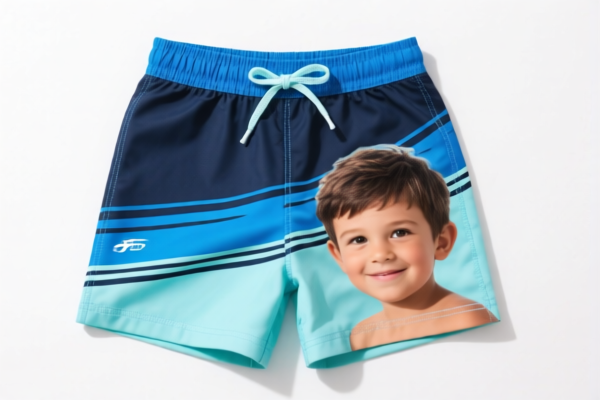
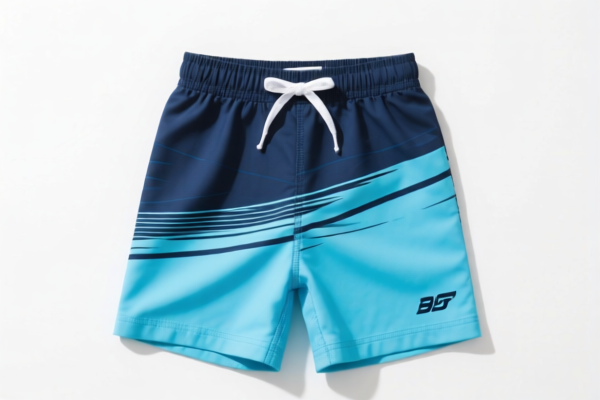
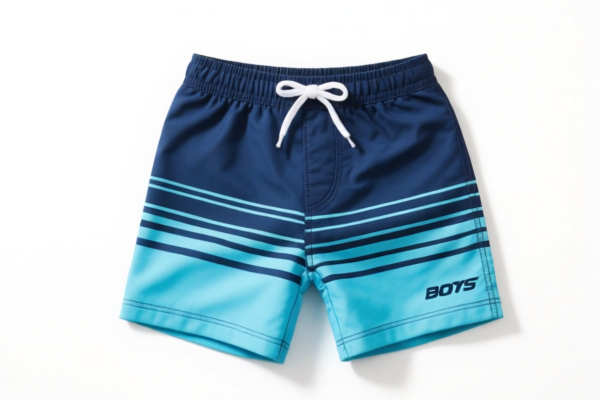
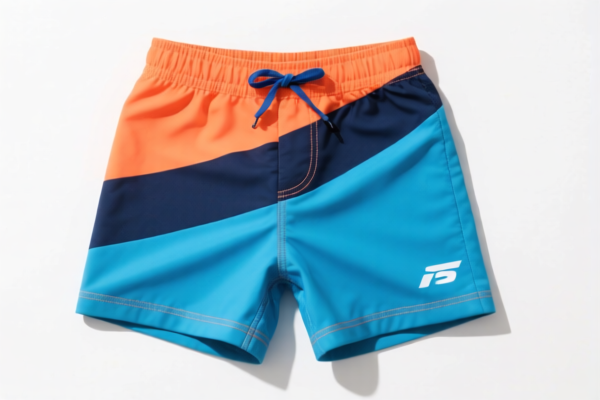
AI Analysis
🩳 Boys' Quick Dry Swim Trunks: HS Code Classification & 2026 US Customs Clearance Guide
🌐 HS Code Reference & Clearance Strategy | 2026 Latest Tariff Analysis | Professional Customs Compliance
📌 I. Product Definition: Do You Know "Swimwear"?
Boys' swim trunks are specialized athletic wear designed for water activities. In international trade, the classification depends heavily on two factors: 1. Knitting vs. Woven: Is the fabric knitted (stretchy, looped structure) or woven (flat, non-stretch structure)? 2. Material Composition: Are they made of synthetic fibers (polyester/nylon) or other materials?
⚠️ Key Distinction Point: - If the fabric is knitted/knotted (e.g., typical polyester mesh or spandex blends) →归入 Chapter 61. - If the fabric is woven (e.g., flat-weave nylon or polyester) →归入 Chapter 62. - "Quick Dry" is a functional attribute, not a classifier. It usually implies synthetic fibers but does not change the chapter based on construction alone.
📦 II. HS Code Classification Matrix (2026 Latest Tariff Authority)
Based on the provided data, here are the four potential HS codes for Boys' Quick Dry Swim Trunks, depending on the specific fabric construction:
| HS Code | Product Description | Applicable Scenario | Total Tax Rate (CN Origin) |
|---|---|---|---|
6112.39.00.10 |
Men's/Boys' Quick Dry Swimwear, Knitted | Knitted/Knotted synthetic fiber swimwear (e.g., jersey-style swimsuits) | 30.7% |
6112.31.00.10 |
Men's Swimwear, Knitted | Knitted swimwear made primarily of synthetic fibers (high base tariff) | 35.9% |
6211.11.10.10 |
Men's Swimwear, Artificial Fibers | Woven swimwear made of artificial (man-made) fibers like rayon or viscose blends | 37.8% |
6211.11.80.10 |
Men's Swimwear, Other | Woven swimwear made of other synthetic fibers (e.g., pure polyester/nylon woven) | 25.0% |
🔍 Critical Insight: - Woven Polyester/Nylon (Most common for boys' trunks) typically falls under
6211.11.80.10(25.0%) or6211.11.10.10(37.8%) depending on if the fiber is classified as "Artificial" or generic "Synthetic". - Knitted Swimwear (Less common for trunks, more for one-pieces) falls under6112(30.7% - 35.9%). - "Artificial Fibers" (Rayon/Viscose) often carry higher base tariffs than standard synthetic fibers (Polyester), hence the 37.8% vs 25.0% difference.
💰 III. 2026 Latest Tariff Rate Breakdown (US Import from China)
✅ Applicable Country: United States (US)
✅ Origin: China (CN)
✅ Effective Time: November 10, 2025 onwards
🎯 1. 6112.39.00.10 – Knitted Swimwear (Synthetic)
| Item | Detail |
|---|---|
| Base Duty | 13.2% |
| Section 301 Duty (China) | 7.5% |
| Section 122 Duty | 10.0% |
| Total Effective Rate | 30.7% |
| De Minimis Exemption | ❌ Not Eligible (deny_de_minimis) |
| Legal Basis | Base Tariff + 301 Footnote + IEEPA Section 122 |
📌 Explanation: - Base (13.2%): Standard MFN duty for knitted swimwear. - 301 Duty (7.5%): Added tariff on specific Chinese textile goods. - Section 122 (10%): Recent additional tariff on certain apparel imports. - Total: 30.7%. This is a high-cost entry point. Small shipments cannot use $800 de minimis exemption.
🎯 2. 6112.31.00.10 – Knitted Swimwear (High Base)
| Item | Detail |
|---|---|
| Base Duty | 25.9% |
| Section 301 Duty | 0.0% |
| Section 122 Duty | 10.0% |
| Total Effective Rate | 35.9% |
| De Minimis Exemption | ❌ Not Eligible |
📌 Warning: - This code has a higher base tariff (25.9%) but no 301 duty. - Total 35.9% is the highest risk for knitted items. Ensure the fabric is truly knitted before using this code, as misclassification can lead to audits.
🎯 3. 6211.11.10.10 – Woven Swimwear (Artificial Fibers)
| Item | Detail |
|---|---|
| Base Duty | 27.8% |
| Section 301 Duty | 0.0% |
| Section 122 Duty | 10.0% |
| Total Effective Rate | 37.8% |
| De Minimis Exemption | ❌ Not Eligible |
📌 Explanation: - If the trunks are made of viscose/rayon blends (Artificial Fibers), this code applies. - Total 37.8% is the absolute highest rate in the provided data. Avoid if possible; use polyester/nylon (Synthetic) instead.
🎯 4. 6211.11.80.10 – Woven Swimwear (Other Synthetics)
| Item | Detail |
|---|---|
| Base Duty | 7.5% |
| Section 301 Duty | 7.5% |
| Section 122 Duty | 10.0% |
| Total Effective Rate | 25.0% |
| De Minimis Exemption | ❌ Not Eligible |
📌 Optimal Choice: - For most woven polyester or nylon boys' swim trunks, this is the most cost-effective classification. - Total 25.0% is significantly lower than knitted or artificial fiber options. - Recommendation: Ensure the product is clearly woven and made of synthetic fibers (not artificial) to qualify for this lower rate.
🛠️ IV. Customs Clearance Practical Advice (Pitfall Avoidance)
✅ 1. Documentation Checklist (Must-Have)
| Document | Required | Purpose |
|---|---|---|
| Product Specification Sheet | ✔️ | Must state: "Boys' Swim Trunks," "Woven" or "Knitted," "100% Polyester/Nylon" |
| Fabric Swatch/Photo | ✔️ | To prove Woven vs. Knitted structure. Crucial for HS Code selection. |
| Commercial Invoice | ✔️ | Must clearly state "Boys' Swimwear," value, and origin (China). |
| Packing List | ✔️ | Detailed count per carton. |
| Labeling | ✔️ | Must include fiber content, country of origin, and size. |
✅ 2. Classification Strategy (The "Golden Rule")
🔥 "Woven Polyester = 25% | Knitted = 30-36% | Artificial = 38%"
| Scenario | Correct HS Code | Tax Rate | Action |
|---|---|---|---|
| Woven Polyester/Nylon Trunks | 6211.11.80.10 |
25.0% | ✅ Best Choice |
| Knitted Polyester Trunks | 6112.39.00.10 |
30.7% | ⚠️ Higher Cost |
| Rayon/Viscose Blend Trunks | 6211.11.10.10 |
37.8% | ❌ Avoid if possible |
| Knitted High-Base Trunks | 6112.31.00.10 |
35.9% | ❌ Highest Risk |
✅ 3. Special Considerations
| Situation | Handling Advice |
|---|---|
| Small Parcel (Under $800) | ⚠️ Do Not Use De Minimis. All listed codes have deny_de_minimis. Even small shipments are subject to full tariffs. |
| Mixed Containers | Ensure the invoice clearly separates items. If "Woven" and "Knitted" are mixed, customs may audit the entire shipment. |
| Labeling Errors | If the label says "Knitted" but you declare as "Woven," customs will seize or reclassify, leading to penalties. |
| Origin Marking | Must be clearly marked "Made in China" on the product or packaging. |
🌍 V. Global Market Comparison (2026)
| Region | Recommended HS Code | Base Tariff | US Specific Add-ons | Total Burden |
|---|---|---|---|---|
| 🇺🇸 USA | 6211.11.80.10 |
7.5% | +17.5% (301 + 122) | 25.0% |
| 🇪🇺 EU | 6211.11 |
~4-8% | No 301/122 | Low (~8%) |
| 🇨🇳 China | 6211.11 |
~10-15% | No US add-ons | Variable |
| 🇯🇵 Japan | 6211.11 |
~10-15% | No US add-ons | Variable |
📌 Conclusion: - The US market is uniquely expensive for Chinese swimwear due to Section 301 and Section 122 tariffs. - Section 122 (10%) is a new, significant cost driver. - Woven Synthetic (
6211.11.80.10) is the only viable path for cost control.
📌 VI. Common Mistakes & Pitfalls
❌ Mistake 1: Classifying Woven swimwear as Knitted (6112)
👉 Result: Incorrect HS Code → Audit → Back taxes + Penalties.
👉 Fix: Verify fabric structure (Woven vs. Knitted) with a fabric test.
❌ Mistake 2: Assuming De Minimis ($800) applies to Swimwear
👉 Result: Package detained at border, forced to pay taxes + storage fees.
👉 Fix: All swimwear items listed here are denied de minimis. Pay duties upfront.
❌ Mistake 3: Mislabeling Artificial Fibers as Synthetic
👉 Result: Tax rate jumps from 25.0% to 37.8%.
👉 Fix: Accurately identify fiber content. Polyester/Nylon = Synthetic. Rayon/Viscose = Artificial.
❌ Mistake 4: Ignoring Section 122 (10%)
👉 Result: Under-budgeting for landed cost.
👉 Fix: Always add 10% to the base + 301 tariff for apparel from China.
🎯 VII. Conclusion: Optimize for Profit
🎯 Key Takeaway:
🔹 "Woven + Polyester = 25% (Best)"
🔹 "Knitted = 30-36% (Medium)"
🔹 "Artificial/Viscose = 38% (Worst)"
🔹 "No De Minimis Exemption!"
✅ Action Plan:
1. Confirm Fabric: Ensure swim trunks are Woven polyester/nylon.
2. Use Code: 6211.11.80.10 for the lowest rate (25.0%).
3. Budget: Include 25% duty in your pricing model.
4. Document: Prepare detailed specs proving "Woven" and "Synthetic" to avoid audits.
📣 Immediate Action:
📞 Consult your freight forwarder to verify fabric structure.
🚀 Avoid6112.31.00.10and6211.11.10.10unless necessary, as they carry higher risks/costs.
💼 Precise classification saves 10-12% in landed costs!
✨ Professional Customs Clearance Starts with Accurate Classification!
💼 Every percentage point matters in the US apparel trade!
Customer Reviews
About HS Code Classification
The Harmonized System (HS) is an internationally standardized nomenclature developed by the World Customs Organization (WCO) to classify traded products. Over 200 countries use the HS system as the basis for customs tariffs, trade statistics, and import/export regulations.
Each HS code follows a hierarchical structure:
- Chapter (2 digits) — Broad category of goods (e.g., Chapter 84: Machinery and Mechanical Appliances)
- Heading (4 digits) — More specific grouping within the chapter
- Subheading (6 digits) — Internationally standardized breakdown, used by all WCO member countries
- National subdivisions (8-10 digits) — Country-specific extensions for further classification, such as US HTSUS 10-digit codes
Correct HS code classification is essential for smooth customs clearance, accurate duty payment, and compliance with trade regulations. Misclassification can lead to customs delays, overpayment of duties, or penalties.
When importing from CN to US, the applicable tariff rates may include:
- Most-Favored-Nation (MFN) rate — The standard duty rate applied to WTO members
- General rate — Applied to countries without trade agreements
- Trade remedy duties — Additional tariffs such as Section 301 (anti-dumping), Section 232 (national security), or countervailing duties
The information provided on this page is for reference purposes only. For official classification, please consult with your local customs authority or a licensed customs broker.