Boys' Romper
CN → US| HS Code | Tariff Rate | Origin | Destination | Doc |
|---|---|---|---|---|
| 6109100014 | 34.0% | CN | US | Official Doc |
| 6111206010 | 25.6% | CN | US | Official Doc |
| 6111305010 | 33.5% | CN | US | Official Doc |
| 6114200035 | 28.3% | CN | US | Official Doc |
| 6114303020 | 32.4% | CN | US | Official Doc |
Product Images
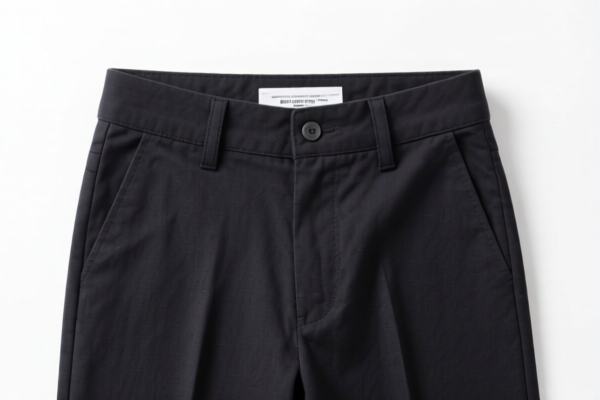
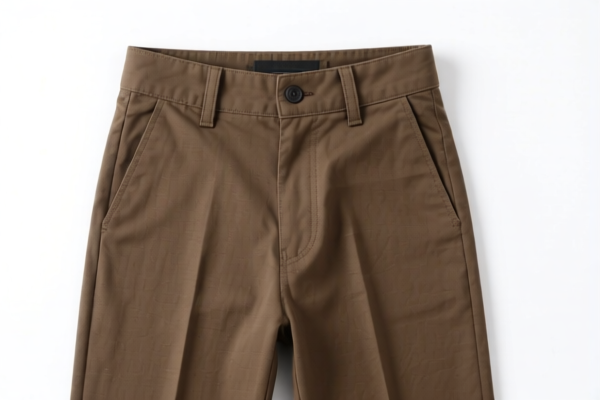
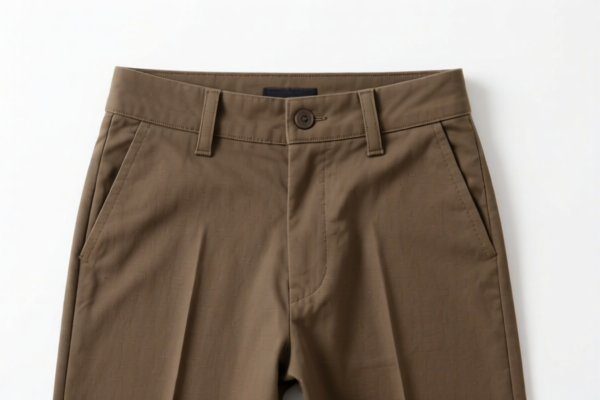
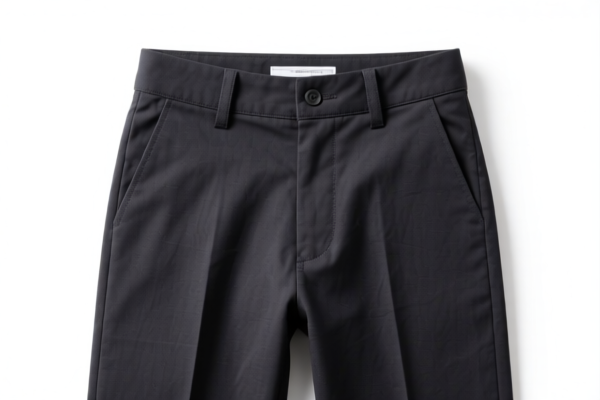
AI Analysis
👶 Boys' Romper (Kid's One-Piece Suit)
🌐 HS Code Reference & Customs Clearance Guide | 2026 Latest Tariff Analysis | Professional Clearance Strategy
📌 I. Product Definition & Classification: Do You Really Know "Boys' Romper"?
Boys' rompers, also known as one-piece suits or bodysuits, are essential garments for infants and young boys. In international trade, they are primarily classified under Chapter 61 (Articles of Apparel and Clothing Accessories, Knitted or Crocheted) because they are typically made from knitted fabrics (like cotton jersey, synthetic blends, or fleece).
Key Distinction: * Knitted vs. Woven: Most rompers are knitted (stretchy, comfortable for movement), falling under Heading 6111 (Baby garments) or 6114 (Other knitted garments). * Material Matters: The tariff rate varies significantly based on whether the fabric is Cotton, Synthetic Fibers (Polyester, Nylon), or Man-Made Fibers. * Target Audience: Specifically designed for boys, which may influence certain sub-categories but generally follows the material and construction rules.
⚠️ Critical Point:
- If the romper is woven (non-stretch, like denim or twill), it might fall under Chapter 62, but the provided data specifically points to Chapter 61 items.
- The provided data lists 5 specific HS Codes, all with distinct tax rates due to varying material compositions.
📦 II. HS Code Classification Details (Based on Provided Data)
The following table maps the provided HS Codes to their specific descriptions and tax structures. Note that all items are subject to significant additional tariffs.
| HS Code | Product Description | Material Inference | Total Tax Rate |
|---|---|---|---|
| 6109.10.00.14 | Boys' romper, knitted/fabric type, for boys' clothing | General knitwear | 34.0% |
| 6111.20.60.10 | Boys' romper, likely Cotton or Synthetic Blend | Cotton/Synthetic Mix | 25.6% |
| 6111.30.50.10 | Boys' romper, inferred Synthetic Fiber (Polyester, Nylon) | Synthetic (100% or High %) | 33.5% |
| 6114.20.00.35 | Boys' romper, Cotton or Synthetic Fabric | Cotton Blend | 28.3% |
| 6114.30.30.20 | Boys' romper, Synthetic/Man-Made Fiber | Synthetic/Man-Made | 32.4% |
🔍 Key Observation:
- 6111 series is specifically for Baby Garments, making it the most likely category for rompers.
- 6109 and 6114 are broader categories ("T-shirts," "Other Knitted Clothing"), which may apply if the romper is considered a general top or outerwear.
- All rates include base duty + additional tariffs.
💰 III. Detailed Tariff Breakdown (2026 Latest)
✅ Applicable Country: United States (US)
✅ Origin: China (CN) (Implied by the "Section 122" and high additional tariffs)
✅ Effective Date: Current (Post-2025)
🎯 1. 6109.10.00.14 – Boys' Romper, Knitted
| Item | Detail |
|---|---|
| Base Tariff | 16.5% |
| Additional Tariff (Section 301) | 7.5% |
| Section 122 Tariff | 10% |
| Total Tax Rate | 34.0% |
| Calculation | CIF Value × 34.0% |
| De Minimis Exemption? | ❌ NO (Not eligible for $800 de minimis due to additional duties) |
| Legal Path | Base HTS → Section 301 → Section 122 |
📌 Explanation:
- This code applies to general knitted articles. The high rate (34%) is due to the叠加 (stacking) of base duties and multiple trade remedies.
🎯 2. 6111.20.60.10 – Boys' Romper, Cotton/Synthetic Blend (Lowest Rate)
| Item | Detail |
|---|---|
| Base Tariff | 8.1% |
| Additional Tariff (Section 301) | 7.5% |
| Section 122 Tariff | 10% |
| Total Tax Rate | 25.6% |
| Calculation | CIF Value × 25.6% |
| De Minimis Exemption? | ❌ NO |
| Legal Path | Base HTS → Section 301 → Section 122 |
📌 Note:
- This is the most cost-effective option among the provided codes.
- Likely applies to rompers with a high cotton content (e.g., 50%+ cotton), as cotton often has lower base duties than synthetics.
🎯 3. 6111.30.50.10 – Boys' Romper, Synthetic Fiber
| Item | Detail |
|---|---|
| Base Tariff | 16.0% |
| Additional Tariff (Section 301) | 7.5% |
| Section 122 Tariff | 10% |
| Total Tax Rate | 33.5% |
| Calculation | CIF Value × 33.5% |
| De Minimis Exemption? | ❌ NO |
| Legal Path | Base HTS → Section 301 → Section 122 |
📌 Note:
- Synthetic fibers (polyester, nylon) face higher base duties.
- Suitable for rompers made of polyester blends or fleece.
🎯 4. 6114.20.00.35 – Boys' Romper, Cotton/Synthetic (General Knit)
| Item | Detail |
|---|---|
| Base Tariff | 10.8% |
| Additional Tariff (Section 301) | 7.5% |
| Section 122 Tariff | 10% |
| Total Tax Rate | 28.3% |
| Calculation | CIF Value × 28.3% |
| De Minimis Exemption? | ❌ NO |
| Legal Path | Base HTS → Section 301 → Section 122 |
📌 Note:
- Falls under "Other knitted garments."
- A mid-range option, potentially for mixed-material rompers not strictly classified as "baby garments" under 6111.
🎯 5. 6114.30.30.20 – Boys' Romper, Synthetic/Man-Made
| Item | Detail |
|---|---|
| Base Tariff | 14.9% |
| Additional Tariff (Section 301) | 7.5% |
| Section 122 Tariff | 10% |
| Total Tax Rate | 32.4% |
| Calculation | CIF Value × 32.4% |
| De Minimis Exemption? | ❌ NO |
| Legal Path | Base HTS → Section 301 → Section 122 |
📌 Note:
- Similar to 6111.30 but under the "Other" category.
- High base duty makes it less competitive than 6111.20.
🛠️ IV. Customs Clearance Practical Advice (Pitfall Avoidance Guide)
✅ 1. Required Documents Checklist
| Document | Must Provide? | Description |
|---|---|---|
| ✅ Product Specification Sheet | ✔️ | Detail material composition (e.g., 60% Cotton, 40% Polyester), size, age range. |
| ✅ Fabric Swatch/Composition Label | ✔️ | Critical for determining the correct HS Code (Cotton vs. Synthetic). |
| ✅ Product Photos | ✔️ | Show the romper clearly, including tags, labels, and packaging. |
| ✅ Commercial Invoice | ✔️ | Must state: "Boys' Knitted Romper, Model XYZ, Origin: China." |
| ✅ Packing List | ✔️ | Include quantity, gross weight, net weight, and HS Code per item. |
| ✅ Certificate of Origin (CO) | ✔️ | If claiming any potential exemptions (rare for China origin in this category). |
✅ 2. Declaration Tips (Key Mnemonic)
🔥 "Material First, Age Second, Name Precise, Tax Minimized!"
| Scenario | Correct Declaration | Wrong Practice |
|---|---|---|
| 100% Cotton Romper | 6111.20.60.10 (if infant) or 6114.20.00.35 |
Misclassify as synthetic → Higher tax. |
| Polyester Romper | 6111.30.50.10 or 6114.30.30.20 |
Misclassify as cotton → Lower tax but penalty for false declaration. |
| Mixed Fabric | Analyze by weight percentage | Guessing → Customs may reclassify and penalize. |
| Age Group | Specify "For Boys, 0-24 Months" | Vague description → Delays. |
✅ 3. Special Considerations
| Situation | Handling Advice |
|---|---|
| De Minimis ($800) Risk | ❌ Do not rely on de minimis. All listed codes have additional Section 301 and 122 tariffs, which disqualify them from the $800 exemption under US CBP rules. Full entry required. |
| Section 122 Tariff | This is a 10% additional duty on many textile/apparel items from China. It is non-negotiable and must be added to every calculation. |
| Section 301 Tariff | The 7.5% is standard for most textiles from China under the current trade war framework. |
| Material Accuracy | Misdeclaring a 100% polyester romper as cotton can lead to seizure, fines, and back-taxes. Always test fabric composition. |
🌍 V. Global Market Comparison (2026)
| Country/Region | Recommended HS Code | Base Tariff | Additional Tariffs (China) | Total Est. Rate | Notes |
|---|---|---|---|---|---|
| 🇺🇸 USA | 6111.20.60.10 |
8.1% | +7.5% (301) +10% (122) | 25.6% | Lowest rate for cotton blends. |
| 🇺🇸 USA | 6111.30.50.10 |
16.0% | +7.5% (301) +10% (122) | 33.5% | High rate for synthetics. |
| 🇨🇳 China | 6111.20.60.10 |
8-10% | None | ~10% | No Section 301/122. |
| 🇪🇺 EU | 6111.20.60.10 |
12% | None (if compliant) | ~12% | No Section 301/122. |
| 🇬🇧 UK | 6111.20.60.10 |
12% | None | ~12% | Post-Brexit rules apply. |
📌 Conclusion:
- USA is the highest-cost market due to the layered tariffs (Base + 301 + 122).
- Cotton-based rompers (6111.20.60.10) offer the best rate (25.6%) in the US market.
- Synthetic rompers face penalties of 32-34%.
- De minimis is NOT an option for these codes from China.
📌 VI. Common Mistakes & Pitfall Guide (Blood & Tears Lessons)
❌ Mistake 1: Assuming "Romper" = "Baby Clothes" automatically means lower tax.
👉 Reality: Even if it's a baby garment, if it's made of polyester, the tax is 33.5%. Material matters more than function.
❌ Mistake 2: Ignoring Section 122 Tariff.
👉 Reality: The 10% Section 122 duty applies to most apparel from China. Forgetting it will result in underpayment and penalties.
❌ Mistake 3: Trying to use De Minimis ($800) for small shipments.
👉 Reality: US CBP excludes goods subject to Section 301 and 122 tariffs from de minimis. Even 1 shirt will require formal entry.
❌ Mistake 4: Vague Description: "Kids' Clothing."
👉 Reality: Customs will reclassify based on photos and fabric tests, potentially assigning a higher tax rate than intended.
✅ Correct Approach:
"Boys' Knitted Cotton/Polyester Romper, 0-24 Months, Model ABC, 100% Poly/Cotton Blend, Origin: China, HS Code: 6111.20.60.10"
🎯 VII. Conclusion: Professional Declaration Saves Money!
🎯 Remember the Mnemonic:
🔹 "Cotton is King (25.6%), Synthetics are Pain (33.5%). Section 122 is 10% Always. De Minimis is NOT for You!"
🔹 "HS Code Defines Tax. 1% Error = Thousands in Penalties!"
📌 Pro Tip:
- If you can source cotton-blend rompers, use 6111.20.60.10 for the lowest US duty rate (25.6%).
- If you must use polyester, accept the 32-34% rate or consider non-China origins (e.g., Vietnam, Bangladesh) for tariff avoidance.
- Always request a fabric composition test report from your supplier before shipping.
📣 Take Action Now:
📞 Consult a Customs Broker to verify your specific product's material composition.
📄 Apply for Advance Ruling if importing large volumes.
🚀 Optimize Your Supply Chain: Shift cotton-heavy production to the lowest-tax codes.
✨ Professional Clearance Starts with Accurate Classification!
💼 Your Cost Per Shirt is Worth Every Penny Calculated!
Customer Reviews
About HS Code Classification
The Harmonized System (HS) is an internationally standardized nomenclature developed by the World Customs Organization (WCO) to classify traded products. Over 200 countries use the HS system as the basis for customs tariffs, trade statistics, and import/export regulations.
Each HS code follows a hierarchical structure:
- Chapter (2 digits) — Broad category of goods (e.g., Chapter 84: Machinery and Mechanical Appliances)
- Heading (4 digits) — More specific grouping within the chapter
- Subheading (6 digits) — Internationally standardized breakdown, used by all WCO member countries
- National subdivisions (8-10 digits) — Country-specific extensions for further classification, such as US HTSUS 10-digit codes
Correct HS code classification is essential for smooth customs clearance, accurate duty payment, and compliance with trade regulations. Misclassification can lead to customs delays, overpayment of duties, or penalties.
When importing from CN to US, the applicable tariff rates may include:
- Most-Favored-Nation (MFN) rate — The standard duty rate applied to WTO members
- General rate — Applied to countries without trade agreements
- Trade remedy duties — Additional tariffs such as Section 301 (anti-dumping), Section 232 (national security), or countervailing duties
The information provided on this page is for reference purposes only. For official classification, please consult with your local customs authority or a licensed customs broker.