Boys' Round Neck Short Hem Shirt
CN → US| HS Code | Tariff Rate | Origin | Destination | Doc |
|---|---|---|---|---|
| 6105100030 | 37.2% | CN | US | Official Doc |
| 6105202030 | 49.5% | CN | US | Official Doc |
| 6109100004 | 34.0% | CN | US | Official Doc |
| 6114301010 | 45.7% | CN | US | Official Doc |
| 6205202026 | 37.2% | CN | US | Official Doc |
Product Images
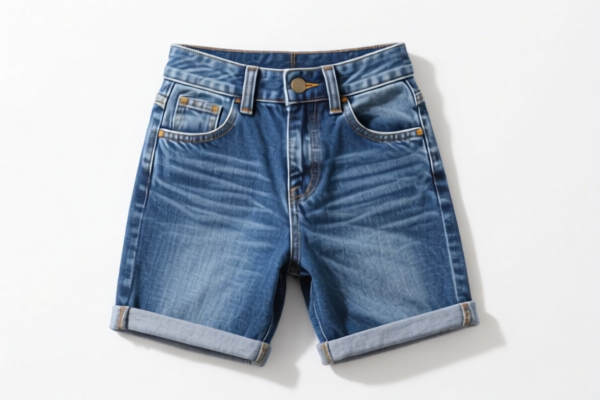
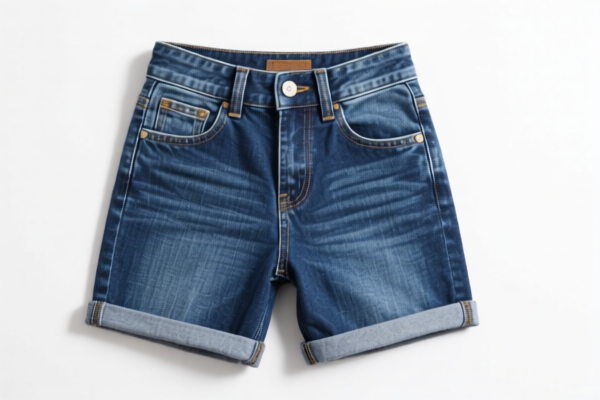
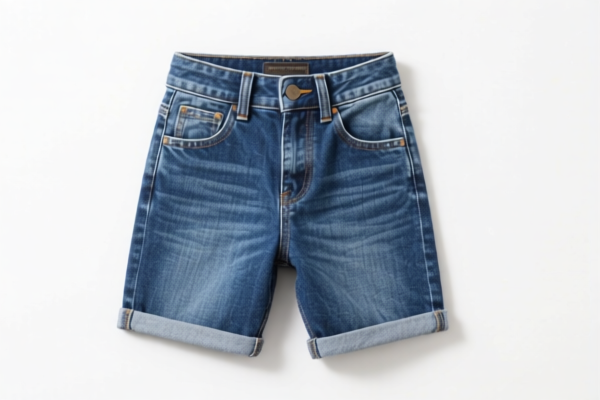
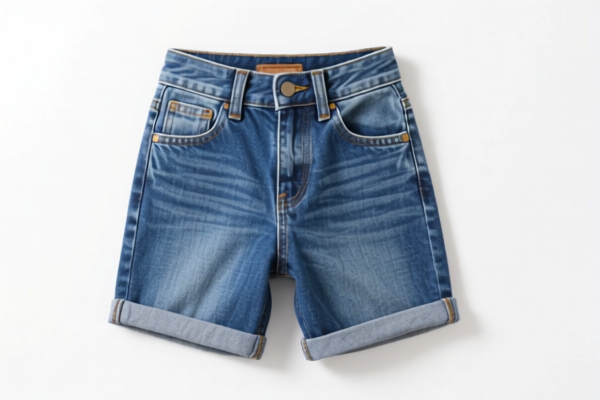
AI Analysis
👕 Boys' Round Neck Short Hem Shirt
🌐 HS Code Reference & Clearance Guide | 2026 Latest Tariff Analysis | Strategic Customs Strategy
📌 I. Product Definition & Classification: Do You Really Understand "Boys' Shirts"?
A "Boys' Round Neck Short Hem Shirt" is a men's/boys' outerwear garment characterized by a round neckline and a short hemline. In international trade, its classification depends heavily on the fabric material (knitted vs. woven) and weight/structure.
Key Distinction:
- If the fabric is Knitted or Crocheted (stretchy, looped structure) → Usually falls under Chapter 61 (e.g., 6105 or 6109).
- If the fabric is Woven (non-stretchy, interlaced threads) → Usually falls under Chapter 62 (e.g., 6205).
⚠️ Critical Identification Point:
- Knitted: Feels soft, stretches, often used for casual T-shirt-style shirts.
- Woven: Crisp, structured, often used for formal or semi-formal shirts.
- Note: Despite the name "Shirt," if it is knitted and has a round neck, it may sometimes be classified under6109(T-shirts) if it fits that specific definition, or6105if it is a general shirt.
📦 II. HS Code Classification Details (2026 Latest Tariff Authority Match)
Based on the provided data, here are the precise HS Codes, tax rates, and logical breakdowns for customs clearance.
| HS Code | Product Description & Logic | Material Inference | Total Tax Rate |
|---|---|---|---|
6105.10.00.30 |
Boys' Round Neck Short Hem Shirt. Logic: Matched by use and morphology; inferred as Cotton. |
Cotton | 37.2% |
6105.20.20.30 |
Boys' Round Neck Short Hem Shirt. Logic: Matches other sub-category material inference logic. |
Other Fibers (Synthetic/Blend) | 49.5% |
6109.10.00.04 |
Men's Short-Sleeve Round Neck Shirt. Logic: Morphology and use match; inferred as Cotton. |
Cotton | 34.0% |
6114.30.10.10 |
Men's Short-Sleeve Round Neck Shirt. Logic: Classified as Men's Upper Garment. |
Artificial Fiber / Cotton / Other | 45.7% |
6205.20.20.26 |
Men's Short-Sleeve Round Neck Shirt. Logic: Morphology and use match; inferred as Cotton or Blended. |
Cotton / Blend | 37.2% |
🔍 Key Insight:
- Knitted (61xx) vs. Woven (62xx):
-6105and6109are Knitted.
-6205is Woven.
- Tax Variation: The tax rate varies significantly (34.0% – 49.5%) based on the material composition and specific sub-heading.
- Pure Cotton (6105.10,6109.10) generally has a lower base tax (16.5%–19.7%).
- Synthetic/Other Fibers (6105.20,6114.30) have a higher base tax (28.2%–32.0%).
💰 III. 2026 Latest Tariff Rate Breakdown (Including Surtaxes & Policy Surcharges)
✅ Applicable Country: United States (US)
✅ Country of Origin: China (CN)
✅ Effective Date: 2025/2026 (Current Policy)
🎯 1. Cotton Knitted Shirt (6105.10.00.30 & 6109.10.00.04)
| Item | Content |
|---|---|
| Base Tariff | 16.5% – 19.7% (Ad Valorem) |
| Additional Tariff (Section 301) | +7.5% |
| 122 Section Tariff | +10% |
| Total Effective Tax Rate | 34.0% – 37.2% |
| Tax Calculation | CIF Value × Total Rate |
| De Minimis Exemption | ❌ Not Eligible (Deny De Minimis) |
| Legal Basis | Base Tariff + Section 301 + IEEPA/122 Provisions |
📌 Explanation:
- Base Tariff: Determined by the HTSUS for cotton knitted shirts.
- Section 301 (7.5%): Standard additional duty for Chinese goods.
- 122 Section (10%): Additional surcharge under specific trade enforcement provisions.
- Total: Ranges from 34.0% (for6109) to 37.2% (for6105).
🎯 2. Synthetic/Other Fiber Knitted Shirt (6105.20.20.30)
| Item | Content |
|---|---|
| Base Tariff | 32.0% |
| Additional Tariff (Section 301) | +7.5% |
| 122 Section Tariff | +10% |
| Total Effective Tax Rate | 49.5% |
| Tax Calculation | CIF Value × 49.5% |
| De Minimis Exemption | ❌ Not Eligible |
| Legal Basis | Higher base tariff for synthetic knitted shirts + surcharges |
📌 Note:
- Synthetic fibers (6105.20) carry a much higher base tariff (32%) compared to cotton (19.7%).
- Total 49.5% is a high-cost barrier. Material declaration is critical.
🎯 3. Other Knitted Men's Shirt (6114.30.10.10)
| Item | Content |
|---|---|
| Base Tariff | 28.2% |
| Additional Tariff (Section 301) | +7.5% |
| 122 Section Tariff | +10% |
| Total Effective Tax Rate | 45.7% |
| Tax Calculation | CIF Value × 45.7% |
🎯 4. Woven Cotton Shirt (6205.20.20.26)
| Item | Content |
|---|---|
| Base Tariff | 19.7% |
| Additional Tariff (Section 301) | +7.5% |
| 122 Section Tariff | +10% |
| Total Effective Tax Rate | 37.2% |
| Tax Calculation | CIF Value × 37.2% |
📌 Comparison:
- Woven cotton (6205) has the same total rate (37.2%) as knitted cotton (6105), but the base tariff structure differs.
- Woven shirts are often perceived as more "formal," but the tax impact is similar to knitted cotton shirts due to the fixed surcharges.
🛠️ IV. Customs Clearance Practical Advice (Avoid Pitfalls)
✅ 1. Essential Documentation Checklist
| Document | Required? | Notes |
|---|---|---|
| ✅ Product Composition Sheet | ✔️ Mandatory | Must specify % of Cotton, Polyester, etc. Crucial for distinguishing 6105.10 vs 6105.20. |
| ✅ Technical Data Sheet | ✔️ | Include fabric weight (gsm), weave/knit type, sleeve length. |
| ✅ Product Photos | ✔️ | Clear images of neckline, hem, labels, and tags. |
| ✅ Commercial Invoice | ✔️ | Must describe item as "Boys' Round Neck Short Hem Shirt" + Material. |
| ✅ Packing List | ✔️ | Detail units, dimensions, and weight. |
| ✅ Certificate of Origin | ❌ Optional | For origin verification, but does not exempt surtaxes. |
✅ 2. Declaration Tips (Golden Rules)
🔥 “Material First, Morphology Second, Name Precise, Tax Minimizable!”
| Scenario | Correct Declaration | Error to Avoid |
|---|---|---|
| Knitted Cotton Shirt | 6105.10.00.30 (Boys') or 6109.10.00.04 (Men's style) |
Calling it "T-shirt" if it has a collar → Misclassification. |
| Knitted Synthetic Shirt | 6105.20.20.30 |
Calling it "Cotton" → High Risk of Audit & Penalty. |
| Woven Cotton Shirt | 6205.20.20.26 |
Calling it "Knitted" → Wrong Chapter (61 vs 62). |
| Unisex/General Style | Use 6105 or 6205 based on material |
Using 6114 unless it clearly fits "Other" category. |
📌 Critical Warning:
- "Round Neck" vs. "Collared": If the shirt has a collar, it cannot be6109(T-shirts). It must be6105or6114.
- "Boys'" vs. "Men's": Ensure the HS code matches the target demographic if specified in the HTSUS.6105explicitly covers "Men's or Boys'".
✅ 3. Special Scenarios
| Scenario | Handling Advice |
|---|---|
| OEM Custom Shirts | Provide design specs to prove "Boys'" classification. |
| Mixed Materials | Declare the principal material (>50%). If no single material >50%, classify according to the material that gives the garment its essential character. |
| Sample Shipment | Even for samples, declare correctly. De Minimis (Section 321) is denied for Chinese goods under these surtax regimes. |
| Transshipment | Do not attempt to misroute through third countries to evade Section 301/122 tariffs. US Customs aggressively audits origin. |
🌍 V. Global Market Comparison (2026 Latest)
| Country/Region | Recommended HS Code | Tariff (China Origin) | Certification | Notes |
|---|---|---|---|---|
| 🇺🇸 USA | 6105.10 / 6109.10 |
34.0% – 37.2% | No specific certs required for basic textile | Highest total tax due to 301+122 surcharges. |
| 🇺🇸 USA | 6105.20 |
49.5% | No specific certs required | Avoid synthetic knitted shirts for US market due to high base tariff. |
| 🇪🇺 EU | 6105 / 6109 | 12% (Standard) | REACH, CE (if applicable) | No Section 301/122 surcharges. |
| 🇨🇳 China | 6105 / 6109 | 19.7% (Import Duty) | N/A | Domestic production may have different duties. |
| 🇬🇧 UK | 6105 / 6109 | 12% | UKCA | Post-Brexit alignment with EU. |
📌 Conclusion:
- The US market is the most expensive for Chinese textile imports due to 17.5% additional tariffs (7.5% Section 301 + 10% 122).
- Cotton is cheaper than synthetic fibers in terms of base tariff for knitted shirts.
- Strategy: Opt for Cotton Knitted (6105.10) or Woven Cotton (6205.20) to minimize the 37.2% total burden. Avoid Synthetic Knitted (6105.20) unless the value add justifies the 49.5% cost.
📌 VI. Common Errors & Pitfalls (Lessons Learned)
❌ Error 1: Declaring a Woven shirt as Knitted (6105 instead of 6205).
👉 Consequence: Incorrect tariff rate, potential penalty, and customs hold for inspection.
❌ Error 2: Ignoring the Material Composition.
👉 Consequence: Declaring "Cotton" when it is "Polyester" changes the tax from 37.2% to 49.5% → Back taxes + fines.
❌ Error 3: Attempting De Minimis (Section 321) exemption.
👉 Consequence: Denied. All Chinese-origin goods under these HS codes are subject to full duty assessment. Do not split shipments into small parcels to avoid duties; CBP tracks patterns.
❌ Error 4: Mislabeling "Round Neck" as "T-shirt" for a collared shirt.
👉 Consequence: If the shirt has a collar but is declared as 6109 (T-shirt), it will be rejected. 6109 is strictly for T-shirts, singlets, etc., without collars.
✅ Correct Declaration Example:
"Boys' Knitted Cotton Round Neck Short Hem Shirt, 100% Cotton, 200 GSM, Model XYZ, Country of Origin: China."
🎯 VII. Conclusion: Precision in Classification Saves Money!
🎯 Remember the Golden Rule:
🔹 "Check the Fabric: Knit vs. Woven."
🔹 "Check the Material: Cotton vs. Synthetic."
🔹 "Check the Neck: Round vs. Collared."
🔹 "Total Tax = Base + 7.5% + 10%. Plan Ahead!"
📌 Pro Tip:
- For US Imports, always calculate the Total Landed Cost including the 17.5% surcharge.
- If possible, consider sourcing from non-China countries (e.g., Vietnam, Bangladesh) to bypass Section 301/122 tariffs, reducing the total duty to 0%–12% depending on the FTA/standard rate.
📣 Immediate Action:
📞 Verify Material Composition with your supplier.
📄 Request HS Code Pre-Ruling from US CBP if unsure about Knitted vs. Woven.
💰 Negotiate Price based on the 37.2% or 49.5% total tax burden.
✨ Professional Clearance Starts with Accurate Classification!
💼 Your Profit Margin Depends on Your Tariff Strategy!
Customer Reviews
About HS Code Classification
The Harmonized System (HS) is an internationally standardized nomenclature developed by the World Customs Organization (WCO) to classify traded products. Over 200 countries use the HS system as the basis for customs tariffs, trade statistics, and import/export regulations.
Each HS code follows a hierarchical structure:
- Chapter (2 digits) — Broad category of goods (e.g., Chapter 84: Machinery and Mechanical Appliances)
- Heading (4 digits) — More specific grouping within the chapter
- Subheading (6 digits) — Internationally standardized breakdown, used by all WCO member countries
- National subdivisions (8-10 digits) — Country-specific extensions for further classification, such as US HTSUS 10-digit codes
Correct HS code classification is essential for smooth customs clearance, accurate duty payment, and compliance with trade regulations. Misclassification can lead to customs delays, overpayment of duties, or penalties.
When importing from CN to US, the applicable tariff rates may include:
- Most-Favored-Nation (MFN) rate — The standard duty rate applied to WTO members
- General rate — Applied to countries without trade agreements
- Trade remedy duties — Additional tariffs such as Section 301 (anti-dumping), Section 232 (national security), or countervailing duties
The information provided on this page is for reference purposes only. For official classification, please consult with your local customs authority or a licensed customs broker.