Boys' Round Neck Short Sleeve Shirt
CN → US| HS Code | Tariff Rate | Origin | Destination | Doc |
|---|---|---|---|---|
| 6109100004 | 34.0% | CN | US | Official Doc |
| 6205202026 | 37.2% | CN | US | Official Doc |
| 6205202067 | 37.2% | CN | US | Official Doc |
| 6114301010 | 45.7% | CN | US | Official Doc |
| 6114200005 | 28.3% | CN | US | Official Doc |
| 6109100012 | 34.0% | CN | US | Official Doc |
Product Images
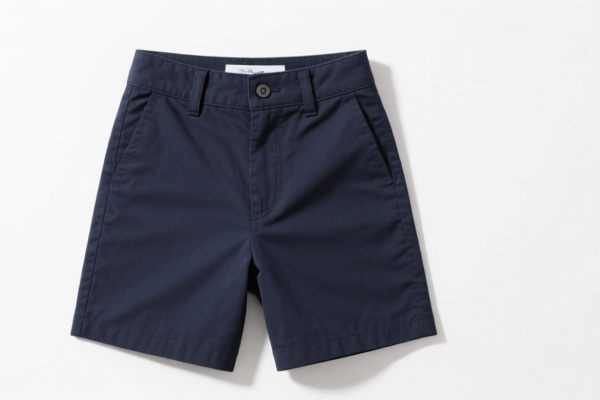
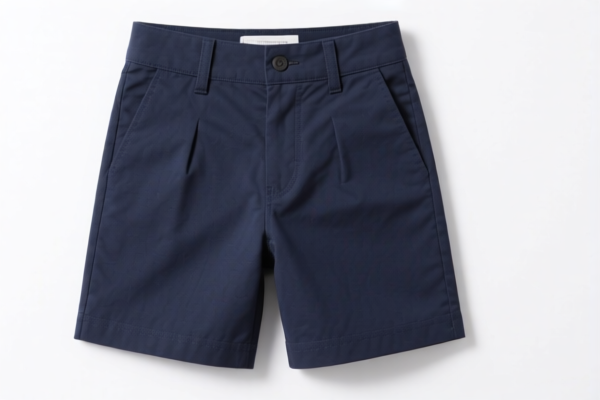
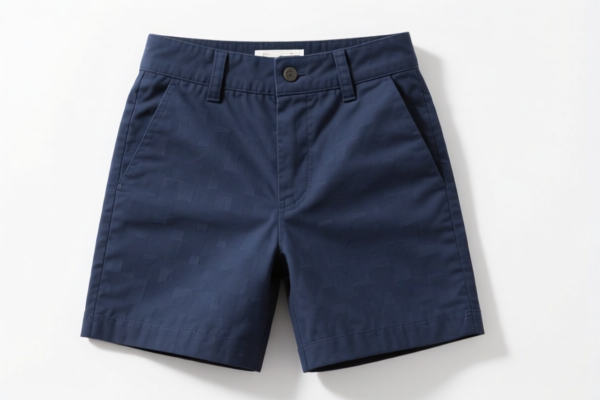

AI Analysis
👕 Boys' Round Neck Short Sleeve Shirts
🌐 HS Code Reference & Customs Clearance Guide | 2026 Latest Tariff Analysis | Professional Compliance Strategy
📌 1. Product Definition & Classification: Are You Declaring the Right "Shirt"?
"Boys' Round Neck Short Sleeve Shirt" is a common but ambiguous description in international trade. It can refer to two fundamentally different types of garments depending on the knitting/weaving structure and material. Misclassification leads to drastic tax differences (from 28.3% to 45.7%).
Key Distinctions: * Knitted/Tribble (Knit): Soft, stretchy, T-shirt style. → Likely HS 6109 or 6114 * Woven (Woven): Structured, button-down or polo style, non-stretch base. → Likely HS 6205
⚠️ Critical Decision Point:
- If the fabric is stretchy, jersey, or knit → It is NOT a traditional "shirt" in customs terms, but a "T-shirt" or "Other knit top."
- If the fabric is non-stretch, woven cotton or blend → It is a Woven Shirt.
📦 2. HS Code Classification Details (2026 Latest Tariff对照)
Based on your data, here are the 5 specific HS Codes identified for "Boys' Round Neck Short Sleeve Shirts." Note the significant tax variation.
| HS Code | Product Description | Material/Structure | Total Tax Rate | Why This Code? |
|---|---|---|---|---|
| 6109.10.00.04 | Boys' Round Neck Short Sleeve Top | Cotton Knit (T-shirt style) | 34.0% | Classifies as a "Singlet, T-shirt, and tank top" (knitted). Standard cotton jersey. |
| 6109.10.00.12 | Boys' Round Neck Short Sleeve Top | Cotton Knit (T-shirt style) | 34.0% | Same as above. Often used for slightly different weight/thickness cotton knits. |
| 6114.20.00.05 | Boys' Round Neck Short Sleeve Top | Cotton Knit (Other) | 28.3% | Classifies as "Other garments, knitted, of cotton." Lowest tax! Applies if not strictly a standard T-shirt (e.g., performance knit, mesh, or specific knit construction). |
| 6114.30.10.10 | Boys' Round Neck Short Sleeve Top | Synthetic/Other Fiber Knit | 45.7% | Highest Tax! Classifies as "Other garments, knitted, of synthetic fibers" (e.g., Polyester/Spandex blends, rayon). |
| 6205.20.20.26 | Boys' Round Neck Short Sleeve Top | Cotton Woven (Shirt) | 37.2% | Classifies as "Shirts, woven, of cotton." Even if round neck, if it's woven (structured), it goes here. |
| 6205.20.20.67 | Boys' Round Neck Short Sleeve Top | Cotton Woven (Shirt) | 37.2% | Similar to above, often for different cotton weave types or blends classified under woven shirts. |
🔍 Key Insight:
- Knitted (61xx) vs. Woven (62xx) is the primary divider.
- Cotton (6114/6109/6205) vs. Synthetic (6114) is the second divider.
- 6114.30 (Synthetic Knit) is the most expensive category (45.7%).
- 6114.20 (Cotton Knit Other) is the cheapest category (28.3%).
💰 3. 2026 Tariff Rate Breakdown (Detailed Tax Components)
✅ Applicable Country: United States (US)
✅ Origin: China (CN)
✅ Effective Date: 2025 onwards (includes Section 301 & 122 tariffs)
🎯 A. Cotton Knit T-Shirts (HS 6109)
Examples: 6109.10.00.04, 6109.10.00.12
| Item | Rate | Notes |
|---|---|---|
| Base MFN Rate | 16.5% | Standard Most Favored Nation duty for cotton knit T-shirts. |
| Section 301 Surcharge | 7.5% | Additional tariff under US Trade Act Section 301. |
| Section 122 Tariff | 10% | Specific tariff on certain textile/apparel products. |
| Total Effective Rate | 34.0% | Sum of all components. |
📌 Note:
- These codes are standard for basic cotton jersey T-shirts.
- If your product is 100% cotton knit, this is the default classification unless it qualifies for the "other knit" category (6114).
🎯 B. Cotton Woven Shirts (HS 6205)
Examples: 6205.20.20.26, 6205.20.20.67
| Item | Rate | Notes |
|---|---|---|
| Base MFN Rate | 19.7% | Standard rate for woven cotton shirts. |
| Section 301 Surcharge | 7.5% | Additional tariff. |
| Section 122 Tariff | 10% | Specific tariff. |
| Total Effective Rate | 37.2% | Sum of all components. |
📌 Note:
- Even though it's a "round neck," if the fabric is woven (e.g., oxford, poplin, chambray), it must be classified here.
- Do NOT classify woven shirts as T-shirts (6109) even if they look similar; structure matters.
🎯 C. Other Cotton Knit Tops (HS 6114.20)
Example: 6114.20.00.05
| Item | Rate | Notes |
|---|---|---|
| Base MFN Rate | 10.8% | Lower base rate for "other" knitted garments. |
| Section 301 Surcharge | 7.5% | Additional tariff. |
| Section 122 Tariff | 10% | Specific tariff. |
| Total Effective Rate | 28.3% | LOWEST TAX! |
📌 Strategy:
- If your garment is knitted, cotton, but not a standard T-shirt (e.g., mesh, athletic knit, specific knit construction), try to classify under 6114.20.
- Requires strong technical documentation proving it's not a standard T-shirt.
🎯 D. Synthetic/Other Fiber Knit Tops (HS 6114.30)
Example: 6114.30.10.10
| Item | Rate | Notes |
|---|---|---|
| Base MFN Rate | 28.2% | Higher base rate for synthetics. |
| Section 301 Surcharge | 7.5% | Additional tariff. |
| Section 122 Tariff | 10% | Specific tariff. |
| Total Effective Rate | 45.7% | HIGHEST TAX! |
📌 Warning:
- If your shirt contains polyester, nylon, or rayon as the main fiber, it falls here.
- Avoid this code if possible due to high cost. Consider if a cotton blend or 100% cotton option is feasible.
🛠️ 4. Customs Clearance Practical Advice (Pitfall Avoidance)
✅ 1. Document Preparation Checklist
| Document | Required | Purpose |
|---|---|---|
| Product Spec Sheet | ✔️ | Must state: Knit vs. Woven, Fiber Content (e.g., 100% Cotton, 60/40 Poly/Cotton), Weight (GSM). |
| Technical Packet | ✔️ | Include photos of the fabric texture (knit loops vs. woven threads). |
| Commercial Invoice | ✔️ | Clear description: e.g., "Boys' Knit Cotton T-Shirt" or "Boys' Woven Cotton Shirt." |
| Certificate of Origin | ✔️ | Required for Section 301/122 calculations. |
| Labeling | ✔️ | Must show fiber content, country of origin, and care instructions per US law. |
✅ 2. Declaration Tips (Key Mnemonics)
🔥 "Knit vs. Woven Defines the Code, Cotton vs. Synth Defines the Price!"
| Scenario | Correct HS Code | Tax Rate | Why? |
|---|---|---|---|
| 100% Cotton, Knit, Basic T-shirt | 6109.10.00.04 or 6109.10.00.12 |
34.0% | Standard classification for cotton knits. |
| 100% Cotton, Knit, Athletic/Mesh | 6114.20.00.05 |
28.3% | "Other knit" category; lower base rate. |
| 100% Cotton, Woven, Round Neck | 6205.20.20.26 or .67 |
37.2% | Woven shirts always go to 6205, even if casual. |
| Polyester/Spandex, Knit, Round Neck | 6114.30.10.10 |
45.7% | Synthetic knits are heavily taxed. |
| Cotton Blend, Knit, T-shirt | 6109.10.00.04 |
34.0% | If cotton is >50%, usually still 6109. |
⚠️ Common Mistake:
- Calling a woven shirt a "T-shirt" → Leads to audit, penalties, and back taxes.
- Calling a synthetic knit a "Cotton" shirt → Leads to misclassification fines.
✅ 3. Special Cases & Optimization
| Case | Advice |
|---|---|
| Cotton Content < 50% | If it's a knit with <50% cotton, it likely falls under 6114.30 (Synthetic/Other) → 45.7%. Recommendation: Increase cotton content to >50% if possible to qualify for 6109/6114.20. |
| Knit vs. Woven Ambiguity | If unsure, provide a swatch to customs broker. Knit has loops (like a sock); Woven has crisscross threads (like a tablecloth). |
| OEM/Private Label | Ensure labels match the declared fiber content exactly. Discrepancies cause delays. |
🌍 5. Global Market Comparison (2026)
| Market | HS Code Focus | Tariff Impact | Notes |
|---|---|---|---|
| 🇺🇸 USA | 6109, 6114, 6205 | High (28.3% - 45.7%) | Includes 301 & 122 tariffs. |
| 🇨🇳 China | 6109, 6114, 6205 | Low (5-10%) | No Section 301/122. |
| 🇪🇺 EU | 6109, 6114, 6205 | Low (0-12%) | No Section 122 equivalent. |
| 🇨🇦 Canada | 6109, 6114, 6205 | Low (0-12%) | CUSMA benefits may apply. |
📌 Conclusion:
- The US market is the most expensive due to additive tariffs.
- Classification accuracy is critical to save 5-17% in duty costs.
📌 6. Common Errors & Pitfalls (Blood Lessons)
❌ Error 1: Classifying Woven shirts as T-shirts (6109)
👉 Consequence: Underpayment of duties. CBP will reclassify to 6205 → Back taxes + penalties.
❌ Error 2: Classifying Synthetic Knits as Cotton (6109)
👉 Consequence: Misclassification. Correct code is 6114.30 → 45.7% vs 34.0%. Loss of margin.
❌ Error 3: Ignoring Section 122
👉 Consequence: Forgetting the 10% surcharge leads to underpayment. This applies to ALL these codes.
❌ Error 4: Vague Description "Boys' Shirt"
👉 Consequence: Customs cannot determine Knit vs. Woven. Hold shipment for inspection.
✅ Correct Practice:
"Boys' 100% Cotton Knit Round Neck T-Shirt, Style ABC, 180 GSM, HS 6109.10.00.04"
🎯 7. Conclusion: Professional Declaration, Cost Control!
🎯 Remember:
🔹 "Knit is 61, Woven is 62."
🔹 "Cotton Knit is 34%, Synthetic Knit is 45.7%."
🔹 "Woven Cotton is 37.2%."
🔹 "Section 122 adds 10% to ALL."
📌 Pro Tip:
If your product is a knit with cotton content > 50%, try to argue for 6114.20 (28.3%) if it's not a standard T-shirt. This saves 5.7% compared to standard T-shirt classification. For woven, it's fixed at 37.2%. For synthetic knit, avoid it if possible due to 45.7% tax.
📣 Immediate Action:
📞 Consult your customs broker with fabric swatches and fiber content reports.
🚀 Accurate classification = Saved costs + Smooth clearance.
✨ Professional Clearance Starts with Precise Classification!
💼 Every percentage point saved is pure profit!
Customer Reviews
About HS Code Classification
The Harmonized System (HS) is an internationally standardized nomenclature developed by the World Customs Organization (WCO) to classify traded products. Over 200 countries use the HS system as the basis for customs tariffs, trade statistics, and import/export regulations.
Each HS code follows a hierarchical structure:
- Chapter (2 digits) — Broad category of goods (e.g., Chapter 84: Machinery and Mechanical Appliances)
- Heading (4 digits) — More specific grouping within the chapter
- Subheading (6 digits) — Internationally standardized breakdown, used by all WCO member countries
- National subdivisions (8-10 digits) — Country-specific extensions for further classification, such as US HTSUS 10-digit codes
Correct HS code classification is essential for smooth customs clearance, accurate duty payment, and compliance with trade regulations. Misclassification can lead to customs delays, overpayment of duties, or penalties.
When importing from CN to US, the applicable tariff rates may include:
- Most-Favored-Nation (MFN) rate — The standard duty rate applied to WTO members
- General rate — Applied to countries without trade agreements
- Trade remedy duties — Additional tariffs such as Section 301 (anti-dumping), Section 232 (national security), or countervailing duties
The information provided on this page is for reference purposes only. For official classification, please consult with your local customs authority or a licensed customs broker.