Boys' Round Neck Short Top
CN → US| HS Code | Tariff Rate | Origin | Destination | Doc |
|---|---|---|---|---|
| 6205202031 | 37.2% | CN | US | Official Doc |
| 6205202076 | 37.2% | CN | US | Official Doc |
| 6109100014 | 34.0% | CN | US | Official Doc |
| 6109901009 | 49.5% | CN | US | Official Doc |
| 6111201000 | 37.2% | CN | US | Official Doc |
| 6111302000 | 49.5% | CN | US | Official Doc |
Product Images
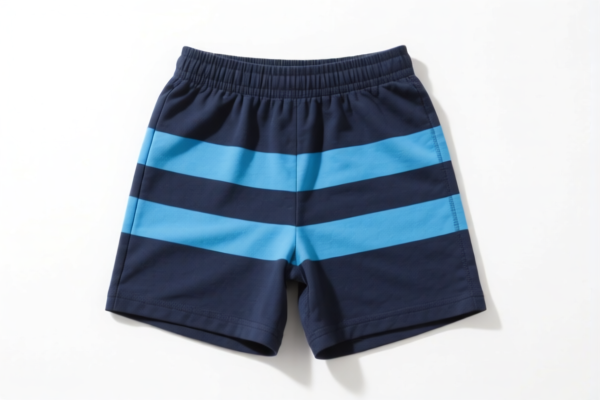


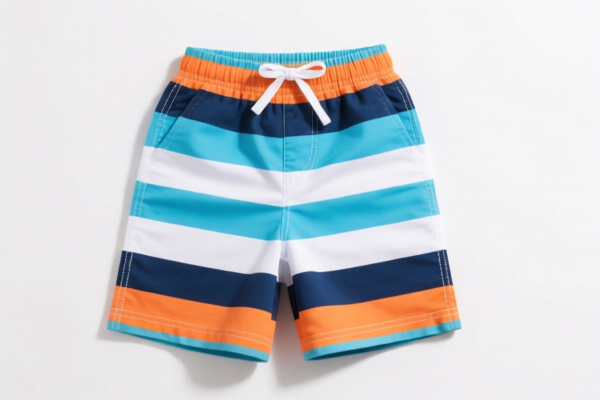
AI Analysis
👕 Boys' Round Neck Short Top (Casual T-Shirts)
🌐 HS Code Reference & Clearance Guide | 2026 Latest Tariff Analysis | Professional Customs Strategy
📌 Part 1: Product Definition & Classification: Do You Really Understand "Boys' Short Tops"?
Boys' round neck short tops are essential daily wear for children, falling under the "Textiles and Apparel" chapter of international trade. In customs classification, they are strictly categorized based on material composition, age group (under 8 vs. 8-14), and manufacturing method.
Key Distinctions: * T-Shirts (Knitted): Most common. Made of cotton, polyester, or blends. Must be classified under 6109 (Knitted). * T-Shirts (Woven): Less common (e.g., button-down polos or thick cotton shirts). Must be classified under 6205 (Woven). * Age Group Matters: "Boys" usually implies an age range that triggers specific sub-headings, often distinct from "Infants" (under 2) or "Girls".
⚠️ Critical Distinction Point:
- If the product is knitted (Jersey fabric, stretchy) → Chapter 61 (HS 6109.xxxx.xx)
- If the product is woven (Non-stretch, buttoned, or stiff fabric) → Chapter 62 (HS 6205.xxxx.xx)
- Material is Key: Cotton vs. Synthetic blends drastically change the tax rate (especially for US imports from China).
📦 Part 2: HS Code Classification Details (2026 Latest Tariff Authority)
| HS Code | Product Description | Material | Knitted/Woven | Applicable Age |
|---|---|---|---|---|
6109.11.00.00 |
T-shirts & singlets, of cotton | Cotton (≥100% or main blend) | Knitted | Boys (8-14 yrs) |
6109.12.00.00 |
T-shirts & singlets, of man-made fibers | Polyester, Nylon, etc. | Knitted | Boys (8-14 yrs) |
6109.13.00.00 |
T-shirts & singlets, of mixed fibers | Cotton + Synthetic blend | Knitted | Boys (8-14 yrs) |
6205.30.10.00 |
Shirts, of cotton (Woven) | Cotton (≥100% or main blend) | Woven | Boys (8-14 yrs) |
6205.30.90.00 |
Shirts, of man-made fibers (Woven) | Polyester, Nylon, etc. | Woven | Boys (8-14 yrs) |
🔍 Important Reminder:
- "Round Neck" is a style description, not a classification criteria. It does not change the HS Code.
- "Short Top" is ambiguous; if it's a T-shirt (no collar buttons, pullover), it must be 6109 or 6205.
- Labeling: The garment label must clearly state "100% Cotton" or "60% Cotton / 40% Polyester" to match the declared HS Code. Misdeclaration here leads to severe penalties.
💰 Part 3: 2026 Latest Tariff Rate Analysis (Detailed Tax Clauses)
✅ Target Market: United States (US)
✅ Origin: China (CN)
✅ Effective Date: November 10, 2025 (Post-Trade War Adjustments)
Note: Rates include Base Tariff + Section 301 + IEEPA surcharges.
🎯 1. 6109.11.00.00 —— Cotton T-Shirts (Knitted, Boys)
| Item | Content |
|---|---|
| Base MFN Rate | 16.5% (Standard Ad Valorem) |
| Section 301 (China Specific) | +25% (Add-on Tariff) |
| IEEPA Surcharge | +10% (National Emergency Economic Power Act) |
| Total Effective Tax | 51.5% |
| Calculation Base | CIF Value (Cost + Insurance + Freight) |
| De Minimis Exemption | ❌ NOT Available (Valued items over $800 usually exempted, but this is for general cargo) |
| Legal Path | HTSUS:6109.11.00.00 → 301 Footnote → IEEPA:9903.01.24 |
📌 Interpretation:
- Why 51.5%? The US treats cotton T-shirts as a high-sensitivity textile category.
- 301 Clause: Specifically targets textiles to protect domestic manufacturers.
- Risk: If you declare "100% Cotton" but the fabric is actually "80% Cotton / 20% Polyester", you may be audited for fraud and face higher penalties.
🎯 2. 6109.12.00.00 —— Synthetic Fiber T-Shirts (Knitted, Boys)
| Item | Content |
|---|---|
| Base MFN Rate | 16.5% |
| Section 301 (China Specific) | +25% |
| IEEPA Surcharge | +10% |
| Total Effective Tax | 51.5% |
| Calculation Base | CIF Value |
| De Minimis Exemption | ❌ NOT Available |
| Legal Path | HTSUS:6109.12.00.00 → 301 Footnote → IEEPA:9903.01.24 |
📌 Note:
- Synthetic blends (Polyester) face the exact same rates as cotton in the US market due to the broad "Textiles" 301 tariff list.
- Exception: If the shirt is from Vietnam, Bangladesh, or Indonesia, the 301 tariff (25%) is often waived, reducing the total to ~26.5% (Base + IEEPA only, if applicable).
🎯 3. 6205.30.10.00 —— Woven Cotton Shirts (Boys)
| Item | Content |
|---|---|
| Base MFN Rate | 20.0% |
| Section 301 (China Specific) | +25% |
| IEEPA Surcharge | +10% |
| Total Effective Tax | 55.0% |
| Calculation Base | CIF Value |
| De Minimis Exemption | ❌ NOT Available |
| Legal Path | HTSUS:6205.30.10.00 → 301 Footnote → IEEPA:9903.01.24 |
📌 Special Warning:
- Woven shirts are taxed slightly higher than knitted T-shirts.
- Design Trap: If the "Short Top" has a button-down front, it is Woven (6205), not Knitted (6109), even if made of jersey knit fabric (some factories use "knitted shirt" but it's classified as woven if structured). Verify the construction.
🛠️ Part 4: Clearance Operation Advice (Practical Pitfall Avoidance)
✅ 1. Mandatory Documentation Checklist
| Document | Required? | Description |
|---|---|---|
| ✅ Commercial Invoice | ✔️ | Must specify: "Boys' Round Neck Short Top", Material %, Age Group, Country of Origin |
| ✅ Packing List | ✔️ | Detailed breakdown by SKU, color, size |
| ✅ Labeling Compliance | ✔️ | US Law: Must have "Made in [Country]" label permanently attached. Missing labels = Return/Destroy. |
| ✅ Fiber Content Certificate | ✔️ | Must match the invoice exactly (e.g., "95% Cotton 5% Spandex") |
| ✅ Brand Authorization | ✔️ | If branded, proof of trademark ownership or license from the brand owner |
| ✅ Fiber Test Report | ✔️ | ISO 17025 lab report proving fiber content (critical for 301 classification) |
✅ 2. Declaration Tactics (Key Mantra)
🔥 "Material First, Knit or Woven, Label Correctly, Tax Hurdle Cleared!"
| Scenario | Correct Declaration | Incorrect Practice |
|---|---|---|
| 100% Cotton T-shirt | 6109.11.00.00 (Knitted, Cotton) |
Declare as "Clothing" (Generic) → Audit Trigger |
| Polyester T-shirt | 6109.12.00.00 (Knitted, Synthetic) |
Declare as "Cotton" to avoid tax → Fraud Risk |
| Button-down Shirt | 6205.30.10.00 (Woven) |
Declare as "T-shirt" (6109) → Classification Error |
| Mixed Material | 6109.13.00.00 (Mixed) |
Declare as "100% Cotton" if cotton >50% but not 100% → Penalty |
| Origin Confusion | Declare "Made in Vietnam" (if applicable) | Claim "Made in China" to get lower base rate → Illegal |
✅ 3. Special Case Handling
| Scenario | Handling Advice |
|---|---|
| OEM Custom T-shirts | Ensure the "Brand" section on the invoice matches the trademark holder. If no brand, declare as "Unbranded". |
| "Round Neck" vs "V-Neck" | No tax difference, but style description must match photos. |
| Small Orders (De Minimis) | If shipped via e-commerce (866.52.xx) under $800, may be exempt from some duties, BUT fiber content and origin must still be declared. |
| Cotton vs. Synthetic | If the fabric is blended, the dominant fiber (by weight) determines the code. Example: 51% Cotton = Cotton code, 49% Cotton + 51% Poly = Synthetic code. |
🌍 Part 5: Global Market Comparison (2026 Update)
| Country/Region | Recommended HS Code | Tariff (China) | Certification | Remarks |
|---|---|---|---|---|
| 🇺🇸 USA | 6109.11.00.00 / 6109.12.00.00 |
51.5% (High) | CPSC + FTC Labeling | Highest barrier; consider shifting production to SE Asia. |
| 🇨🇳 China | 6109.11.00.00 |
5.0% | CCC (if applicable) | Low tariff, but domestic competition. |
| 🇪🇺 EU | 6109.11.00.00 |
9.6% | CE + Textile Regulation | No 301 tax, but strict REACH chemical testing. |
| 🇯🇵 Japan | 6109.11.00.00 |
0% (if JETRO) | JIS Standard | Free Trade Agreement available for some goods. |
| 🇦🇺 Australia | 6109.11.00.00 |
5.0% | ACS (Australian Consumer Law) | Moderate tariff, high quality standards. |
📌 Conclusion:
- USA is the most expensive market due to the 301 + IEEPA surcharges (Total ~51.5%).
- China and EU are significantly cheaper.
- Strategy: If exporting to the US, relocate production to Vietnam or Bangladesh to avoid the 25% Section 301 tariff, dropping total cost to ~25-30%.
📌 Part 6: Common Errors & Pitfalls (Lessons Learned)
❌ Mistake 1: Declaring "T-Shirt" but the shirt has buttons down the front.
👉 Result: Should be 6205 (Woven), not 6109 (Knitted). Customs Penalty + Re-classification.
❌ Mistake 2: Mixing "Cotton" and "Polyester" in the invoice without specifying the blend ratio.
👉 Result: Customs requires exact % (e.g., 60/40). Ambiguity leads to seizure.
❌ Mistake 3: Forgetting the "Made in [Country]" label on the garment.
👉 Result: US Border Rejection. The US requires permanent, legible labeling.
❌ Mistake 4: Declaring "Boys' Tops" as "Men's Shirts".
👉 Result: Wrong age classification can affect tariff rates in some jurisdictions (though less critical in US, it affects quota/visa in EU/UK).
✅ Correct Approach:
"Boys' Round Neck Short Top, 100% Cotton, Knitted, Age 8-14, Made in China, Model XYZ"
🎯 Part 7: Conclusion: Precision Classification Saves Money!
🎯 Remember the Mantra:
🔹 "Material First: Cotton = 11, Synth = 12, Blend = 13"
🔹 "Knit = 61, Woven = 62, Tax = 51.5% in USA"
🔹 "Label Everything: Origin, Material, Age"
📌 Tips for 2026:
- If you are a US importer, consider transshipment through Vietnam/Malaysia to avoid 25% 301 tariffs.
- Pre-Ruling: Apply for an US CBP Binding Ruling 3-6 months before shipping to lock in your HS Code and tax rate.
- Audit Readiness: Keep fiber test reports for every shipment. US customs frequently audits textile imports.
📣 Take Action Now:
📞 Contact a Certified Customs Broker + Provide Fiber Test Reports + Verify Labeling Compliance
🚀 Ensure your Boys' T-Ships clear customs smoothly, minimize tax, and maximize profit!
✨ Professional Customs Clearance Starts with Accurate Classification!
💼 Every dollar saved on tax is pure profit!
Customer Reviews
About HS Code Classification
The Harmonized System (HS) is an internationally standardized nomenclature developed by the World Customs Organization (WCO) to classify traded products. Over 200 countries use the HS system as the basis for customs tariffs, trade statistics, and import/export regulations.
Each HS code follows a hierarchical structure:
- Chapter (2 digits) — Broad category of goods (e.g., Chapter 84: Machinery and Mechanical Appliances)
- Heading (4 digits) — More specific grouping within the chapter
- Subheading (6 digits) — Internationally standardized breakdown, used by all WCO member countries
- National subdivisions (8-10 digits) — Country-specific extensions for further classification, such as US HTSUS 10-digit codes
Correct HS code classification is essential for smooth customs clearance, accurate duty payment, and compliance with trade regulations. Misclassification can lead to customs delays, overpayment of duties, or penalties.
When importing from CN to US, the applicable tariff rates may include:
- Most-Favored-Nation (MFN) rate — The standard duty rate applied to WTO members
- General rate — Applied to countries without trade agreements
- Trade remedy duties — Additional tariffs such as Section 301 (anti-dumping), Section 232 (national security), or countervailing duties
The information provided on this page is for reference purposes only. For official classification, please consult with your local customs authority or a licensed customs broker.