Boys' Rubber/Plastic Coated Rock Climbing Jacket
CN → US| HS Code | Tariff Rate | Origin | Destination | Doc |
|---|---|---|---|---|
| 6113001005 | 21.3% | CN | US | Official Doc |
| 3926206000 | 35.0% | CN | US | Official Doc |
| 6210401500 | 21.3% | CN | US | Official Doc |
| 6210205020 | 24.6% | CN | US | Official Doc |
| 6113001005 | 21.3% | CN | US | Official Doc |
Product Images
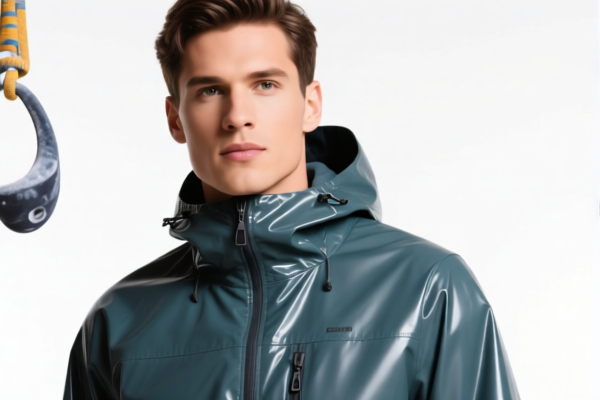
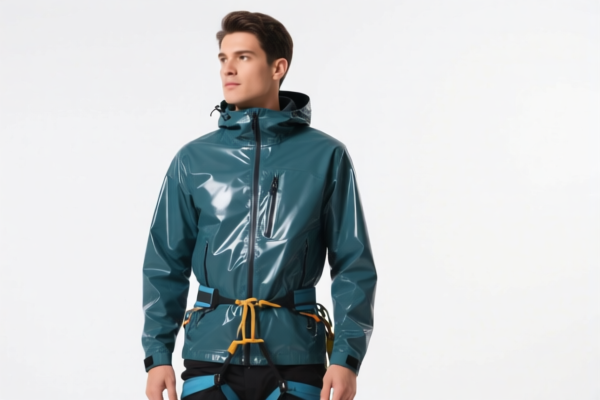


AI Analysis
🧗♂️ Boys' Rubber/Plastic Coated Rock Climbing Jacket
🌐 HS Code Reference & Customs Clearance Guide | 2026 Latest Tariff Analysis | Professional Clearance Strategy
📌 I. Product Definition & Classification: Do You Really Understand "Coated Climbing Jackets"?
The "Boys' Rubber/Plastic Coated Rock Climbing Jacket" is a specialized outerwear designed for children, featuring a base fabric treated with rubber or plastic substances. In international trade, its classification is not determined by its intended use (climbing), but by its material composition and manufacturing process.
It falls strictly under the category of "Textile Fabrics Impregnated, Coated, Covered, or Laminated with Rubber or Plastics."
⚠️ Key Distinction Point:
- If it is a standard fabric jacket with no coating/impregnation → It belongs to Chapter 61 or 62 (Textiles).
- If it is impregnated, coated, covered, or laminated with rubber/plastics → It belongs to Chapter 61 (Knitted) or Chapter 62 (Non-Knitted) under specific subheadings (6113 or 6210).
- Note: It does NOT belong to Chapter 39 (Plastics) unless it is purely plastic material without textile base.
📦 II. HS Code Classification Details (2026 Latest Tariff Authority Comparison)
Based on the specific product description "Boys' Rubber/Plastic Coated Rock Climbing Jacket", here are the applicable HS Codes and tax rates:
| HS Code | Product Description | Applicable Scenario | Total Tax Rate (China Origin) | Tax Breakdown |
|---|---|---|---|---|
| 6113.00.10.05 | Boys' outerwear, impregnated/coated/laminated with rubber/plastics | Knitted boys' jackets with plastic/rubber coating | 21.3% | Base: 3.8% + Section 301: 7.5% + Section 122: 10% |
| 6210.40.15.00 | Boys'/Men's outerwear, synthetic fibers coated with rubber/plastics | Non-knitted boys' outdoor/climbing jackets with coating | 21.3% | Base: 3.8% + Section 301: 7.5% + Section 122: 10% |
| 6210.20.50.20 | Windbreakers, rubber/plastic coated, synthetic fiber category | Non-knitted windproof jackets with coating | 24.6% | Base: 7.1% + Section 301: 7.5% + Section 122: 10% |
| 3926.20.60.00 | Plastic rainwear, including jackets/outdoors, clothing use | Pure plastic raincoats/jackets (no textile base) | 35.0% | Base: 0.0% + Section 301: 25.0% + Section 122: 10% |
🔍 Critical Reminder:
- "Rock Climbing Jacket" implies it is an outerwear item.
- If the jacket is knitted (e.g., fleece, jersey base), use 6113.00.10.05.
- If the jacket is woven/non-knitted (e.g., nylon, polyester shell), use 6210.40.15.00 (if classified as general outdoor) or 6210.20.50.20 (if specifically classified as windbreaker).
- Avoid 3926.20.60.00 unless the jacket is 100% plastic (like a disposable rain poncho). If it has a textile lining or fabric shell, it is not 3926.
💰 III. 2026 Latest Tariff Rate Detailed Explanation (Including Surtaxes)
✅ Applicable Country: USA (US)
✅ Country of Origin: China (CN)
✅ Effective Date: Post-2025 policies (including current Section 301 & 122)
🎯 1. 6113.00.10.05 & 6210.40.15.00 – Textile Outerwear with Coating (Most Likely)
| Item | Detail |
|---|---|
| Base Tariff | 3.8% (Ad Valorem) |
| Section 301 Tariff (USITC) | +7.5% (List 3/4 products) |
| Section 122 Tariff | +10% (Targeting Chinese footwear/apparel imports) |
| Total Tax Rate | 21.3% |
| Tax Calculation | CIF Value × 21.3% |
| De Minimis Exemption | ❌ Not Eligible (Deny De Minimis) |
| Legal Basis Path | Section 122 + Section 301 + USITC:6113.00.10.05 |
📌 Explanation:
- The 3.8% is the standard Most Favored Nation (MFN) rate for textile outerwear.
- The 7.5% is the Section 301 surcharge applicable to most Chinese textile products.
- The 10% is the Section 122 surcharge, recently targeted at Chinese apparel imports to protect US manufacturers.
- Total: 21.3%. This is a moderate-high tariff but significantly lower than pure plastic goods.
🎯 2. 6210.20.50.20 – Windbreaker Category
| Item | Detail |
|---|---|
| Base Tariff | 7.1% |
| Section 301 Tariff | +7.5% |
| Section 122 Tariff | +10% |
| Total Tax Rate | 24.6% |
| Tax Calculation | CIF Value × 24.6% |
| De Minimis Exemption | ❌ Not Eligible |
📌 Note:
- If Customs classifies the "Rock Climbing Jacket" specifically as a Windbreaker (due to material structure), the base rate is higher (7.1% vs 3.8%).
- Always provide product specs to argue for 6210.40.15.00 (3.8% base) if possible.
🎯 3. 3926.20.60.00 – Pure Plastic Rainwear (High Risk)
| Item | Detail |
|---|---|
| Base Tariff | 0.0% |
| Section 301 Tariff | +25.0% |
| Section 122 Tariff | +10% |
| Total Tax Rate | 35.0% |
| Tax Calculation | CIF Value × 35.0% |
📌 Warning:
- NEVER misclassify a textile-based jacket as "Plastic Rainwear" (3926) to avoid Section 301. Customs will detect the textile lining/fabric and reclassify, leading to penalties and back taxes.
- The 35% rate is much higher than 21.3%.
🛠️ IV. Customs Clearance Practical Advice (Battle-Tested Pitfall Guide)
✅ 1. Preparation Checklist (Missing Documents = Delays)
| Document | Mandatory? | Notes |
|---|---|---|
| ✅ Product Composition Report | ✔️ | Must state: Outer Fabric (e.g., Polyester) + Coating (e.g., PVC/Rubber) percentages. |
| ✅ Photos of Inner Lining | ✔️ | Prove it is textile-based, not pure plastic. Essential to avoid 3926 classification. |
| ✅ Commercial Invoice | ✔️ | Description: "Boys' Knitted/Non-Knitted Outerwear Jacket, Polyester Base, PVC Coated, for Rock Climbing" |
| ✅ Packing List | ✔️ | Include size, quantity, and net/gross weight. |
| ✅ Origin Certificate | ✔️ | To confirm CN origin for Section 122/301 application. |
✅ 2. Declaration Strategy (Key Tips)
🔥 “Fabric Base, Coating Top, Name it Right, Tax Drop Low!”
| Scenario | Correct Declaration | Wrong Declaration |
|---|---|---|
| Knitted Jacket with Coating | HS: 6113.00.10.05 |
Misdeclared as 3926.20.60.00 → 35% Tax |
| Woven Jacket with Coating | HS: 6210.40.15.00 |
Misdeclared as 6113... → Mismatch Risk |
| Pure Plastic Poncho | HS: 3926.20.60.00 |
N/A |
| Standard Uncoated Jacket | HS: 6101/6201 |
N/A (Not applicable here) |
✅ 3. Special Considerations
| Situation | Advice |
|---|---|
| "Rock Climbing" Label | Avoid using "Rock Climbing" as the primary product name if possible. Use "Outdoor Jacket" or "Windbreaker" to align with HS Code descriptions. "Rock Climbing" may trigger additional safety standard checks. |
| Children’s Clothing | Ensure compliance with CPSC (Consumer Product Safety Commission) regulations for flammability and lead content, regardless of HS Code. |
| Section 122 Impact | Since 2025, Section 122 adds 10% to all Chinese apparel/textile imports. No exemption for children’s wear. Budget for this 10% cost. |
🌍 V. Global Market Clearance Comparison (2026)
| Country/Region | Recommended HS Code | Tariff (China Origin) | Certification Required | Notes |
|---|---|---|---|---|
| 🇺🇸 USA | 6113.00.10.05 or 6210.40.15.00 |
21.3% | CPSC, FTC Labeling | Section 122 (10%) + Sec 301 (7.5%) applies |
| 🇪🇺 EU | 6113.00.10 or 6210.20 |
Varies (0-12%) | CE, REACH, Oeko-Tex | No Section 301/122. Lower tax, but stricter chemical tests. |
| 🇨🇦 Canada | 6113.00.10 or 6210.20 |
~12-18% | Health Canada Labeling | Similar to US but no Section 122. |
| 🇦🇺 Australia | 6113.00.10 or 6210.20 |
5% | ACCC Safety Standards | Low tariff, but high compliance bar for children’s wear. |
📌 Conclusion:
- USA has the highest combined tariff burden (21.3-35%) due to Section 301 and 122.
- EU/Australia have lower tariffs but stricter chemical/safety regulations for children’s products.
- Strategy: For USA, ensure accurate HS Code to avoid penalty. For EU, focus on chemical compliance (REACH).
📌 VI. Common Errors & Pitfalls (Lessons Learned)
❌ Error 1: Classifying as 3926.20.60.00 (Plastic) to save on Section 301.
👉 Result: Customs rejects due to textile content. Back taxes + 25% penalty.
✅ Fix: Use 6113 or 6210 (21.3% total) instead of 3926 (35% total). 21.3% is cheaper than 35%!
❌ Error 2: Ignoring Section 122 (10%).
👉 Result: Underpayment at customs. Audit risk.
✅ Fix: Always include 10% Section 122 in cost calculation for US imports.
❌ Error 3: Vague Product Description.
👉 Result: Customs cannot determine if it’s knitted or woven. Delays.
✅ Fix: Specify "Knitted Polyester Jacket with PVC Coating" or "Woven Nylon Jacket with Rubber Coating".
🎯 VII. Conclusion: Professional Declaration, Cost Saving!
🎯 Remember the Mantra:
🔹 "Fabric Base, Coating Top, Use 6113/6210, Not 3926!"
🔹 "Section 122 is 10%, Section 301 is 7.5%, Total is 21.3%!"
🔹 "Children’s Wear Needs CPSC, Don’t Forget Safety Certs!"
📌 Pro Tip:
If your jacket is 100% plastic (no textile), use 3926.20.60.00 (35% tax). But if it has any textile layer, use 6113.00.10.05 or 6210.40.15.00 (21.3% tax). Always choose the 21.3% path if possible!
📣 Action Required:
📞 Contact Customs Broker + Provide Fabric Composition + Apply for Advance Ruling (if high volume).
🚀 Clear Customs Smoothly, Save 13.7% in Tariffs, Boost Profit Margins!
✨ Professional Customs Clearance Starts with Accurate Classification!
💼 Every Percentage Point of Tax is Profit Lost – Don’t Lose It!
Customer Reviews
About HS Code Classification
The Harmonized System (HS) is an internationally standardized nomenclature developed by the World Customs Organization (WCO) to classify traded products. Over 200 countries use the HS system as the basis for customs tariffs, trade statistics, and import/export regulations.
Each HS code follows a hierarchical structure:
- Chapter (2 digits) — Broad category of goods (e.g., Chapter 84: Machinery and Mechanical Appliances)
- Heading (4 digits) — More specific grouping within the chapter
- Subheading (6 digits) — Internationally standardized breakdown, used by all WCO member countries
- National subdivisions (8-10 digits) — Country-specific extensions for further classification, such as US HTSUS 10-digit codes
Correct HS code classification is essential for smooth customs clearance, accurate duty payment, and compliance with trade regulations. Misclassification can lead to customs delays, overpayment of duties, or penalties.
When importing from CN to US, the applicable tariff rates may include:
- Most-Favored-Nation (MFN) rate — The standard duty rate applied to WTO members
- General rate — Applied to countries without trade agreements
- Trade remedy duties — Additional tariffs such as Section 301 (anti-dumping), Section 232 (national security), or countervailing duties
The information provided on this page is for reference purposes only. For official classification, please consult with your local customs authority or a licensed customs broker.