Boys' Shantou Cloth Shirt Handmade
CN → US| HS Code | Tariff Rate | Origin | Destination | Doc |
|---|---|---|---|---|
| 6211325060 | 25.6% | CN | US | Official Doc |
| 6105100030 | 37.2% | CN | US | Official Doc |
| 6105202030 | 49.5% | CN | US | Official Doc |
| 6205201000 | 26.2% | CN | US | Official Doc |
| 6205202031 | 37.2% | CN | US | Official Doc |
Product Images
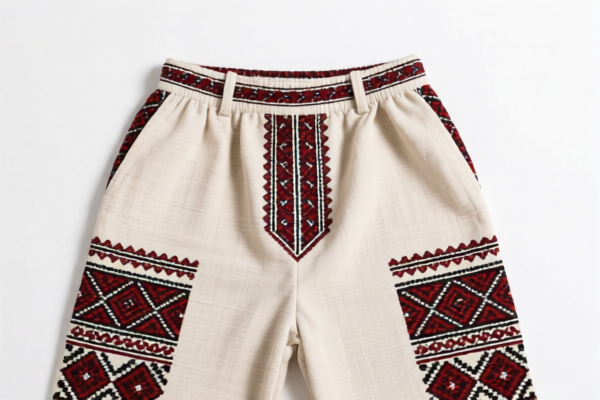
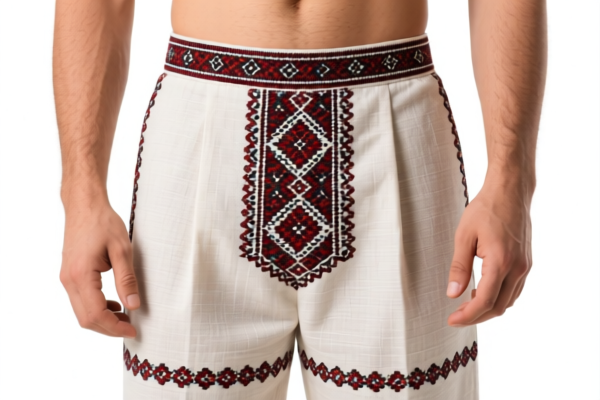
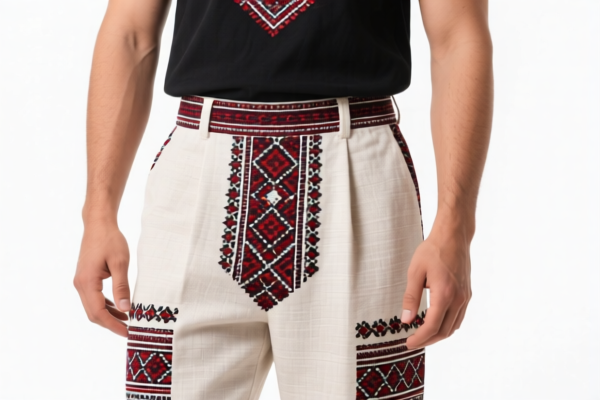
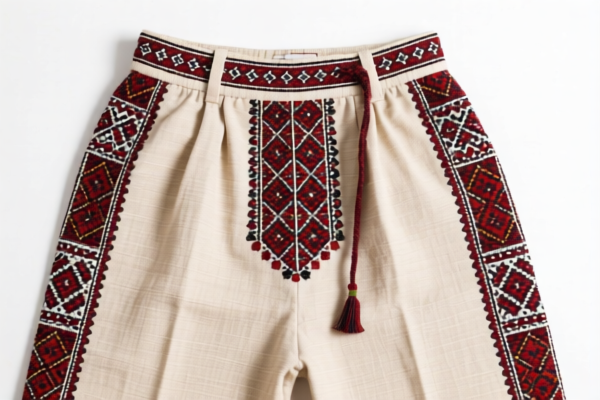
AI Analysis
👕 Boys' Shantou Cloth Shirt: Handmade Cotton Import Guide (USA)
🌐 HS Code Classification & Customs Clearance Strategy | 2026 Latest Tariff Analysis | Professional Compliance Guide
📌 Product: Boys' Shantou Cloth Shirt (Handmade, Cotton)
Shantou cloth (also known as Songli or high-quality linen/cotton blend) is a traditional, durable, and breathable fabric. When imported into the USA as a boys' shirt, the classification depends heavily on the knit vs. woven distinction and the specific material composition.
⚠️ Critical Distinction:
- Woven (Non-Knit): The fabric is woven on a loom. Typically classified in Chapter 62.
- Knitted/Hooked: The fabric is knitted. Typically classified in Chapter 61.
- "Handmade": Does NOT exempt you from tariffs. It may affect valuation but not the HS Code or tariff rate for duty purposes.
- Target Market: United States (US)
- Origin: China (CN)
📦 1. HS Code Classification Matrix (Based on Data)
Below are the 5 possible HS Codes for your product, depending on the exact construction and material. The tax rates vary significantly due to Section 301 and Section 122 tariffs.
| HS Code | Classification Basis | Product Description | Total Tax Rate | Key Tariff Components |
|---|---|---|---|---|
6211.32.50.60 |
Woven, Synthetic Blend | Boys' shirt, woven, "Shantou" cloth (interpreted as synthetic/blended for this code), handmade, sport/daily outerwear | 25.6% | Base: 8.1% Add'l (Sec 301): 7.5% Add'l (Sec 122): 10% |
6105.10.00.30 |
Knitted, 100% Cotton | Boys' shirt, knitted/hooked, 100% cotton | 37.2% | Base: 19.7% Add'l (Sec 301): 7.5% Add'l (Sec 122): 10% |
6105.20.20.30 |
Knitted, Cotton Blend | Boys' shirt, knitted/hooked, cotton or mixed fibers (catch-all for other knitted shirts) | 49.5% | Base: 32.0% Add'l (Sec 301): 7.5% Add'l (Sec 122): 10% |
6205.20.10.00 |
Woven, 100% Cotton | Boys' shirt, woven, 100% cotton, for boys | 26.2% | Base: 8.7% Add'l (Sec 301): 7.5% Add'l (Sec 122): 10% |
6205.20.20.31 |
Woven, Cotton Blend | Boys' shirt, woven, cotton blend, for boys | 37.2% | Base: 19.7% Add'l (Sec 301): 7.5% Add'l (Sec 122): 10% |
🔍 Why So Many Codes?
- Chapter 61 vs. 62: Knitted (61) vs. Woven (62). Shantou cloth is often woven, making6211or6205more likely.
- Material: 100% Cotton (6205.20.10) vs. Blend (6205.20.20or6211.32).
- Use: "Sport/Daily Outerwear" (6211) vs. General "Shirts" (6205).
💰 2. Detailed Tariff Breakdown & Legal Basis
✅ Applicable To: Imports from China to the USA
✅ Effective Date: Current (2026)
✅ Structure: Base Tariff + Section 301 Tariff + Section 122 Tariff
🎯 Case 1: 6205.20.10.00 – LOWEST COST OPTION (If 100% Cotton Woven)
If your Shantou cloth is 100% Cotton and Woven, this is the best code.
| Component | Rate | Legal Source |
|---|---|---|
| Base Tariff | 8.7% | USITC General Tariff |
| Section 301 (China Add'l) | 7.5% | 19 U.S.C. § 1677j |
| Section 122 Tariff | 10% | Trade Act of 1974, § 122 |
| TOTAL RATE | 26.2% |
📌 Explanation:
- Base (8.7%): Standard MFN rate for men's/boys' cotton shirts.
- Sec 301 (7.5%): Additional tariff on Chinese goods to address unfair trade practices.
- Sec 122 (10%): Temporary tariff to improve US balance of payments.
- Total: 8.7 + 7.5 + 10 = 26.2%.
🎯 Case 2: 6211.32.50.60 – WOVEN, SYNTHETIC/BLEND (Sport/Outerwear)
If the shirt is considered "outerwear" or "sportswear" and is a blend.
| Component | Rate | Legal Source |
|---|---|---|
| Base Tariff | 8.1% | USITC General Tariff |
| Section 301 (China Add'l) | 7.5% | 19 U.S.C. § 1677j |
| Section 122 Tariff | 10% | Trade Act of 1974, § 122 |
| TOTAL RATE | 25.6% |
📌 Explanation:
- Base (8.1%): Slightly lower than pure cotton shirts.
- Sec 301 & 122: Same as above.
- Total: 8.1 + 7.5 + 10 = 25.6%.
🎯 Case 3: 6105.10.00.30 – KNITTED, 100% COTTON
If the "Shantou cloth" is actually a knit fabric (less common for traditional Shantou, but possible).
| Component | Rate | Legal Source |
|---|---|---|
| Base Tariff | 19.7% | USITC General Tariff |
| Section 301 (China Add'l) | 7.5% | 19 U.S.C. § 1677j |
| Section 122 Tariff | 10% | Trade Act of 1974, § 122 |
| TOTAL RATE | 37.2% |
📌 Explanation:
- Base (19.7%): Higher base rate for knitted cotton shirts.
- Sec 301 & 122: Same.
- Total: 19.7 + 7.5 + 10 = 37.2%.
🎯 Case 4: 6205.20.20.31 – WOVEN, COTTON BLEND
If the shirt is woven but made of a cotton blend (not 100% cotton).
| Component | Rate | Legal Source |
|---|---|---|
| Base Tariff | 19.7% | USITC General Tariff |
| Section 301 (China Add'l) | 7.5% | 19 U.S.C. § 1677j |
| Section 122 Tariff | 10% | Trade Act of 1974, § 122 |
| TOTAL RATE | 37.2% |
📌 Explanation:
- Base (19.7%): Higher than pure cotton due to blend classification.
- Total: 19.7 + 7.5 + 10 = 37.2%.
🎯 Case 5: 6105.20.20.30 – KNITTED, CATCH-ALL BLEND (HIGHEST TAX)
If the shirt is knitted and made of a cotton blend, and doesn't fit other specific knit codes.
| Component | Rate | Legal Source |
|---|---|---|
| Base Tariff | 32.0% | USITC General Tariff |
| Section 301 (China Add'l) | 7.5% | 19 U.S.C. § 1677j |
| Section 122 Tariff | 10% | Trade Act of 1974, § 122 |
| TOTAL RATE | 49.5% |
📌 Explanation:
- Base (32.0%): Highest base rate due to "catch-all" classification.
- Total: 32.0 + 7.5 + 10 = 49.5%.
🛠️ 3. Customs Clearance Strategy & Recommendations
✅ Step 1: Determine Fabric Construction (Knit vs. Woven)
- Shantou Cloth is traditionally woven. If it is woven, prioritize Chapter 62 (
6205or6211). - If it is knitted, you are stuck with Chapter 61 (
6105), which has higher base tariffs. - Action: Check your fabric specification sheet. Ask: "Is this fabric produced by knitting or weaving?"
✅ Step 2: Determine Material Composition (100% Cotton vs. Blend)
- If 100% Cotton and Woven: Use
6205.20.10.00(26.2%). - If Cotton Blend and Woven: Use
6205.20.20.31(37.2%) or6211.32.50.60(25.6%) if marketed as outerwear/sportswear. - Action: Get a fiber content test from a third-party lab (e.g., SGS, Intertek).
✅ Step 3: Define "Outerwear" vs. "Shirt"
6211.32is for "Other garments" (outerwear, sportswear). If your shirt is a lightweight, casual shirt worn over a t-shirt, you might argue for this code (25.6%).6205is for standard shirts.- Action: If the shirt is thick, structured, or designed as a jacket-like outer layer, consider
6211.32.50.60to save 1.0% compared to6205.20.20.31.
✅ Step 4: Prepare Documentation for Customs
| Document | Requirement | Reason |
|---|---|---|
| Commercial Invoice | Must state: "Boys' Woven Shirt, 100% Cotton, Shantou Cloth, Handmade, Made in China" | Ensures correct HS Code classification. |
| Fabric Swatch | Provide a fabric swatch for CBP inspection | Proves "Woven" vs. "Knit". |
| Fiber Content Test | Lab report confirming % of cotton, polyester, etc. | Determines Base Tariff (8.7% vs. 19.7% vs. 32.0%). |
| Product Photos | Front, back, label, and hem details | Confirms "Handmade" and design features. |
🚫 4. Common Mistakes & Pitfalls
❌ Mistake 1: Claiming "Handmade" Exempts Tariffs
👉 Result: No exemption. Handmade goods are still subject to all tariffs (Base + Sec 301 + Sec 122).
👉 Fix: Focus on correct HS Code classification to minimize base rates.
❌ Mistake 2: Misclassifying Woven as Knit
👉 Result: If you declare a woven shirt as 6105 (Knit), CBP may reclassify it, leading to penalties and back duties.
👉 Fix: Always verify fabric construction. Shantou cloth is usually woven.
❌ Mistake 3: Ignoring Section 122 Tariff
👉 Result: The 10% Sec 122 tariff is automatic for most Chinese goods. Failing to include it in your cost calculation will lead to budget shortfalls.
👉 Fix: Always add 10% to your tariff cost model.
❌ Mistake 4: Using Generic "Shirt" Description
👉 Result: CBP may assign a "catch-all" code with the highest possible tax (49.5%).
👉 Fix: Be specific: "Boys' Woven Cotton Shirt, Outerwear Style, Handmade."
🎯 5. Cost Optimization Summary
| Scenario | HS Code | Total Tax | Savings vs. Highest |
|---|---|---|---|
| Best Case | 6211.32.50.60 (Woven Blend/Outerwear) |
25.6% | 23.9% |
| Good Case | 6205.20.10.00 (Woven 100% Cotton) |
26.2% | 23.3% |
| Medium Case | 6105.10.00.30 (Knit 100% Cotton) |
37.2% | 12.3% |
| Worst Case | 6105.20.20.30 (Knit Blend/Catch-all) |
49.5% | 0% |
💡 Recommendation:
1. Confirm Woven Construction: If possible, ensure the fabric is woven to stay in Chapter 62.
2. Aim for6211.32.50.60: If the shirt can be classified as "outerwear" or "sportswear," this code offers the lowest tax rate (25.6%).
3. If 100% Cotton: Use6205.20.10.00(26.2%) as a safe, standard option.
📌 6. Final Advice for Importers
🔥 "Woven is Lower, Cotton is Key, Outerwear is Cheapest!"
- Step 1: Test fabric for Woven vs. Knit.
- Step 2: Test for 100% Cotton vs. Blend.
- Step 3: Market as Outerwear/Sportswear if applicable to qualify for
6211. - Step 4: Calculate landed cost using the lowest applicable rate (25.6% or 26.2%).
📞 Contact your customs broker with the following info:
1. Fabric swatch (to prove Woven/Knit)
2. Fiber content report
3. Product photos (to prove "Outerwear" style)
4. Intended use (Sport/Daily)
✨ Professional Clearance, Lower Taxes, Higher Profits!
🚀 Optimize your HS Code today to save up to 24% in tariffs!
Customer Reviews
About HS Code Classification
The Harmonized System (HS) is an internationally standardized nomenclature developed by the World Customs Organization (WCO) to classify traded products. Over 200 countries use the HS system as the basis for customs tariffs, trade statistics, and import/export regulations.
Each HS code follows a hierarchical structure:
- Chapter (2 digits) — Broad category of goods (e.g., Chapter 84: Machinery and Mechanical Appliances)
- Heading (4 digits) — More specific grouping within the chapter
- Subheading (6 digits) — Internationally standardized breakdown, used by all WCO member countries
- National subdivisions (8-10 digits) — Country-specific extensions for further classification, such as US HTSUS 10-digit codes
Correct HS code classification is essential for smooth customs clearance, accurate duty payment, and compliance with trade regulations. Misclassification can lead to customs delays, overpayment of duties, or penalties.
When importing from CN to US, the applicable tariff rates may include:
- Most-Favored-Nation (MFN) rate — The standard duty rate applied to WTO members
- General rate — Applied to countries without trade agreements
- Trade remedy duties — Additional tariffs such as Section 301 (anti-dumping), Section 232 (national security), or countervailing duties
The information provided on this page is for reference purposes only. For official classification, please consult with your local customs authority or a licensed customs broker.