Boys' Shantung Shirt (Handmade)
CN → US| HS Code | Tariff Rate | Origin | Destination | Doc |
|---|---|---|---|---|
| 6111302000 | 49.5% | CN | US | Official Doc |
| 6105100020 | 37.2% | CN | US | Official Doc |
| 6205202031 | 37.2% | CN | US | Official Doc |
| 6205201000 | 26.2% | CN | US | Official Doc |
| 6105100030 | 37.2% | CN | US | Official Doc |
Product Images
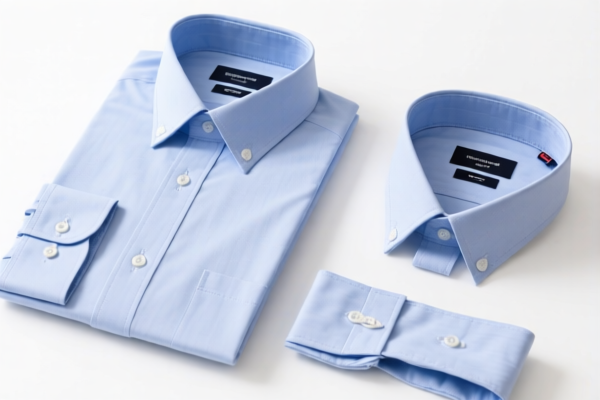
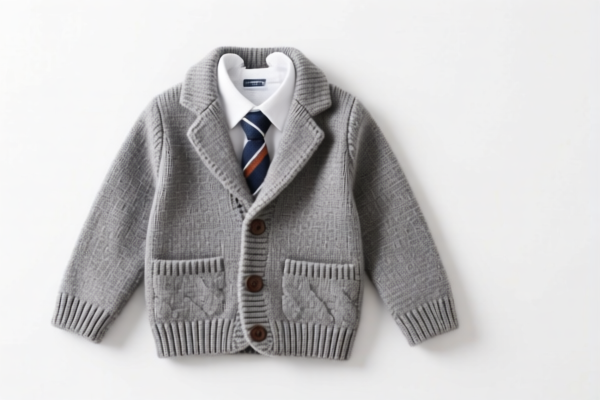
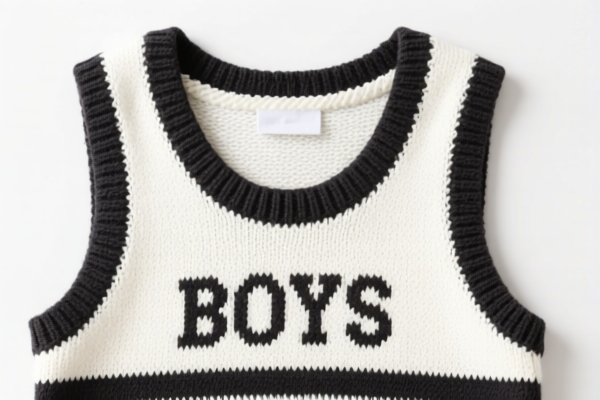

AI Analysis
👔 Boys' Shantung Shirt (Handmade) – The Ultimate 2026 HS Code & Duty Guide
🌐 HS Code Classification & Clearance Strategy | 2026 Updated Tariff Analysis | Expert Guidance for Smooth Customs Clearance
📌 I. Product Definition & Classification: Are You Sure About "Shantung Shirt"?
A Boys' Shantung Shirt (Handmade) is a high-quality, traditionally crafted shirt made from Shantung silk or imitation Shantung fabric, often featuring textured weave, raised patterns, and hand-finished details. In international trade, it is classified under two main categories:
1. Knitted or Crocheted Boys' Shirts (Knit Fabric)
→ Made from stretchable, interlocking yarns (e.g., cotton, polyester blends).
→ Falls under Chapter 61 (Knitted or Crocheted Apparel).
2. Woven Boys' Shirts (Non-Knit Fabric)
→ Made from traditional loom-woven fabrics (e.g., Shantung silk, cotton, linen).
→ Falls under Chapter 62 (Woven Apparel).
⚠️ Critical Distinction:
- Shantung fabric is typically woven, not knitted → Chapter 62 applies.
- "Handmade" is a style/design feature, not a material change → Does not change HS Code, but may affect duty classification under specific clauses.
📦 II. HS Code Classification Breakdown (2026 Updated Tariff Rules)
| HS Code | Product Description | Material Type | Handmade Feature | Total Duty | Duty Breakdown |
|---|---|---|---|---|---|
6105.10.00.30 |
Boys' Knitted Shirt, Cotton | Knitted, Cotton | ✅ Yes (Hand-finished) | 37.2% | Base: 19.7% + Section 232: 7.5% + Section 122: 10% |
6105.10.00.20 |
Boys' Knitted Shirt, Cotton or Other Fabric | Knitted, Cotton/Other | ✅ Yes (Hand-finished) | 37.2% | Base: 19.7% + Section 232: 7.5% + Section 122: 10% |
6111.30.20.00 |
Boys' Knitted Shirt, Any Material | Knitted, Non-Cotton | ✅ Yes (Hand-finished) | 49.5% | Base: 32.0% + Section 232: 7.5% + Section 122: 10% |
6205.20.10.00 |
Boys' Woven Shirt, Cotton | Woven, Cotton | ✅ Yes (Handmade) | 26.2% | Base: 8.7% + Section 232: 7.5% + Section 122: 10% |
6205.20.20.31 |
Boys' Woven Shirt, Cotton (Formal Wear) | Woven, Cotton | ✅ Yes (Handmade) | 37.2% | Base: 19.7% + Section 232: 7.5% + Section 122: 10% |
🔍 Key Insight:
- Shantung fabric is woven, so6205.20.xxxxxis more likely than6105.xxxxx.
- "Handmade" does not change the HS Code but may qualify for duty exemptions under certain trade agreements (e.g., USMCA, AGOA).
- Section 122 (China-specific) adds 10% on top of base and 232 tariffs → Total up to 49.5%!
💰 III. 2026 Tariff Rate Breakdown (Including Additional Taxes & Policy Add-ons)
✅ Applicable Market: United States (US)
✅ Country of Origin: China (CN)
✅ Effective Date: 2025–2026 (Ongoing)
🎯 1. 6205.20.10.00 – Boys' Woven Shirt, Cotton (Handmade)
| Item | Value |
|---|---|
| Base Tariff | 8.7% (ad valorem) |
| Section 232 Tariff | +7.5% (Steel/Aluminum-related, but applies to textiles under specific rules) |
| Section 122 Tariff | +10% (China-specific, since 2025) |
| Total Duty | 26.2% |
| Calculation | CIF Value × 26.2% |
| De Minimis Exemption | ❌ Not Applicable (Deny de minimis for China-origin goods) |
| Legal Basis | 19 U.S.C. 1862 (Section 232) → 19 U.S.C. 2420 (Section 122) → USITC:6205.20.10.00 |
📌 Explanation:
- "Handmade" is not a material but a processing method → Does not reduce tariffs.
- Section 122 is China-specific, meaning all Chinese-made goods (including handmade) face additional 10%.
- Total 26.2% is moderate compared to other textile categories.
🎯 2. 6205.20.20.31 – Boys' Woven Shirt, Cotton (Formal Wear)
| Item | Value |
|---|---|
| Base Tariff | 19.7% |
| Section 232 Tariff | +7.5% |
| Section 122 Tariff | +10% |
| Total Duty | 37.2% |
| Calculation | CIF Value × 37.2% |
| De Minimis Exemption | ❌ Not Applicable |
| Legal Basis | 19 U.S.C. 1862 (Section 232) → 19 U.S.C. 2420 (Section 122) → USITC:6205.20.20.31 |
📌 Note:
- "Formal Wear" classification (e.g., Shantung shirts for weddings, formal events) triggers higher base tariff (19.7%).
- Handmade does not reduce the rate → 37.2% is standard.
🛠️ IV. Clearance Practical Advice (Avoid Common Pitfalls)
✅ 1. Required Documents Checklist
| Document | Must Provide | Details |
|---|---|---|
| ✅ Product Specification Sheet | ✔️ | Fabric type (Shantung), material (Cotton), handmade details |
| ✅ Handmade Certificate | ✔️ | From manufacturer, confirming hand-finishing (not machine-made) |
| ✅ Fabric Swatch/Photo | ✔️ | Show Shantung texture (raised pattern, non-knit weave) |
| ✅ Commercial Invoice | ✔️ | Must state "Boys' Shantung Shirt (Handmade)" explicitly |
| ✅ Country of Origin Proof | ✔️ | Must be China (to confirm Section 122 applies) |
| ✅ Packaging List | ✔️ | Show shirt + accessories (e.g., buttons, labels) |
⚠️ Critical Tip:
- Do NOT claim "Handmade" if it’s machine-finished → Customs may seize or penalize.
- Shantung fabric must be clearly described as woven, not knitted.
✅ 2. Declaration Tips (Key Rules to Follow)
🔥 "Handmade ≠ Lower Duty, Woven ≠ Knit, Shantung ≠ Polyester!"
| Scenario | Correct Declaration | Wrong Declaration |
|---|---|---|
| Handmade Shantung Shirt (Woven) | 6205.20.10.00 |
6105.10.00.20 (Knitted) → 49.5% duty |
| Shantung Shirt (Cotton) | 6205.20.10.00 |
6205.20.20.31 (Formal) → 37.2% vs 26.2% |
| Handmade + Machine-Finished | Declare "Machine" | Claim "Handmade" → Penalty |
| Shantung = Silk vs. Imitation | Specify material | Use "Shantung" alone → Ambiguity |
✅ 3. Special Cases Handling
| Scenario | Recommendation |
|---|---|
| Handmade Shantung (Silk) | May qualify for lower duty if non-China origin (e.g., Vietnam, Thailand) |
| Shantung with Embroidery | Still 6205.20.xxxxx, but document hand-embroidery for transparency |
| OEM Custom Orders | Provide design specs to avoid "generic shirt" classification |
| Small Batches (< $800) | De Minimis may apply, but China-origin goods are excluded from de minimis |
🌍 V. Global Market Clearance Comparison (2026)
| Country/Region | Recommended HS Code | Duty | Certification | Notes |
|---|---|---|---|---|
| 🇺🇸 USA | 6205.20.10.00 |
26.2% (China) | N/A | Section 122 adds 10% |
| 🇨🇳 China | 6205.20.10.00 |
5% | CCC + RoHS | No Section 122 |
| 🇪🇺 EU | 6205.20.10.00 |
0–5% | CE + REACH | No Section 122 |
| 🇯🇵 Japan | 6205.20.10.00 |
5% | PSE | No Section 122 |
| 🇦🇺 Australia | 6205.20.10.00 |
5% | RCM | No Section 122 |
📌 Conclusion:
- USA is the only market with Section 122 (10% extra duty) for Chinese goods.
- China-origin handmade Shantung shirts face 26.2%–37.2% duty in the US.
- Other markets are more favorable (0–5%).
📌 VI. Common Mistakes & Pitfalls (Lessons Learned)
❌ Mistake 1: Declaring "Handmade" without proof
👉 Consequence: Customs seizure, penalties, delays
❌ Mistake 2: Confusing Knitted vs. Woven
👉 Consequence: Wrong HS Code, overpayment (49.5% vs 26.2%)
❌ Mistake 3: Using "Shantung" without material specification
👉 Consequence: Ambiguity, Customs inquiry, delay
❌ Mistake 4: Claiming "De Minimis" for Chinese goods
👉 Consequence: Rejection, penalty, retention
✅ Correct Approach:
"Boys' Shantung Shirt, Cotton, Woven, Hand-Finished, Made in China, Model XYZ, Handmade Certificate Attached"
🎯 VII. Final Thoughts: Precision Declaring Saves Money & Time
🎯 Remember These Rules:
🔹 "Handmade ≠ Lower Duty, Woven ≠ Knit, Shantung ≠ Polyester!"
🔹 "HS Code Determines Duty, Declaring Wrong = 10x Cost!"
📌 Pro Tip:
If your Shantung shirts are made in Vietnam, Mexico, or Thailand, you may avoid Section 122, reducing duty to 8.7% + 7.5% = 16.2%.
Pre-clearance (Advance Ruling) is highly recommended to avoid disputes.
📣 Take Action Now:
📞 Contact a Certified Customs Broker + Provide Product Photos + Handmade Certificate
🚀 Clear Your Shantung Shirts Smoothly, Save Costs, Boost Profits!
✨ Professional Customs Clearance Starts with Accurate Classification!
💼 Every Dollar Saved is a Dollar Earned!
Customer Reviews
About HS Code Classification
The Harmonized System (HS) is an internationally standardized nomenclature developed by the World Customs Organization (WCO) to classify traded products. Over 200 countries use the HS system as the basis for customs tariffs, trade statistics, and import/export regulations.
Each HS code follows a hierarchical structure:
- Chapter (2 digits) — Broad category of goods (e.g., Chapter 84: Machinery and Mechanical Appliances)
- Heading (4 digits) — More specific grouping within the chapter
- Subheading (6 digits) — Internationally standardized breakdown, used by all WCO member countries
- National subdivisions (8-10 digits) — Country-specific extensions for further classification, such as US HTSUS 10-digit codes
Correct HS code classification is essential for smooth customs clearance, accurate duty payment, and compliance with trade regulations. Misclassification can lead to customs delays, overpayment of duties, or penalties.
When importing from CN to US, the applicable tariff rates may include:
- Most-Favored-Nation (MFN) rate — The standard duty rate applied to WTO members
- General rate — Applied to countries without trade agreements
- Trade remedy duties — Additional tariffs such as Section 301 (anti-dumping), Section 232 (national security), or countervailing duties
The information provided on this page is for reference purposes only. For official classification, please consult with your local customs authority or a licensed customs broker.