Boys' Shirt Other Textile Materials
CN → US| HS Code | Tariff Rate | Origin | Destination | Doc |
|---|---|---|---|---|
| 6105908060 | 23.1% | CN | US | Official Doc |
| 6206900040 | 24.2% | CN | US | Official Doc |
| 6105901000 | 32.4% | CN | US | Official Doc |
| 6105908060 | 23.1% | CN | US | Official Doc |
| 6105901000 | 32.4% | CN | US | Official Doc |
Product Images
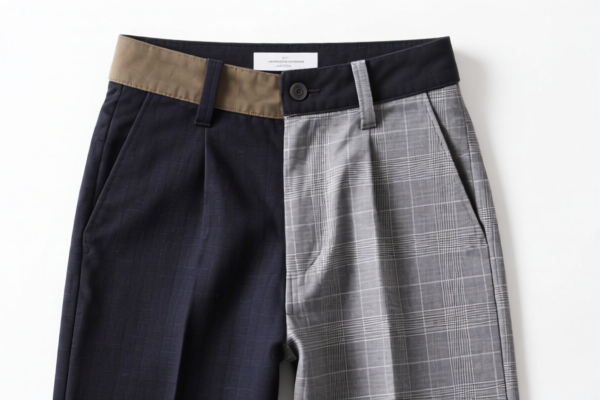
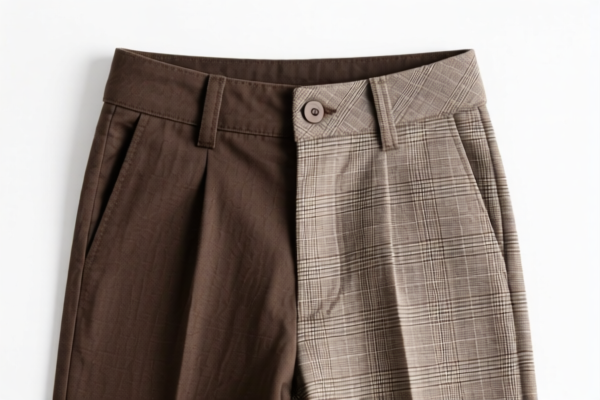
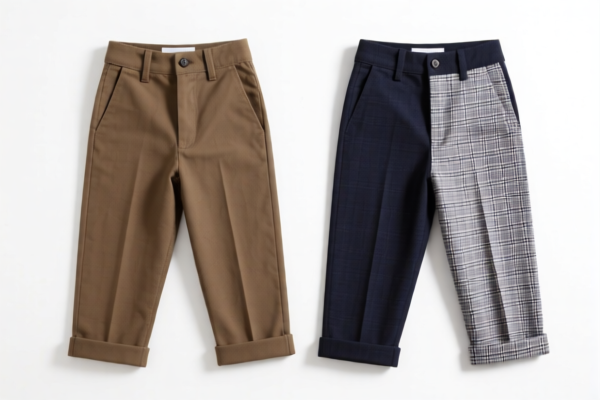
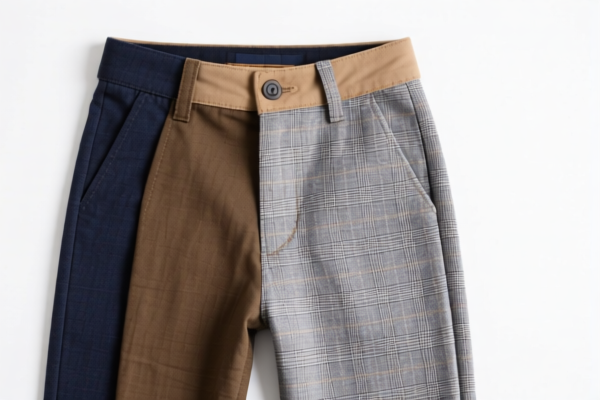
AI Analysis
👕 Boys' Shirts (Other Textile Materials)
🌐 HS Code Reference & Customs Clearance Guide | 2026 Latest Tariff Analysis | Strategic Compliance for "Other Textile Materials"
📌 I. Product Definition: Decoding "Boys' Shirt (Other Textile Materials)"
In the context of US imports, "Boys' Shirts" under Chapter 61 (Knitted/Crocheted) and Chapter 62 (Non-Knitted/Woven) are classified based on construction method and material composition. The phrase "Other Textile Materials" typically excludes: 1. Cotton (Chapter 52) 2. Man-made Fibers (Synthetics like Polyester, Nylon – Chapter 54/55) 3. Wool/Animal Hair (Chapter 51)
Therefore, "Other Textile Materials" usually refers to: * Natural Fibers other than Cotton/Wool: Silk, Linen (Flax), Hemp, Jute, Bamboo fiber (if not classified as man-made), Rayon/Viscose (if considered regenerated cellulose and not "man-made fibers" in specific subheading contexts, though often grouped with synthetics, here it implies exclusion from standard polyester/cotton). * Blends: Where the principal material is not cotton or synthetic fiber.
⚠️ Critical Distinction:
- If the shirt is Knitted/Crocheted → Look to Chapter 61.
- If the shirt is Woven (Non-Knitted) → Look to Chapter 62.
- Plaid/Check Pattern affects HS Code selection in some subheadings, but primarily impacts duty rates if specific rules apply (though here, it's linked to specific HS codes in your data).
📦 II. HS Code Classification Matrix (Based on Provided Data)
| HS Code | Product Description | Construction | Status | Total Tax Rate |
|---|---|---|---|---|
6105.90.80.60 |
Boys' Shirt (Other Textile Materials), Knitted | Knitted/Crocheted | ✅ Match Success | 23.1% |
6206.90.00.40 |
Boys' Shirt (Other Textile Materials), Non-Knitted (Woven) | Woven | ✅ Match Success | 24.2% |
6105.90.10.00 |
Boys' Shirt (Other Textile Materials), Knitted | Knitted/Crocheted | ⚠️ Fallback Category | 32.4% |
6105.90.80.60 |
Boys' Plaid Shirt (Other Textile Materials), Knitted | Knitted/Crocheted | ✅ Match Success | 23.1% |
6105.90.10.00 |
Boys' Plaid Shirt (Other Textile Materials), Knitted | Knitted/Crocheted | ✅ Match Success | 32.4% |
🔍 Key Insight:
- Knitted (6105) generally has a lower base duty (5.6%) than Woven (6206) or Fallback (32.4%). - Woven (6206) has a base duty of 6.7%. - Fallback (6105.90.10.00) has a significantly higher base duty of 14.9%.
💰 III. 2026 Tariff Rate Breakdown (Detailed Analysis)
✅ Applicable Jurisdiction: United States (US)
✅ Origin: China (CN)
✅ Effective Date: As of 2025-2026
🎯 1. 6105.90.80.60 – Knitted Boys' Shirt (Other Materials)
(Including Plaid Variants)
| Item | Details |
|---|---|
| Base Duty | 5.6% |
| Section 301 Add-on Duty | +7.5% |
| 122 Clause Duty | +10% |
| Total Tax Rate | 23.1% |
| Calculation | CIF Value × 23.1% |
| De Minimis Exemption? | ❌ No (Deny De Minimis for Section 301 goods) |
| Legal Authority Path | Section 301: 9903.01.24 + 122 Clause |
📌 Explanation:
- This is the most cost-effective classification for knitted shirts made of "other textile materials." - The Section 301 duty (7.5%) applies to most textile products from China. - The 122 Clause (10%) is an additional tariff imposed on specific textile items.
🎯 2. 6206.90.00.40 – Woven (Non-Knitted) Boys' Shirt (Other Materials)
| Item | Details |
|---|---|
| Base Duty | 6.7% |
| Section 301 Add-on Duty | +7.5% |
| 122 Clause Duty | +10% |
| Total Tax Rate | 24.2% |
| Calculation | CIF Value × 24.2% |
| De Minimis Exemption? | ❌ No |
| Legal Authority Path | Section 301: 9903.01.24 + 122 Clause |
📌 Explanation:
- Woven shirts incur a slightly higher base duty (6.7%) than knitted (5.6%). - Total tax is 24.2%, which is 1.1% higher than the knitted equivalent.
🎯 3. 6105.90.10.00 – Knitted Boys' Shirt (Fallback Category)
(Also applies to Plaid Variants if not matching 6105.90.80.60)
| Item | Details |
|---|---|
| Base Duty | 14.9% |
| Section 301 Add-on Duty | +7.5% |
| 122 Clause Duty | +10% |
| Total Tax Rate | 32.4% |
| Calculation | CIF Value × 32.4% |
| De Minimis Exemption? | ❌ No |
| Legal Authority Path | Section 301: 9903.01.24 + 122 Clause |
📌 Explanation:
- This is a fallback category for knitted shirts that do not meet the specific criteria for6105.90.80.60. - The base duty (14.9%) is almost triple that of the preferred knitted category. - Total tax is 32.4%, making it the most expensive option in this dataset.
🛠️ IV. Customs Clearance Practical Advice (Pitfall Avoidance)
✅ 1. Documentation Checklist (Essential)
| Document | Required? | Purpose |
|---|---|---|
| ✅ Commercial Invoice | ✔️ | Must specify "Boys' Shirt," "Knitted/Woven," and "Other Textile Materials" |
| ✅ Product Specification Sheet | ✔️ | Confirm material composition (e.g., 100% Linen, 100% Silk) to justify "Other" |
| ✅ Fabric Construction Proof | ✔️ | Critical: Provide lab test or weave structure image to prove Knitted vs. Woven. Misclassification here leads to errors. |
| ✅ Pattern Photos | ✔️ | If "Plaid," provide clear images to support 6105.90.80.60 or 6105.90.10.00 |
| ✅ Origin Certificate | ✔️ | Confirm China origin to apply correct Section 301/122 duties |
✅ 2. Classification Strategy (Key Mnemonic)
🔥 "Knit is Cheaper, Woven is Middle, Fallback is Expensive!"
| Scenario | Correct HS Code | Total Tax | Why? |
|---|---|---|---|
| Knitted, Solid/Plaid, Other Materials | 6105.90.80.60 |
23.1% | Preferred match. Lowest base duty (5.6%). |
| Woven, Other Materials | 6206.90.00.40 |
24.2% | Standard for woven. Higher base duty (6.7%). |
| Knitted, Fallback (Not 80.60) | 6105.90.10.00 |
32.4% | Avoid if possible. High base duty (14.9%). |
| Plaid Knitted, Fallback | 6105.90.10.00 |
32.4% | If not matching 80.60, defaults to higher rate. |
⚠️ Critical Warning:
- Do NOT misclassify Woven as Knitted to get the lower 23.1% rate. US CBP uses FTZs (Free Trade Zone) checks and fabric tests to verify construction. - Plaid vs. Solid: In this dataset, both plaid and non-plaid knitted shirts can fall under6105.90.80.60(23.1%) OR6105.90.10.00(32.4%). Ensure your product meets the specific criteria for80.60to avoid the higher tax.
✅ 3. Special Cases & Tips
| Case | Advice |
|---|---|
| Material Composition | Ensure "Other Textile Materials" is accurate. If it's Polyester, it should likely be in a different subheading (not in this dataset). Double-check fiber content. |
| De Minimis (Section 321) | ❌ Not Eligible. All these HS codes are subject to Section 301 and 122 Clause duties, which deny the $800 de minimis exemption. Each shipment must pay full duties. |
| Pre-Ruling | 📌 Highly Recommended. Apply for a Customs Ruling from US CBP to confirm whether your specific plaid/knitted shirt qualifies for 6105.90.80.60 (23.1%) or falls to 6105.90.10.00 (32.4%). |
| Supply Chain | Consider sourcing from non-China countries (e.g., Vietnam, Bangladesh) to avoid Section 301 (7.5%) and 122 Clause (10%) duties, potentially reducing total tax to Base Duty Only. |
🌍 V. Global Market Comparison (2026)
| Country | HS Code | Duty Rate | Notes |
|---|---|---|---|
| 🇺🇸 USA | 6105.90.80.60 |
23.1% | Includes 301 + 122 Clause. High compliance cost. |
| 🇨🇳 China | 6105.90.80.60 |
~5-10% | Varies by domestic trade policies. No 301/122. |
| 🇪🇺 EU | 6105.90 |
~12% | No Section 301. Standard EU Common Customs Tariff. |
| 🇬🇧 UK | 6105.90 |
~12% | Post-Brexit tariffs similar to EU. |
📌 Conclusion:
- USA is the most expensive market due to Section 301 (7.5%) and 122 Clause (10%). - Total tax of 23.1% is still competitive compared to some other categories, but 32.4% (fallback) is prohibitive.
📌 VI. Common Errors & Pitfalls (Lessons Learned)
❌ Error 1: Classifying Woven Shirts as Knitted (6105) to save 1.1%.
👉 Consequence: CBP audits, back taxes, penalties, and shipment delays.
❌ Error 2: Assuming Plaid automatically gets a lower rate.
👉 Consequence: If Plaid doesn't meet 6105.90.80.60 criteria, it falls to 6105.90.10.00 (32.4%). Verify eligibility!
❌ Error 3: Using De Minimis for Small Parcels.
👉 Consequence: Denied. Section 301 goods are excluded from $800 exemption. Expect full duty payment.
❌ Error 4: Incorrect Material Description.
👉 Consequence: If "Other Textile Materials" is inaccurate (e.g., it's actually Cotton), the HS Code is wrong, leading to incorrect duty calculation and potential fraud allegations.
✅ Correct Approach:
"Boys' Knitted Shirt, 100% Linen, Plaid Pattern, Model XYZ, Landed in China, Intended for US Import."
🎯 VII. Conclusion: Strategic Classification for Cost Savings
🎯 Remember the Rule:
🔹 "Knitted (80.60) = 23.1% | Woven (6206) = 24.2% | Fallback (10.00) = 32.4%"
🔹 "Verify Fabric Construction: Knit vs. Woven is the First Step."
🔹 "Avoid Fallback: 9.3% Tax Difference is Significant!"
📌 Pro Tip:
If your product is not 100% "Other Textile Materials" (e.g., it's Polyester), do NOT use these HS Codes. Check Chapter 61/62 for Man-Made Fiber subheadings.
Apply for a Pre-Ruling to confirm if your plaid knitted shirt qualifies for6105.90.80.60.
📣 Immediate Action:
📞 Consult Customs Broker + Provide Fabric Swatch + Request HS Code Pre-Ruling
🚀 Save 9.3% Tax by Avoiding Fallback Classification!
✨ Accurate Classification Starts with Precision!
💼 Every Percent Counts in International Trade!
Customer Reviews
About HS Code Classification
The Harmonized System (HS) is an internationally standardized nomenclature developed by the World Customs Organization (WCO) to classify traded products. Over 200 countries use the HS system as the basis for customs tariffs, trade statistics, and import/export regulations.
Each HS code follows a hierarchical structure:
- Chapter (2 digits) — Broad category of goods (e.g., Chapter 84: Machinery and Mechanical Appliances)
- Heading (4 digits) — More specific grouping within the chapter
- Subheading (6 digits) — Internationally standardized breakdown, used by all WCO member countries
- National subdivisions (8-10 digits) — Country-specific extensions for further classification, such as US HTSUS 10-digit codes
Correct HS code classification is essential for smooth customs clearance, accurate duty payment, and compliance with trade regulations. Misclassification can lead to customs delays, overpayment of duties, or penalties.
When importing from CN to US, the applicable tariff rates may include:
- Most-Favored-Nation (MFN) rate — The standard duty rate applied to WTO members
- General rate — Applied to countries without trade agreements
- Trade remedy duties — Additional tariffs such as Section 301 (anti-dumping), Section 232 (national security), or countervailing duties
The information provided on this page is for reference purposes only. For official classification, please consult with your local customs authority or a licensed customs broker.