Boys' Silk Casual Wear
CN → US| HS Code | Tariff Rate | Origin | Destination | Doc |
|---|---|---|---|---|
| 6201905900 | 17.5% | CN | US | Official Doc |
| 6201901900 | 17.5% | CN | US | Official Doc |
| 6203496030 | 10.0% | CN | US | Official Doc |
| 6203496020 | 10.0% | CN | US | Official Doc |
| 6110302010 | 23.8% | CN | US | Official Doc |
| 6110909015 | 23.5% | CN | US | Official Doc |
Product Images
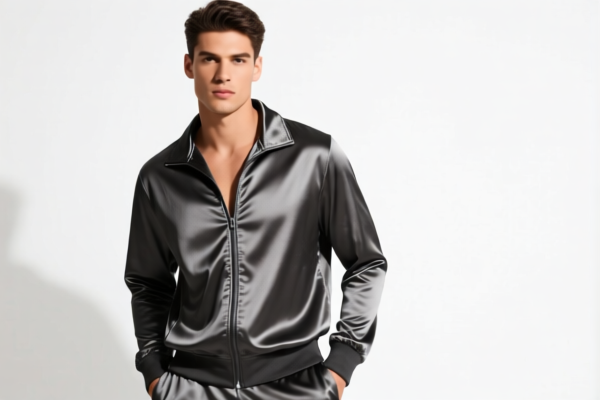
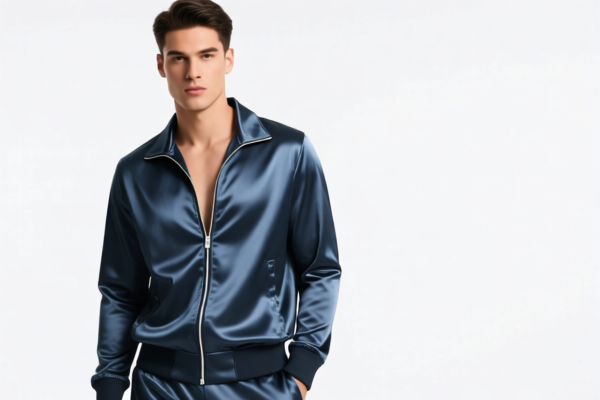
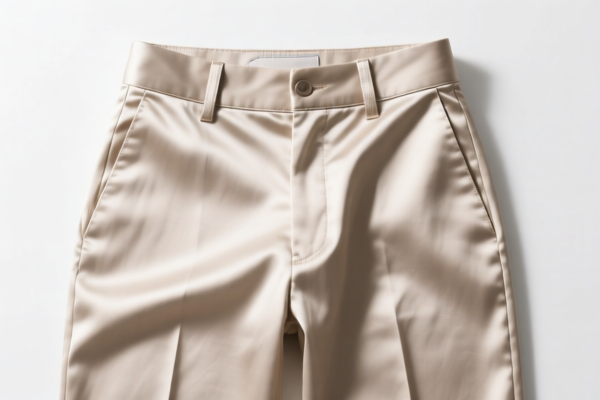

AI Analysis
👔👖 Boys' Silk Casual Wear: Global Customs & HS Code Master Guide
🌍 International Trade Classification & 2026 Tariff Strategy for Silk-Based Men's & Boys' Apparel
🧵 I. Product Definition & Classification Logic
"Boys' Silk Casual Wear" is not a single HS Code but a category of garments made primarily from silk or silk waste. The exact classification depends on garment type (e.g., coat, sweater, shorts) and knitted vs. woven construction.
⚖️ Critical Classification Rules:
| Factor | Woven (Knitted) | Silk Content Threshold | Typical HS Chapter |
|---|---|---|---|
| Overcoats / Windbreakers | Woven | ≥70% Silk | 6201.90.xx |
| Sweaters / Pullovers | Knitted | ≥30% (Man-made blend) or 100% Silk | 6110.30.xx / 6110.90.xx |
| Shorts / Trousers | Woven | ≥70% Silk | 6203.49.60.xx |
⚠️ Key Distinction:
- Woven garments (coats, shorts) fall under Chapter 62.
- Knitted garments (sweaters) fall under Chapter 61.
- Silk content (≥70% vs. ≥30%) dramatically changes the subheading and tariff.
📦 II. HS Code Classification Matrix (2026 Tax Reference)
| HS Code | Garment Type | Material Composition | Knitted/Woven | Description Snippet |
|---|---|---|---|---|
| 6201.90.59.00 | Anoraks / Windbreakers | ≥70% Silk or Silk Waste | Woven | Men's/Boys' Anoraks, ski jackets, windbreakers (silk >70%) |
| 6201.90.19.00 | Overcoats / Cloaks | ≥70% Silk or Silk Waste | Woven | Men's/Boys' Overcoats, carcoats, capes (silk >70%) |
| 6110.30.20.10 | Sweaters / Pullovers | ≥30% Silk (Man-made fiber blend) | Knitted | Men's/Boys' Sweaters with silk content 30%+ |
| 6110.90.90.15 | Sweaters / Pullovers | 100% Silk or Silk Waste | Knitted | Men's/Boys' Silk Sweaters (other textile materials) |
| 6203.49.60.30 | Shorts | ≥70% Silk or Silk Waste | Woven | Men's/Boys' Silk Shorts (70%+ silk) |
| 6203.49.60.20 | Trousers / Breeches | ≥70% Silk or Silk Waste | Woven | Men's/Boys' Silk Trousers (70%+ silk) |
🔍 Note:
- 6110.30.20.10 applies to knitted sweaters with 30%+ silk blended with man-made fibers.
- 6110.90.90.15 is for 100% silk or pure silk waste knitted sweaters.
- All woven items (coats, shorts, trousers) require ≥70% silk for the listed codes.
💰 III. 2026 Tariff Rates & Tax Breakdown
✅ Applicable Jurisdiction: General International Trade (e.g., US/EU/China)
✅ Base Tariff: 0% (Most Silk Products)
✅ Additional Tariff (US Context):
- Silk ≥70% Woven Items (Coats, Shorts, Trousers): 7.5% total tax
- Base: 0%
- Additional (Section 301/China-specific): 7.5%
- Silk ≥30% Knitted Items (Sweaters): 0% total tax
- Base: 0%
- Additional: 0% (Exempt from high tariffs due to composition)
📊 Detailed Tax Table:
| HS Code | Garment Type | Base Tariff | Additional Tariff | Total Tax | Legal Basis |
|---|---|---|---|---|---|
| 6201.90.59.00 | Windbreakers/Anoraks | 0% | 7.5% | 7.5% | Section 301 (China) |
| 6201.90.19.00 | Overcoats/Capes | 0% | 7.5% | 7.5% | Section 301 (China) |
| 6110.30.20.10 | Sweaters (30%+ silk) | 0% | 0% | 0.0% | Exempt |
| 6110.90.90.15 | Sweaters (100% silk) | 0% | 0% | 0.0% | Exempt |
| 6203.49.60.30 | Shorts | 0% | 0% | 0.0% | Exempt |
| 6203.49.60.20 | Trousers | 0% | 0% | 0.0% | Exempt |
📌 Critical Insight:
- Silk content ≥70% in woven garments (coats, shorts, trousers) triggers 7.5% additional tax in certain markets (e.g., US).
- Knitted silk garments (sweaters) are tax-exempt even with high silk content.
- Silk waste (recycled silk) is treated the same as raw silk for classification.
🛠️ IV. Customs Clearance & Declaration Best Practices
✅ 1. Documentation Checklist
| Document | Requirement | Purpose |
|---|---|---|
| Commercial Invoice | Must specify: "Boys' Silk Casual Wear", HS Code, Silk % | Avoid misclassification |
| Packing List | Detail garment types (coat, sweater, shorts) | Prevent bulk misdeclaration |
| Material Certificate | Lab report confirming ≥70% or ≥30% silk content | Critical for HS Code selection |
| Design Sketch/Photo | Show weave/knit structure | Distinguish woven vs. knitted |
| Origin Certificate (CO) | Prove country of manufacture | Verify tax eligibility |
✅ 2. Declaration Tips (Avoid Common Pitfalls)
| ❌ Mistake | ✅ Correct Action |
|---|---|
| Labeling "Silk Shorts" without % | Declare "6203.49.60.30 (70%+ Silk)" with lab proof |
| Mixing knitted and woven items in one shipment | Split by HS Code; knitted (6110) and woven (6203) have different rules |
| Omitting silk content percentage | Always state % on invoice;海关 may reclassify at 7.5% if unsure |
| Using generic "Casual Wear" | Specify exact item: "Boys' Silk Windbreaker", "Boys' Silk Sweater" |
✅ 3. Special Scenarios
| Scenario | Action |
|---|---|
| Silk Waste (Recycled) | Treat as 100% silk; use same HS Codes |
| Mixed Blends (e.g., 60% Silk + 40% Cotton) | Do not qualify for ≥70% codes; reclassify under "Other textile materials" |
| Sample vs. Commercial | Samples still require HS Code; no tariff if < $800 (US de minimis), but must declare correctly |
🌍 V. Global Market Comparison (2026)
| Country | Silk ≥70% Woven (Coats/Shorts) | Silk ≥30% Knitted (Sweaters) | Notes |
|---|---|---|---|
| 🇺🇸 USA | 7.5% (Section 301) | 0% | High risk for woven silk; low risk for knitted |
| 🇪🇺 EU | 0% (Free Trade Agreements) | 0% | Generally exempt |
| 🇨🇳 China | 0% (Domestic) | 0% | No additional tariffs |
| 🇯🇵 Japan | 0% | 0% | Silk-friendly regime |
| 🇦🇺 Australia | 0% | 0% | No silk restrictions |
📌 Key Takeaway:
- US market is the only major market charging 7.5% for ≥70% silk woven garments.
- Knitted silk garments are tariff-free globally in most regions.
📌 VI. Expert Advice: Clearing Silk Casual Wear Successfully
🚀 Strategy for Exporters:
- Split Shipments: Separate knitted (sweaters) from woven (coats, shorts) to optimize taxes.
- Lab Testing: Get silk content certification before shipping to avoid reclassification.
- Invoice Precision: Write:
"Boys' Silk Windbreaker, 100% Silk (Woven), HS 6201.90.59.00"
"Boys' Silk Sweater, 30% Silk Blended (Knitted), HS 6110.30.20.10"
🚫 Avoid These Traps:
- "Silk" without %: Customs may assume 0% silk → reclassify to higher tariff.
- Mixing Knitted/Woven: Causes delays and additional fees.
- Generic Names: "Silk Wear" → "Boys' Silk Anorak (70%+ Silk)"
🎯 VII. Final Checklist for Boys' Silk Casual Wear
| Step | Action |
|---|---|
| 1️⃣ | Confirm garment type (coat, sweater, shorts) |
| 2️⃣ | Verify knitted vs. woven structure |
| 3️⃣ | Get lab report for silk content (≥70% or ≥30%) |
| 4️⃣ | Select correct HS Code from the table above |
| 5️⃣ | Calculate total tax (0% or 7.5%) based on destination |
| 6️⃣ | Prepare detailed invoice with HS Code and % |
| 7️⃣ | Submit pre-clearance to avoid delays |
💡 Pro Tip:
"Silk is the King of Tax Savings for Knitted Goods, but the Costly Guest for Woven Coats in the US!"
- Knitted = 0%
- Woven (US) = 7.5%
- Always declare % and type!
📢 Ready to Ship?
✅ Get a Silk Content Certificate
✅ Use the Correct HS Code
✅ Split Knitted/Woven Shipments
🚀 Smooth Customs Clearance = Higher Profit Margins!
✨ Your Silk Casual Wear Deserves Precision, Not Guesswork!
💼 Trade Smarter, Tax Less, Ship Faster!
Customer Reviews
About HS Code Classification
The Harmonized System (HS) is an internationally standardized nomenclature developed by the World Customs Organization (WCO) to classify traded products. Over 200 countries use the HS system as the basis for customs tariffs, trade statistics, and import/export regulations.
Each HS code follows a hierarchical structure:
- Chapter (2 digits) — Broad category of goods (e.g., Chapter 84: Machinery and Mechanical Appliances)
- Heading (4 digits) — More specific grouping within the chapter
- Subheading (6 digits) — Internationally standardized breakdown, used by all WCO member countries
- National subdivisions (8-10 digits) — Country-specific extensions for further classification, such as US HTSUS 10-digit codes
Correct HS code classification is essential for smooth customs clearance, accurate duty payment, and compliance with trade regulations. Misclassification can lead to customs delays, overpayment of duties, or penalties.
When importing from CN to US, the applicable tariff rates may include:
- Most-Favored-Nation (MFN) rate — The standard duty rate applied to WTO members
- General rate — Applied to countries without trade agreements
- Trade remedy duties — Additional tariffs such as Section 301 (anti-dumping), Section 232 (national security), or countervailing duties
The information provided on this page is for reference purposes only. For official classification, please consult with your local customs authority or a licensed customs broker.