Boys' Ski Pants
CN → US| HS Code | Tariff Rate | Origin | Destination | Doc |
|---|---|---|---|---|
| 6112201060 | 45.7% | CN | US | Official Doc |
| 6112202010 | 25.8% | CN | US | Official Doc |
| 6211201525 | 24.6% | CN | US | Official Doc |
| 6112201060 | 45.7% | CN | US | Official Doc |
| 6112201090 | 45.7% | CN | US | Official Doc |
Product Images

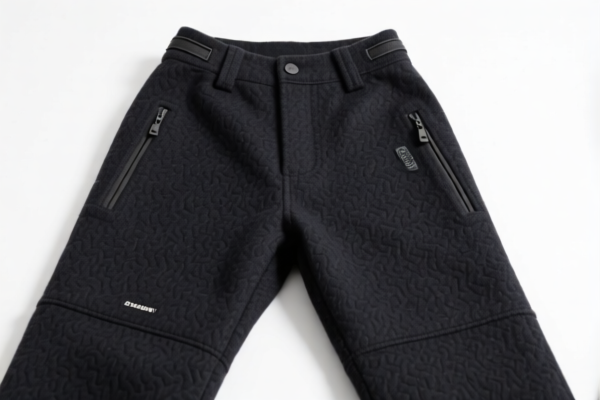
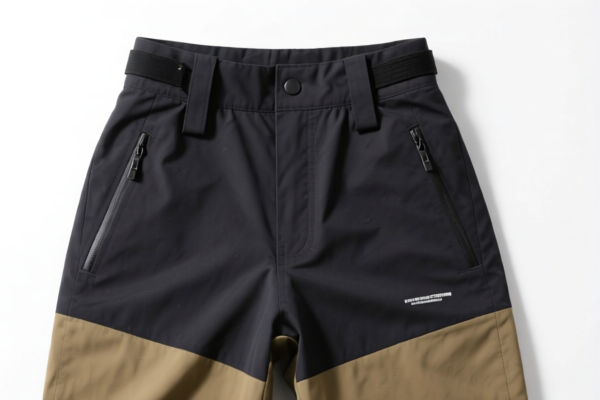

AI Analysis
🎿 Boys' Ski Pants: The Ultimate 2026 HS Code & Tax Guide
🌐 Global Trade Authority | 2026 Tariff Breakdown | Professional Customs Clearance Strategy
📌 I. Product Definition & Classification: Are Your "Ski Pants" Really "Ski Pants"?
Boys' Ski Pants are specialized outerwear designed for winter sports, offering waterproof, windproof, and insulated protection. However, in international trade, material composition and manufacturing method dictate the HS Code and tax rate. Misclassification can lead to penalties, delayed shipments, and unexpected costs.
The Two Critical Categories: 1. Knitted/Man-Made Fiber Ski Pants: Typically stretchy, elastic, and often used for high-mobility sports. (HS: 6112.20...) 2. Woven/Synthetic Fiber Ski Pants: Durable, non-stretch, often made of Nylon or Polyester. (HS: 6211.20...)
⚠️ Key Differentiator:
- If the fabric is Knitted (looped structure, stretchy) → Chapter 61
- If the fabric is Woven (interlaced threads, durable) → Chapter 62
- Material Matters: "Man-made" (Synthetic) vs. "Cotton" vs. "Other" determines the specific sub-code.
📦 II. HS Code Classification Matrix (2026 Tariff Reference)
| HS Code | Product Description | Material Type | Category | Total Tax (US from China) |
|---|---|---|---|---|
6112.20.10.60 |
Boys' Knitted Ski Pants (Man-made fiber) | Knitted, Synthetic/Artificial | Long Pants / Breeches | 45.7% |
6112.20.20.10 |
Boys' Ski Pants (Cotton or Synthetic) | Cotton or Synthetic | Other Categories | 25.8% |
6211.20.15.25 |
Woven Ski Pants (Non-Cotton: Nylon/Poly) | Woven, Synthetic (Polyester/Nylon) | Pants / Breeches | 24.6% |
6112.20.10.90 |
Knitted Ski Pants (Man-made fiber) | Artificial/Synthetic | Ski Outfit Bottoms | 45.7% |
6112.20.10.60 |
Ski Pants (Knitted/Artificial Fiber) | Knitted, Man-made | Ski Outfit Bottoms | 45.7% |
🔍 Critical Insight:
- Knitted (6112) pants attract ~45.7% tax if made of synthetic/man-made fibers.
- Woven (6211) pants attract ~24.6% tax if made of non-cotton synthetics.
- Cotton blends (6112.20.20.10) offer a lower rate at 25.8%, but pure cotton ski pants are rare in performance gear.
💰 III. 2026 Tariff Rate Breakdown (China → US)
✅ Country of Origin: China (CN)
✅ Destination: United States (US)
✅ Effective Date: 2025–2026 (Current Policy)
✅ Tax Components: Base Tariff + Section 301 (Add-on) + Section 122 (China Specific)
🎯 1. High-Tax Scenario: 6112.20.10.60 / 6112.20.10.90 (Knitted/Synthetic)
Most common for high-performance, stretchy boys' ski pants.
| Tax Component | Rate | Legal Basis | Explanation |
|---|---|---|---|
| Base Tariff | 28.2% | USITC Base Rates | Standard duty for "Men's/Knitted Ski Trousers". |
| Section 301 (Add-on) | +7.5% | US Trade Law | Retaliatory tariff on specific textile categories. |
| Section 122 (China) | +10.0% | US Trade Act | Additional "122" tariff specifically targeting China-origin ski apparel. |
| 🚀 TOTAL TAX | 45.7% | High Impact | Total Duty = CIF Value × 45.7% |
📌 Why it hurts:
- This applies to Knitted pants made of Man-made fibers (Polyester, Nylon, Spandex blends).
- No De Minimis exemption applies.
- Risk: If you misclassify as "Woven", you face severe penalties.
🎯 2. Low-Tax Scenario: 6112.20.20.10 (Cotton or Synthetic)
Less common for ski wear, but possible for casual winter pants.
| Tax Component | Rate | Legal Basis | Explanation |
|---|---|---|---|
| Base Tariff | 8.3% | USITC Base Rates | Reduced base duty for cotton/specific synthetic blends. |
| Section 301 (Add-on) | +7.5% | US Trade Law | Retaliatory tariff. |
| Section 122 (China) | +10.0% | US Trade Act | Additional "122" tariff. |
| 🚀 TOTAL TAX | 25.8% | Moderate Impact | Total Duty = CIF Value × 25.8% |
🎯 3. Woven Scenario: 6211.20.15.25 (Nylon/Polyester Woven)
Traditional durable ski pants.
| Tax Component | Rate | Legal Basis | Explanation |
|---|---|---|---|
| Base Tariff | 7.1% | USITC Base Rates | Lower base duty for woven trousers. |
| Section 301 (Add-on) | +7.5% | US Trade Law | Retaliatory tariff. |
| Section 122 (China) | +10.0% | US Trade Act | Additional "122" tariff. |
| 🚀 TOTAL TAX | 24.6% | Lowest Impact | Total Duty = CIF Value × 24.6% |
📌 Why it saves money:
- Woven structures often carry lower base duties than Knitted synthetic ones.
- The 122% and 301% add-ons remain the same, but the base is significantly lower.
🛠️ IV. Customs Clearance Strategy & Action Plan
✅ 1. Required Documentation (The "Must-Haves")
| Document | Requirement | Why It Matters |
|---|---|---|
| ✅ Fabric Composition Label | Critical | Must explicitly state: "100% Polyester" or "85% Nylon, 15% Spandex" and Knitted vs. Woven. |
| ✅ Technical Specification Sheet | Critical | Must include weave/knit type (e.g., "Ripstop Woven" vs. "Jersey Knit"). |
| ✅ Product Photos | High Priority | Show the texture (knitted loops vs. woven threads) and any waterproof membranes. |
| ✅ Certificate of Origin | Mandatory | Proves origin is China (CN) to confirm 122% tariff applicability. |
| ✅ Commercial Invoice | Mandatory | Must clearly state "Boys' Ski Pants" and HS Code. |
✅ 2. Declaration Best Practices (Avoid the "45.7% Trap")
🔥 The Golden Rule: "Material & Method First!"
- Step 1: Determine if the fabric is Knitted or Woven.
- Step 2: Identify the Primary Material (Man-made vs. Cotton).
- Step 3: Match to the Correct HS Code.
| Scenario | Correct HS Code | Tax Rate | Wrong Code Consequence |
|---|---|---|---|
| Knitted, Synthetic | 6112.20.10.60 |
45.7% | If declared as Woven (6211) → Audit & Penalty |
| Woven, Nylon/Poly | 6211.20.15.25 |
24.6% | If declared as Knitted (6112) → Overpaying |
| Cotton Blend | 6112.20.20.10 |
25.8% | Rare for ski pants; verify material content. |
✅ 3. Special Handling Tips
| Situation | Recommendation |
|---|---|
| Stretchy Ski Pants | Likely Knitted → Expect 45.7% tax unless Cotton content is high. |
| Hardshell Ski Pants | Likely Woven → Check for 24.6% rate (Nylon/Polyester). |
| Mixed Materials | If >50% Man-made, use 6112 or 6211. If Cotton >50%, use 6112.20.20.10. |
| Sample vs. Bulk | Ensure bulk production matches the sample's material type exactly. |
🌍 V. Global Market Comparison (2026)
| Market | Typical Tax (China Origin) | Key Constraint |
|---|---|---|
| 🇺🇸 USA | 24.6% – 45.7% | Section 122 is active; strict material scrutiny. |
| 🇪🇺 EU | ~12–16% | No Section 122; standard EU duty rates apply. |
| 🇯🇵 Japan | ~6–8% | Lower base rates; no Section 301/122. |
| 🇨🇦 Canada | ~10–12% | CUSMA benefits if manufactured in North America. |
📌 Conclusion: The US market is the most expensive for Chinese boys' ski pants due to Section 122 and Section 301 tariffs. Woven pants (
6211) offer the best value.
📌 VI. Common Pitfalls & Red Flags
❌ Pitfall 1: Misclassifying Knitted as Woven
👉 Result: Underpayment → Customs Audit → Back taxes + Fines.
✅ Fix: Use fabric swatches to verify weave type.
❌ Pitfall 2: Ignoring the "122" Tariff
👉 Result: Unexpected 10% cost increase.
✅ Fix: Always add 10% to your base + 301 calculation for US imports from China.
❌ Pitfall 3: Vague Descriptions
👉 Result: "Ski Pants" is not enough. Must specify "Knitted/Synthetic" or "Woven/Nylon".
✅ Fix: Use full description in Commercial Invoice: "Boys' Ski Pants, 100% Polyester, Knitted, Waterproof, Model XYZ".
🎯 VII. Final Strategy Summary
🔹 "Know your Knit/Woven" → This is the single biggest factor in your tax rate.
🔹 "Man-made = High Tax" → Knitted synthetic ski pants will cost 45.7% duty.
🔹 "Woven = Low Tax" → Woven nylon/polyester ski pants will cost 24.6% duty.
🔹 "Check Section 122" → Always add 10% to your final cost calculation for US imports from China.
📌 Pro Tip:
If you can switch from Knitted to Woven fabrics for your boys' ski pants, you can save 21.1% in total duty costs.
Action: Contact your fabric supplier immediately to switch to Woven Nylon/Polyester (Ripstop or Taffeta) for future production runs.
📣 Next Steps:
1. Verify your current fabric type (Knit vs. Woven).
2. Re-calculate landed cost based on 24.6% (Woven) vs. 45.7% (Knitted).
3. Update your product descriptions and HS codes in the Commercial Invoice.
4. Consult a licensed customs broker to confirm your specific material classification.
✨ Clear Customs, Maximize Profit!
💼 Every percentage point of tax saved is a percentage point of profit gained!
Customer Reviews
About HS Code Classification
The Harmonized System (HS) is an internationally standardized nomenclature developed by the World Customs Organization (WCO) to classify traded products. Over 200 countries use the HS system as the basis for customs tariffs, trade statistics, and import/export regulations.
Each HS code follows a hierarchical structure:
- Chapter (2 digits) — Broad category of goods (e.g., Chapter 84: Machinery and Mechanical Appliances)
- Heading (4 digits) — More specific grouping within the chapter
- Subheading (6 digits) — Internationally standardized breakdown, used by all WCO member countries
- National subdivisions (8-10 digits) — Country-specific extensions for further classification, such as US HTSUS 10-digit codes
Correct HS code classification is essential for smooth customs clearance, accurate duty payment, and compliance with trade regulations. Misclassification can lead to customs delays, overpayment of duties, or penalties.
When importing from CN to US, the applicable tariff rates may include:
- Most-Favored-Nation (MFN) rate — The standard duty rate applied to WTO members
- General rate — Applied to countries without trade agreements
- Trade remedy duties — Additional tariffs such as Section 301 (anti-dumping), Section 232 (national security), or countervailing duties
The information provided on this page is for reference purposes only. For official classification, please consult with your local customs authority or a licensed customs broker.