Boys' Sports Underpants of Other Textile Materials
CN → US| HS Code | Tariff Rate | Origin | Destination | Doc |
|---|---|---|---|---|
| 6107199000 | 23.1% | CN | US | Official Doc |
| 6107191000 | 10.9% | CN | US | Official Doc |
| 6207191000 | 19.2% | CN | US | Official Doc |
| 6114900560 | 29.5% | CN | US | Official Doc |
| 6207199030 | 20.5% | CN | US | Official Doc |
Product Images


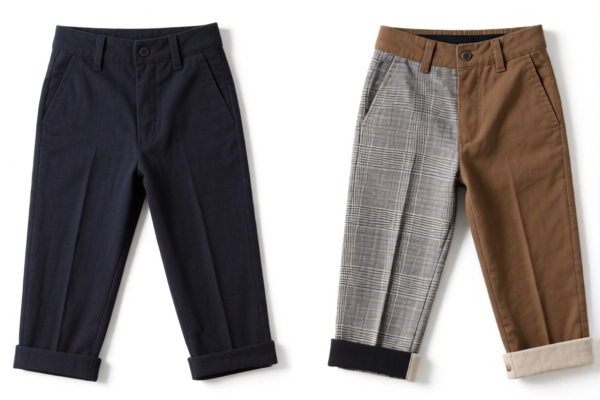
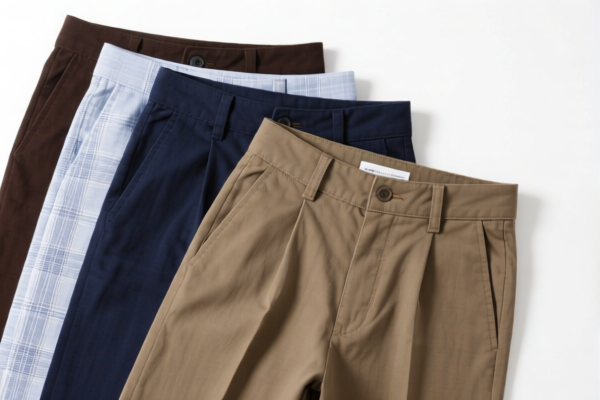
AI Analysis
🩳 Boys' Sports Underpants of Other Textile Materials
🌐 HS Code Reference & Customs Clearance Guide | 2026 Latest Tariff Analysis | Professional Entry Strategy
📌 I. Product Definition & Classification: What Exactly Are "Boys' Sports Underpants"?
In international trade, Boys' Sports Underpants are categorized under Chapter 61 (Knitted) and Chapter 62 (Woven), depending on the fabric construction. The term "Other Textile Materials" implies materials that are not cotton, wool, silk, or man-made fibers classified specifically (e.g., blends or synthetic fabrics not explicitly listed in other subheadings).
Critical Distinction:
- Knitted vs. Woven:
- Knitted (Chapter 61): Stretchy, seamless, or jersey-style underwear (e.g., 6107.19, 6114.90).
- Woven (Chapter 62): Structured, non-stretch fabric (e.g., 6207.19).
⚠️ Key Determinant for Classification:
- If the garment is knitted (elastic, stretchy) → 6107.19 / 6114.90
- If the garment is woven (structured, non-stretch) → 6207.19
- Seamless Construction: If the product is "seamless" (knitted tube with no side seams), it may fall under 6114.90 or 6207.19, depending on fabric.
📦 II. HS Code Classification Breakdown (2026 Latest Tariff)
| HS Code | Product Description | Material Type | Construction | Key Tariff Factor |
|---|---|---|---|---|
6107.19.90.00 |
Men's Underpants of Other Textile Materials (Knitted) | Other Textile Materials | Knitted, Seamed | ✅ High Tariff (23.1%) |
6107.19.10.00 |
Men's Underpants of Other Textile Materials (Knitted) | Other Textile Materials | Knitted, Seamed | ✅ Low Tariff (10.9%) |
6207.19.10.00 |
Men's Underpants of Other Textile Materials (Woven) | Other Textile Materials | Woven | ✅ Medium-High Tariff (19.2%) |
6114.90.05.60 |
Men's Seamless Underpants of Other Textile Materials (Knitted) | Other Textile Materials | Seamless, Knitted | ✅ Highest Tariff (29.5%) |
6207.19.90.30 |
Men's Seamless Underpants of Other Textile Materials (Woven) | Other Textile Materials | Seamless, Woven | ✅ Medium Tariff (20.5%) |
🔍 Note:
- 6107.19.90.00 vs. 6107.19.10.00: Both are knitted, but the sub-classification depends on the specific textile material (e.g., 6107.19.10 may be for specific "other" materials like bamboo/organic blends, while 6107.19.90 is a catch-all).
- Seamless vs. Seamed: Seamless garments often attract higher tariffs (e.g., 6114.90.05.60 at 29.5%) due to perceived higher processing value.
- All entries apply to "Boys'" but are classified under "Men's" (HS Code Chapter 61/62 uses "Men's" as the broader category).
💰 III. 2026 Latest Tariff Rate Breakdown (Including Additional Taxes)
✅ Target Market: USA
✅ Origin: China (CN)
✅ Effective Date: 2025–2026 (Current Policy)
✅ Applicable Laws: Section 301, 122 Tariff, USITC Add-on Taxes
🎯 1. 6107.19.90.00 – Knitted Men's Underpants (Other Materials)
| Item | Content |
|---|---|
| Base Tariff | 5.6% |
| Section 301 Add-on | +7.5% |
| 122 Tariff | +10% |
| Total Tariff | 23.1% |
| Tax Calculation | CIF × 23.1% |
| De Minimis Exemption | ❌ Not Applicable |
| Legal Basis | 301:6107.19.90.00 → 122:6107.19.90.00 |
📌 Explanation:
- 5.6% is the standard USITC duty for knitted underwear.
- 7.5% is the Section 301 tariff for Chinese textile imports.
- 10% is the 122 Tariff (specific to certain textile categories).
- Total 23.1% is a significant cost driver for knitted "other material" underwear.
🎯 2. 6107.19.10.00 – Knitted Men's Underpants (Other Materials, Specific)
| Item | Content |
|---|---|
| Base Tariff | 0.9% |
| Section 301 Add-on | +0.0% |
| 122 Tariff | +10% |
| Total Tariff | 10.9% |
| Tax Calculation | CIF × 10.9% |
| De Minimis Exemption | ❌ Not Applicable |
| Legal Basis | 301:6107.19.10.00 → 122:6107.19.10.00 |
📌 Explanation:
- This code benefits from a low base tariff (0.9%) and no Section 301 tax, making it much cheaper than6107.19.90.00.
- Likely applies to specific materials (e.g., organic cotton blends, bamboo, or other "other" materials with preferential treatment).
🎯 3. 6207.19.10.00 – Woven Men's Underpants (Other Materials)
| Item | Content |
|---|---|
| Base Tariff | 1.7% |
| Section 301 Add-on | +7.5% |
| 122 Tariff | +10% |
| Total Tariff | 19.2% |
| Tax Calculation | CIF × 19.2% |
| De Minimis Exemption | ❌ Not Applicable |
| Legal Basis | 301:6207.19.10.00 → 122:6207.19.10.00 |
📌 Explanation:
- Woven garments have a lower base tariff (1.7%) than knitted, but still face the Section 301 (7.5%) + 122 (10%) add-ons.
🎯 4. 6114.90.05.60 – Seamless Knitted Men's Underpants (Other Materials)
| Item | Content |
|---|---|
| Base Tariff | 12.0% |
| Section 301 Add-on | +7.5% |
| 122 Tariff | +10% |
| Total Tariff | 29.5% |
| Tax Calculation | CIF × 29.5% |
| De Minimis Exemption | ❌ Not Applicable |
| Legal Basis | 301:6114.90.05.60 → 122:6114.90.05.60 |
📌 Explanation:
- Highest tariff (29.5%) due to "seamless" classification + high base rate (12.0%).
- Critical: Seamless construction often triggers additional scrutiny and higher duties.
🎯 5. 6207.19.90.30 – Seamless Woven Men's Underpants (Other Materials)
| Item | Content |
|---|---|
| Base Tariff | 10.5% |
| Section 301 Add-on | +0.0% |
| 122 Tariff | +10% |
| Total Tariff | 20.5% |
| Tax Calculation | CIF × 20.5% |
| De Minimis Exemption | ❌ Not Applicable |
| Legal Basis | 122:6207.19.90.30 |
📌 Explanation:
- No Section 301 tax (0.0%), but high base tariff (10.5%) and 122 tariff (10%).
- Still cheaper than seamless knitted (6114.90.05.60), but more expensive than non-seamless woven.
🛠️ IV. Customs Clearance Practical Advice (Avoid Pitfalls)
✅ 1. Essential Documentation Checklist
| Document | Required? | Purpose |
|---|---|---|
| ✅ Product Spec Sheet | ✔️ | Must specify knitted vs. woven, seamless vs. seamed, and material composition (e.g., "95% Polyester, 5% Spandex"). |
| ✅ Technical Drawing/Photos | ✔️ | Show construction (e.g., seamless vs. seamed) to justify HS Code. |
| ✅ Material Certificate | ✔️ | Confirm "Other Textile Materials" (not cotton/silk/wool). |
| ✅ Commercial Invoice | ✔️ | Must list HS Code explicitly (e.g., 6107.19.90.00). |
| ✅ Packing List | ✔️ | Confirm quantity, size, and packaging. |
| ✅ Country of Origin | ✔️ | China triggers 301 + 122 tariffs; avoid misdeclaring origin. |
✅ 2. Declaration Strategy (Golden Rules)
🔥 "Seamless = Higher Tax, Knitted > Woven, Material Matters!"
| Scenario | Correct Declaration | Incorrect Declaration |
|---|---|---|
| Knitted, seamed, "other material" | 6107.19.90.00 (23.1%) |
Declare as 6107.19.10.00 (10.9%) → Risk of penalty |
| Seamless, knitted | 6114.90.05.60 (29.5%) |
Declare as 6107.19.10.00 → Underpayment |
| Woven, seamed | 6207.19.10.00 (19.2%) |
Declare as 6207.19.90.30 → Overpayment |
| "Other Material" = Bamboo/Organic | Check if qualifies for 6107.19.10.00 (10.9%) |
Assume it's 6107.19.90.00 (23.1%) |
⚠️ Critical Warning:
- Seamless construction is a major red flag for customs. Always provide proof (e.g., technical diagrams, supplier statements).
- "Other Textile Materials" must be explicitly defined. If the material is cotton (even 95%), it may fall under 6107.11 (not in this list).
✅ 3. Special Scenarios
| Scenario | Recommendation |
|---|---|
| OEM Customization | Provide design sketches + material specs to prove "seamless" or "other material". |
| Blended Materials | If cotton < 5%, classify as "other material". If cotton > 5%, may need different HS Code. |
| Sports-Specific Design | No special tariff benefit. Still classified under 6107.19 or 6207.19. |
| Avoiding 122 Tariff | Some codes (e.g., 6107.19.10.00) have 0% Section 301, but still face 122. No way to avoid 122 unless origin is non-China. |
🌍 V. Global Market Comparison (2026)
| Country | Recommended HS Code | Tariff | Certifications | Notes |
|---|---|---|---|---|
| 🇺🇸 USA | 6107.19.90.00 |
23.1% (China) | None | 29.5% for seamless knitted |
| 🇪🇺 EU | 6107.19.90.00 |
0%–8% | CE + REACH | No 301/122 taxes |
| 🇨🇳 China | 6107.19.90.00 |
5% | CCC | No extra taxes |
| 🇬🇧 UK | 6107.19.90.00 |
8% | UKCA | Post-Brexit rules |
| 🇯🇵 Japan | 6107.19.90.00 |
0%–7% | PSE | No 301/122 |
📌 Conclusion:
- USA is the only market with Section 301 + 122 tariffs for Chinese-made "other material" underwear.
- Seamless knitted (6114.90.05.60) is most expensive in the US (29.5%).
- Woven seamless (6207.19.90.30) is cheaper (20.5%) but still high.
📌 VI. Common Mistakes & Pitfalls (Lessons Learned)
❌ Mistake 1: Declaring "seamless" as "seamed" to avoid 29.5% tariff
👉 Consequence: 10% penalty + back taxes + customs hold.
❌ Mistake 2: Using "Other Material" without defining composition
👉 Consequence: Customs may reclassify as cotton (6107.11) or man-made fibers (6107.12), changing the tariff.
❌ Mistake 3: Assuming "boys'" = different HS Code than "men's"
👉 Consequence: All children's underwear under 61/62 is classified under "Men's". No distinction.
✅ Correct Approach:
"Boys' Sports Underpants, Knitted, 95% Polyester/5% Spandex, Seamless, Model XYZ, HS Code: 6114.90.05.60, Origin: China, CIF Value: $10,000 → Duty: $2,950 (29.5%)"
🎯 VII. Conclusion: Precision is Profit!
🎯 Remember:
🔹 "Seamless = High Tax, Material = Critical, Knitted > Woven in Risk"
🔹 "HS Code = Duty, 301/122 = Extra Pain, Origin = Key"
🔹 "Declare 'Other Material' = Prove Composition, Avoid Misclassification!"
📌 Pro Tip:
If your "Other Textile Material" is bamboo, organic, or recycled, check if it qualifies for 6107.19.10.00 (10.9%) instead of 6107.19.90.00 (23.1%). This can save 12.2% in tariffs!
📣 Immediate Action Plan:
📞 Contact Customs Broker + Submit Material Certificate + Request HS Code Pre-Ruling
🚀 Avoid 29.5% tax, save 12%+, and clear customs smoothly!
✨ Precision Classification = Lower Costs + Faster Clearance!
💼 Every dollar saved on tariffs is pure profit!
Customer Reviews
About HS Code Classification
The Harmonized System (HS) is an internationally standardized nomenclature developed by the World Customs Organization (WCO) to classify traded products. Over 200 countries use the HS system as the basis for customs tariffs, trade statistics, and import/export regulations.
Each HS code follows a hierarchical structure:
- Chapter (2 digits) — Broad category of goods (e.g., Chapter 84: Machinery and Mechanical Appliances)
- Heading (4 digits) — More specific grouping within the chapter
- Subheading (6 digits) — Internationally standardized breakdown, used by all WCO member countries
- National subdivisions (8-10 digits) — Country-specific extensions for further classification, such as US HTSUS 10-digit codes
Correct HS code classification is essential for smooth customs clearance, accurate duty payment, and compliance with trade regulations. Misclassification can lead to customs delays, overpayment of duties, or penalties.
When importing from CN to US, the applicable tariff rates may include:
- Most-Favored-Nation (MFN) rate — The standard duty rate applied to WTO members
- General rate — Applied to countries without trade agreements
- Trade remedy duties — Additional tariffs such as Section 301 (anti-dumping), Section 232 (national security), or countervailing duties
The information provided on this page is for reference purposes only. For official classification, please consult with your local customs authority or a licensed customs broker.