Boys' Striped Shirt Other Textile Materials
CN → US| HS Code | Tariff Rate | Origin | Destination | Doc |
|---|---|---|---|---|
| 6205202021 | 37.2% | CN | US | Official Doc |
| 6205302020 | 0.0% | CN | US | Official Doc |
| 6206900040 | 24.2% | CN | US | Official Doc |
| 6105901000 | 32.4% | CN | US | Official Doc |
| 6105908060 | 23.1% | CN | US | Official Doc |
Product Images
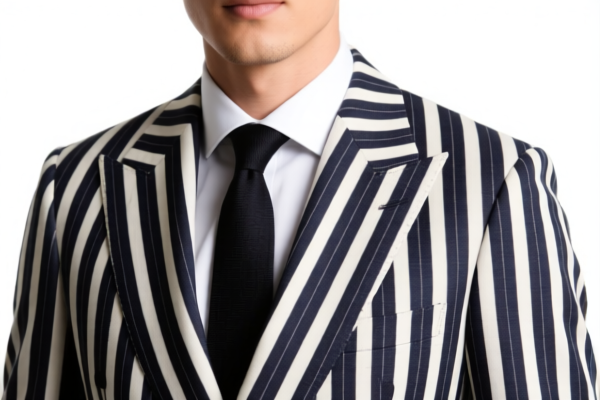
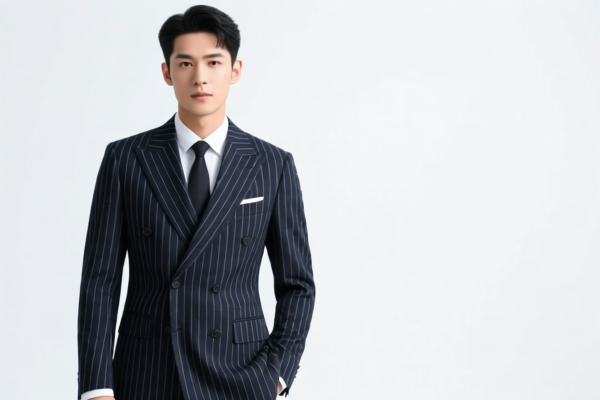
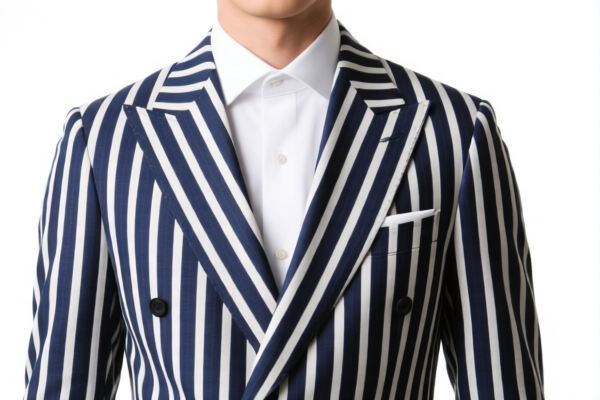
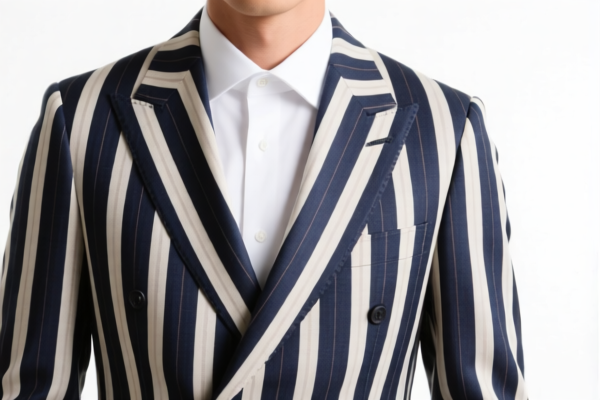
AI Analysis
👕 Boys' Striped Shirt (Other Textile Materials)
🌐 HS Code Reference & Customs Clearance Guide | 2026 Latest Tariff Analysis | Professional Clearance Strategy
📌 I. Product Definition & Classification: Which "Textile" is Your Shirt Made Of?
A "Boys' Striped Shirt" is a classic apparel item. However, under US Customs regulations, the material composition is the single most critical factor determining the HS Code and, consequently, the tariff rate. The category "Other Textile Materials" is a residual classification used when the shirt is NOT made of: 1. Cotton (Hardest hit by specific high tariffs) 2. Synthetic Fibers (Polyester, Nylon, etc. - often have different base rates) 3. Wool/Fine Animal Hair
⚠️ Key Distinction:
- If the shirt is 100% Cotton or cotton-blend → It falls under 6205.20. - If the shirt is Synthetic (e.g., Polyester) → It falls under 6205.30 or 6105.90 depending on construction (knitted vs. woven). - If the shirt is "Other" (e.g., Linen, Hemp, Rayon/Viscose, Blends not classified above) → It falls under 6206.90 or 6105.90.
📦 II. HS Code Classification Details (2026 Latest Tariff Authority Match)
The data provided maps specific HS Codes to the product description "Boys' Striped Shirt". Below is the authoritative breakdown based on material inference and product morphology.
| HS Code | Product Description & Summary | Key Classification Logic |
|---|---|---|
6205.20.20.21 |
Boys' Striped Shirt (Cotton) Summary: Boys' striped shirt, inferred cotton material, matching gender, form, and striped features. |
Cotton Content: Primary material is cotton. Type: Woven. |
6205.30.20.20 |
Boys' Striped Shirt (Synthetic Fibers) Summary: Boys' striped shirt, matching gender, form, and striped features, material inferred as synthetic fiber products. |
Synthetic Content: Primary material is synthetic (e.g., polyester). Type: Woven. |
6206.90.00.40 |
Boys' Shirt (Other Textile Materials) Summary: Boys' shirt (other textile materials), matching form and material, fits the "Other" category non-cotton, non-wool, non-synthetic. |
Other Material: Linen, Viscose, Hemp, or specific blends. Type: Woven. |
6105.90.10.00 |
Boys' Shirt (Other Textile Materials) Summary: Boys' shirt (other textile materials), matching form and use, material fits non-wool/fine animal hair categories. |
Knitted/Crocheted: Likely knitted fabric (Jersey, etc.). Material: Other than wool/silk. |
6105.90.80.60 |
Boys' Shirt (Other Textile Materials) Summary: Boys' shirt (other textile materials), matching form, use, and material, fully fits "Other Textile Materials" category. |
Knitted/Crocheted: Final "Other" sub-category for knitted shirts. Material: Other than wool/silk. |
🔍 Critical Note on "Other Textile Materials":
- Woven (Chapter 62): If the shirt is woven fabric and NOT cotton/poly, it likely falls under 6206.90. - Knitted (Chapter 61): If the shirt is knitted (like a T-shirt style) and NOT synthetic/cotton, it falls under 6105.90. - The choice between6105.90.10.00and6105.90.80.60depends on specific sub-classification rules for "Other" knitted shirts.
💰 III. 2026 Latest Tariff Rate Breakdown (Including Surcharges & Policy Add-ons)
✅ Applicable Country: United States (US)
✅ Origin: China (CN)
✅ Effective Time: 2025/2026 (Current US Trade Policy)
📌 Note: All "Total Tax" percentages include Base Rate + Section 301 Surcharges + Section 122 Tariffs.
🎯 1. 6205.20.20.21 – Boys' Striped Shirt (Cotton)
| Item | Content |
|---|---|
| Base Duty | 19.7% |
| Section 301 Surcharge | 7.5% |
| Section 122 Tariff | 10% |
| Total Tax Rate | 37.2% |
| Calculation Method | CIF Value × 37.2% |
| De Minimis Exemption? | ❌ NO (Deny De Minimis for China-origin apparel) |
| Legal Basis Path | HTSUS:6205.20.20.21 → USITC Section 301 → IEEPA Section 122 |
📌 Explanation:
- Cotton apparel from China faces heavy tariffs. - 37.2% is a very high effective duty rate. - This category is strictly regulated to protect domestic textile industries.
🎯 2. 6205.30.20.20 – Boys' Striped Shirt (Synthetic Fibers)
| Item | Content |
|---|---|
| Base Duty | 29.1¢/kg + 25.9% (Ad Valorem) |
| Section 301 Surcharge | 7.5% |
| Section 122 Tariff | 10% |
| Total Tax Rate | ~43.4% + Specific Duty |
| Calculation Method | (CIF Value × 25.9%) + Specific Duty + Surcharges |
| De Minimis Exemption? | ❌ NO |
| Legal Basis Path | HTSUS:6205.30.20.20 → USITC Section 301 → IEEPA Section 122 |
📌 Explanation:
- Synthetic woven shirts have a mixed duty structure (Specific + Ad Valorem). - 29.1 cents per kilogram is added to the ad valorem rate. - Total burden is significant due to combined base, 301, and 122 tariffs.
🎯 3. 6206.90.00.40 – Boys' Shirt (Other Woven Textiles)
| Item | Content |
|---|---|
| Base Duty | 6.7% |
| Section 301 Surcharge | 7.5% |
| Section 122 Tariff | 10% |
| Total Tax Rate | 24.2% |
| Calculation Method | CIF Value × 24.2% |
| De Minimis Exemption? | ❌ NO |
| Legal Basis Path | HTSUS:6206.90.00.40 → USITC Section 301 → IEEPA Section 122 |
📌 Explanation:
- This is one of the more favorable options if your shirt is made of "Other" materials (like Linen or Rayon) and is woven. - 24.2% is significantly lower than the cotton (37.2%) and synthetic (43.4%) rates. - Strategy: If possible, ensure the material composition fits this "Other" category (e.g., 100% Linen, Hemp, or specific non-cotton/non-poly blends).
🎯 4. 6105.90.10.00 – Boys' Shirt (Knitted, Other Materials)
| Item | Content |
|---|---|
| Base Duty | 14.9% |
| Section 301 Surcharge | 7.5% |
| Section 122 Tariff | 10% |
| Total Tax Rate | 32.4% |
| Calculation Method | CIF Value × 32.4% |
| De Minimis Exemption? | ❌ NO |
| Legal Basis Path | HTSUS:6105.90.10.00 → USITC Section 301 → IEEPA Section 122 |
📌 Explanation:
- Applies to Knitted shirts made of other textiles (not wool/silk). - 32.4% is a mid-range tariff. Lower than cotton woven, but higher than "Other Woven".
🎯 5. 6105.90.80.60 – Boys' Shirt (Knitted, Other Materials - Final Subcat)
| Item | Content |
|---|---|
| Base Duty | 5.6% |
| Section 301 Surcharge | 7.5% |
| Section 122 Tariff | 10% |
| Total Tax Rate | 23.1% |
| Calculation Method | CIF Value × 23.1% |
| De Minimis Exemption? | ❌ NO |
| Legal Basis Path | HTSUS:6105.90.80.60 → USITC Section 301 → IEEPA Section 122 |
📌 Explanation:
- The Lowest Tariff Option! - If the shirt is Knitted (not woven) and made of "Other" textiles (not wool, silk, cotton, or synthetic), it falls here. - 23.1% is the most cost-effective classification for "Other Textile Materials" boys' shirts. - Key: Ensure the fabric is knitted (e.g., jersey knit) and not woven.
🛠️ IV. Customs Clearance Practical Advice (Avoid Pitfalls)
✅ 1. Material Declaration is Critical
| Scenario | Correct HS Code | Wrong HS Code | Consequence |
|---|---|---|---|
| 100% Linen Woven Shirt | 6206.90.00.40 (24.2%) |
6205.20.20.21 (37.2%) |
Overpay 13%+ |
| 100% Rayon Knitted Shirt | 6105.90.80.60 (23.1%) |
6205.30.20.20 (43.4%) |
Overpay 20%+ |
| Cotton Blended Shirt | 6205.20.20.21 (37.2%) |
6105.90.80.60 (23.1%) |
Undeclared, Penalties! |
| Polyester Shirt | 6205.30.20.20 or 6105.xxxx |
6206.90.00.40 (24.2%) |
Misclassification, Audit Risk |
🔥 "Know Your Fabric, Save Your Dollar!"
✅ 2. Documentation Checklist
| Document | Requirement | Purpose |
|---|---|---|
| Commercial Invoice | Must list 100% Material Composition (e.g., "100% Linen Woven") | Determines Base Duty Rate |
| Packing List | Match invoice details | Physical verification |
| Fabric Mill Certificate | Optional but recommended | Proves material origin and type |
| Photos of Product | Show fabric texture (Woven vs. Knitted) | Helps distinguish Chapter 61 vs 62 |
| Labeling | "Made in China" clearly visible | Required for Section 122 & 301 applicability |
✅ 3. Special Notes on "Other Textile Materials"
- "Other" Does Not Mean "Unknown": You must specify the material (e.g., Linen, Hemp, Viscose). If you cannot prove it is not Cotton/Synthetic/Wool, Customs may default to the highest-duty category.
- Knitted vs. Woven: Check the fabric structure.
- Woven (interlaced threads) → Chapter 62 (
6205.xxxxor6206.xxxx). - Knitted/Crocheted (looped threads) → Chapter 61 (
6105.xxxx).
- Woven (interlaced threads) → Chapter 62 (
- Section 122 Tariff (10%): Applies to all apparel imports from China under this policy. Cannot be avoided.
- Section 301 Tariff (7.5% - 25%): Applies to most textiles from China.
🌍 V. Global Market Comparison (2026)
| Country/Region | Recommended HS Code | Base Rate | US Surcharges | Total Estimate |
|---|---|---|---|---|
| 🇺🇸 USA | 6105.90.80.60 (Best for Other) |
5.6% | +17.5% (301+122) | 23.1% |
| 🇪🇺 EU | 6105.90 | 12% | 0% | 12% |
| 🇨🇳 China | 6105.90 | 9.5% | 0% | 9.5% |
| 🇬🇧 UK | 6105.90 | 12% | 0% | 12% |
📌 Conclusion:
- The US market is the most expensive due to Section 301 and Section 122 tariffs. - European/Asian markets have significantly lower duties for "Other Textile" shirts. - Strategy: If targeting the US, consider material substitution (e.g., switch from Cotton to Linen/Rayon if fashion permits) to utilize the lower 23.1% rate (6105.90.80.60).
📌 VI. Common Mistakes & Pitfalls (Blood & Tears Lessons)
❌ Mistake 1: Declaring "Polyester Shirt" as "Other Textile Materials" to get 23.1%
👉 Result: Customs Audit, Penalty, and Retention. Polyester is explicitly listed under 6205.30 or 6105.40+.
❌ Mistake 2: Confusing Woven and Knitted
👉 Result: Misclassification. A woven shirt declared as knitted (6105) will be rejected.
✅ Fix: Check the fabric sample. Does it unravel in a straight line (Knitted) or require seam ripping (Woven)?
❌ Mistake 3: Ignoring the "Striped" Feature
👉 Result: No direct tariff impact, but accurate description helps Customs clear faster.
✅ Fix: Always include "Striped" in the product description for clarity.
❌ Mistake 4: Assuming De Minimis (Section 321) Applies
👉 Result: NO De Minimis for China-origin apparel. All shipments, regardless of value, are subject to duties.
🎯 VII. Conclusion: Smart Classification, Lower Costs
🎯 Remember the Rule of Thumb:
🔹 "Knitted + Other = 23.1% (Best)" (
6105.90.80.60)
🔹 "Woven + Other = 24.2% (Good)" (6206.90.00.40)
🔹 "Cotton = 37.2% (Expensive)" (6205.20.20.21)
🔹 "Synthetic = 43.4%+ (Very Expensive)" (6205.30.20.20)
📌 Pro Tip:
If your product is Knitted and made of Rayon, Linen, or Hemp, you can achieve the lowest possible tariff rate of 23.1% in the US market. Ensure your fabric supplier provides accurate material certifications.
📣 Immediate Action:
📞 Consult your customs broker with fabric swatches.
📝 Declare exact material composition (e.g., "100% Linen Woven" or "100% Viscose Knitted").
🚀 Save up to 14% in duties by choosing the right "Other Textile" classification!
✨ Precision Classification Starts Here!
💼 Every Percent Saved is Pure Profit!
Customer Reviews
About HS Code Classification
The Harmonized System (HS) is an internationally standardized nomenclature developed by the World Customs Organization (WCO) to classify traded products. Over 200 countries use the HS system as the basis for customs tariffs, trade statistics, and import/export regulations.
Each HS code follows a hierarchical structure:
- Chapter (2 digits) — Broad category of goods (e.g., Chapter 84: Machinery and Mechanical Appliances)
- Heading (4 digits) — More specific grouping within the chapter
- Subheading (6 digits) — Internationally standardized breakdown, used by all WCO member countries
- National subdivisions (8-10 digits) — Country-specific extensions for further classification, such as US HTSUS 10-digit codes
Correct HS code classification is essential for smooth customs clearance, accurate duty payment, and compliance with trade regulations. Misclassification can lead to customs delays, overpayment of duties, or penalties.
When importing from CN to US, the applicable tariff rates may include:
- Most-Favored-Nation (MFN) rate — The standard duty rate applied to WTO members
- General rate — Applied to countries without trade agreements
- Trade remedy duties — Additional tariffs such as Section 301 (anti-dumping), Section 232 (national security), or countervailing duties
The information provided on this page is for reference purposes only. For official classification, please consult with your local customs authority or a licensed customs broker.