Boys' Suit Viscose Shirt
CN → US| HS Code | Tariff Rate | Origin | Destination | Doc |
|---|---|---|---|---|
| 6205302040 | 0.0% | CN | US | Official Doc |
| 6105202030 | 49.5% | CN | US | Official Doc |
| 6105202020 | 49.5% | CN | US | Official Doc |
| 6205302080 | 0.0% | CN | US | Official Doc |
| 6203292050 | 0.0% | CN | US | Official Doc |
Product Images
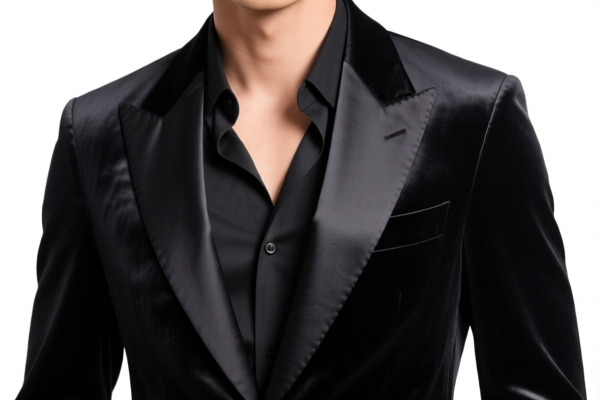
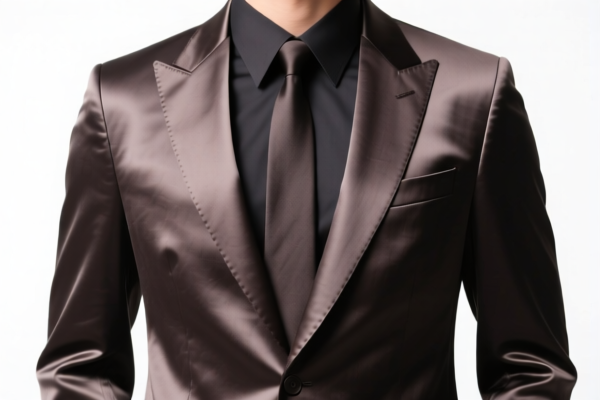
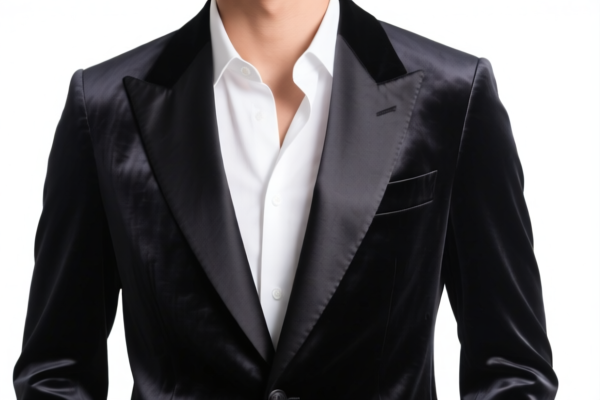
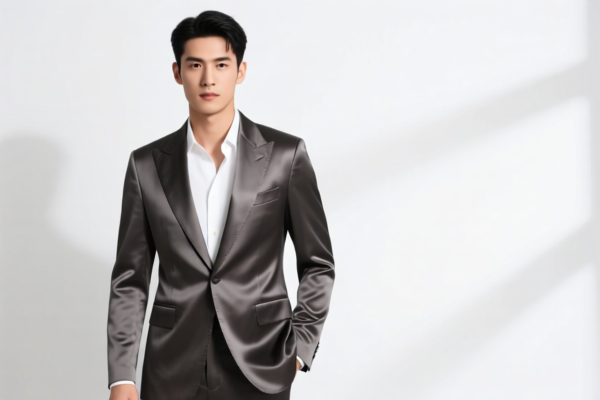
AI Analysis
👔 Boys' Suit Viscose Shirt (男童西装衬衫)
🌐 HS Code Reference & Customs Clearance Guide | 2026 Latest Tariff Analysis | Professional Clearance Strategy
📌 I. Product Definition & Classification: Is It a "Suit Jacket" or a "Shirt"?
A "Boys' Suit Viscose Shirt" refers to a formal or semi-formal shirt specifically designed for boys, made from Viscose (a type of Rayon/Artificial Fiber). In international trade, the critical distinction lies in whether the garment is part of a suit ensemble or classified as a standalone shirt.
Key Distinction Points: * Standalone Shirt: If the item is sold alone or as part of a set but classified under "Shirts" rather than "Suits," it generally falls under HS 6205 (Men's/Boys' shirts of other textile materials) or HS 6105 (Men's/Boys' shirts of knitted or crocheted fabric). * Ensemble/Suit Definition: If the garment is part of a suit ensemble (jacket + trousers + vest/shirt), specific rules apply (see HS 6203.29.20.50 below). * Material: Viscose is classified as "Artificial Fiber" (Man-made fibers). It is not synthetic polyester or nylon, nor is it natural cotton or wool.
⚠️ Critical Classification Note:
- Weave matters: Woven shirts (most common for suits) typically fall under HS 6205. Knitted shirts fall under HS 6105.
- "Suit Shirt" vs. "Shirt": If declared as a "Suit Shirt," it may still be classified as a shirt (6205/6105) unless it is part of a complete suit ensemble.
- Viscose Classification: Always classified under "Of Artificial Fibers" (人造纤维).
📦 II. HS Code Classification Details (2026 Latest Tariff Authority Reference)
Based on the provided data, here are the potential HS Codes for Boys' Viscose Shirts, categorized by fabric structure and specific declaration details:
| HS Code | Product Description | Applicable Scenario | Fabric Type | Woven/Knit? |
|---|---|---|---|---|
| 6205.30.20.40 | Boys' Suit Shirt, Viscose (Artificial Fiber) | Formal suit shirts, woven, specifically defined as "Suit Shirt" | Artificial Fiber (Viscose) | ✅ Woven |
| 6205.30.20.80 | Boys' Shirt, Viscose (Chemical Fiber/Artificial) | General boys' shirts, woven, classified under "Other" features | Artificial Fiber (Viscose) | ✅ Woven |
| 6105.20.20.30 | Boys' Shirt, Viscose (Artificial Fiber) | Knitted or crocheted boys' shirts, casual or semi-formal | Artificial Fiber (Viscose) | ❌ Knitted/Crocheted |
| 6105.20.20.20 | Boys' Shirt, Viscose (Artificial Fiber) | Knitted boys' shirts, meeting specific material/shape/usage criteria | Artificial Fiber (Viscose) | ❌ Knitted/Crocheted |
| 6203.29.20.50 | Boys' Ensemble Shirt (Part of Suit) | Part of a suit ensemble, rate applicable if separated | Artificial Fiber (Viscose) | ✅ Woven |
🔍 Key Clarification:
- 6205 vs. 6105:
- 6205 is for Woven shirts (non-knitted). Most "Suit Shirts" are woven.
- 6105 is for Knitted/Crocheted shirts (e.g., polo shirts, T-shirts, or soft casual shirts).
- Viscose is "Artificial Fiber": In US tariff schedules, Viscose falls under "Man-made fibers" (Subheading 30).
- 6203.29.20.50 applies only if the shirt is part of a suit ensemble (jacket+pants+shirt). If sold separately, it does not qualify for this code.
💰 III. 2026 Latest Tariff Rate Details (Including Additional Taxes & Policy Surcharges)
✅ Applicable Country: United States (US)
✅ Country of Origin: China (CN)
✅ Effective Date: Ongoing (Post-2025 policy adjustments)
🎯 1. Woven Boys' Suit Shirts (HS 6205.30.20.40 & 6205.30.20.80)
These codes apply to woven boys' shirts made of viscose (artificial fiber).
| Item | Details |
|---|---|
| Base Tariff | 29.1¢/kg + 25.9% (Specific + Ad Valorem) |
| Section 301 Tariff | +7.5% (Additional tariff on Chinese goods) |
| Section 122 Tariff | +10% (Specific to certain Chinese textile/apparel items) |
| Total Tax Rate | 29.1¢/kg + 25.9% + 7.5% + 10% = 29.1¢/kg + 43.4% |
| Tax Calculation | (Weight in kg × 29.1¢) + (CIF Value × 43.4%) |
| De Minimis Exemption | ❌ Not Applicable (High tariff rate disqualifies from de minimis) |
| Legal Basis Path | HTS:6205.30.20.40/80 → Section 301: 7.5% → Section 122: 10% |
📌 Explanation:
- Base Rate: The combination of specific duty (per kg) and ad valorem (percentage) is unique to certain woven artificial fiber shirts.
- Section 301 (7.5%): Standard additional tariff on Chinese-origin goods.
- Section 122 (10%): A specific surcharge applied to certain apparel items from China, often triggered by trade policy adjustments.
- Total Burden: This is a high-cost classification. Importers must calculate both weight-based and value-based taxes.
🎯 2. Knitted Boys' Shirts (HS 6105.20.20.30 & 6105.20.20.20)
These codes apply to knitted or crocheted boys' shirts made of viscose.
| Item | Details |
|---|---|
| Base Tariff | 32.0% (Ad Valorem only) |
| Section 301 Tariff | +7.5% |
| Section 122 Tariff | +10% |
| Total Tax Rate | 32.0% + 7.5% + 10% = 49.5% |
| Tax Calculation | CIF Value × 49.5% |
| De Minimis Exemption | ❌ Not Applicable |
| Legal Basis Path | HTS:6105.20.20.20/30 → Section 301: 7.5% → Section 122: 10% |
📌 Note:
- Flat Percentage: Unlike the 6205 codes, there is no per-kg specific duty.
- Total Burden: 49.5% is a very high effective tariff rate.
- Fabric Distinction: Ensure the shirt is truly knitted (stretchy, looped structure) to use this code. Woven shirts misclassified here will face penalties.
🎯 3. Boys' Suit Ensemble Shirt (HS 6203.29.20.50)
This code applies if the shirt is part of a suit ensemble (e.g., sold with a jacket and trousers).
| Item | Details |
|---|---|
| Base Tariff | Rate applicable to each garment if separated (Usually aligns with 6205 or 6105) |
| Section 301 Tariff | +7.5% |
| Section 122 Tariff | +10% |
| Total Tax Rate | Varies (Same as 6205/6105 + 17.5% additional surcharges) |
| Tax Calculation | Based on individual garment rates + 17.5% total surcharge |
| De Minimis Exemption | ❌ Not Applicable |
| Legal Basis Path | HTS:6203.29.20.50 → Section 301: 7.5% → Section 122: 10% |
📌 Warning:
- "Rate if Separated": Even if sold as a suit, customs may assess tariffs as if each piece (shirt, pants, jacket) were imported separately.
- Complexity: This code requires strict proof of "ensemble" status (same fabric, same design, sold together). If not properly documented, it may be reclassified to standard shirt codes (6205/6105) with potential penalties for misdeclaration.
🛠️ IV. Customs Clearance Practical Advice (Real-World Pitfall Avoidance Guide)
✅ 1. Documentation Checklist (Non-Negotiable)
| Document | Required | Description |
|---|---|---|
| ✅ Product Specification Sheet | ✔️ | Must specify: Fabric = 100% Viscose (or blended), Weave Type (Woven/Knitted), Age Group (Boys) |
| ✅ Fabric Content Label | ✔️ | Clear tag stating "Viscose" or "Rayon" (Artificial Fiber) |
| ✅ Product Photos | ✔️ | Show collar, cuffs, buttons, and fabric texture to prove woven vs. knitted |
| ✅ Commercial Invoice | ✔️ | Declare as "Boys' Viscose Shirt, Woven/Knitted, For Formal/Casual Wear" |
| ✅ HS Code Declaration | ✔️ | Explicitly state the HTSUS code (e.g., 6205.30.20.40) |
| ✅ Origin Certificate | ✔️ | Confirm China origin to apply correct Section 301/122 rates |
| ✅ Ensemble Proof (if applicable) | ✔️ | For HS 6203.29.20.50: Show jacket + pants + shirt sold as a set |
✅ 2. Declaration Tips (Key Mnemonics)
🔥 "Woven is 6205, Knitted is 6105, Viscose is Artificial, Section 122 Adds 10%!"
| Scenario | Correct Declaration | Incorrect Practice |
|---|---|---|
| Woven Suit Shirt | HS 6205.30.20.40 or 6205.30.20.80 | Misdeclare as cotton (0% base) → Penalty + Back Taxes |
| Knitted Polo Shirt | HS 6105.20.20.30 | Misdeclare as woven → Classification Error |
| Suit Ensemble | HS 6203.29.20.50 (with proof) | Declare as separate shirts → Higher total tax (if jacket/pants have lower rates) |
| Viscose Content | Declare as "Artificial Fiber" | Declare as "Synthetic" (may lead to wrong subheading) |
| "Suit Shirt" Term | Use only if part of ensemble | Using "Suit Shirt" for standalone shirt → No tax benefit, only confusion |
✅ 3. Special Handling Cases
| Scenario | Recommendation |
|---|---|
| Viscose/Spandex Blend | If <85% viscose, may still fall under artificial fiber subheadings, but check specific HTS notes |
| OEM/Private Label | Provide customer PO and design specs to prove "Boys' Suit Shirt" intent |
| Small Package (De Minimis) | ❌ Do not attempt de minimis for HS 6205/6105 with Section 122 tariffs. Rates are too high, and enforcement is strict. |
| Multi-Color Packs | Declare each color if HS codes differ; otherwise, declare as "Assorted Colors" under primary code |
| Returns/Re-exports | Ensure original HS code is maintained to avoid re-assessment of duties |
🌍 V. Global Market Comparison (2026 Latest)
| Country/Region | Recommended HS Code | Tariff (China Origin) | Certification Required | Notes |
|---|---|---|---|---|
| 🇺🇸 USA | 6205.30.20.40 / 6105.20.20.30 |
43.4% (Woven) / 49.5% (Knitted) | None (but label must be accurate) | High Section 122 surcharge |
| 🇨🇳 China | 6205.30.20 / 6105.20.20 |
8-13% | CCC (if applicable) | No Section 301/122 |
| 🇪🇺 EU | 6205.30 / 6105.20 |
8-12% | CE (if marketed as safety wear) | No extra US-style tariffs |
| 🇬🇧 UK | 6205.30 / 6105.20 |
8-12% | UKCA | Post-Brexit rules apply |
| 🇨🇦 Canada | 6205.30 / 6105.20 |
8-14% | CBSA compliance | No Section 122 equivalent |
📌 Conclusion:
- USA is the most expensive market for Boys' Viscose Shirts due to Section 301 + Section 122 tariffs.
- China, EU, UK, Canada have significantly lower base tariffs and no additional punitive surcharges.
- Strategy: If targeting the US, consider cost absorption or supply chain diversification (e.g., Vietnam, Bangladesh) to avoid Section 122 tariffs.
📌 VI. Common Mistakes & Pitfalls (Lessons Learned)
❌ Mistake 1: Declaring Viscose as "Synthetic" without specifying "Artificial"
👉 Consequence: Customs may reject the declaration or apply wrong base rates.
✅ Fix: Always use "Artificial Fiber" or "Viscose/Rayon" in description.
❌ Mistake 2: Misclassifying Woven shirts as Knitted (6105) to avoid specific duties
👉 Consequence: Audit failure, penalties, and back taxes. Woven shirts have lower base % but add specific weight-based tax.
✅ Fix: Accurately identify fabric structure (Woven vs. Knitted).
❌ Mistake 3: Ignoring Section 122 Tariff (10%)
👉 Consequence: Underpayment of duties, leading to seizures or fines.
✅ Fix: Always add 10% for Section 122 on Chinese apparel.
❌ Mistake 4: Using "Suit Shirt" for standalone items
👉 Consequence: No tax benefit, only delays.
✅ Fix: Declare as "Boys' Woven Shirt" or "Boys' Knitted Shirt" unless part of an ensemble.
🎯 VII. Conclusion: Precision in Classification Saves Money!
🎯 Remember the Key Rules:
🔹 "Woven = 6205, Knitted = 6105"
🔹 "Viscose = Artificial Fiber"
🔹 "China Origin = 7.5% (Sec 301) + 10% (Sec 122)"
🔹 "Total Tax: Woven ~43.4%, Knitted ~49.5%"🔹 "HS Code Determines Cost, Accuracy Prevents Fines!"
📌 Pro Tip:
If your shipment value is high, pre-apply for an Advance Ruling with US Customs (CBP) to confirm the correct HS Code and tariff rate. This avoids post-import audits and unexpected bills.
📣 Immediate Action:
📞 Contact Your Broker + Verify Fabric Content + Confirm Woven/Knitted Status
🚀 Ensure Compliance, Avoid Delays, Maximize Profit Margins!
✨ Professional Clearance Starts with Accurate Classification!
💼 Every Percent of Tariff Counts in Your Bottom Line!
Customer Reviews
About HS Code Classification
The Harmonized System (HS) is an internationally standardized nomenclature developed by the World Customs Organization (WCO) to classify traded products. Over 200 countries use the HS system as the basis for customs tariffs, trade statistics, and import/export regulations.
Each HS code follows a hierarchical structure:
- Chapter (2 digits) — Broad category of goods (e.g., Chapter 84: Machinery and Mechanical Appliances)
- Heading (4 digits) — More specific grouping within the chapter
- Subheading (6 digits) — Internationally standardized breakdown, used by all WCO member countries
- National subdivisions (8-10 digits) — Country-specific extensions for further classification, such as US HTSUS 10-digit codes
Correct HS code classification is essential for smooth customs clearance, accurate duty payment, and compliance with trade regulations. Misclassification can lead to customs delays, overpayment of duties, or penalties.
When importing from CN to US, the applicable tariff rates may include:
- Most-Favored-Nation (MFN) rate — The standard duty rate applied to WTO members
- General rate — Applied to countries without trade agreements
- Trade remedy duties — Additional tariffs such as Section 301 (anti-dumping), Section 232 (national security), or countervailing duties
The information provided on this page is for reference purposes only. For official classification, please consult with your local customs authority or a licensed customs broker.