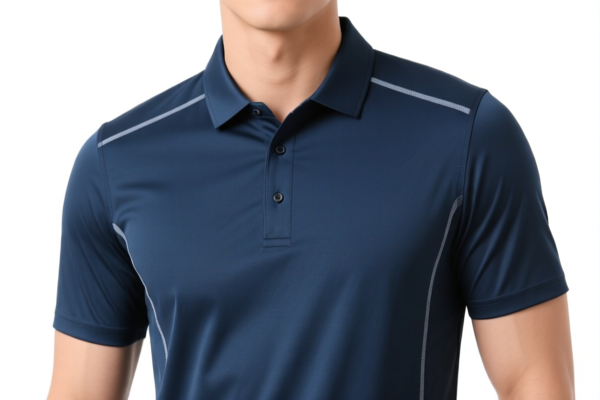
Boys' Summer Sports Short Sleeved Shirt
CN → US| HS Code | Tariff Rate | Origin | Destination | Doc |
|---|---|---|---|---|
| 6109100014 | 34.0% | CN | US | Official Doc |
| 6109901009 | 49.5% | CN | US | Official Doc |
| 6205202031 | 37.2% | CN | US | Official Doc |
| 6205302040 | 0.0% | CN | US | Official Doc |
| 6105100030 | 37.2% | CN | US | Official Doc |
Product Images



AI Analysis
👕 Boys' Summer Sports Short Sleeved Shirts: HS Code Classification & Tax Breakdown (2026 Update)
🌐 HS Code Reference & Customs Clearance Guide | Latest 2026 Tariff Analysis | Professional Entry Strategy
📌 I. Product Definition & Classification: Do You Really Know "Boys' Short Sleeve Shirts"?
Boys' summer sports short-sleeved shirts are essential apparel for active youth, categorized primarily by fabric composition (Cotton vs. Man-made Fiber) and construction method (Knitted vs. Woven/Non-knitted). In international trade, precise classification is critical because tariff rates vary significantly based on these material and structural differences.
⚠️ Key Distinction Point:
- Knitted/Tatted (Jersey, Ribbed, Mesh): Generally fall under Chapter 61. Often taxed at lower base rates but subject to specific additional duties.
- Woven/Non-Knitted (Poplin, Oxford, Twill): Generally fall under Chapter 62. Often have higher base ad valorem rates plus potential specific duties (cents/kg).
📦 II. HS Code Classification Details (2026 Authoritative Comparison)
| HS Code | Product Description | Application Scenario | Fabric Type | Construction |
|---|---|---|---|---|
6109.10.00.14 |
Boys' Summer Sports Short-Sleeved T-Shirt | Casual wear, athletic training | Cotton | Knitted or Crocheted |
6109.90.10.09 |
Boys' Summer Sports Short-Sleeved T-Shirt | Casual wear, athletic training | Man-made Fiber | Knitted or Crocheted |
6205.20.20.31 |
Boys' Summer Sports Short-Sleeved Shirt (Non-Knit) | Formal sports, button-downs | Cotton | Non-Knitted (Woven) |
6205.30.20.40 |
Boys' Summer Sports Short-Sleeved Shirt (Non-Knit) | Formal sports, button-downs | Man-made Fiber | Non-Knitted (Woven) |
6105.10.00.30 |
Boys' Summer Sports Short-Sleeved Shirt (Knit) | Polo shirts, collared sports tops | Cotton | Knitted or Crocheted |
🔍 Important Reminder:
- T-Shirts vs. Shirts: "T-Shirts" (6109) typically refer to round-neck, collarless tops. "Shirts" (6105/6205) may include collars, buttons, or more structured forms.
- Fabric is King: The difference between6109.10(Cotton T-shirt) and6109.90(Synthetic T-shirt) results in a 15.5% difference in total tax rate.
- Construction Matters: Knitted (6105) vs. Woven (6205) fabrics are treated as separate chapters. Misclassification can lead to customs holds.
💰 III. 2026 Latest Tariff Rate Breakdown (Including Additional Duties)
✅ Applicable Country: United States (US)
✅ Origin: China (CN)
✅ Effective Time: Current tariffs apply (See details below for Component Breakdown)
🎯 1. 6109.10.00.14 – Boys' Cotton Knitted T-Shirt
| Item | Content |
|---|---|
| Base Tariff | 16.5% (Ad Valorem) |
| Section 301 Surcharge | +7.5% |
| Section 122 Surcharge | +10.0% |
| Total Tax Rate | 34.0% |
| Tax Calculation | CIF Value × 34.0% |
| De Minimis Exemption | ❌ Not Eligible (High tariff items generally excluded from de minimis relief in practice, though technical rules vary by carrier) |
📌 Explanation:
- Base 16.5%: Standard MFN rate for cotton knitted T-shirts.
- Section 301 (7.5%): The initial round of China-specific tariffs.
- Section 122 (10%): Additional duties imposed under specific executive orders targeting Chinese imports.
- Total 34.0%: A significant cost burden. Ensure your profit margin accounts for this.
🎯 2. 6109.90.10.09 – Boys' Man-Made Fiber Knitted T-Shirt
| Item | Content |
|---|---|
| Base Tariff | 32.0% (Ad Valorem) |
| Section 301 Surcharge | +7.5% |
| Section 122 Surcharge | +10.0% |
| Total Tax Rate | 49.5% |
| Tax Calculation | CIF Value × 49.5% |
| De Minimis Exemption | ❌ Not Eligible |
📌 Note:
- Why so high?: Synthetic fibers (polyester, nylon, etc.) often face higher base tariffs than cotton in certain classifications due to historical trade policies.
- Comparison: This is 15.5% higher than the cotton counterpart (6109.10). Always verify if the garment is primarily cotton; if so, use6109.10to save costs.
🎯 3. 6205.20.20.31 – Boys' Cotton Woven Shirt
| Item | Content |
|---|---|
| Base Tariff | 19.7% (Ad Valorem) |
| Section 301 Surcharge | +7.5% |
| Section 122 Surcharge | +10.0% |
| Total Tax Rate | 37.2% |
| Tax Calculation | CIF Value × 37.2% |
| De Minimis Exemption | ❌ Not Eligible |
📌 Explanation:
- Woven cotton shirts (6205) have a slightly higher base rate (19.7%) than knitted cotton T-shirts (16.5%), but the total is still lower than synthetic knitted options.
- Ideal for "Polo" style or button-down sports shirts made of woven cotton.
🎯 4. 6205.30.20.40 – Boys' Man-Made Fiber Woven Shirt
| Item | Content |
|---|---|
| Base Tariff | 29.1¢/kg + 25.9% (Ad Valorem) |
| Section 301 Surcharge | +7.5% |
| Section 122 Surcharge | +10.0% |
| Total Tax Rate | Specific Duty + 43.4% Ad Valorem |
| Tax Calculation | (Weight in kg × $0.291) + (CIF Value × 43.4%) |
| De Minimis Exemption | ❌ Not Eligible |
📌 Critical Warning:
- This is the most complex classification. It includes a Specific Duty (29.1 cents per kilogram) PLUS an ad valorem rate.
- For heavy items, the specific duty can eat into margins. For light items, the percentage dominates.
- Total Effective Rate: Can exceed 43.4% depending on weight/value ratio. Always calculate based on actual shipment weight.
🎯 5. 6105.10.00.30 – Boys' Cotton Knitted Shirt (e.g., Polo)
| Item | Content |
|---|---|
| Base Tariff | 19.7% (Ad Valorem) |
| Section 301 Surcharge | +7.5% |
| Section 122 Surcharge | +10.0% |
| Total Tax Rate | 37.2% |
| Tax Calculation | CIF Value × 37.2% |
| De Minimis Exemption | ❌ Not Eligible |
📌 Note:
- Knitted shirts (6105) with cotton content are taxed identically to woven cotton shirts (6205.20) in terms of total rate (37.2%).
- Use this code for collared, buttoned, or polo-style shirts made of knitted cotton fabric.
🛠️ IV. Customs Clearance Practical Advice (Real-World Pitfall Guide)
✅ 1. Preparation Checklist (Non-Negotiable)
| Document | Required | Explanation |
|---|---|---|
| ✅ Product Specification Sheet | ✔️ | Must specify: Fabric Content (% Cotton, % Polyester), Weight, Style (T-shirt vs. Collared Shirt) |
| ✅ Fabric Swatch | ✔️ | Physical sample to prove if it is Knitted (loop structure) or Woven (interlaced threads) |
| ✅ Composition Label | ✔️ | Clear photo of the care label showing fiber content |
| ✅ Commercial Invoice | ✔️ | Describe item accurately: "Boys' Knitted Cotton T-Shirt" NOT just "Shirt" |
| ✅ Packing List | ✔️ | Include gross weight per item (critical for 6205.30 specific duties) |
✅ 2. Declaration Tips (Key Mantras)
🔥 "Fabric Determines Chapter, Structure Determines Sub-Chapter!"
| Scenario | Correct Declaration | Wrong Declaration |
|---|---|---|
| Round-neck, no collar, Cotton | 6109.10.00.14 (T-shirt) |
Misdeclare as 6205 (Woven Shirt) → Higher Risk |
| Round-neck, no collar, Polyester | 6109.90.10.09 (T-shirt) |
Misdeclare as Cotton → Penalty for Fraud |
| Collared, Woven, Cotton | 6205.20.20.31 (Shirt) |
Misdeclare as T-shirt → Classification Error |
| Collared, Woven, Polyester | 6205.30.20.40 (Shirt) |
Must calculate Specific Duty! |
| Collared, Knitted, Cotton | 6105.10.00.30 (Shirt) |
Misdeclare as T-shirt (6109) → Wrong Chapter |
✅ 3. Special Situation Handling
| Situation | Handling Advice |
|---|---|
| Mixed Fabric Garments | If >50% cotton → Use Cotton HS Code. If >50% synthetic → Use Man-made Fiber HS Code. Check label! |
| OEM Private Label | Ensure the invoice matches the product exactly. Generic terms like "Clothing" will be rejected. |
| Small Package (De Minimis) | Even if under $800, high tariff items (like these) may face scrutiny. Ensure correct HS code to avoid holds. |
Woven Synthetic (6205.30) |
Pay attention to weight! The 29.1¢/kg specific duty is additive. Lighter items have higher effective rates. |
🌍 V. Global Market Comparison (2026 Snapshot)
| Country/Region | Recommended HS Code (Example) | Approx. Tariff (China Origin) | Certification Req. | Note |
|---|---|---|---|---|
| 🇺🇸 USA | 6109.10.00.14 (Cotton Knit) |
34.0% (Base 16.5% + 7.5% + 10%) | No special cert | High tariffs due to Section 301 & 122 |
| 🇺🇸 USA | 6205.30.20.40 (Synth Woven) |
~43.4% + $0.29/kg | No special cert | Complex tax structure |
| 🇨🇳 China | Same Codes | 5% - 10% | CCC (if applicable) | No Section 301/122 |
| 🇪🇺 EU | Same Codes | 12% - 17% | REACH, CE | No Section 301/122 |
📌 Conclusion:
- USA is the most expensive market due to multiple layers of additional tariffs.
- Material Choice Impact: Choosing Cotton Knitted (6109.10) minimizes tax burden (34.0%) compared to Synthetic Woven (6205.30, ~43.4%+).
- Plan product mix and pricing accordingly to maintain competitiveness.
📌 VI. Common Mistakes & Pitfall Avoidance (Lessons Learned)
❌ Mistake 1: Declaring a Polyester Woven Shirt as "Cotton T-Shirt" to save 15% tax.
👉 Consequence: Customs inspection finds polyester → Reclassification + Penalty + Back Taxes.
❌ Mistake 2: Ignoring the "Specific Duty" on 6205.30.
👉 Consequence: Underestimating landing cost by 20-30% for heavy items.
❌ Mistake 3: Confusing "Knitted" with "Woven".
👉 Consequence: 6109 (Knit) vs. 6205 (Woven) are different chapters. Wrong code = Delay.
✅ Correct Practice:
"Boys' Knitted Cotton T-Shirt, 100% Cotton, Round Neck, Short Sleeve, Size M-XL"
vs.
"Boys' Woven Polyester Shirt, 100% Polyester, Collared, Short Sleeve, Size M-XL"
🎯 VII. Conclusion: Precision Classification Saves Money!
🎯 Remember the Mantra:
🔹 "Knit or Woven? Cotton or Synthetic? Know your HS Code!"
🔹 "Section 301 & 122 add 17.5% extra. Plan for the worst, price for the best!"
📌 Pro Tip:
If your shirts are manufactured in Vietnam, Mexico, or Thailand, you may avoid Section 301/122 tariffs entirely, reducing costs to Base Rate Only (e.g., 16.5% for cotton knit).
Consider supply chain diversification if US market share is high.
📣 Immediate Action:
📞 Consult a Customs Broker + Provide Product Swatches + Confirm Fabric Composition
🚀 Optimize Your HS Code Selection to Minimize Tariffs and Maximize Profit!
✨ Professional Clearance Starts with Accurate Classification!
💼 Every Percentage Point Saved is Pure Profit!
Customer Reviews
About HS Code Classification
The Harmonized System (HS) is an internationally standardized nomenclature developed by the World Customs Organization (WCO) to classify traded products. Over 200 countries use the HS system as the basis for customs tariffs, trade statistics, and import/export regulations.
Each HS code follows a hierarchical structure:
- Chapter (2 digits) — Broad category of goods (e.g., Chapter 84: Machinery and Mechanical Appliances)
- Heading (4 digits) — More specific grouping within the chapter
- Subheading (6 digits) — Internationally standardized breakdown, used by all WCO member countries
- National subdivisions (8-10 digits) — Country-specific extensions for further classification, such as US HTSUS 10-digit codes
Correct HS code classification is essential for smooth customs clearance, accurate duty payment, and compliance with trade regulations. Misclassification can lead to customs delays, overpayment of duties, or penalties.
When importing from CN to US, the applicable tariff rates may include:
- Most-Favored-Nation (MFN) rate — The standard duty rate applied to WTO members
- General rate — Applied to countries without trade agreements
- Trade remedy duties — Additional tariffs such as Section 301 (anti-dumping), Section 232 (national security), or countervailing duties
The information provided on this page is for reference purposes only. For official classification, please consult with your local customs authority or a licensed customs broker.