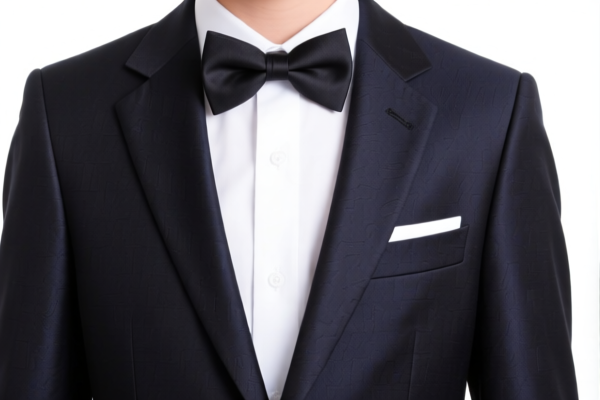
Boys' Synthetic Fiber Geometric Pattern Formal Shirt
CN → US| HS Code | Tariff Rate | Origin | Destination | Doc |
|---|---|---|---|---|
| 6105202030 | 49.5% | CN | US | Official Doc |
| 6105202020 | 49.5% | CN | US | Official Doc |
| 6205302040 | 0.0% | CN | US | Official Doc |
| 6205302020 | 0.0% | CN | US | Official Doc |
| 6205302020 | 0.0% | CN | US | Official Doc |
Product Images



AI Analysis
👔 Boys' Synthetic Fiber Geometric Pattern Formal Shirt
🌐 HS Code Reference & Customs Clearance Guide | 2026 Latest Tariff Analysis | Professional Strategy for Formal Wear
📌 I. Product Definition & Classification: Do You Really Understand "Formal Shirts"?
Boys' formal shirts are a specialized subset of children's apparel, distinct from casual wear due to their intended use in formal occasions, dress codes, or school uniforms. In international trade, the classification hinges critically on two factors:
1. Fabric Material: Synthetic fibers (e.g., polyester, nylon, acrylic).
2. Garment Type: "Formal" or "Dress" shirt vs. general "Shirt."
The geometric pattern does not change the primary classification but may affect aesthetic description. The key legal distinction lies between Chapter 61 (Knitted/ Crocheted) and Chapter 62 (Non-Knitted/ Woven). Based on the provided data, the product is primarily associated with Woven (Chapter 62) items due to the mention of "formal wear" classifications, but Chapter 61 options exist if knitted.
⚠️ Critical Distinction:
- If the shirt is Woven (Non-Knitted) and designed for formal/dress occasions →归入 6205 (Men's/ Boys' woven shirts).
- If the shirt is Knitted/Crocheted and categorized broadly → 归入 6105 (Men's/ Boys' knitted shirts).
- "Formal" status triggers different tax treatments under specific tariff headings compared to general casual shirts.
📦 II. HS Code Classification Details (Based on Provided Data)
The following HS Codes are extracted directly from the <DATA> input. Note that while the input lists specific codes, real-world classification requires verifying the knit vs. weave status. The data below reflects the provided summaries.
| HS Code | Summary Description | Tax Rate (Total) | Tax Detail Breakdown |
|---|---|---|---|
| 6105.20.20.30 | Boys' synthetic fiber shirt; matched to boys, synthetic fiber, and shirt form. | 49.5% | Base Tariff: 32.0%, Additional Tariff: 7.5%, Section 122 Tariff: 10% |
| 6105.20.20.20 | Boys' synthetic fiber shirt; matched based on fallback principle for other categories. | 49.5% | Base Tariff: 32.0%, Additional Tariff: 7.5%, Section 122 Tariff: 10% |
| 6205.30.20.40 | Boys' synthetic fiber formal/dress shirt; matched to boys, synthetic fiber, and formal use. | 29.1¢/kg + 25.9% + 17.5% | Base Tariff: 29.1¢/kg + 25.9%, Additional Tariff: 7.5%, Section 122 Tariff: 10% |
| 6205.30.20.20 | Boys' synthetic fiber formal/dress shirt; matched to boys, synthetic fiber, and礼服 (formal wear) category. | 29.1¢/kg + 25.9% + 17.5% | Base Tariff: 29.1¢/kg + 25.9%, Additional Tariff: 7.5%, Section 122 Tariff: 10% |
| 6205.30.20.20 | Boys' synthetic fiber shirt; material and use consistent, corresponding to formal wear category. | 29.1¢/kg + 25.9% + 17.5% | Base Tariff: 29.1¢/kg + 25.9%, Additional Tariff: 7.5%, Section 122 Tariff: 10% |
🔍 Key Observation:
- Chapter 62 (Woven) Formal Shirts (6205.30...) have a compound tax rate (Specific + Ad Valorem) but a lower percentage component (25.9% base) compared to Chapter 61.
- Chapter 61 (Knitted) Shirts (6105.20...) have a pure ad valorem rate of 49.5% (32% + 7.5% + 10%).
- Section 122 Tariff (10%) applies to all listed codes, indicating a specific U.S. regulatory addition (likely related to trade remedies or specific country restrictions).
💰 III. 2026 Latest Tariff Rate Detailed Explanation
✅ Applicable Country: United States (US)
✅ Origin: China (CN) (Implied by Section 122 and high tariff structure)
✅ Product: Boys' Synthetic Fiber Formal Shirt
🎯 1. 6105.20.20.30 & 6105.20.20.20 —— Knitted Boys' Shirts (General/ Fallback)
| Item | Content |
|---|---|
| Base Tariff | 32.0% (Ad Valorem) |
| Additional Tariff (Section 301/Other) | +7.5% |
| Section 122 Tariff | +10.0% |
| Total Tax Rate | 49.5% |
| Tax Calculation | CIF Value × 49.5% |
| Exemption Eligibility | ❌ None (No de minimis exemption mentioned) |
| Legal Basis Path | HTSUS:6105.20.20 → Section 122:10% → Additional Tariffs:7.5% |
📌 Explanation:
- These codes fall under Chapter 61 (Knitted).
- The 49.5% rate is high, driven by the base 32% tariff plus significant additional duties.
- Section 122 (likely referring to specific trade action provisions) adds a flat 10%, which is substantial for low-margin apparel.
- Risk: If the shirt is actually woven but declared as knitted (or vice versa), this could lead to misclassification penalties.
🎯 2. 6205.30.20.40 & 6205.30.20.20 —— Woven Boys' Formal/Dress Shirts
| Item | Content |
|---|---|
| Base Tariff | 29.1¢/kg + 25.9% (Compound Rate) |
| Additional Tariff | +7.5% |
| Section 122 Tariff | +10.0% |
| Total Tax Burden | Compound + 17.5% Additional |
| Tax Calculation | (Weight in kg × 0.291) + (CIF Value × 0.259) + (CIF Value × 0.075) + (CIF Value × 0.10) |
| Exemption Eligibility | ❌ None |
| Legal Basis Path | HTSUS:6205.30.20 → Section 122:10% → Additional Tariffs:7.5% |
📌 Explanation:
- These codes fall under Chapter 62 (Woven).
- The 29.1¢/kg specific duty applies per kilogram of net weight.
- The ad valorem portion is 25.9% + 7.5% + 10% = 43.4% of the CIF value.
- Advantage: For light-weight shirts, the specific duty component is low. For heavy items, the specific duty increases total cost. However, the percentage rate (25.9%) is lower than the 32% base in Chapter 61.
- "Formal" Definition: Customs may require proof of "formal" use (e.g., specific design, fabric quality, marketing) to justify this classification.
🛠️ IV. Customs Clearance Practical Advice (Avoid Pitfalls)
✅ 1. Essential Documentation Checklist
| Document | Mandatory? | Notes |
|---|---|---|
| ✅ Product Specification Sheet | ✔️ | Must state: Fabric (100% Polyester/Nylon?), Knit/Woven?, Gender (Boys?), Age Range. |
| ✅ Technical Drawing | ✔️ | Show if it’s a dress shirt (placket, collar type) vs. casual. |
| ✅ Photos (Front/Back/Label) | ✔️ | Clear images of the geometric pattern, collar, and cuff. |
| ✅ Commercial Invoice | ✔️ | Must explicitly state "Boys' Synthetic Fiber Formal Shirt" and HS Code. |
| ✅ Packing List | ✔️ | Include net weight per shirt for compound tax calculation. |
| ✅ Origin Certificate | ✔️ | If not CN, check for FTZ benefits. (Note: Data implies CN origin due to high tariffs). |
| ✅ Section 122 Compliance Form | ✔️ | Verify if Section 122 duties apply to your specific supplier/country. |
✅ 2. Classification Strategy (Key Tips)
🔥 "Woven vs. Knit is Life! Formal Status Matters!"
| Scenario | Recommended HS Code | Why? |
|---|---|---|
| Woven Shirt, Formal Style | 6205.30.20.40 or 6205.30.20.20 |
Lower base percentage (25.9% vs 32%). "Formal" status is key. |
| Knitted Shirt, Casual/Formal | 6105.20.20.30 |
Higher total rate (49.5%). Fallback if knit status is confirmed. |
| Unclear Knit/Woven | Get Pre-Ruling | Misclassification leads to delays. Provide fabric sample to customs broker. |
| "Geometric Pattern" Claim | Describe in Invoice | Do not use "Pattern" to change HS Code. It affects only aesthetic description. |
✅ 3. Special Handling for "Formal" Classification
- Definition of Formal: Customs may scrutinize "formal" claims. Ensure the shirt has:
- Structured collar (e.g., spread, point).
- Button-front placket.
- Suitable fabric (e.g., polyester poplin, twill) rather than jersey knit.
- Marketing Material: Include catalogs showing the shirt worn in formal settings (school uniforms, weddings, ceremonies) to support the "formal" classification.
🌍 V. Global Market Comparison (2026 Snapshot)
| Country/Region | Recommended HS Code | Estimated Tariff | Notes |
|---|---|---|---|
| 🇺🇸 USA | 6205.30.20.40 |
~43.4% + Specific | High Section 122 & Additional tariffs. |
| 🇨🇳 China | 6205.30.20.40 |
~10-15% | Standard MFN rate for woven shirts. |
| 🇪🇺 EU | 6205.30.20 |
~12% | No Section 122 equivalent. |
| 🇬🇧 UK | 6205.30.20 |
~12% | Post-Brexit, standard rates apply. |
| 🇨🇦 Canada | 6205.30.20 |
~16% | CSTA/CUSMA benefits if applicable. |
📌 Conclusion:
- The US market is the most expensive due to Section 122 and Additional tariffs.
- Woven (6205) is generally more favorable than Knitted (6105) for formal shirts in the US due to lower ad valorem base rates.
- Section 122 is a significant cost driver; ensure your supplier qualifies for any exemptions.
📌 VI. Common Mistakes & Pitfalls (Lessons Learned)
❌ Mistake 1: Declaring a Woven shirt as Knitted (6105) to avoid specific duties.
👉 Consequence: If customs finds it woven, they will reclassify, charge the 49.5% rate, and impose penalties.
❌ Mistake 2: Ignoring Section 122 tariffs.
👉 Consequence: 10% additional duty is automatically applied to many Chinese-origin textiles. Budget accordingly.
❌ Mistake 3: Using vague terms like "Child's Shirt" without specifying "Formal" or "Synthetic."
👉 Consequence: Customs may assign a fallback code with higher rates or require extensive documentation to clarify.
❌ Mistake 4: Not declaring Net Weight.
👉 Consequence: For 6205.30.20, the 29.1¢/kg specific duty cannot be calculated without accurate weight. This leads to delays.
✅ Best Practice:
"Boys' Woven Formal Shirt, 100% Polyester, Geometric Print, with Placket Collar, Model XYZ, For School/Formal Occasions."
🎯 VII. Conclusion: Strategic Clearance for Profitability
🎯 Remember the Mantra:
🔹 "Woven Formal: 25.9% + 10% + 7.5% + Specific."
🔹 "Knitted General: 49.5% Flat."
🔹 "Section 122 is Non-Negotiable for CN Origin."
📌 Action Items:
1. Verify Knit/Woven Status: Ensure your fabric mill provides accurate construction details.
2. Confirm "Formal" Design: Document collar, placket, and intended use.
3. Calculate Total Cost: Include the 10% Section 122 and 7.5% Additional tariffs in your pricing model.
4. Seek Pre-Ruling: If unsure, file a US Customs Pre-Ruling with a fabric sample and tech pack.
✨ Professional Clearance Starts with Precise Classification!
💼 Your Profit Margin Depends on Getting the HS Code Right!
Customer Reviews
About HS Code Classification
The Harmonized System (HS) is an internationally standardized nomenclature developed by the World Customs Organization (WCO) to classify traded products. Over 200 countries use the HS system as the basis for customs tariffs, trade statistics, and import/export regulations.
Each HS code follows a hierarchical structure:
- Chapter (2 digits) — Broad category of goods (e.g., Chapter 84: Machinery and Mechanical Appliances)
- Heading (4 digits) — More specific grouping within the chapter
- Subheading (6 digits) — Internationally standardized breakdown, used by all WCO member countries
- National subdivisions (8-10 digits) — Country-specific extensions for further classification, such as US HTSUS 10-digit codes
Correct HS code classification is essential for smooth customs clearance, accurate duty payment, and compliance with trade regulations. Misclassification can lead to customs delays, overpayment of duties, or penalties.
When importing from CN to US, the applicable tariff rates may include:
- Most-Favored-Nation (MFN) rate — The standard duty rate applied to WTO members
- General rate — Applied to countries without trade agreements
- Trade remedy duties — Additional tariffs such as Section 301 (anti-dumping), Section 232 (national security), or countervailing duties
The information provided on this page is for reference purposes only. For official classification, please consult with your local customs authority or a licensed customs broker.