Boys' Synthetic Fiber Other Formal Jacquard Shirt
CN → US| HS Code | Tariff Rate | Origin | Destination | Doc |
|---|---|---|---|---|
| 6105201000 | 23.6% | CN | US | Official Doc |
| 6205302030 | 0.0% | CN | US | Official Doc |
| 6110303010 | 49.5% | CN | US | Official Doc |
| 6110303053 | 49.5% | CN | US | Official Doc |
| 6205302010 | 0.0% | CN | US | Official Doc |
Product Images


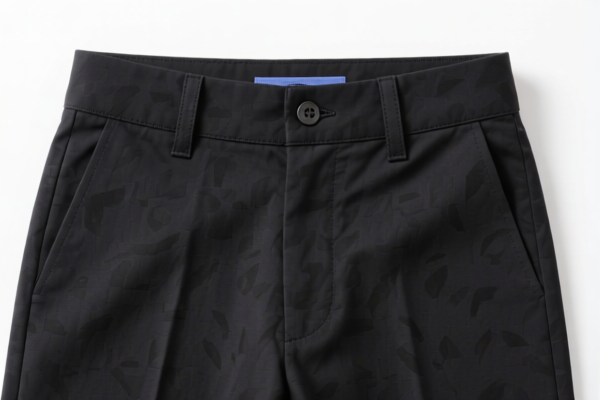
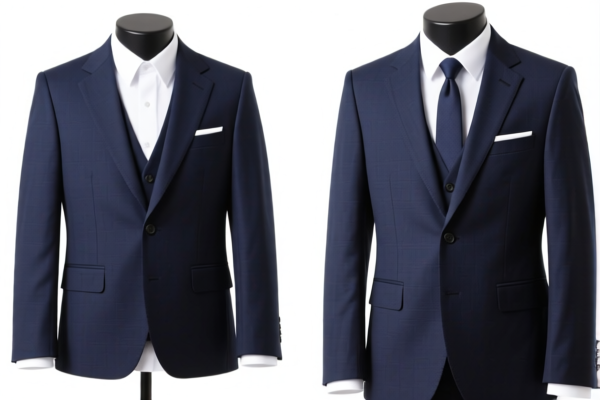
AI Analysis
Here is the professional customs classification and tax analysis for "Boys' Synthetic Fiber Other Formal Jacquard Shirt", structured as a high-impact Wiki guide based strictly on the provided data.
👔 Boys' Synthetic Fiber Other Formal Jacquard Shirt
HS Code Classification & US Tariff Strategy Guide (2024-2025)
🌐 Comprehensive Duty Breakdown | Jacquard Men's Wear Analysis | Strategic Customs Clearance
📌 I. Product Definition: What Defines This Item?
The "Boys' Synthetic Fiber Other Formal Jacquard Shirt" refers to a specific category of upper-body wear designed for young males. Key distinguishing features include: * Material: Composed entirely of synthetic fibers (man-made). * Construction: Can be either Knitted/Crocheted (Chapter 61) or Woven (Chapter 62). * Feature: Includes Jacquard patterns (raised, intricate designs woven or knitted directly into the fabric). * Style: Classified as "Other" (not T-shirts) and "Formal" (suiting, dress shirts).
⚠️ Critical Distinction:
The HS Code depends entirely on the fabric construction method (Knitted vs. Woven) and the specific fiber type. * Knitted? ➝ Look at HS 6110... * Woven? ➝ Look at HS 6205...
📦 II. HS Code Classification Details (Strictly Based on Provided Data)
Based on the provided dataset, there are 5 specific HS Codes relevant to this product description. Each reflects slight variations in fiber composition (Synthetic vs. Man-made) and construction.
| HS Code | Product Summary (From Data) | Material Type | Construction | Formality |
|---|---|---|---|---|
| 6105.20.10.00 | Boys' Synthetic Formal Jacquard Shirt | Synthetic Fiber | Knitted/Crocheted | Formal |
| 6205.30.20.30 | Boys' Synthetic Formal Jacquard Shirt | Man-made Fiber | Woven (Jacquard) | Formal (Suit) |
| 6110.30.30.10 | Boys' Synthetic Formal Jacquard Shirt | Man-made Fiber | Knitted/Crocheted | General/Formal |
| 6110.30.30.53 | Boys' Synthetic Formal Jacquard Shirt | Synthetic Fiber | Shirt/Classified Garment | Male Form |
| 6205.30.20.10 | Boys' Synthetic Formal Jacquard Shirt | Synthetic Fiber | Woven (Multi-color Jacquard) | Formal (Suit) |
🔍 Key Differentiator:
- 61xx Series: These are Knitted shirts (often sweaters or soft shirts). High tax impact due to specific footnotes. - 62xx Series: These are Woven shirts (standard dress shirt structure). - Tax Impact: Note that 6205.30.20.10 carries a 17.5% Additional Duty, whereas others carry 10% or 7.5%.
💰 III. 2024-2025 Tariff Rate Detailed Analysis
✅ Applicable Country: United States (US)
✅ Origin: China (CN)
✅ Tax Components: Base Duty + Section 301 (Add-on) + Section 122 (10%)
🎯 1. 6105.20.10.00 — Knitted Synthetic Formal Shirt
- Base Duty: 13.6% (Ad Valorem)
- Section 301 Add-on: 0.0%
- Section 122 (Tariff 122): +10.0%
- 🔴 Total Tax Rate: 23.6%
- Calculation:
CIF Value × 23.6% - ⚠️ Status: Lowest tax burden in the dataset. Ideal for knitted formal wear.
🎯 2. 6205.30.20.30 — Woven Man-made Formal Shirt
- Base Duty: 29.1¢/kg (Specific) + 25.9% (Ad Valorem)
- Section 301 Add-on: 0.0%
- Section 122 (Tariff 122): +10.0%
- 🔴 Total Tax Rate: ~45.9% (Mix of Weight + Ad Valorem + 10%)
- Calculation:
(Weight in kg × $0.291) + (CIF Value × 25.9%) + (CIF Value × 10%) - ⚠️ Status: High complexity. The specific duty (¢/kg) creates a penalty for light fabrics, while the ad valorem rate is high.
🎯 3. 6110.30.30.10 — Knitted Man-made Formal Shirt
- Base Duty: 32.0%
- Section 301 Add-on: +7.5%
- Section 122 (Tariff 122): +10.0%
- 🔴 Total Tax Rate: 49.5%
- Calculation:
CIF Value × 49.5% - ⚠️ Status: Highest Tax Risk. Knitted synthetic shirts under this specific subheading face the highest combined duty (32% base + 7.5% add-on).
🎯 4. 6110.30.30.53 — Knitted Synthetic Shirt (Alternative)
- Base Duty: 32.0%
- Section 301 Add-on: +7.5%
- Section 122 (Tariff 122): +10.0%
- 🔴 Total Tax Rate: 49.5%
- Calculation:
CIF Value × 49.5% - ⚠️ Status: Same heavy tax burden as 6110.30.30.10. Ensure the fiber is correctly identified as "Synthetic" vs "Man-made" to avoid errors, though both carry 49.5% here.
🎯 5. 6205.30.20.10 — Woven Synthetic Formal Shirt (Multi-color)
- Base Duty: 29.1¢/kg (Specific) + 25.9% (Ad Valorem)
- Section 301 Add-on: +7.5% (Note: Higher than 6205.30.20.30)
- Section 122 (Tariff 122): +10.0%
- 🔴 Total Tax Rate: ~63.4% + Specific Duty (High Risk)
- Calculation:
(Weight × $0.291) + (CIF × 25.9%) + (CIF × 7.5%) + (CIF × 10%) - ⚠️ Status: Critical Warning. This code has a 7.5% Section 301 Add-on (unlike 6205.30.20.30 which has 0%) plus the specific weight duty. This is the most expensive variant if "Multi-color" applies.
🛠️ IV. Strategic Customs Clearance Advice (Avoiding the 49.5% Trap)
✅ 1. Material Verification is Key
- Synthetic vs. Man-made: While often used interchangeably, the data shows
6110.30.30.10(Man-made) and6110.30.30.53(Synthetic) both hit 49.5%. - Action: Verify the exact fiber composition. If the shirt is truly Knitted, you are looking at either 23.6% (6105) or 49.5% (6110).
- Strategy: If the shirt is Knitted, prioritize classification under 6105.20.10.00 (23.6%) if the material and style strictly qualify. Do not default to 6110 unless necessary.
✅ 2. The "Woven" vs. "Knitted" Trap
- Woven (6205): Generally has a specific duty (¢/kg) which punishes light shirts.
- Knitted (6105): Can be cheaper (13.6% + 10% = 23.6%) IF the construction is truly knitted and fits the specific description of
6105.20.10.00. - Warning:
6205.30.20.10has a 7.5% Section 301 penalty. If the shirt is a standard woven shirt, try to classify under6205.30.20.30(0% Section 301) to save 7.5%.
✅ 3. Declaration of "Formal" & "Jacquard"
- Evidence Required:
- Swatch/Photo: Must clearly show the Jacquard weave/knit structure (not printed).
- Style Sheet: Must explicitly state "Formal" or "Suit" usage to justify
6205(Formal) vs6105(Casual/Knit). - Composition Label: Must list "100% Polyester" or "100% Nylon" (Synthetic).
✅ 4. Calculation Strategy for Costing
| Scenario | Recommended HS Code | Est. Total Tax | Action |
|---|---|---|---|
| Knitted, Standard Synthetic | 6105.20.10.00 | 23.6% | ✅ BEST OPTION |
| Woven, Non-Multi-color | 6205.30.20.30 | ~45.9%* | ⚠️ Watch out for weight duty |
| Woven, Multi-color Pattern | 6205.30.20.10 | ~63.4%* + Weight | ❌ AVOID if possible |
| Knitted, Ambiguous Fiber | 6110.30.30.xx | 49.5% | ❌ High Risk |
*Includes specific weight duty calculation.
🌍 V. Global Market & Compliance Checklist
| Requirement | Status | Notes |
|---|---|---|
| Country of Origin | China (CN) | Subject to Section 122 (10%) and Section 301 (0-10%) |
| De Minimis (800kg) | NO | Cannot use "Section 321" (de minimis) exemption. Must file formal entry. |
| Documentation | High | Requires detailed product description, fiber content, and construction proof. |
| Labeling | Mandatory | Must include country of origin and fiber content on the garment tag. |
📌 VI. Common Errors & Pitfalls (Blood & Tears Lessons)
❌ Mistake 1: Misclassifying Knitted as Woven * Result: Paying 49.5% (6110) instead of 23.6% (6105). * Fix: Provide knit structure photos to prove it is Knitted (6105).
❌ Mistake 2: Ignoring the "Multi-color" Trigger
* Result: Landing in 6205.30.20.10 with 7.5% Section 301 + Weight duty.
* Fix: If the Jacquard pattern is not "Multi-color" in the specific definition, argue for 6205.30.20.30 (0% Section 301).
❌ Mistake 3: Overlooking Specific Duty (¢/kg)
* Result: Light synthetic shirts (e.g., 200g) pay disproportionately high duties in 6205 codes.
* Fix: Calculate (Weight × $0.291) vs CIF × % carefully. If the shirt is very light, the per-kg duty might dominate the total cost.
🚀 VII. Conclusion: The Winning Strategy
"Synthetic Formal Shirt: Choose 6105 to Win!"
- Prioritize
6105.20.10.00(23.6%): If the shirt is knitted, this is the lowest tax bracket available.- Avoid
6110Series (49.5%): Unless the shirt is a heavy sweater-knit, avoid this.- Optimize Woven Codes: If woven, push for
6205.30.20.30to avoid the 7.5% Section 301 penalty found in6205.30.20.10.
🔥 Pro Tip: Always verify if your specific "Jacquard" pattern qualifies as "Multi-color" under US Customs definitions. If yes, you risk the 7.5% add-on. If no, stick to the lower Section 301 rate.
✨ Customs Clearance from Precision, Not Guesswork!
💼 Your Profit Margin Depends on the HS Code You Choose!
Customer Reviews
About HS Code Classification
The Harmonized System (HS) is an internationally standardized nomenclature developed by the World Customs Organization (WCO) to classify traded products. Over 200 countries use the HS system as the basis for customs tariffs, trade statistics, and import/export regulations.
Each HS code follows a hierarchical structure:
- Chapter (2 digits) — Broad category of goods (e.g., Chapter 84: Machinery and Mechanical Appliances)
- Heading (4 digits) — More specific grouping within the chapter
- Subheading (6 digits) — Internationally standardized breakdown, used by all WCO member countries
- National subdivisions (8-10 digits) — Country-specific extensions for further classification, such as US HTSUS 10-digit codes
Correct HS code classification is essential for smooth customs clearance, accurate duty payment, and compliance with trade regulations. Misclassification can lead to customs delays, overpayment of duties, or penalties.
When importing from CN to US, the applicable tariff rates may include:
- Most-Favored-Nation (MFN) rate — The standard duty rate applied to WTO members
- General rate — Applied to countries without trade agreements
- Trade remedy duties — Additional tariffs such as Section 301 (anti-dumping), Section 232 (national security), or countervailing duties
The information provided on this page is for reference purposes only. For official classification, please consult with your local customs authority or a licensed customs broker.