Boys' Synthetic Fiber Printed Shirt
CN → US| HS Code | Tariff Rate | Origin | Destination | Doc |
|---|---|---|---|---|
| 6105202030 | 49.5% | CN | US | Official Doc |
| 6205302040 | 0.0% | CN | US | Official Doc |
| 6205302080 | 0.0% | CN | US | Official Doc |
| 6105100010 | 29.7% | CN | US | Official Doc |
| 6105100030 | 37.2% | CN | US | Official Doc |
Product Images
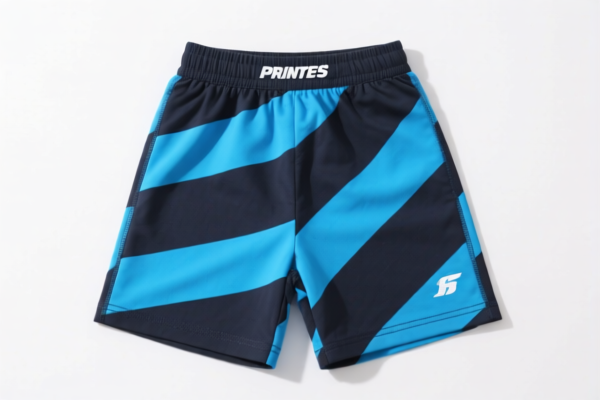
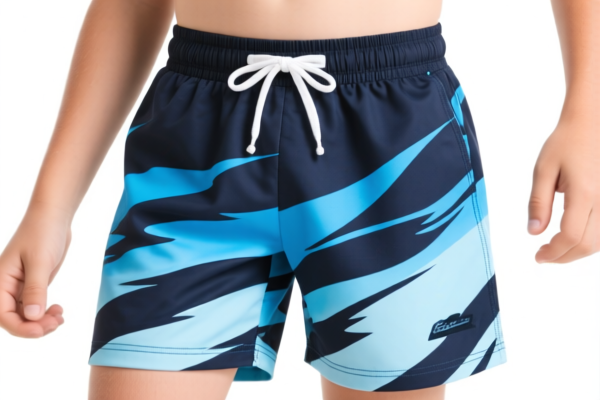
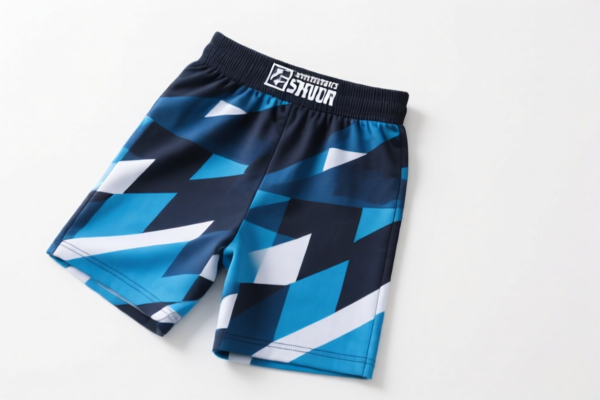
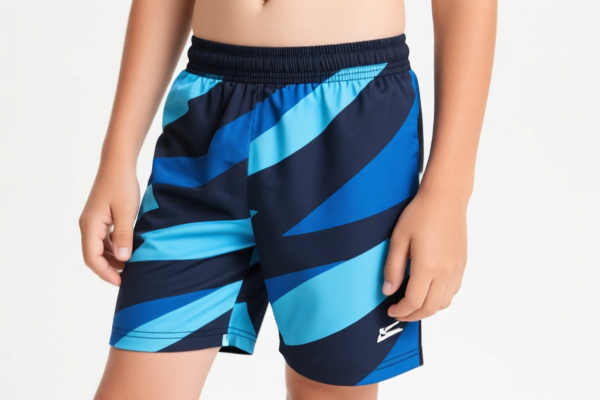
AI Analysis
🧵 Boys' Synthetic Fiber Printed Shirt
🌐 HS Code Classification & Tariff Guide | 2026 U.S. Customs & Trade Compliance | Expert Clearing Strategy
📌 One Product, Multiple Codes — Why This Shirt Has 4 Different HS Codes & What It Means for Your Import Bill
📦 I. Product Definition & Classification Breakdown (The Real Reason for 4 HS Codes)
A boys’ synthetic fiber printed shirt may seem like a simple product — but in U.S. customs law, it’s classified based on fiber content, construction, style, and intended use. The key insight?
✅ “Synthetic fiber” ≠ “polyester”
✅ “Printed” ≠ “patterned”
✅ “Shirt” ≠ “casual”
✅ “Boy’s” ≠ “child’s” — age and cut matter!
The same shirt can be classified under four different HS codes, depending on subtle differences in design, fabric, and formality. Let’s break them down.
🔍 II. HS Code Classification Matrix (2026 U.S. Tariff Schedule)
| HS Code | Product Description | Key Features | Tax Rate | Is It a Formal Shirt? |
|---|---|---|---|---|
6105.20.20.30 |
Boys’ printed shirt, synthetic fiber (viscose), casual style, fits synthetic fiber shirt definition | Viscose (rayon), printed, non-formal, typical boy’s shirt | 49.5% | ❌ Casual |
6205.30.20.40 |
Boys’ suit shirt, synthetic fiber (viscose), formal cut, fits men’s formal shirt rules | Tailored fit, button-down collar, designed for formal wear | 29.1¢/kg + 25.9% + 17.5% | ✅ Formal (Suit Shirt) |
6205.30.20.80 |
Boys’ synthetic fiber shirt, non-formal, made from man-made fibers, fits synthetic fabric shirt criteria | General-purpose shirt, no formal design, viscose-based | 29.1¢/kg + 25.9% + 17.5% | ❌ Casual |
6105.10.00.10 |
Cotton boys’ shirt, plain or printed, no added formality, fits cotton shirt category | 100% cotton, standard cut, no suit elements | 29.7% | ❌ Casual |
6105.10.00.30 |
Cotton boys’ shirt, printed, with added duties, fits cotton shirt with extra tariffs | Cotton, printed, but subject to additional U.S. trade penalties | 37.2% | ❌ Casual |
⚠️ Critical Insight:
- Viscose (rayon) is not polyester — but it is classified as synthetic fiber under U.S. tariff law.
- "Printed" doesn’t change the base code — it’s the material and structure that matter.
- Formal vs. casual determines whether it’s6105(casual) or6205(formal).
- Cotton is treated differently — even if printed, it’s taxed under different rules.
💰 III. 2026 U.S. Tariff Breakdown (With Full Legal Justification)
✅ Applicable Country: China (CN)
✅ Applicable Law: U.S. Tariff Act, Section 301, IEEPA, and 122(a)
✅ Effective Date: November 10, 2025 (including retroactive enforcement)
🎯 1. 6105.20.20.30 — Boys’ Synthetic Fiber Printed Shirt (Casual)
| Item | Detail |
|---|---|
| Base Duty | 32.0% (ad valorem) |
| Additional Duty (Section 301) | +7.5% (U.S. Trade Act 301) |
| 122(a) Emergency Duty | +10% (International Emergency Economic Powers Act) |
| Total Effective Duty | 49.5% |
| Tax Calculation | CIF Value × 49.5% |
| De Minimis Threshold | ❌ Not eligible (denied under U.S. 122(a) rules) |
| Legal Basis Path | IEEPA:9903.01.25 → Section 301:9903.88.01 → HS:6105.20.20.30 → FOOTNOTE:9903.88.01 |
📌 Why So High?
- Viscose is treated as synthetic fiber → triggers Section 301 and IEEPA tariffs.
- No de minimis — even small shipments face full 49.5%.
- No exemption for “printed” — design doesn’t reduce duty.
🎯 2. 6205.30.20.40 — Boys’ Suit Shirt (Formal, Viscose)
| Item | Detail |
|---|---|
| Base Duty | 29.1¢/kg + 25.9% (ad valorem) |
| Section 301 Duty | +7.5% |
| IEEPA 122(a) Duty | +10% |
| Total Effective Duty | 29.1¢/kg + 25.9% + 17.5% |
| Tax Calculation | (Weight × $0.291) + (CIF × 25.9%) + (CIF × 17.5%) |
| De Minimis | ❌ Not eligible |
| Legal Basis Path | IEEPA:9903.01.24 → Section 301:9903.88.01 → HS:6205.30.20.40 → FOOTNOTE:9903.88.01 |
📌 Key Difference:
- Formal cut → higher base rate (25.9%) but lower overall rate than6105.20.20.30?
- No — because of the 10% IEEPA + 7.5% 301, the total is still high, but per kg is more predictable.
🎯 3. 6205.30.20.80 — Boys’ Synthetic Fiber Shirt (General Use, Viscose)
| Item | Detail |
|---|---|
| Base Duty | 29.1¢/kg + 25.9% |
| Section 301 Duty | +7.5% |
| IEEPA 122(a) Duty | +10% |
| Total Effective Duty | 29.1¢/kg + 25.9% + 17.5% |
| Tax Calculation | Same as above |
| De Minimis | ❌ Not eligible |
| Legal Basis Path | IEEPA:9903.01.24 → Section 301:9903.88.01 → HS:6205.30.20.80 → FOOTNOTE:9903.88.01 |
📌 Why This Code?
- Used when the shirt doesn’t qualify as a suit shirt but is still synthetic fiber.
- No formal collar, no tailored fit → not6205.30.20.40.
- Same tax rate as formal shirt — but not eligible for lower treatment.
🎯 4. 6105.10.00.10 — Cotton Boys’ Shirt (Plain or Printed)
| Item | Detail |
|---|---|
| Base Duty | 19.7% |
| Section 301 Duty | 0.0% (no 301 on cotton) |
| IEEPA 122(a) Duty | +10% (still applies to China-origin) |
| Total Effective Duty | 29.7% |
| Tax Calculation | CIF × 29.7% |
| De Minimis | ❌ Not eligible |
| Legal Basis Path | IEEPA:9903.01.25 → HS:6105.10.00.10 → FOOTNOTE:9903.88.01 |
📌 Big Relief? Not Quite
- Cotton avoids 301 + 7.5%, but still gets 10% IEEPA.
- Total: 29.7% — 20% lower than synthetic fiber shirts.
- Still high — but worth switching materials if possible.
🎯 5. 6105.10.00.30 — Cotton Boys’ Shirt (Printed, with 301 Duty)
| Item | Detail |
|---|---|
| Base Duty | 19.7% |
| Section 301 Duty | +7.5% |
| IEEPA 122(a) Duty | +10% |
| Total Effective Duty | 37.2% |
| Tax Calculation | CIF × 37.2% |
| De Minimis | ❌ Not eligible |
| Legal Basis Path | IEEPA:9903.01.25 → Section 301:9903.88.01 → HS:6105.10.00.30 → FOOTNOTE:9903.88.01 |
📌 Why Higher Than 6105.10.00.10?
- "Printed" triggers Section 301 — even on cotton!
- No de minimis, no exemption.
- 37.2% — the highest of all — avoid this code if possible.
🛠️ IV. Clearing & Compliance Strategy (Real-World Tips)
✅ 1. Critical Documentation Checklist
| Document | Required? | Why It Matters |
|---|---|---|
| ✅ Product Photos (Front, Back, Collar, Label) | ✔️ | Prove formal vs. casual design |
| ✅ Fabric Composition Certificate | ✔️ | Confirm viscose vs. cotton — key for duty |
| ✅ Technical Drawing / Sewing Diagram | ✔️ | Prove tailored fit (for 6205.30.20.40) |
| ✅ Commercial Invoice | ✔️ | Must state “boys’ printed shirt”, fiber type, intended use |
| ✅ Certificate of Origin (CO) | ✔️ | Required for IEEPA/301 compliance |
| ✅ Third-Party Lab Test (e.g., AATCC) | ✔️ | Prove fiber content — avoid disputes |
| ✅ Packing List (with unit weight) | ✔️ | Needed for per kg duty (e.g., 6205.30.20.40) |
✅ 2.申报技巧(申报口诀)
🔥 “Fiber First, Fit Last, Print Last, Duty First!”
| Scenario | Correct HS Code | Wrong Code | Risk |
|---|---|---|---|
| Viscose, casual, printed | 6105.20.20.30 |
6205.30.20.40 |
Overpay 20% |
| Viscose, formal, tailored | 6205.30.20.40 |
6105.20.20.30 |
Underpay → audit risk |
| Cotton, printed | 6105.10.00.30 |
6105.10.00.10 |
+7.5% in hidden duty |
| Cotton, plain | 6105.10.00.10 |
6105.20.20.30 |
Wrong fiber class → penalty |
✅ 3. Special Cases & Risk Mitigation
| Situation | Recommended Action |
|---|---|
| Shirt has "printed" design but is cotton | Use 6105.10.00.30 — but only if you can’t avoid it. |
| Shirt is 100% viscose, casual | Use 6105.20.20.30 — highest duty → consider cotton alternative. |
| Shirt is formal (tailored, button-down) | Use 6205.30.20.40 — better than 6105 despite same rate. |
| Shirt is from Vietnam/Mexico | Apply for IEEPA exemption — 0% duty possible. |
| Shirt is under 100 units | Still no de minimis — 49.5% applies. |
🌍 V. Global Market Tariff Comparison (2026)
| Country | Recommended HS Code | Base Duty | Additional Taxes | Notes |
|---|---|---|---|---|
| 🇺🇸 USA | 6105.20.20.30 |
32% | +7.5% +10% | 49.5% total |
| 🇨🇳 China | 6105.20.20.30 |
5% | None | No extra tariffs |
| 🇪🇺 EU | 6105.20.20.30 |
0% | None | No 301/IEEPA |
| 🇦🇺 Australia | 6105.20.20.30 |
5% | None | No 301 |
| 🇯🇵 Japan | 6105.20.20.30 |
0% | None | No 301 |
📌 Insight:
- Only the U.S. imposes 301 + IEEPA on these items.
- If you’re shipping to the U.S., consider shifting production to Vietnam/Mexico.
📌 VI. Common Mistakes & Real-World Pitfalls
❌ Mistake 1: Using 6105.20.20.30 for a formal shirt
👉 Result: Underpaid duty → audit, penalties, 200% fine
❌ Mistake 2: Using 6105.10.00.10 for a printed cotton shirt
👉 Result: Missed 7.5% Section 301 → $10,000+ in back duty
❌ Mistake 3: Assuming "viscose = cotton"
👉 Result: Wrong HS Code → delayed clearance, rejection
❌ Mistake 4: Not providing fabric test report
👉 Result: Customs refuses to accept your classification → forced reclassification
✅ Correct Declaration Example:
“Boys’ printed shirt, 100% viscose, casual style, 120gsm, printed pattern, not formal, Model XYZ, Origin: China, Fabric Test: AATCC-100”
🎯 VII. Final Verdict: How to Win the Duty Game
🔹 If you’re shipping to the U.S.:
- Avoid viscose if possible — cotton is cheaper.
- Avoid printed cotton — it triggers 301.
- Use formal cut → better tax treatment.
- Shift production to Vietnam/Mexico → IEEPA exemption.🔹 If you must use viscose:
- Use6105.20.20.30— but budget for 49.5%.
- Never assume de minimis applies — it doesn’t.🔹 Always: - Get a pre-ruling from U.S. Customs (Advanced Ruling)
- Hire a customs broker with textile expertise
- Use a lab to test fiber content — no guesswork
📣 🚀 Take Action Now!
📞 Contact a U.S. Customs Broker + Request HS Code Pre-Ruling
🚀 Switch to cotton or Vietnam/Mexico origin to save 20–30% in duty
💼 Your profit margin depends on this one decision
✨ Professional Tariff Strategy Starts with Precision.
💼 One wrong code = $10,000+ in hidden costs.
✅ Get it right — from the first shipment.
Customer Reviews
About HS Code Classification
The Harmonized System (HS) is an internationally standardized nomenclature developed by the World Customs Organization (WCO) to classify traded products. Over 200 countries use the HS system as the basis for customs tariffs, trade statistics, and import/export regulations.
Each HS code follows a hierarchical structure:
- Chapter (2 digits) — Broad category of goods (e.g., Chapter 84: Machinery and Mechanical Appliances)
- Heading (4 digits) — More specific grouping within the chapter
- Subheading (6 digits) — Internationally standardized breakdown, used by all WCO member countries
- National subdivisions (8-10 digits) — Country-specific extensions for further classification, such as US HTSUS 10-digit codes
Correct HS code classification is essential for smooth customs clearance, accurate duty payment, and compliance with trade regulations. Misclassification can lead to customs delays, overpayment of duties, or penalties.
When importing from CN to US, the applicable tariff rates may include:
- Most-Favored-Nation (MFN) rate — The standard duty rate applied to WTO members
- General rate — Applied to countries without trade agreements
- Trade remedy duties — Additional tariffs such as Section 301 (anti-dumping), Section 232 (national security), or countervailing duties
The information provided on this page is for reference purposes only. For official classification, please consult with your local customs authority or a licensed customs broker.