Boys' Synthetic Fiber Shirt
CN → US| HS Code | Tariff Rate | Origin | Destination | Doc |
|---|---|---|---|---|
| 6105202030 | 49.5% | CN | US | Official Doc |
| 6105202020 | 49.5% | CN | US | Official Doc |
| 6205302040 | 0.0% | CN | US | Official Doc |
| 6205302020 | 0.0% | CN | US | Official Doc |
| 6205302020 | 0.0% | CN | US | Official Doc |
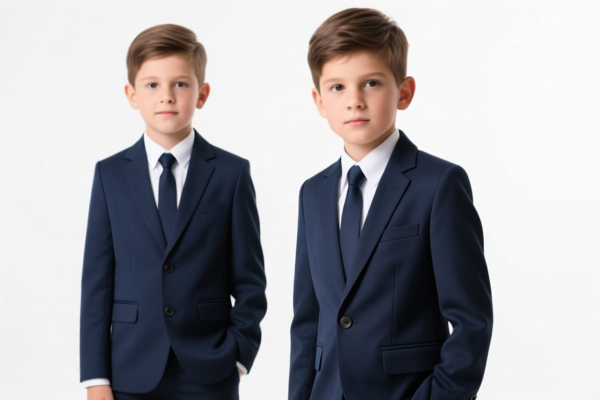
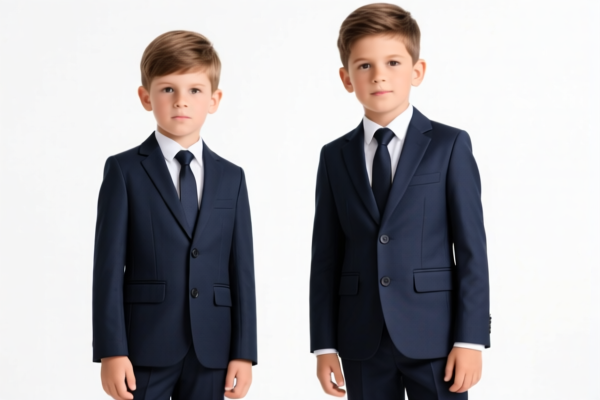
Product Images


AI Analysis
👕 Boys' Synthetic Fiber Shirt (Men's/Boys' Shirts)
🌐 HS Code Reference & Customs Clearance Guide | 2024/2025 Latest Tariff Analysis | Professional Compliance Strategy
📌 I. Product Definition & Classification: Understanding the "Synthetic Shirt"
A Boys' Synthetic Fiber Shirt is a top garment made from man-made fibers (such as polyester, nylon, or acrylic), designed for male children. In international trade, the critical distinction lies in the manufacturing process (Knitted vs. Woven/Non-knitted) and the intended use (Casual vs. Formal/Dress).
1. Knitted Shirts (Chapter 61): - Made from interlocking loops of yarn. - Generally softer, stretchier, and often used for casual wear, polos, or T-shirt styles. - Key HS Chapter: 61 (Articles of apparel and clothing accessories, knitted or crocheted).
2. Non-Knitted/Woven Shirts (Chapter 62): - Made from woven fabric. - Structured, crisp, often used for dress shirts, button-downs, or formal wear. - Key HS Chapter: 62 (Articles of apparel and clothing accessories, not knitted or crocheted).
⚠️ Critical Distinction Point:
- If the fabric is knitted (stretchy, looped structure) → Chapter 61
- If the fabric is woven (non-stretchy, cross-hatched structure) → Chapter 62
- Misclassification here can lead to severe duty discrepancies and customs delays.
📦 II. HS Code Classification Details (Based on Provided Data)
Based on the provided JSON data, the classification depends on whether the shirt is Knitted or Non-Knitted and the specific use case (Casual vs. Formal/Dress).
| HS Code | Product Description | Key Characteristics | Applicable Use Case |
|---|---|---|---|
6105.20.20.30 |
Knitted Shirt, Synthetic Fiber | Knitted construction, synthetic material | General Boys' Casual Wear |
6105.20.20.20 |
Knitted Shirt, Synthetic Fiber (Fallback) | Knitted construction, synthetic material | General Boys' Casual Wear (Fallback Classification) |
6205.30.20.40 |
Non-Knitted Shirt, Synthetic Fiber | Woven construction, synthetic material | Boys' Casual/Dress Shirt |
6205.30.20.20 |
Non-Knitted Shirt, Synthetic Fiber | Woven construction, synthetic material | Boys' Formal/Dress Shirt |
🔍 Key Insight:
- Knitted (6105.20): Subject to a flat percentage duty structure.
- Non-Knitted (6205.30): Subject to a Specific + Ad Valorem duty structure (cents per kg + percentage). This makes the weight of the shirt critical for cost calculation.
💰 III. 2024/2025 Latest Tariff Rate Breakdown (Including Surcharges)
✅ Applicable Market: United States (US)
✅ Origin: China (CN) (Implied by the "Section 122" and "301" references in tax details)
✅ Effective Time: Current Tariff Regime
🎯 1. Knitted Shirts (HS Codes: 6105.20.20.30 & 6105.20.20.20)
| Item | Content |
|---|---|
| Base Tariff | 32.0% |
| Section 301 Surtax | 7.5% |
| Section 122 Tariff | 10% |
| Total Tariff Rate | 49.5% |
| Tax Calculation | CIF Value × 49.5% |
| De Minimis Eligibility | ❌ Not Eligible (High duty rates usually exclude small package exemptions for China-origin goods under Section 301/122) |
| Legal Basis | HTSUS 6105.20.20 → Section 301 (32%) + Section 122 (10%) + IEEPA/Other (7.5%) |
📌 Explanation:
- These shirts are classified as Knitted. - The total duty is 49.5%. - This is a straightforward ad valorem (percentage-based) tax. - Note:6105.20.20.30and6105.20.20.20have identical tax rates in the provided data.
🎯 2. Non-Knitted/Woven Shirts (HS Codes: 6205.30.20.40 & 6205.30.20.20)
| Item | Content |
|---|---|
| Base Tariff | 29.1 ¢/kg + 25.9% |
| Section 301 Surtax | 7.5% |
| Section 122 Tariff | 10% |
| Total Tariff Rate | (29.1 ¢/kg) + 25.9% + 7.5% + 10% = 29.1 ¢/kg + 43.4% |
| Tax Calculation | (Weight in kg × $0.291) + (CIF Value × 43.4%) |
| De Minimis Eligibility | ❌ Not Eligible |
| Legal Basis | HTSUS 6205.30.20 → Specific Duty (29.1 ¢/kg) + Ad Valorem (25.9%) + Section 301 (7.5%) + Section 122 (10%) |
📌 Explanation:
- These shirts are classified as Non-Knitted. - The duty is a compound rate: A specific fee based on weight PLUS a percentage of value. - Total Effective Duty:
- Percentage Part: 25.9% (Base) + 7.5% (Sec 301) + 10% (Sec 122) = 43.4% - Specific Part: $0.291 per kilogram - Critical: The total tax depends on both the value and the weight of the shipment. Heavier shirts will incur higher specific duties.⚠️ Difference Between
6205.30.20.40and6205.30.20.20:
-.40: Typically used for general casual/dress shirts. -.20: Specifically for Formal/Dress shirts. - However, the tax rate is identical for both in the provided data.
🛠️ IV. Customs Clearance Practical Advice (Pitfall Avoidance Guide)
✅ 1. Documentation Checklist (Mandatory)
| Document | Required | Notes |
|---|---|---|
| ✅ Product Description | ✔️ | Must specify: "Boys' Shirt, Synthetic Fiber, Knitted/Non-Knitted" |
| ✅ Material Composition | ✔️ | E.g., "100% Polyester" or "65% Polyester/35% Cotton" (Synthetic content determines Chapter) |
| ✅ Construction Method | ✔️ | Knitted (Chapter 61) vs. Woven (Chapter 62) - Crucial for HS Code |
| ✅ Weight per Unit | ✔️ | Critical for Non-Knitted Shirts (6205) due to the $0.291/kg charge |
| ✅ Commercial Invoice | ✔️ | Must match the HS Code and declare CIF value accurately |
| ✅ Packing List | ✔️ | Show total gross weight to verify specific duty calculations |
| ✅ Photos | ✔️ | Show fabric texture (knit vs. weave) to support classification |
✅ 2. Classification Strategy (Key Rules)
🔥 "Knit vs. Woven Determines Chapter, Weight Matters for Non-Knit!"
| Scenario | Correct HS Code | Duty Impact |
|---|---|---|
| Knitted Shirt (e.g., Polo, T-shirt style) | 6105.20.20.30 or .20 |
49.5% of Value |
| Woven Shirt (Casual) | 6205.30.20.40 |
$0.291/kg + 43.4% of Value |
| Woven Dress Shirt (Formal) | 6205.30.20.20 |
$0.291/kg + 43.4% of Value |
| Mixed Fabric (e.g., Cotton/Poly) | Check Synthetic % | If synthetic >50%, use Synthetic codes; if <50%, use Cotton codes (different rates) |
📌 Note:
- If the shirt is knitted, you only care about the value.
- If the shirt is woven, you must accurately declare the weight (kg) to avoid underpayment penalties.
✅ 3. Special Cases & Warnings
| Case | Handling Advice |
|---|---|
| Lightweight Woven Shirt | The $0.291/kg might seem small, but for high-value, low-weight items, the 43.4% ad valorem rate dominates. For heavy, low-value items, the specific duty adds up. |
| Section 122 Impact | The 10% Section 122 tariff applies to all these classifications from China. No exemption for small packages under de minimis if value exceeds thresholds or if goods are specifically listed. |
| Origin Labeling | Ensure "Made in China" labels are clear. Mislabeling origin can lead to higher penalties and incorrect tariff application. |
| Child Safety Compliance | Ensure shirts meet US CPSC standards (flammability, lead content). While not affecting HS Code, failure to comply will block clearance. |
🌍 V. Cost Comparison: Knitted vs. Non-Knitted
| Feature | Knitted (6105.20) |
Non-Knitted (6205.30) |
|---|---|---|
| Duty Structure | Flat 49.5% | $0.291/kg + 43.4% |
| Complexity | Low (Value only) | High (Value + Weight) |
| Risk of Error | Low | Medium (Weight miscalculation) |
| Suitable For | Casual, stretchy shirts | Structured, formal shirts |
📌 Conclusion:
- Knitted shirts have a higher flat percentage (49.5%) but are simpler to calculate.
- Non-knitted shirts have a lower base percentage (43.4%) but add a per-kg charge. For very light shirts, the total duty might be lower than knitted; for heavy shirts, it could be higher.
- Always calculate both to determine the most competitive pricing strategy.
📌 VI. Common Errors & Pitfalls (Lessons Learned)
❌ Error 1: Classifying a Knitted shirt as Non-Knitted
👉 Consequence: Underpaying specific duties if weight is high, or overpaying if value is low. Customs may reclassify and charge back taxes + penalties.
❌ Error 2: Ignoring Section 122 and 301 Surcharges
👉 Consequence: Declaring only the "Base Rate" leads to underpayment. The actual rate is 49.5% (Knit) or 43.4% + Specific (Woven).
❌ Error 3: Incorrect Weight Declaration for Non-Knitted Shirts
👉 Consequence: If declared weight is lower than actual, you underpay the $0.291/kg charge. Customs audits will catch this.
❌ Error 4: Using "Shirt" Without Specifying Knit/Weave
👉 Consequence: Customs will assign a default HS Code, which may be incorrect and lead to delays or misclassification penalties.
✅ Correct Practice:
"Boys' Shirt, 100% Polyester, Knitted, Casual Style" →
6105.20.20.30
"Boys' Dress Shirt, 100% Polyester, Woven, Formal" →6205.30.20.20
🎯 VII. Conclusion: Professional Classification Saves Money!
🎯 Remember the Golden Rules:
🔹 "Knit = Chapter 61, 49.5% Flat."
🔹 "Woven = Chapter 62, $0.291/kg + 43.4%."
🔹 "Always Declare Weight for Woven Shirts."
🔹 "Section 122 & 301 Apply to All China-Origin Shirts."
📌 Pro Tip:
If you are importing large volumes, consider Section 301 Exclusions if available for your specific HTS code, or explore FTA Opportunities (e.g., if sourced from Vietnam or Mexico, though the provided data assumes China origin).
Always consult a licensed customs broker for pre-ruling on complex fabric blends.
📣 Act Now:
📞 Verify your fabric construction (Knit vs. Woven).
📊 Calculate total landed cost using both value and weight.
🚀 Ensure accurate documentation to avoid customs holds.
✨ Precise Classification is the Key to Profitable Apparel Trade!
💼 Don't let duty miscalculations eat your margins!
Customer Reviews
About HS Code Classification
The Harmonized System (HS) is an internationally standardized nomenclature developed by the World Customs Organization (WCO) to classify traded products. Over 200 countries use the HS system as the basis for customs tariffs, trade statistics, and import/export regulations.
Each HS code follows a hierarchical structure:
- Chapter (2 digits) — Broad category of goods (e.g., Chapter 84: Machinery and Mechanical Appliances)
- Heading (4 digits) — More specific grouping within the chapter
- Subheading (6 digits) — Internationally standardized breakdown, used by all WCO member countries
- National subdivisions (8-10 digits) — Country-specific extensions for further classification, such as US HTSUS 10-digit codes
Correct HS code classification is essential for smooth customs clearance, accurate duty payment, and compliance with trade regulations. Misclassification can lead to customs delays, overpayment of duties, or penalties.
When importing from CN to US, the applicable tariff rates may include:
- Most-Favored-Nation (MFN) rate — The standard duty rate applied to WTO members
- General rate — Applied to countries without trade agreements
- Trade remedy duties — Additional tariffs such as Section 301 (anti-dumping), Section 232 (national security), or countervailing duties
The information provided on this page is for reference purposes only. For official classification, please consult with your local customs authority or a licensed customs broker.