Boys' Synthetic Fiber Sportswear
CN → US| HS Code | Tariff Rate | Origin | Destination | Doc |
|---|---|---|---|---|
| 6105202030 | 49.5% | CN | US | Official Doc |
| 6105202020 | 49.5% | CN | US | Official Doc |
| 6205302040 | 0.0% | CN | US | Official Doc |
| 6205302020 | 0.0% | CN | US | Official Doc |
| 6205302020 | 0.0% | CN | US | Official Doc |
Product Images
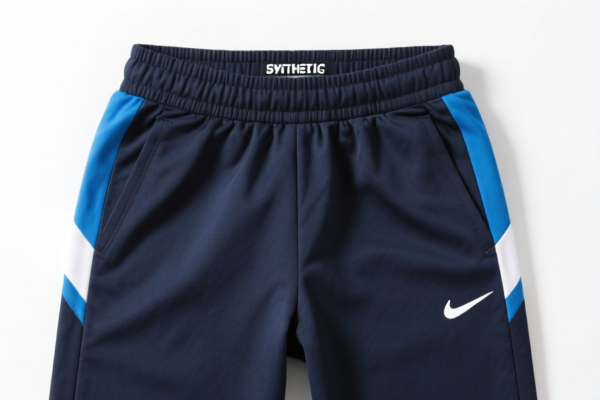
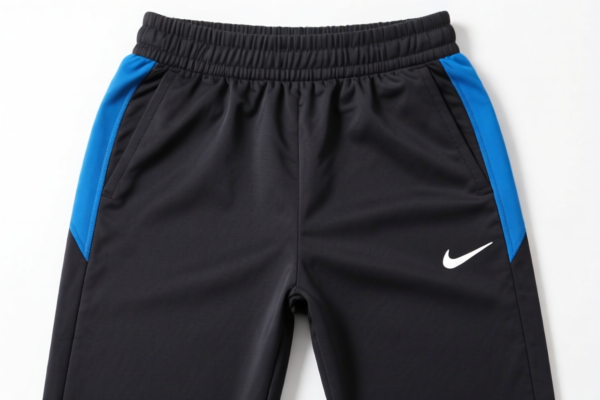
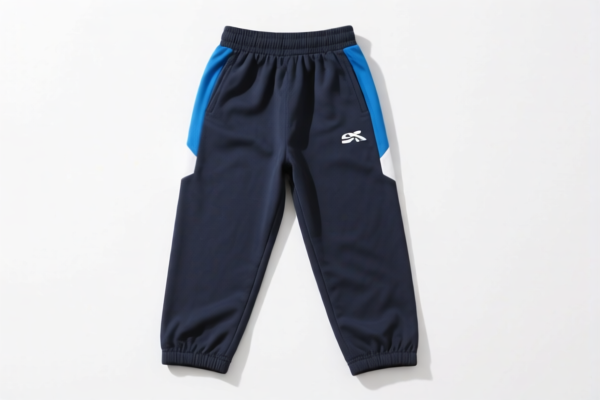
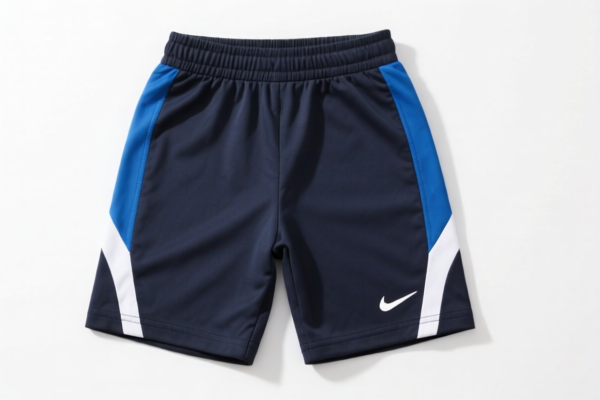
AI Analysis
👕 Boys' Synthetic Fiber Sportswear (Shirts & Apparel)
🌐 HS Code Reference & Customs Clearance Guide | 2026 Latest Tariff Analysis | Professional Entry Strategy
📌 I. Product Definition & Classification: What Exactly is "Synthetic Fiber Sportswear"?
"Boys' Synthetic Fiber Sportswear" in the provided dataset refers specifically to shirts and top garments made from synthetic fibers (such as polyester, nylon, acrylic) designed for boys.
In international trade, the classification depends heavily on the specific style and intended use: 1. Casual/General Shirts: Basic synthetic shirts for everyday wear. 2. Formal/Semi-Formal Shirts: Shirts designated for dressy or smart-casual occasions (often treated differently due to material density and finish).
⚠️ Key Distinction:
- If the garment is a standard boy’s shirt (collared or casual) made of synthetic fiber → Falls under 6105 or 6205.
- The dataset specifically highlights "Boy’s Synthetic Fiber Shirt" and "Boy’s Synthetic Fiber Formal/Casual Shirt".
- Note: The tax rates differ significantly based on whether the item is classified as a simple shirt (6105) or a formal/casual dress shirt (6205).
📦 II. HS Code Classification Details (2026 Latest Tariff Authority Comparison)
| HS Code | Product Description | Specific Attribute | Category/Nature |
|--------|--------------------------|--------------------------|
| 6105.20.20.30 | Boy’s Synthetic Fiber Shirt | Material: Synthetic Fiber
Use: For Boys
Form: Shirt | General/Casual Shirt |
| 6105.20.20.20 | Boy’s Synthetic Fiber Shirt | Material: Synthetic Fiber
Use: For Boys
Form: Shirt | Other Category (Alternative Subheading) |
| 6205.30.20.40 | Boy’s Synthetic Fiber Formal/Casual Shirt | Material: Synthetic Fiber
Use: For Boys
Form: Formal/Casual Shirt | Dress Shirt / Smart-Casual |
| 6205.30.20.20 | Boy’s Synthetic Fiber Formal/Casual Shirt | Material: Synthetic Fiber
Use: For Boys
Form: Formal/Casual Shirt | Dress/Formal Category (Alternative Subheading) |
🔍 Important Note:
- The data shows two distinct tariff structures:
1. ~49.5% Total Tax for HS Codes6105.20.20.30and6105.20.20.20.
2. ~29.1¢/kg + 25.9% + 17.5% Total Tax for HS Codes6205.30.20.40and6205.30.20.20.
- Why the difference?6105typically covers knitted or crocheted shirts, while6205covers woven shirts. The tariff calculation method changes from pure ad valorem to mixed (specific + ad valorem) for woven formal/casual shirts.
💰 III. 2026 Latest Tariff Rate Breakdown (Including Additional Duties & Policy Surcharges)
✅ Applicable Country: United States (US)
✅ Origin: China (CN)
✅ Effective Date: 2025–2026 Period (Based on current trade policies)
🎯 1. 6105.20.20.30 & 6105.20.20.20 —— Boy’s Synthetic Fiber Shirt (General)
| Item | Content |
|---|---|
| Base Tariff | 32.0% (Ad Valorem) |
| Section 301 Surcharge | +7.5% |
| Section 122 Tariff | +10% |
| Total Tax Rate | 49.5% |
| Tax Calculation | CIF Value × 49.5% |
| De Minimis Exemption | ❌ Not Eligible (deny_de_minimis) |
| Legal Basis Path | Base Tariff (6105.20) → Section 301 (7.5%) → Section 122 (10%) |
📌 Explanation:
- This category applies to knitted/crocheted or general synthetic shirts for boys.
- The 49.5% rate is extremely high, combining base duty, Section 301 trade remedy duties, and Section 122 (China-specific) tariffs.
- No de minimis exemption: Even small shipments must pay the full 49.5% tax.
🎯 2. 6205.30.20.40 & 6205.30.20.20 —— Boy’s Synthetic Fiber Formal/Casual Shirt (Woven)
| Item | Content |
|---|---|
| Base Tariff | 29.1¢/kg + 25.9% (Mixed Rate) |
| Section 301 Surcharge | +7.5% |
| Section 122 Tariff | +10% |
| Total Tax Structure | (29.1¢/kg) + (25.9% + 7.5% + 10%) = (29.1¢/kg) + 43.4% |
| Tax Calculation | (Weight in kg × $0.291) + (CIF Value × 43.4%) |
| De Minimis Exemption | ❌ Not Eligible (deny_de_minimis) |
| Legal Basis Path | Base Tariff (6205.30) → Section 301 (7.5%) → Section 122 (10%) |
📌 Explanation:
- This category applies to woven shirts intended for formal or smart-casual wear.
- The tariff is mixed: a specific duty per kilogram PLUS an ad valorem percentage.
- Total Effective Rate: Approximately 43.4% + 29.1¢/kg.
- Why higher complexity? Woven garments often have different duty structures. The "Formal/Casual" designation triggers this mixed rate.
- Note: The dataset lists6205.30.20.20twice with identical tax details, indicating multiple sub-headings may share the same rate for formal/casual shirts.
🛠️ IV. Customs Clearance Practical Advice (Actionable Pitfall Avoidance Guide)
✅ 1. Required Documentation Checklist (Non-negotiable)
| Document | Must Provide | Purpose |
|---|---|---|
| ✅ Product Specification Sheet | ✔️ | Must explicitly state: Fiber Content (e.g., 100% Polyester), Knit/Woven, Gender (Boys), Style (Formal/Casual/Casual). |
| ✅ Fabric Sample/Description | ✔️ | To distinguish between 6105 (Knitted) and 6205 (Woven). This is the single most critical factor for classification. |
| ✅ Commercial Invoice | ✔️ | Clearly describe as "Boys' Synthetic Fiber Shirt" + "Style: Formal/Casual" if applicable. |
| ✅ Packing List | ✔️ | Must include Net Weight (kg) and Gross Weight (kg). Essential for calculating the 29.1¢/kg specific duty. |
| ✅ Origin Certificate | ✔️ | Proves origin as China (CN) to apply correct Section 301/122 tariffs. |
✅ 2. Classification Strategy (Key Mnemonics)
🔥 “Knit is 6105, Woven is 6205; Formal adds Specific Duty, Casual is % Only!”
| Scenario | Correct HS Code | Tax Type | Risk if Misclassified |
|---|---|---|---|
| Knitted Shirt (T-shirt style, jersey) | 6105.20.20.30 |
49.5% Ad Valorem | If misclassified as Woven → Potential duty underpayment or penalty |
| Woven Shirt (Dress shirt, oxford) | 6205.30.20.40 |
29.1¢/kg + 43.4% | If misclassified as Knitted → Avoids specific duty, but high risk of audit |
| Formal/Casual Woven Shirt | 6205.30.20.20 |
29.1¢/kg + 43.4% | Same as above; "Formal" label may trigger different regulatory scrutiny |
| Children’s Clothing | All above | No de minimis | Never claim de minimis for China-origin children’s synthetic wear |
✅ 3. Special Case Handling
| Situation | Handling Advice |
|---|---|
| Mixed Materials (e.g., 80% Polyester, 20% Cotton) | Must still declare 100% Fiber Composition. If synthetic >50%, it falls under "Synthetic Fiber" subheadings (6105.20 or 6205.30). |
| OEM/Private Label | Provide design specs and supplier invoices. Ensure the "Boy's" classification is consistent with sizing charts (e.g., sizes 4-7X). |
| Woven vs. Knit Ambiguity | If unsure, provide a fabric swatch to the customs broker. Woven has a grid structure; Knit has loops. This determines 6105 vs 6205. |
| High-Value Formal Shirts | For 6205 items, ensure the weight on the packing list is accurate. The 29.1¢/kg fee can add up significantly for heavy fabrics. |
🌍 V. Global Market Comparison (2026 Latest)
| Country/Region | Recommended HS Code | Tariff (China Origin) | Key Requirement | Notes |
|---|---|---|---|---|
| 🇺🇸 USA | 6105.20.20.30 / 6205.30.20.40 |
49.5% or ~43.4% + $0.29/kg | Section 301 & 122 Apply | Highest duty rate globally for these goods. |
| 🇨🇳 China | 6105.20 / 6205.30 |
~9-13% | CCC (if applicable) | No Section 301/122. Lower duty, no surcharge. |
| 🇪🇺 EU | 6105.10 / 6205.20 |
~12-16.5% | CE (if safety gear) | Standard WTO rates. No Section 301. |
| 🇨🇦 Canada | 6105.20 / 6205.30 |
~18-19.5% | NAFTA/CUSMA Rules | Higher base duty, but stable. |
| 🇬🇧 UK | 6105.20 / 6205.30 |
~12-16% | UKCA Mark | Post-Brexit rules apply. |
📌 Conclusion:
- The US market is the most expensive for synthetic boys' shirts due to Section 301 and Section 122 tariffs.
- Knitted shirts (6105) have a flat 49.5% rate.
- Woven shirts (6205) have a complex mixed rate (~43.4% + weight-based fee).
- No de minimis exemption applies to China-origin children’s clothing in the US.
📌 VI. Common Errors & Pitfall Guide (Lessons Learned)
❌ Error 1: Misclassifying a Woven Formal Shirt as a Knitted Casual Shirt (6105)
👉 Consequence: You might think you're paying 49.5%, but if it’s actually 6205, the specific duty (29.1¢/kg) could lead to a different total cost depending on weight. More importantly, incorrect classification leads to penalties.
❌ Error 2: Claiming De Minimis for shipments under $800
👉 Consequence: Denied. Section 301 and Section 122 goods from China are explicitly excluded from de minimis. The entire shipment is taxed at ~49.5%.
❌ Error 3: Ignoring Weight for 6205 shipments
👉 Consequence: For 6205.30.20.40/20, you must pay 29.1¢ per kg. If your packing list weight is inaccurate, you will face post-audit assessments.
❌ Error 4: Vague Description ("Synthetic Shirt")
👉 Consequence: Customs may classify as "Other Apparel" with higher base rates or flag for inspection. Always specify Knit/Woven, Formal/Casual, and Fiber Content.
✅ Correct Practice:
"Boys' Woven Synthetic Fiber Formal Shirt, 100% Polyester, Size 6, HS Code 6205.30.20.40, Origin: China"
🎯 VII. Conclusion: Professional Classification Saves Money!
🎯 Remember the Mnemonic:
🔹 "Knit is 6105 (49.5%), Woven is 6205 (Mixed Rate)"
🔹 "No De Minimis for China Synthetics, 100% Tax Applies!"
🔹 "Check the Fabric: Knit or Woven? That’s the Key!"
📌 Pro Tip:
If you are importing knitted shirts (
6105), the tax is simpler (flat 49.5%).
If you are importing woven shirts (6205), calculate the weight-based fee carefully.
Always consult a licensed customs broker to confirm Knit vs. Woven status before shipment.
📣 Immediate Action:
📞 Contact a Customs Broker + Provide Fabric Swatch + Get HS Code Pre-Ruling
🚀 Avoid Surprises: Ensure your Packing List has accurate Net Weight for6205items.
✨ Precise Classification, Smooth Customs, Higher Profits!
💼 Your Bottom Line Depends on the Details!
Customer Reviews
About HS Code Classification
The Harmonized System (HS) is an internationally standardized nomenclature developed by the World Customs Organization (WCO) to classify traded products. Over 200 countries use the HS system as the basis for customs tariffs, trade statistics, and import/export regulations.
Each HS code follows a hierarchical structure:
- Chapter (2 digits) — Broad category of goods (e.g., Chapter 84: Machinery and Mechanical Appliances)
- Heading (4 digits) — More specific grouping within the chapter
- Subheading (6 digits) — Internationally standardized breakdown, used by all WCO member countries
- National subdivisions (8-10 digits) — Country-specific extensions for further classification, such as US HTSUS 10-digit codes
Correct HS code classification is essential for smooth customs clearance, accurate duty payment, and compliance with trade regulations. Misclassification can lead to customs delays, overpayment of duties, or penalties.
When importing from CN to US, the applicable tariff rates may include:
- Most-Favored-Nation (MFN) rate — The standard duty rate applied to WTO members
- General rate — Applied to countries without trade agreements
- Trade remedy duties — Additional tariffs such as Section 301 (anti-dumping), Section 232 (national security), or countervailing duties
The information provided on this page is for reference purposes only. For official classification, please consult with your local customs authority or a licensed customs broker.