Boys' Synthetic Fiber Trench Coat Jacket
CN → US| HS Code | Tariff Rate | Origin | Destination | Doc |
|---|---|---|---|---|
| 6101200020 | 33.4% | CN | US | Official Doc |
| 6101302020 | 45.7% | CN | US | Official Doc |
| 6201402020 | 45.2% | CN | US | Official Doc |
| 6211329075 | 25.6% | CN | US | Official Doc |
| 6211339058 | 33.5% | CN | US | Official Doc |
Product Images
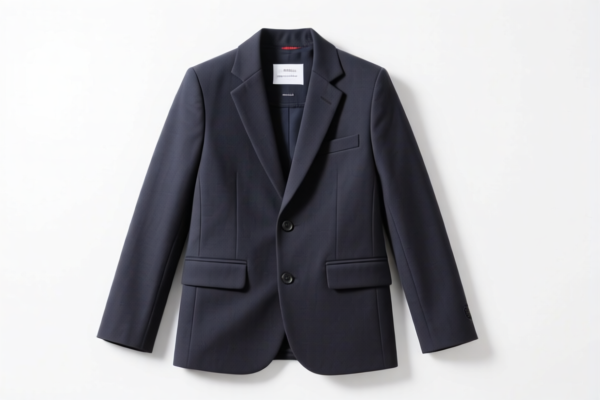
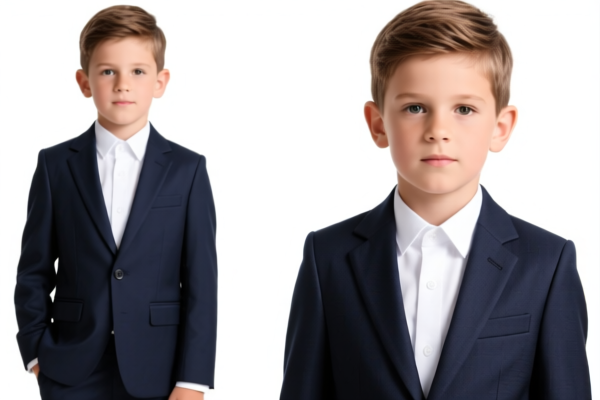
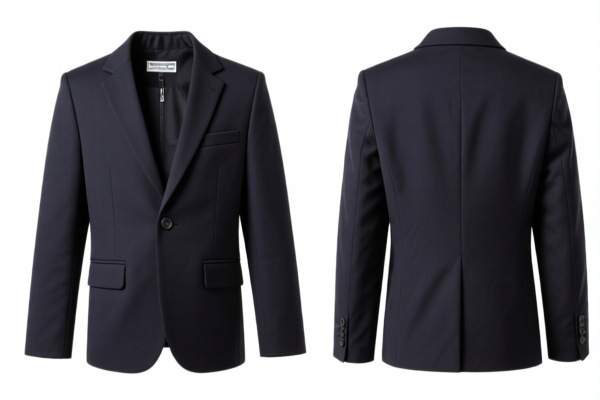
AI Analysis
👕 Boys' Synthetic Fiber Trench Coat Jacket
🌐 HS Code Reference & Clearance Guide | 2026 Latest Tariff Analysis | Strategic Customs Strategy
📌 1. Product Definition & Classification: Do You Really Understand "Boys' Synthetic Fiber Trench Coats"?
Boys' trench coats are essential outerwear for spring and autumn, designed to provide wind and water resistance while maintaining a formal or semi-formal look. In international trade, they are classified based on material composition and garment type:
Trench Coats (Outerwear): Long coats, typically knee-length or longer, with a belted waist, lapels, and storm flaps.
Jackets (Outerwear): Shorter garments, typically ending at the waist or hips, often featuring zippers or buttons.
⚠️ Key Distinction:
- If the garment is primarily for outerwear and made of synthetic fibers (e.g., polyester, nylon), it falls under Chapter 61 (Knitted/Crocheted) or Chapter 62 (Non-Knitted).
- If it is a trench coat style, it is usually classified under 6101 (Knitted/Crocheted) or 6201 (Non-Knitted).
- If it is a jacket style (shorter), it falls under 6103 (Boys' suits/ensembles) or 6203 (Non-Knitted).
📦 2. HS Code Classification Details (2026 Latest Tariff Authority Comparison)
Based on the provided data, here are the relevant HS codes for Boys' Synthetic Fiber Trench Coats/Jackets:
| HS Code | Product Description | Material | Total Tax Rate | Key Tax Components |
|---|---|---|---|---|
6101.20.00.20 |
Boys' Trench Coats, Cotton | Cotton | 33.4% | Base: 15.9%, Sec 301: 7.5%, Section 122: 10% |
6101.30.20.20 |
Boys' Trench Coats, Synthetic/Natural Fiber | Synthetic/Natural Fiber | 45.7% | Base: 28.2%, Sec 301: 7.5%, Section 122: 10% |
6201.40.20.20 |
Boys' Trench Coats, Textile | Textile (Non-Knitted) | 45.2% | Base: 27.7%, Sec 301: 7.5%, Section 122: 10% |
6211.32.90.75 |
Boys' Jackets, Cotton | Cotton | 25.6% | Base: 8.1%, Sec 301: 7.5%, Section 122: 10% |
6211.33.90.58 |
Boys' Jackets, Artificial Fiber | Artificial/Synthetic Fiber | 33.5% | Base: 16.0%, Sec 301: 7.5%, Section 122: 10% |
🔍 Focus for Synthetic Fiber Trench Coats:
- If Knitted/Crocheted:6101.30.20.20(45.7%)
- If Non-Knitted (Woven):6201.40.20.20(45.2%)
- If Jacket-style (Shorter):6211.33.90.58(33.5%)
💰 3. 2026 Latest Tariff Rate Details (Including Additional Taxes & Policy Additions)
✅ Applicable Country: United States (US)
✅ Origin: China (CN)
✅ Effective Date: 2025/2026 (Subject to current trade policies)
🎯 1. 6101.30.20.20 – Boys' Trench Coats, Synthetic/Natural Fiber (Knitted)
| Item | Details |
|---|---|
| Base Tariff | 28.2% (ad valorem) |
| Section 301 Tariff | +7.5% (Trade War Additional Tariff) |
| Section 122 Tariff | +10% (Additional Tariff under Section 122) |
| Total Tax Rate | 45.7% |
| Tax Calculation | CIF Value × 45.7% |
| De Minimis Eligibility | ❌ No (High tariff threshold) |
| Legal Basis Path | USITC:6101.30.20.20 → Section 301:7.5% → Section 122:10% |
📌 Explanation:
- Base Tariff (28.2%): Standard duty for knitted boys' outerwear made of synthetic fibers.
- Section 301 (7.5%): Additional tariff imposed on Chinese goods under the Trade Enhancement Act.
- Section 122 (10%): Additional tariff under Section 122 for specific textile/apparel items.
- Total: 45.7% is a high tariff rate, significantly impacting cost.
🎯 2. 6201.40.20.20 – Boys' Trench Coats, Textile (Non-Knitted)
| Item | Details |
|---|---|
| Base Tariff | 27.7% (ad valorem) |
| Section 301 Tariff | +7.5% |
| Section 122 Tariff | +10% |
| Total Tax Rate | 45.2% |
| Tax Calculation | CIF Value × 45.2% |
| De Minimis Eligibility | ❌ No |
| Legal Basis Path | USITC:6201.40.20.20 → Section 301:7.5% → Section 122:10% |
📌 Explanation:
- Similar to knitted trench coats, but for woven/non-knitted fabrics.
- Total: 45.2% is also very high.
- Key Note: Ensure the product is correctly identified as "Trench Coat" (long outerwear) vs. "Jacket" (shorter) to avoid misclassification.
🎯 3. 6211.33.90.58 – Boys' Jackets, Artificial Fiber (Non-Knitted)
| Item | Details |
|---|---|
| Base Tariff | 16.0% (ad valorem) |
| Section 301 Tariff | +7.5% |
| Section 122 Tariff | +10% |
| Total Tax Rate | 33.5% |
| Tax Calculation | CIF Value × 33.5% |
| De Minimis Eligibility | ❌ No |
| Legal Basis Path | USITC:6211.33.90.58 → Section 301:7.5% → Section 122:10% |
📌 Explanation:
- If the product is a Jacket (shorter length) rather than a Trench Coat, the base tariff is lower (16.0% vs. 27.7%/28.2%).
- Total: 33.5% is lower than trench coats but still significant.
- Strategic Tip: If the design allows, consider classifying as a "Jacket" instead of a "Trench Coat" to save 12.2% in tariffs.
🛠️ 4. Customs Clearance Practical Advice (Real-World Pitfall Avoidance Guide)
✅ 1. Required Documentation Checklist (All Mandatory)
| Document | Must Provide | Description |
|---|---|---|
| ✅ Product Specification Sheet | ✔️ | Fabric composition (e.g., 100% Polyester), lining, closures |
| ✅ Garment Photos (Front/Back/Side) | ✔️ | Clearly show length, style (trench vs. jacket), and details |
| ✅ Composition Label | ✔️ | Must match invoice and specification sheet |
| ✅ Commercial Invoice | ✔️ | Accurate description: "Boys' Synthetic Fiber Trench Coat/Jacket" |
| ✅ Packing List | ✔️ | Quantity, weight, and dimensions per carton |
| ✅ Origin Certificate (if applicable) | ✔️ | If not from China, may qualify for lower rates |
✅ 2. Declaration Tips (Key Mantra)
🔥 "Length Defines Category, Fiber Defines Base, Style Defines Code!"
| Scenario | Correct Declaration | Incorrect Practice |
|---|---|---|
| Long Coat (Knee-Length) | 6101.30.20.20 or 6201.40.20.20 |
Misdeclared as Jacket → Penalty |
| Short Coat (Waist-Length) | 6211.33.90.58 |
Misdeclared as Trench Coat → Higher Tax |
| Knitted Fabric | 6101 or 6211 (if knitted jacket) |
Misdeclared as Woven → 45% vs 33.5% |
| Synthetic Fiber | "Polyester," "Nylon," etc. | Vague "Textile" → Potential Audit |
✅ 3. Special Cases Handling
| Situation | Handling Advice |
|---|---|
| Mixed Materials | If >50% synthetic, use synthetic code. If mixed, use predominant fiber. |
| OEM Customization | Provide design drawings to confirm "Trench" vs. "Jacket" style. |
| Seasonal Imports | Ensure invoice date matches shipment to avoid duty changes. |
| High-Value Items | Consider Advance Ruling (ACE) to confirm classification. |
🌍 5. Global Market Clearance Comparison (2026 Latest)
| Country/Region | Recommended HS Code | Tariff (China Origin) | Certification Requirements | Remarks |
|---|---|---|---|---|
| 🇺🇸 USA | 6201.40.20.20 |
45.2% | CPSIA, ASTM F963 | High tariff due to Section 301 & 122 |
| 🇨🇳 China | 6201.40.20.20 |
~12-15% | CCC (if applicable) | No Section 301/122 |
| 🇪🇺 EU | 6201.40.20.20 |
~12% | CE, REACH | No Section 301/122 |
| 🇬🇧 UK | 6201.40.20.20 |
~12% | UKCA, REACH | Post-Brexit rules apply |
| 🇦🇺 Australia | 6201.40.20.20 |
~5% | ACCC | No Section 301/122 |
📌 Conclusion:
- USA is the highest-cost market for boys' synthetic fiber outerwear due to Section 301 (7.5%) and Section 122 (10%) additional tariffs.
- Base Tariffs in EU/UK/AU are significantly lower (~5-15%).
- Strategy: If targeting US, consider jacket-style classification (33.5% vs. 45.2%) or sourcing from non-China origins to avoid Section 301/122.
📌 6. Common Errors & Pitfall Guide (Lessons Learned)
❌ Error 1: Misclassifying "Jacket" as "Trench Coat"
👉 Consequence: 45.2% vs 33.5% → 11.7% extra cost per item!
❌ Error 2: Misidentifying "Knitted" vs. "Woven"
👉 Consequence: 6101.30.20.20 (45.7%) vs 6201.40.20.20 (45.2%) → Minor difference, but misdeclaration can lead to audits.
❌ Error 3: Vague Description "Boys' Coat"
👉 Consequence: Customs may assign highest possible rate or hold shipment for clarification.
❌ Error 4: Ignoring Section 122 Tariff
👉 Consequence: Underpayment by 10%, leading to penalties and back duties.
✅ Correct Practice:
"Boys' Synthetic Fiber Trench Coat, 100% Polyester, Woven, Knee-Length, Zipper Closure, Model XYZ, Compliant with ASTM F963"
🎯 7. Conclusion: Precise Classification Saves Money!
🎯 Key Takeaways:
🔹 "Trench Coat vs. Jacket: 12.2% Difference!"
🔹 "Section 301 + Section 122 = 17.5% Extra Cost!"
🔹 "Knitted vs. Woven: Minor Base Difference, But Critical for Accuracy!"
📌 Pro Tip:
If your product is jacket-style (waist-length), declare as
6211.33.90.58to save 12.2% in tariffs (33.5% vs. 45.2%).
For trench coats, expect 45.2-45.7% total tax.
Always provide clear photos and specifications to avoid misclassification.
📣 Immediate Action:
📞 Consult a licensed customs broker for Advance Ruling.
📸 Provide clear product images to confirm "Trench" vs. "Jacket" style.
🚀 Optimize your supply chain to minimize tariff impact.
✨ Precision in Classification, Profit in Clearance!
💼 Every dollar saved in tariffs is pure profit!
Customer Reviews
About HS Code Classification
The Harmonized System (HS) is an internationally standardized nomenclature developed by the World Customs Organization (WCO) to classify traded products. Over 200 countries use the HS system as the basis for customs tariffs, trade statistics, and import/export regulations.
Each HS code follows a hierarchical structure:
- Chapter (2 digits) — Broad category of goods (e.g., Chapter 84: Machinery and Mechanical Appliances)
- Heading (4 digits) — More specific grouping within the chapter
- Subheading (6 digits) — Internationally standardized breakdown, used by all WCO member countries
- National subdivisions (8-10 digits) — Country-specific extensions for further classification, such as US HTSUS 10-digit codes
Correct HS code classification is essential for smooth customs clearance, accurate duty payment, and compliance with trade regulations. Misclassification can lead to customs delays, overpayment of duties, or penalties.
When importing from CN to US, the applicable tariff rates may include:
- Most-Favored-Nation (MFN) rate — The standard duty rate applied to WTO members
- General rate — Applied to countries without trade agreements
- Trade remedy duties — Additional tariffs such as Section 301 (anti-dumping), Section 232 (national security), or countervailing duties
The information provided on this page is for reference purposes only. For official classification, please consult with your local customs authority or a licensed customs broker.