Boys' Thickened Winter Jackets
CN → US| HS Code | Tariff Rate | Origin | Destination | Doc |
|---|---|---|---|---|
| 6201407000 | 24.6% | CN | US | Official Doc |
| 6210205029 | 24.6% | CN | US | Official Doc |
| 6201405011 | 45.2% | CN | US | Official Doc |
| 6210205020 | 24.6% | CN | US | Official Doc |
| 6101200010 | 33.4% | CN | US | Official Doc |
Product Images
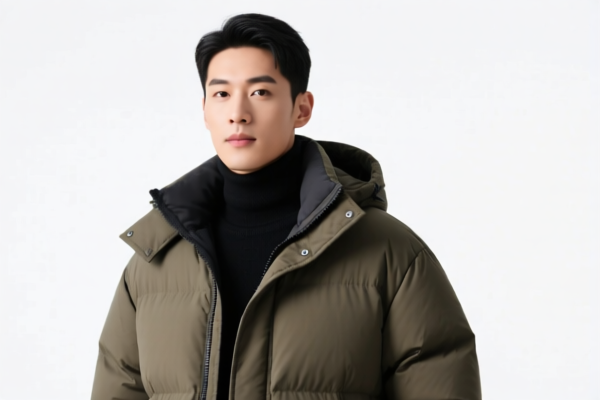
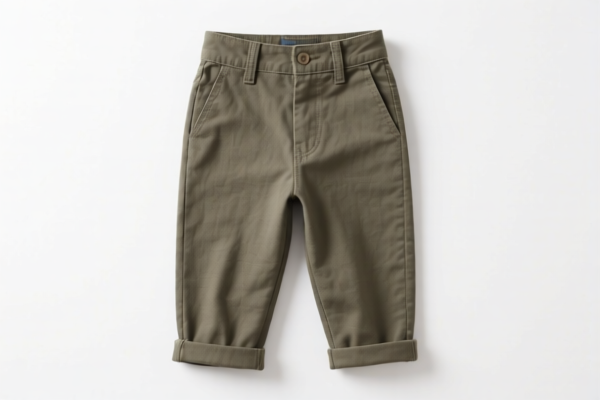
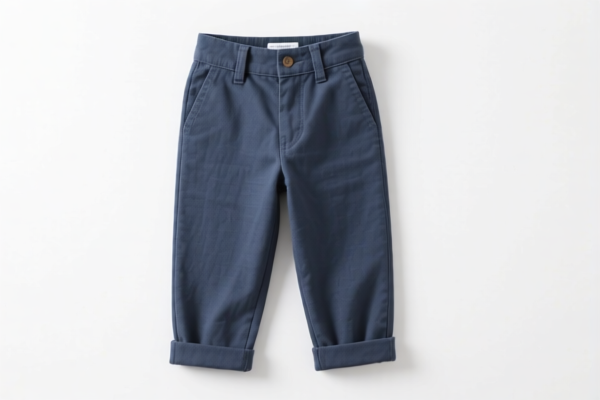
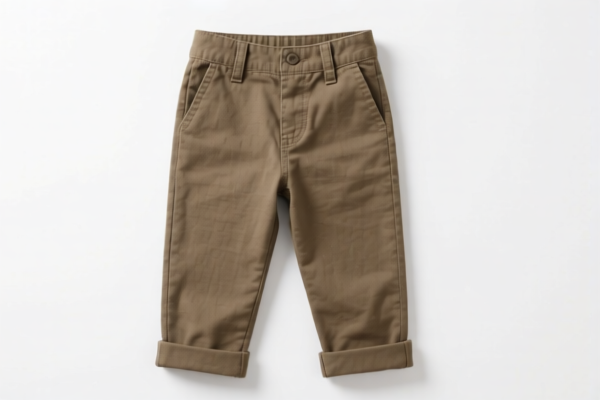
AI Analysis
🧥 Boys' Thickened Winter Jackets: Global Trade Classification & Duty Strategy (2026)
🌐 HS Code Reference & Clearance Guide | 2026 Tariff Breakdown | Professional Customs Strategy
📌 I. Product Definition & Classification: Are You Classifying "Boys' Jackets" Correctly?
"Boys' Thickened Winter Jackets" are essential outerwear designed for thermal insulation during cold seasons. In international trade, these garments fall under Chapter 61 (Knitted) or Chapter 62 (Woven/Non-Knitted). The classification hinges on fabric composition (Cotton vs. Synthetic vs. Man-made) and construction method.
Crucial Classification Distinction:
* Knitted (Chapter 61): Fabric is knitted (e.g., jersey, fleece). → Primary HS Code: 6101.20.00.10
* Woven/Non-Knitted (Chapter 62): Fabric is woven (e.g., nylon shell, polyester shell).
* Specifically Designed: Garments designed specifically for warmth (lined, quilted, padded). → Primary HS Codes: 6201.40.50.11, 6201.40.70.00
* Other Woven: Jackets that are woven but not specifically "thickened/warm" in the strict sense, or made of specific fiber mixes. → Primary HS Codes: 6210.20.50.20, 6210.20.50.29
⚠️ Key Distinction Point:
- If the fabric is knitted (stretchy, jersey-like) →6101.20.00.10(Base Duty: 15.9%).
- If the fabric is woven (nylon/polyester shell) and specifically for warmth (quilted/padded) →6201.40.50.11(Base Duty: 27.7%).
- If the fabric is woven but classified under "other" or specific fiber mixes →6210.20...series (Base Duty: 7.1%).
📦 II. HS Code Classification Details (2026 Authorized Tariff对照)
Based on the provided dataset, here is the detailed breakdown for Boys' Thickened Winter Jackets:
| HS Code | Product Description | Material Inference | Application Scenario |
|---|---|---|---|
6101.20.00.10 |
Boys' Winter Jackets, Knitted, Thickened | Cotton or Synthetic Fibers | Knitted fleece, sweatshirt-style winter coats. |
6201.40.50.11 |
Boys' Thickened Jackets, Woven, Specific Warmth | Man-made / Synthetic Fibers | High-end nylon/polyester shells, heavily quilted, high-warmth standards. |
6201.40.70.00 |
Boys' Thickened Jackets, Woven, General Warmth | Man-made Fibers | Standard winter parkas, windbreakers with lining. |
6210.20.50.20 |
Boys' Jackets, Woven, Other/Special | Man-made / Synthetic Fibers | Jackets with specific technical finishes or blends not meeting "specific warmth" criteria. |
6210.20.50.29 |
Boys' Jackets, Woven, Other (Misc) | Man-made or Similar Fibers | General synthetic winter wear, mixed fiber blends. |
🔍 Focus Reminder:
-6201.40.50.11carries the highest base tariff (27.7%) because it classifies as specifically designed for warmth with synthetic fibers.
-6101.20.00.10(Knitted) sits in the middle (15.9%) due to material (Cotton/Synthetic).
-6210.20.50.xxseries generally has the lowest base tariff (7.1%) but requires careful material verification.
💰 III. 2026 Tariff Rate Breakdown (Including Additional Duties & Policies)
✅ Applicable Market: United States (US)
✅ Country of Origin: China (CN)
✅ Effective Time: November 10, 2025 (and subsequent imports)
🎯 1. 6101.20.00.10 — Knitted Boys' Winter Jackets (Cotton/Synthetic)
| Item | Content |
|---|---|
| Base Tariff | 15.9% (ad valorem) |
| Additional Duty (Section 301) | +7.5% (China-specific penalty) |
| 122 Clause Tariff | +10% (Specific Section 122 penalty) |
| Total Rate | 33.4% |
| Calculation | CIF Value × 33.4% |
| De Minimis Exemption? | ❌ No (Denied for textile/garment sectors) |
| Legal Path | Base: 6101.20.00.10 → Add: 7.5% → Clause 122: 10% |
📌 Explanation:
- Base 15.9% is standard for knitted cotton/synthetic boys' wear.
- 7.5% is the "Section 301" add-on for Chinese textiles.
- 10% is the specific "Clause 122" tariff.
- Total 33.4%: High but lower than the "specific warmth" category.
🎯 2. 6201.40.50.11 — Woven Thickened Jackets (Synthetic/Man-made)
| Item | Content |
|---|---|
| Base Tariff | 27.7% (ad valorem) |
| Additional Duty (Section 301) | +7.5% |
| 122 Clause Tariff | +10% |
| Total Rate | 45.2% |
| Calculation | CIF Value × 45.2% |
| De Minimis Exemption? | ❌ No |
| Legal Path | Base: 6201.40.50.11 → Add: 7.5% → Clause 122: 10% |
📌 Warning:
- This is the most expensive classification (45.2%).
- It applies when the jacket is woven AND specifically designed for warmth with synthetic fibers.
- Cost Impact: A $100 jacket incurs $45.20 in duties alone!
🎯 3. 6201.40.70.00 — Woven Thickened Jackets (General Synthetic)
| Item | Content |
|---|---|
| Base Tariff | 7.1% (ad valorem) |
| Additional Duty (Section 301) | +7.5% |
| 122 Clause Tariff | +10% |
| Total Rate | 24.6% |
| Calculation | CIF Value × 24.6% |
| De Minimis Exemption? | ❌ No |
| Legal Path | Base: 6201.40.70.00 → Add: 7.5% → Clause 122: 10% |
📌 Note:
- This code often applies to woven jackets that are thickened but do not meet the strict "specific warmth" definition of 6201.40.50.11, or are made of different synthetic ratios.
- Savings: ~20% lower than the 45.2% bracket!
🎯 4. 6210.20.50.20 & 6210.20.50.29 — Woven Jackets (Other)
| Item | Content |
|---|---|
| Base Tariff | 7.1% (ad valorem) |
| Additional Duty (Section 301) | +7.5% |
| 122 Clause Tariff | +10% |
| Total Rate | 24.6% |
| Calculation | CIF Value × 24.6% |
| De Minimis Exemption? | ❌ No |
| Legal Path | Base: 6210.20... → Add: 7.5% → Clause 122: 10% |
📌 Note:
- Similar to6201.40.70.00, these codes offer the lowest total duty (24.6%).
- Applicable if the garment is woven but falls under "Other" categories or specific fiber blends not classified as "specific warmth."
🛠️ IV. Customs Clearance Practical Advice (Real-World Pitfall Avoidance)
✅ 1. Preparation Checklist (Mandatory)
| Document | Required? | Why? |
|---|---|---|
| ✅ Fabric Composition Label | ✔️ | Must clearly state % of Cotton vs. Synthetic. Critical for 6101 vs 62xx. |
| ✅ Construction Diagram | ✔️ | Show if it is knitted (looped) or woven (crossed). Distinguishes 6101 from 62xx. |
| ✅ "Warmth" Certification | ✔️ | If claiming "thickened/warm," prove it (e.g., fill power, lining type). Avoids misclassification to 6201.40.50.11. |
| ✅ Photos (Front/Back/Detail) | ✔️ | Show collar, zipper, and lining. |
| ✅ Commercial Invoice | ✔️ | Must specify "Boys' Winter Jacket" + HS Code. |
| ✅ Origin Certificate (CO) | ✔️ | Confirms China origin for Section 301/122 application. |
✅ 2. Declaration Strategy (Key Formula)
🔥 Rule of Thumb: "Knitted = 61xx, Woven = 62xx; Specific Warmth = High Duty, General = Lower Duty."
| Scenario | Correct Declaration | Incorrect Declaration (Risk) |
|---|---|---|
| Knitted Fleece Jacket | 6101.20.00.10 (33.4%) |
Declare as Woven (62xx) → 45.2% or 24.6% (Misclassification fine). |
| Heavy Synthetic Parka | 6201.40.50.11 (45.2%) |
Declare as 6210... (24.6%) → Underpayment, audit risk, seizure. |
| Light Synthetic Windbreaker | 6210.20.50.xx (24.6%) |
Declare as 6201.40.50.11 (45.2%) → Overpaying, lost margin. |
| Mixed Material (Cotton + Nylon) | 6101.20.00.10 (if knitted) |
Split declaration → Complexity, delays. |
✅ 3. Special Situation Handling
| Situation | Strategy |
|---|---|
| "Thickened" Definition | If the jacket is woven but has a thin lining, argue against 6201.40.50.11 (specific warmth) to target 6210... (24.6%). |
| OEM Custom Orders | Ensure the design drawings match the "woven" or "knitted" reality. |
| Material Changes | If switching from Cotton to Polyester, the code shifts from 6101.20.00.10 to 62xx (potentially changing duty from 33.4% to 24.6% or 45.2%). |
| Packaging | Pack jackets separately from accessories (gloves/hats) to avoid consolidation errors. |
🌍 V. Global Market Comparison (2026 Snapshot)
| Market | Recommended HS Code | Duty Rate (China Origin) | Key Requirement | Note |
|---|---|---|---|---|
| 🇺🇸 USA | 6201.40.50.11 / 6101.20.00.10 |
33.4% ~ 45.2% | FCC (if electronic), Textile Label | Highest risk market due to 301/122 clauses. |
| 🇨🇳 China | 6201.40.50.11 / 6101.20.00.10 |
~5-10% | CCC (if applicable) | Low duty, but export restrictions may apply. |
| 🇪🇺 EU | 6201.40.50.11 / 6101.20.00.10 |
~12% | CE + Ecolabel | No Section 301, but higher base duties. |
| 🇯🇵 Japan | 6201.40.50.11 / 6101.20.00.10 |
~8-12% | JIS | Stable rates, no aggressive penalties. |
📌 Conclusion:
- USA is the most critical market for Boys' Jackets due to the 33.4%–45.2% total duty.
- Classification is the key: A $100 jacket costs $33.40 to $45.20 in duties in the US.
- Strategy: If possible, optimize material (e.g., ensure "General Warmth" classification) to hit 24.6% instead of 45.2%.
📌 VI. Common Errors & Avoidance Guide (Lessons Learned)
❌ Error 1: Classifying Woven synthetic jackets as Knitted (6101).
👉 Result: 45.2% tax applies, but you declared 33.4% → Back taxes + Penalties.
❌ Error 2: Calling a generic synthetic jacket "Thickened/Warm" to get 6201.40.50.11 (45.2%) when it fits 6210.20... (24.6%).
👉 Result: Overpaying 20.6% on every shipment. (Unless "specific warmth" is proven).
❌ Error 3: Ignoring Section 122 Clause (10%).
👉 Result: All textile imports from China face this extra 10% regardless of HS code.
✅ Correct Approach:
"Boys' Winter Jacket, Woven Nylon Shell, Synthetic Lining, Quilted Design, Model XYZ, Made in China."
🎯 VII. Conclusion: Precision Classification = Profit Protection
🎯 Remember the Mantra:
🔹 "Knitted = 61xx, Woven = 62xx."
🔹 "Specific Warmth = 45.2%, General = 24.6%."
🔹 "Cotton/Synthetic = 33.4%, Synthetic Only = 24.6% or 45.2%."
🔹 "Don't guess the code, the code guesses your profit!"
📌 Pro Tip:
If your jackets are knitted (Chapter 61), you can save 10-20% compared to woven "warmth" jackets (Chapter 62, 45.2%) in the US market.
Action: Review your fabric specs immediately. If it's knitted, declare 6101.20.00.10. If woven, verify if it truly meets "specific warmth" or qualifies for 6210.20.50.xx (24.6%).
📣 Immediate Action:
📞 Contact your customs broker with fabric samples and construction photos.
🚀 Apply for a Binding Tariff Ruling (BTR) if possible to lock in the 24.6% rate before shipping.
✨ Professional Clearing Starts with Precise Classification!
💼 Every percentage point saved is pure profit!
Customer Reviews
About HS Code Classification
The Harmonized System (HS) is an internationally standardized nomenclature developed by the World Customs Organization (WCO) to classify traded products. Over 200 countries use the HS system as the basis for customs tariffs, trade statistics, and import/export regulations.
Each HS code follows a hierarchical structure:
- Chapter (2 digits) — Broad category of goods (e.g., Chapter 84: Machinery and Mechanical Appliances)
- Heading (4 digits) — More specific grouping within the chapter
- Subheading (6 digits) — Internationally standardized breakdown, used by all WCO member countries
- National subdivisions (8-10 digits) — Country-specific extensions for further classification, such as US HTSUS 10-digit codes
Correct HS code classification is essential for smooth customs clearance, accurate duty payment, and compliance with trade regulations. Misclassification can lead to customs delays, overpayment of duties, or penalties.
When importing from CN to US, the applicable tariff rates may include:
- Most-Favored-Nation (MFN) rate — The standard duty rate applied to WTO members
- General rate — Applied to countries without trade agreements
- Trade remedy duties — Additional tariffs such as Section 301 (anti-dumping), Section 232 (national security), or countervailing duties
The information provided on this page is for reference purposes only. For official classification, please consult with your local customs authority or a licensed customs broker.