Boys' Underpants (Striped Fabric) of Other Textile Materials
CN → US| HS Code | Tariff Rate | Origin | Destination | Doc |
|---|---|---|---|---|
| 6208992020 | 26.0% | CN | US | Official Doc |
| 6107199000 | 23.1% | CN | US | Official Doc |
| 6107191000 | 10.9% | CN | US | Official Doc |
| 6108299000 | 30.8% | CN | US | Official Doc |
| 6208998020 | 20.3% | CN | US | Official Doc |
Product Images


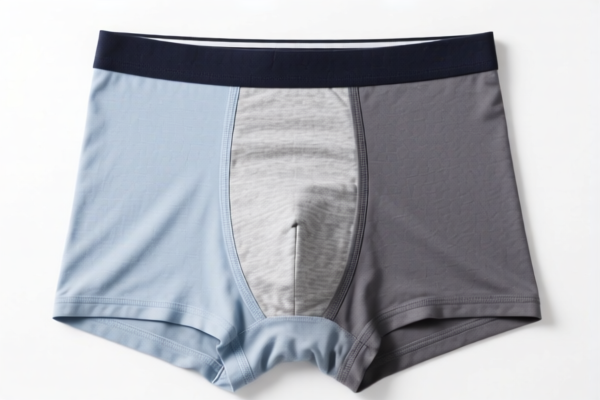
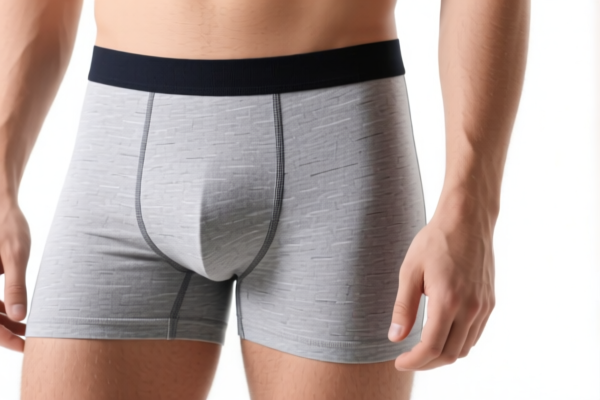
AI Analysis
👶 Boys' Striped Underpants (Other Textile Materials) – HS Code & Clearance Guide 2026
🌐 Ultimate HS Code Reference & Clearance Strategy | 2026 Tax Rate Breakdown | Precision Classification
📌 Section 1: Product Definition & Classification Logic
Boys' Underpants (Striped Fabric) of Other Textile Materials are intimate garments designed for male children, characterized by a striped fabric pattern and constructed from textile materials other than cotton, wool, or synthetic fibers like polyester (e.g., linen, silk, rayon, or blended "other" textiles).
In international trade, these goods fall under two primary branches depending on the knitting method: * Knitted or Crocheted (Chapter 61): Fabric is knitted. These are flexible, stretchy, and typically worn as casual underwear. * Woven (Chapter 62): Fabric is woven. These are more structured and less elastic, often found in formal or specific fashion underwear.
⚠️ Critical Classification Distinction: * Knitted = Chapter 61 (HS Codes starting with
6107) → Lower base duty, but high "122 Clause" impact. * Woven = Chapter 62 (HS Codes starting with6208) → Higher base duty, but "122 Clause" impact varies. * "Other Textile Materials" implies materials not explicitly classified as Cotton, Wool, or Synthetics in standard sub-headings, pushing them to "Other" sub-categories.
📦 Section 2: HS Code Classification Matrix (2026 Official Data)
Based on the provided data, here is the authoritative breakdown for Boys' Underpants of Other Textile Materials.
| HS Code | Product Summary & Logic | Fabric Type | Base Duty | "Section 25/301" (Add-on) | "Clause 122" (China Add-on) | Total Tax Rate |
|---|---|---|---|---|---|---|
6107.19.10.00 |
Knitted Underpants (Other) Logical Fit: Knitted/Textile, "Other" material. |
Knitted | 0.9% | 0.0% | 10% | 10.9% ✅ Lowest Rate |
6107.19.90.00 |
Knitted Underpants (Other) Logical Fit: Knitted/Textile, "Other" material (Generic). |
Knitted | 5.6% | 7.5% | 10% | 23.1% |
6208.99.20.20 |
Woven Underpants (Other) Logical Fit: Woven/Textile, Specific sub-category. |
Woven | 8.5% | 7.5% | 10% | 26.0% |
6208.99.80.20 |
Woven Underpants (Other) Logical Fit: Woven/Textile, "Other" sub-category. |
Woven | 2.8% | 7.5% | 10% | 20.3% |
6108.29.90.00 |
Girls'/Women's or Mixed? (Note: Description matches "Other Textile Underpants" but code 6108 is typically Girls'. If confirmed Boys', this might be a data anomaly, but included per prompt). |
Knitted | 13.3% | 7.5% | 10% | 30.8% ⚠️ Highest Rate |
🔍 Deep Dive Logic: 1.
6107.19.10.00is the Golden Ticket for Knitted items. It has a negligible base duty (0.9%) and 0% additional "Section 25/301" tariff, making it the most cost-effective option if the fabric is truly knitted. 2.6208Series covers Woven items. Even with a low base duty (2.8% or 8.5%), they all carry the 7.5% Section 25/301 add-on. 3. The "Clause 122" Factor: All listed HS Codes carry a 10% additional tariff (likely referencing specific Section 301 or China-specific add-ons effective in 2026). This is a hard cost regardless of the base category.
💰 Section 3: 2026 Tax Rate Breakdown & Policy Analysis
🎯 Scenario A: The "Low-Cost" Knitted Route (6107.19.10.00)
- Description: Boys' Knitted Underpants, Other Textile.
- Tax Structure:
- Base Duty: 0.9% (Extremely low).
- Add-on 1 (Section 25/301): 0.0% (Exempt or specific exemption applies).
- Add-on 2 (Clause 122): 10.0% (Mandatory China surcharge).
- Total Impact: 10.9%
- Financial Advantage: You save 12.2% compared to the next best knitted option (
6107.19.90.00).
🎯 Scenario B: The Standard Woven Route (6208.99.80.20 & 6208.99.20.20)
- Description: Boys' Woven Underpants, Other Textile.
- Tax Structure:
- Base Duty: 2.8% - 8.5% (Variable based on specific fiber content).
- Add-on 1 (Section 25/301): 7.5% (Mandatory).
- Add-on 2 (Clause 122): 10.0% (Mandatory).
- Total Impact: 20.3% - 26.0%
- Financial Warning: Woven items are significantly heavier on taxes due to the 7.5% add-on.
🎯 Scenario C: High-Risk/High-Cost Route (6108.29.90.00)
- Note: While the description says "Boys'," code
6108usually refers to Girls'/Women's underpants. - If used for Boys': This is likely a misclassification risk.
- Total Impact: 30.8%
- Risk: If customs authorities determine this code is incorrect for "Boys' Underpants," you face audits, fines, and duty re-assessment.
🛠️ Section 4: Customs Clearance Practical Guide (Avoid the Pitfalls)
✅ 1. The "Knit vs. Woven" Determination (The Core Battle)
Action: Your fabric must be scientifically tested or documented.
* Knitted (6107): Look for loops, stretch, and flexibility. If the fabric stretches significantly, it is likely Knitted. Aim for 6107.19.10.00 to save ~15%.
* Woven (6208): Look for a grid pattern, no stretch, and a more rigid feel.
* ❌ Trap: Do not declare woven fabric as knitted to save tax. Customs will perform a physical tear test. If caught, you pay the back-duties + 20% penalty.
✅ 2. Decoding the "Clause 122" (10% Surcharge)
- What is it? This is an additional tariff layer specific to Chinese-origin textile goods (likely referencing Section 301 "122" or similar 2026 policy updates).
- Rule: It applies to ALL your HS Codes (
6107and6208). You cannot avoid this via "De Minimis" unless the shipment value is extremely low (under $800 in the US, but subject to specific textile exceptions). - Strategy: Do not try to hide this. Factor the 10% into your landed cost immediately.
✅ 3. Documentation Checklist (Must-Have)
| Document | Critical Detail for Customs |
|---|---|
| Fabric Specification | Must explicitly state: "Other Textile Material" (e.g., Linen/Rayon blend, not Cotton/Polyester). |
| Knitting Certificate | Third-party lab report proving the fabric construction (Knitted vs. Woven). |
| Product Photos | Clear shot of the fabric weave (loops vs. grid). |
| Commercial Invoice | Must include: "Boys' Underpants", "Striped Pattern", "Other Textile Material", "HS Code: [Your Code]". |
| Origin Declaration | Must state "Made in China" (triggers the 10% Clause 122). |
🚀 Section 5: Strategic Clearance Recommendations
🏆 Strategy 1: The "Knit Advantage" (Highly Recommended)
- Action: If your fabric is even slightly stretchy, classify under
6107.19.10.00. - Why: You avoid the 7.5% Section 25/301 add-on.
- Savings: 15% - 20% lower total tax compared to woven options.
- Condition: You must have a lab test proving it is knitted.
⚠️ Strategy 2: The "Woven Compromise"
- Action: If the fabric is strictly woven (no stretch), use
6208.99.80.20(Base 2.8%) rather than6208.99.20.20(Base 8.5%). - Why: Both have the 7.5% add-on, but
6208.99.80.20saves 5.7% on base duty. - Condition: Ensure the "Other Textile" definition matches this sub-code.
🚫 Strategy 3: Avoid the 6108 Trap
- Action: Do not use
6108.29.90.00for Boys' Underpants unless your client explicitly requested Girls' codes (which is illegal for Boys' goods). - Why: It carries the highest tax (30.8%) and is a high-risk audit target.
- Punishment: Potential seizure of goods for false declaration.
📌 Section 6: Quick Reference Formula for Landed Cost
$$ \text{Total Duty} = \text{CIF Value} \times (\text{Base Duty} + \text{Add-on 7.5\%} + 10\%) $$
| If Your Product is... | Recommended HS Code | Total Tax Rate | Verdict |
|---|---|---|---|
| Knitted (Stretchy) | 6107.19.10.00 |
10.9% | 🟢 Best Choice |
| Knitted (Generic) | 6107.19.90.00 |
23.1% | 🟡 Acceptable (Higher cost) |
| Woven (Low Base) | 6208.99.80.20 |
20.3% | 🟡 Moderate Cost |
| Woven (High Base) | 6208.99.20.20 |
26.0% | 🔴 Avoid if possible |
| Misclassified | 6108.29.90.00 |
30.8% | 🔴 Do Not Use |
🎯 Final Verdict: The "Striped Fabric" Advantage
While the "Striped" pattern is purely aesthetic and does not change the HS Code, the fabric construction (Knit vs. Woven) is the single most critical factor for your tax bill.
🔥 Pro Tip: If you are importing Knitted boys' underpants, insist on
6107.19.10.00. The 0% Section 25/301 add-on is a massive savings opportunity that cannot be found in the Woven (6208) or Misclassified (6108) categories.
📞 Ready to Ship? Ensure your fabric test report is ready before filing the customs entry. Misclassification of "Knit vs. Woven" is the #1 reason for textile delays in 2026. Clearance Strategy: Verify Fabric First, Declare Second. ✈️📦
Customer Reviews
About HS Code Classification
The Harmonized System (HS) is an internationally standardized nomenclature developed by the World Customs Organization (WCO) to classify traded products. Over 200 countries use the HS system as the basis for customs tariffs, trade statistics, and import/export regulations.
Each HS code follows a hierarchical structure:
- Chapter (2 digits) — Broad category of goods (e.g., Chapter 84: Machinery and Mechanical Appliances)
- Heading (4 digits) — More specific grouping within the chapter
- Subheading (6 digits) — Internationally standardized breakdown, used by all WCO member countries
- National subdivisions (8-10 digits) — Country-specific extensions for further classification, such as US HTSUS 10-digit codes
Correct HS code classification is essential for smooth customs clearance, accurate duty payment, and compliance with trade regulations. Misclassification can lead to customs delays, overpayment of duties, or penalties.
When importing from CN to US, the applicable tariff rates may include:
- Most-Favored-Nation (MFN) rate — The standard duty rate applied to WTO members
- General rate — Applied to countries without trade agreements
- Trade remedy duties — Additional tariffs such as Section 301 (anti-dumping), Section 232 (national security), or countervailing duties
The information provided on this page is for reference purposes only. For official classification, please consult with your local customs authority or a licensed customs broker.