Boys' Underwear (Boxer Briefs)
CN → US| HS Code | Tariff Rate | Origin | Destination | Doc |
|---|---|---|---|---|
| 6114909070 | 15.6% | CN | US | Official Doc |
| 6207199030 | 28.0% | CN | US | Official Doc |
| 6207199010 | 28.0% | CN | US | Official Doc |
| 6114909055 | 15.6% | CN | US | Official Doc |
| 6107199000 | 23.1% | CN | US | Official Doc |
Product Images
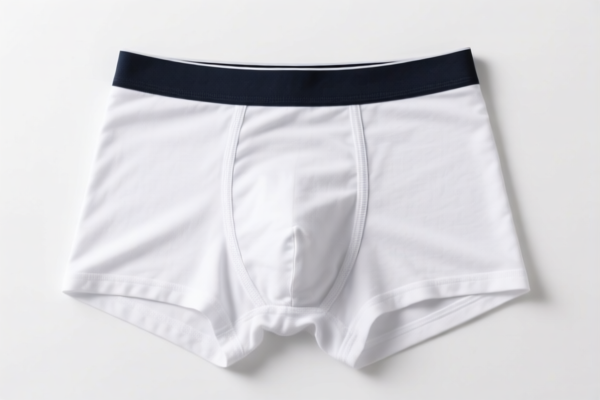
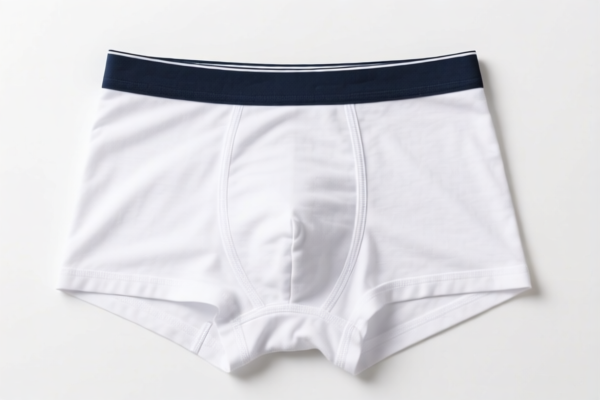


AI Analysis
🩲 Boys' Underwear (Boxer Briefs): The Ultimate Import Compliance Guide | 2026 Tax & Classification Deep Dive
🌐 HS Code Reference & Customs Clearance Strategy | Latest Tariff Analysis for US Market | Professional Clearance Tactics
📌 I. Product Definition & Classification: Do You Really Understand "Boys' Underwear"?
Boys' underwear, specifically Boxer Briefs, is a staple apparel item in global trade. However, under US Customs regulations, it is not a single HS Code. It is strictly divided by Knitting Method (Knitted vs. Woven) and Material Composition.
1. Knitted (针织类): Made using needles or loops (e.g., cotton jersey, spandex blends).
2. Woven (机织类): Made by interlacing threads (e.g., cotton poplin, synthetic twill).
⚠️ Critical Distinction:
- If the fabric feels stretchy, looped, or jersey-like → Knitted (Chapter 61)
- If the fabric is crisp, structured, or non-stretchy (like dress shirt material) → Woven (Chapter 62)
- Material Note: All items below are classified as "Other Textile Materials" (not cotton, not wool, not silk), primarily covering synthetic blends or other natural fibers not specified in higher-priority subheadings.
📦 II. HS Code Classification Details (2026 Latest Tariff Reference)
Based on the provided data, here are the specific HS Codes for Boys' Boxer Briefs made of "Other Textile Materials."
| HS Code | Product Description | Knitting Type | Material Type |
|---|---|---|---|
6114.90.90.70 |
Boys' Underwear, Other Materials | Knitted | Other Textile Materials |
6114.90.90.55 |
Boys' Underwear, Other Materials | Knitted | Other Textile Materials |
6107.19.90.00 |
Boys' Underwear, Other Materials | Knitted | Other Textile Materials |
6207.19.90.30 |
Boys' Underwear, Other Materials | Woven | Other Textile Materials |
6207.19.90.10 |
Boys' Underwear, Other Materials | Woven | Other Textile Materials |
🔍 Key Insight:
- Knitted (61xx): Generally lower base tariffs but still subject to significant additional duties.
- Woven (62xx): Higher base tariffs, compounded by additional duties.
- Note:6107.19.90.00is the only knitted variant in the dataset with a distinct "7.5% Additional Duty" component, making its total tax higher than other knitted options.
💰 III. 2026 Latest Tariff Rate Breakdown (Including Add-Ons & Policy Surcharges)
✅ Applicable Country: United States (US)
✅ Origin: China (CN)
✅ Effective Date: Tariffs include "122-Clause Tariffs" (Section 301/Trade Action related) and standard USITC duties.
🎯 1. Knitted Underwear (Chapter 61)
A. 6114.90.90.70 & 6114.90.90.55
(Note: These two codes share identical tax structures in the provided data)
| Item | Detail |
|---|---|
| Base Tariff | 5.6% |
| Additional Duty (Section 301/Other) | 0.0% |
| "122-Clause" Tariff (Trade Action) | 10.0% |
| Total Effective Tax Rate | 15.6% |
| Calculation | CIF Value × 15.6% |
| De Minimis Exemption? | ❌ No (Must be declared and taxed) |
📌 Explanation:
- Base (5.6%): Standard US MFN duty for other knitted articles of apparel.
- 122-Clause (10%): Specific additional tariff applied to certain textile/apparel imports from China.
- Total 15.6%: This is the lowest cost option among the knitted categories in this dataset.
B. 6107.19.90.00
(Specifically for "Other Materials" knitted underwear)
| Item | Detail |
|---|---|
| Base Tariff | 5.6% |
| Additional Duty (Section 301/Other) | 7.5% |
| "122-Clause" Tariff (Trade Action) | 10.0% |
| Total Effective Tax Rate | 23.1% |
| Calculation | CIF Value × 23.1% |
| De Minimis Exemption? | ❌ No |
📌 Warning:
- Although it is Knitted, this specific HS code attracts an extra 7.5% additional duty on top of the base rate.
- Total 23.1% is significantly higher than the 15.6% rate for6114codes.
- Recommendation: If your product can be classified under6114rather than6107, choose6114to save 7.5% in taxes.
🎯 2. Woven Underwear (Chapter 62)
A. 6207.19.90.30 & 6207.19.90.10
(Note: These two codes share identical tax structures in the provided data)
| Item | Detail |
|---|---|
| Base Tariff | 10.5% |
| Additional Duty (Section 301/Other) | 7.5% |
| "122-Clause" Tariff (Trade Action) | 10.0% |
| Total Effective Tax Rate | 28.0% |
| Calculation | CIF Value × 28.0% |
| De Minimis Exemption? | ❌ No |
📌 Explanation:
- Base (10.5%): Standard US MFN duty for other woven articles of apparel.
- Additional Duty (7.5%): Higher surcharge compared to knitted counterparts.
- 122-Clause (10%): Same trade action tariff as knitted items.
- Total 28.0%: This is the highest cost option in the dataset.
- Recommendation: Avoid6207if possible due to high tax burden.
🛠️ IV. Customs Clearance Practical Advice (Pitfall Avoidance Guide)
✅ 1. Material & Construction Documentation
| Document | Requirement | Reason |
|---|---|---|
| Fabric Swatch | ✅ Mandatory | To prove whether it is Knitted (Chapter 61) or Woven (Chapter 62). |
| Composition Label | ✅ Mandatory | Must state "Other Textile Materials" (e.g., Polyester/Spandex blend) to exclude Cotton (Chapter 61/62 other subheadings). |
| Product Photos | ✅ Mandatory | Show the weave structure (loops vs. interlaced threads) and label. |
| Commercial Invoice | ✅ Mandatory | Clearly state "Boys' Boxer Briefs, Knitted/Woven, Other Textile Material." |
✅ 2. Classification Strategy (Key Tips)
🔥 "Knit is King, Weave is Heavy!"
- Knitted (6114): 15.6% Total Tax → Best Option
- Knitted (6107): 23.1% Total Tax → Acceptable if 6114 not applicable
- Woven (6207): 28.0% Total Tax → Most Expensive
| Scenario | Recommended HS Code | Total Tax | Why? |
|---|---|---|---|
| Standard Stretchy Boxer Briefs (Synthetic Blend) | 6114.90.90.70 or 6114.90.90.55 |
15.6% | Lowest tax, standard knit underwear classification. |
| Non-Stretchy, Crisp Fabric Boxer Briefs | 6207.19.90.30 or 6207.19.90.10 |
28.0% | Woven fabrics incur higher base duties. |
| Specific Knitted Type (Not falling under 6114) | 6107.19.90.00 |
23.1% | Higher additional duty makes it less favorable than 6114. |
✅ 3. Special Cases
| Situation | Advice |
|---|---|
| Cotton Content >50% | NOT COVERED in this data. Cotton underwear falls under different HS codes (e.g., 6107.11 or 6207.11) with different tax rates. Ensure "Other Materials" is accurate. |
| Silk or Wool | Excluded. These have their own specific subheadings. |
| Mixed Material | If the primary material is not cotton, wool, or silk, use "Other Textile Materials." |
🌍 V. Global Market Comparison (2026)
| Market | Recommended HS Code (Example) | Approx. Total Tax (China Origin) | Notes |
|---|---|---|---|
| 🇺🇸 USA | 6114.90.90.70 |
15.6% | Includes 10% 122-Clause Tariff. |
| 🇨🇳 China | 6107.11.00.00 (if cotton) |
~9-15% | Depends on material; different system. |
| 🇪🇺 EU | 6107.20 (if cotton/spandex) |
~12-16% | Varies by material; no "122-Clause" equivalent. |
| 🇬🇧 UK | 6107.20 |
~12-16% | Post-Brexit rules apply. |
📌 Conclusion:
- The US market imposes the highest effective tax burden on these specific "Other Material" underwear items due to the combination of base duties and 122-Clause Tariffs.
- Knitted items (6114) are the most cost-effective choice at 15.6%.
- Woven items (6207) are the least cost-effective at 28.0%.
📌 VI. Common Errors & Pitfalls (Lessons Learned)
❌ Error 1: Misclassifying Knitted as Woven
👉 Consequence: Overpaying tax from 15.6% to 28.0% (12.4% difference).
✅ Fix: Verify fabric construction. Knitted = loops; Woven = interlaced.
❌ Error 2: Assuming "Other Materials" Includes Cotton
👉 Consequence: Incorrect HS Code application, potential fines and back taxes.
✅ Fix: Check composition label. If >50% Cotton, use Cotton-specific HS codes.
❌ Error 3: Ignoring the 122-Clause Tariff
👉 Consequence: Unexpected 10% tax increase at customs.
✅ Fix: Always include the 10% 122-Clause Tariff in your landed cost calculation.
❌ Error 4: Using 6107 when 6114 is Applicable
👉 Consequence: Overpaying from 15.6% to 23.1% (7.5% difference).
✅ Fix: Review US HTS notes. 6114 is generally for "Other knitted garments," while 6107 is for "Men's/Boys' undershirts and vests" or specific underwear types. Confirm with customs broker.
🎯 VII. Conclusion: Professional Clearance Saves Money!
🎯 Key Takeaways:
🔹 Knitted is Better: Choose
6114.90.90.70or6114.90.90.55for the lowest tax at 15.6%.
🔹 Avoid Woven if Possible:6207codes carry a 28.0% tax burden.
🔹 Watch the 122-Clause Tariff: It adds a flat 10% to all these items.
🔹 Material Matters: Ensure "Other Textile Materials" is accurate. If it's Cotton, these codes are wrong.
📌 Pro Tip:
Always request a pre-classification ruling from US Customs and Border Protection (CBP) if your product sits on the boundary between Knitted/Woven or "Other Materials" vs. Cotton. This protects you from audits and back taxes.
📣 Immediate Action:
📞 Consult your customs broker to verify if
6114.90.90.70applies to your specific fabric construction.
🚀 Optimize your supply chain by favoring knitted constructions to minimize tariff exposure.
✨ Precision in Classification is the Key to Profitability!
💼 Every percentage point saved on duty is pure profit!
Customer Reviews
About HS Code Classification
The Harmonized System (HS) is an internationally standardized nomenclature developed by the World Customs Organization (WCO) to classify traded products. Over 200 countries use the HS system as the basis for customs tariffs, trade statistics, and import/export regulations.
Each HS code follows a hierarchical structure:
- Chapter (2 digits) — Broad category of goods (e.g., Chapter 84: Machinery and Mechanical Appliances)
- Heading (4 digits) — More specific grouping within the chapter
- Subheading (6 digits) — Internationally standardized breakdown, used by all WCO member countries
- National subdivisions (8-10 digits) — Country-specific extensions for further classification, such as US HTSUS 10-digit codes
Correct HS code classification is essential for smooth customs clearance, accurate duty payment, and compliance with trade regulations. Misclassification can lead to customs delays, overpayment of duties, or penalties.
When importing from CN to US, the applicable tariff rates may include:
- Most-Favored-Nation (MFN) rate — The standard duty rate applied to WTO members
- General rate — Applied to countries without trade agreements
- Trade remedy duties — Additional tariffs such as Section 301 (anti-dumping), Section 232 (national security), or countervailing duties
The information provided on this page is for reference purposes only. For official classification, please consult with your local customs authority or a licensed customs broker.