Boys' Underwear Boxer Briefs
CN → US| HS Code | Tariff Rate | Origin | Destination | Doc |
|---|---|---|---|---|
| 6207191000 | 19.2% | CN | US | Official Doc |
| 6107110010 | 24.9% | CN | US | Official Doc |
| 6207199010 | 28.0% | CN | US | Official Doc |
| 6108229020 | 33.1% | CN | US | Official Doc |
| 6108210010 | 25.1% | CN | US | Official Doc |
Product Images
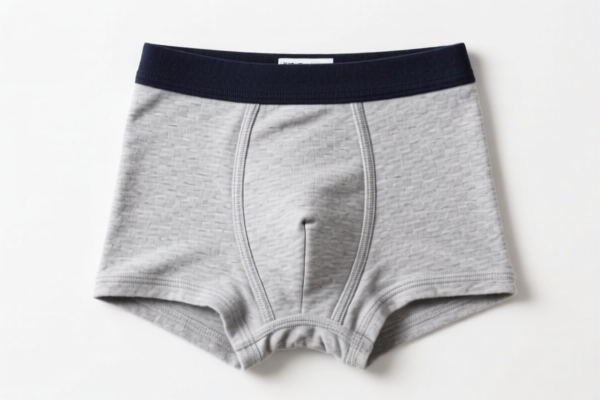
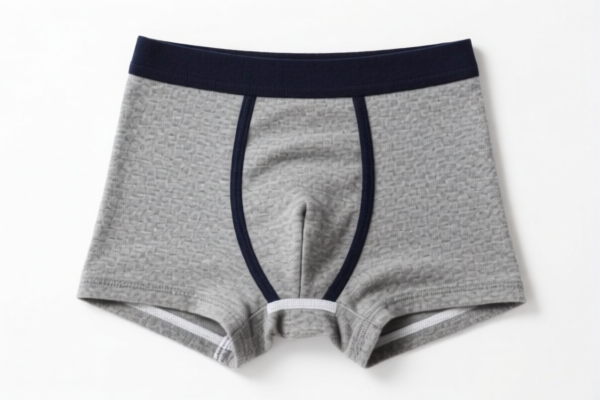
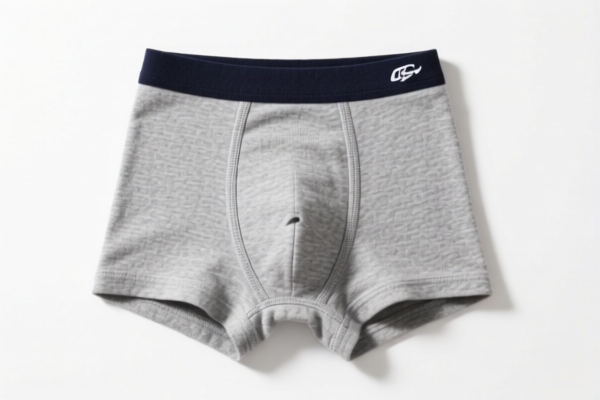
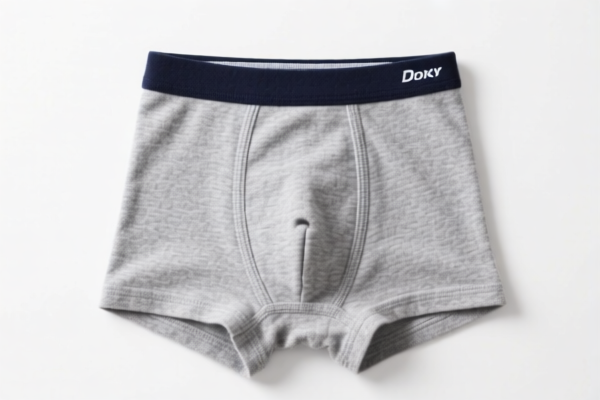
AI Analysis
👦 Boys' Underwear Boxer Briefs
🌐 HS Code Reference & Customs Clearance Guide | 2026 Latest Tariff Analysis | Professional Clearance Strategy
📌 I. Product Definition & Classification: Do You Really Understand "Boxer Briefs"?
Boys' Boxer Briefs are a hybrid undergarment combining the fit of briefs with the leg length of boxers. In international trade, their classification is strictly dependent on two factors:
1. Manufacturing Process: Knitted (e.g., jersey, ribbed) vs. Woven (e.g., cotton poplin, oxford).
2. Material Composition: Cotton vs. Synthetic Fibers (Man-made).
⚠️ Critical Distinction:
- Knitted & Cotton: Usually falls under 6107.11 (Lowest Duty).
- Knitted & Synthetic: Usually falls under 6107.11 (Higher Duty than cotton, but lower than woven).
- Woven & Any Material: Usually falls under 6207.19 (Moderate Duty).
- Women’s/Girls’ Confusion: Do not misclassify boys' items as girls' (6108), as this triggers errors.
📦 II. HS Code Classification Details (2026 Latest Tariff Authority Comparison)
Based on the provided dataset, here are the 5 possible HS Codes for Boys' Boxer Briefs, sorted by total tax burden:
| HS Code | Summary (from Data) | Material Inference | Total Tax Rate | Tax Composition |
|---|---|---|---|---|
| 6207.19.10.00 | Shape matches, material no conflict | Cotton/Viscose Woven | 19.2% | Base: 1.7%, Section 301: 7.5%, 122 Clause: 10% |
| 6107.11.00.10 | Shape/Use match, material inferred | Cotton Knitted | 24.9% | Base: 7.4%, Section 301: 7.5%, 122 Clause: 10% |
| 6108.21.00.10 | Shape/Use match, material inferred | Cotton/Synthetic Knitted | 25.1% | Base: 7.6%, Section 301: 7.5%, 122 Clause: 10% |
| 6207.19.90.10 | Shape matches, material inferred | Synthetic/Natural Fiber Woven | 28.0% | Base: 10.5%, Section 301: 7.5%, 122 Clause: 10% |
| 6108.22.90.20 | Shape/Use match, material inferred | Fiber Type (Generic) | 33.1% | Base: 15.6%, Section 301: 7.5%, 122 Clause: 10% |
🔍 Key Observation:
- 6207.19.10.00 offers the lowest total tax (19.2%) if the product is Woven and meets specific material criteria.
- 6107.11.00.10 is the standard for Knitted Cotton underwear, but has a higher base tariff (7.4%).
- 6108 codes (Girls'/Women's) should generally be avoided for Boys' products unless the design is unisex and marketed broadly, but strict classification prefers 6107/6207 for males.
💰 III. 2026 Latest Tariff Rate Breakdown (Including Surcharges & Policy Add-ons)
✅ Applicable Country: United States (US)
✅ Origin: China (CN)
✅ Effective Date: 2025/2026 (Current enforcement)
🎯 1. 6207.19.10.00 — Woven Underwear (Lowest Tax Option)
| Item | Content |
|---|---|
| Base Tariff | 1.7% (Ad Valorem) |
| Section 301 Surcharge | +7.5% |
| 122 Clause Tariff | +10.0% |
| Total Rate | 19.2% |
| Tax Calculation | CIF Value × 19.2% |
| De Minimis Exemption? | ❌ No (Textiles are generally excluded from de minimis for China origin in this category) |
| Legal Basis Path | HTSUS:6207.19.10.00 → Section 301: 17 CFR Part 178 → 122 Clause: Special Provisions |
📌 Explanation:
- 1.7% is the standard MFN (Most Favored Nation) duty for woven men’s underwear.
- 7.5% is the additional tariff imposed under Section 301 against China.
- 10% is the specific "122 Clause" tariff, often applied to certain textile categories from China to protect domestic industries.
- Total 19.2% is the most favorable rate among the provided options.
🎯 2. 6107.11.00.10 — Knitted Cotton Underwear (Common for Boys' Boxers)
| Item | Content |
|---|---|
| Base Tariff | 7.4% |
| Section 301 Surcharge | +7.5% |
| 122 Clause Tariff | +10.0% |
| Total Rate | 24.9% |
| Tax Calculation | CIF Value × 24.9% |
| De Minimis Exemption? | ❌ No |
| Legal Basis Path | HTSUS:6107.11.00.10 → Section 301 → 122 Clause |
📌 Explanation:
- Knitted cotton has a higher base duty (7.4%) than woven cotton (1.7%).
- This is the most common classification for standard jersey-knit boxers.
🎯 3. 6108.21.00.10 — Knitted Synthetic/Cotton Blend (Female Classification Risk)
| Item | Content |
|---|---|
| Base Tariff | 7.6% |
| Section 301 Surcharge | +7.5% |
| 122 Clause Tariff | +10.0% |
| Total Rate | 25.1% |
| Tax Calculation | CIF Value × 25.1% |
| De Minimis Exemption? | ❌ No |
📌 Note: This code is typically for girls’/women’s knitted briefs. Using this for boys' underwear may lead to misclassification penalties unless the garment is truly unisex and lacks gender-specific features.
🎯 4. 6207.19.90.10 — Woven Synthetic/Natural Fiber (Other)
| Item | Content |
|---|---|
| Base Tariff | 10.5% |
| Section 301 Surcharge | +7.5% |
| 122 Clause Tariff | +10.0% |
| Total Rate | 28.0% |
| Tax Calculation | CIF Value × 28.0% |
📌 Explanation: If the woven underwear is not "Cotton" (e.g., Polyester, Nylon), the base rate jumps to 10.5%.
🎯 5. 6108.22.90.20 — Knitted Fiber (High Risk/General)
| Item | Content |
|---|---|
| Base Tariff | 15.6% |
| Section 301 Surcharge | +7.5% |
| 122 Clause Tariff | +10.0% |
| Total Rate | 33.1% |
| Tax Calculation | CIF Value × 33.1% |
📌 Warning: This is the highest tax rate. It likely applies to mixed or unspecified fiber types, or misclassified female garments. Avoid this code for boys' boxers if a more specific code exists.
🛠️ IV. Customs Clearance Practical Advice (Real-World Pitfall Guide)
✅ 1. Documentation Checklist (Non-Negotiable)
| Document | Required? | Explanation |
|---|---|---|
| ✅ Product Composition Label | ✔️ | Must state exact % of Cotton, Polyester, Spandex, etc. |
| ✅ Care Label | ✔️ | Shows fiber content and manufacturing origin. |
| ✅ Commercial Invoice | ✔️ | Must specify "Boys' Boxer Briefs" and HS Code. |
| ✅ Manufacturer’s Letter | ✔️ | Confirming manufacturing process (Knitted vs. Woven). |
| ✅ Packaging Photos | ✔️ | Show packaging size, quantity, and any gender-specific branding. |
✅ 2. Declaration Tips (Key Mantra)
🔥 “Woven is Lower Base, Knitted is Higher Base, Gender Must Match, Material Must Be Clear!”
| Scenario | Correct Declaration | Incorrect Action |
|---|---|---|
| Standard Jersey Boxers | 6107.11.00.10 (Knitted, Cotton) |
Declare as "Woven" → Customs audit |
| Elastic Waistband Briefs | 6107.11.00.10 or 6108... |
Use vague term "Underwear" → Delay |
| Polyester Boxers | 6207.19.90.10 (Woven, Synthetic) or 6107.19... (Knitted, Synthetic) |
Declare as "Cotton" → Fraud Penalty |
| Unisex Designs | 6107.11.00.10 (if male-coded) or 6108... (if female-coded) |
Mix codes → Confusion |
✅ 3. Special Circumstances
| Situation | Handling Advice |
|---|---|
| OEM Private Label | Provide brand authorization letter to avoid IP seizure. |
| Mixed Packs (e.g., 3-pack) | Declare as "Assorted Underwear," but ensure all pieces fall under the same HS Code if possible. |
| Newborn vs. Older Boys | Newborns (<24 months) may have different customs treatment, but HS Code remains similar. |
| Gift Sets | If underwear is part of a larger gift set, it may be classified with the principal good, but usually, underwear is standalone. |
🌍 V. Global Market Comparison (2026 Latest)
| Country/Region | Recommended HS Code | Total Tax (China Origin) | Certification Required | Notes |
|---|---|---|---|---|
| 🇺🇸 USA | 6207.19.10.00 (Best) |
19.2% (Woven) | CPSIA (if <12 yrs) | High scrutiny on fiber content. |
| 🇪🇺 EU | 6107.11 or 6207.19 |
~4-10% | REACH, Labeling | No Section 301/122 surcharges. |
| 🇨🇳 China | 6107.11 or 6207.19 |
~8-15% | CCC (if applicable) | Lower base tariffs for exports. |
| 🇬🇧 UK | 6107.11 or 6207.19 |
~4-10% | UKCA | Post-Brexit regulations apply. |
| 🇨🇦 Canada | 6107.11 or 6207.19 |
~7-10% | CPSIA (if for sale) | CUSMA benefits if from US/Mexico. |
📌 Conclusion:
- USA has the highest effective tax due to Section 301 and 122 Clause.
- EU and UK are more favorable but require strict labeling compliance.
- China is the manufacturing hub with lower export tariffs, but import duties in destination countries vary.
📌 VI. Common Errors & Pitfall Guide (Lessons Learned)
❌ Error 1: Misclassifying Knitted cotton as Woven
👉 Consequence: Customs may reject 6207.19.10.00 and reassess to 6107.11.00.10 → Back taxes + Penalty.
❌ Error 2: Using Girls' HS Code (6108) for Boys' products
👉 Consequence: Customs flagging for misclassification → Delayed shipment, potential seizure.
❌ Error 3: Vague Material Description ("Mixed Fiber")
👉 Consequence: Customs cannot determine base rate → Highest possible duty applied.
❌ Error 4: Ignoring CPSIA Compliance for items marketed to children <12 years
👉 Consequence: FDA/Customs rejection for lead/phthalate violations.
✅ Correct Practice:
"Boys' Boxer Briefs, 100% Cotton, Knitted, Woven/Elastic Waist, Pack of 3, Model XYZ, CPSIA Compliant"
🎯 VII. Conclusion: Precision in Classification Saves Money!
🎯 Remember the Mantra:
🔹 "Woven Base 1.7%, Knitted Base 7.4%, Add 301 + 122, Know Your Fabric!"
🔹 "19.2% vs 33.1%, That’s a 14% Difference, Don’t Let Errors Slip!"
📌 Pro Tip:
If your boys' boxers are Knitted and Cotton, use 6107.11.00.10.
If they are Woven and Cotton, use 6207.19.10.00 for the lowest tax.
Always provide fiber content proof and gender-specific marketing materials to justify your HS Code.
📣 Act Now:
📞 Contact your customs broker + Provide product swatches + Verify fiber content
🚀 Ensure your Boys' Boxer Briefs clear customs smoothly, avoid penalties, and maximize profit!
✨ Professional clearance starts with accurate classification!
💼 Every penny saved in duty is pure profit!
Customer Reviews
About HS Code Classification
The Harmonized System (HS) is an internationally standardized nomenclature developed by the World Customs Organization (WCO) to classify traded products. Over 200 countries use the HS system as the basis for customs tariffs, trade statistics, and import/export regulations.
Each HS code follows a hierarchical structure:
- Chapter (2 digits) — Broad category of goods (e.g., Chapter 84: Machinery and Mechanical Appliances)
- Heading (4 digits) — More specific grouping within the chapter
- Subheading (6 digits) — Internationally standardized breakdown, used by all WCO member countries
- National subdivisions (8-10 digits) — Country-specific extensions for further classification, such as US HTSUS 10-digit codes
Correct HS code classification is essential for smooth customs clearance, accurate duty payment, and compliance with trade regulations. Misclassification can lead to customs delays, overpayment of duties, or penalties.
When importing from CN to US, the applicable tariff rates may include:
- Most-Favored-Nation (MFN) rate — The standard duty rate applied to WTO members
- General rate — Applied to countries without trade agreements
- Trade remedy duties — Additional tariffs such as Section 301 (anti-dumping), Section 232 (national security), or countervailing duties
The information provided on this page is for reference purposes only. For official classification, please consult with your local customs authority or a licensed customs broker.