Boys' Viscose Casual Wear
CN → US| HS Code | Tariff Rate | Origin | Destination | Doc |
|---|---|---|---|---|
| 6211339015 | 33.5% | CN | US | Official Doc |
| 6209303020 | 33.5% | CN | US | Official Doc |
| 6111305020 | 33.5% | CN | US | Official Doc |
| 6211339017 | 33.5% | CN | US | Official Doc |
| 6105202020 | 49.5% | CN | US | Official Doc |
Product Images
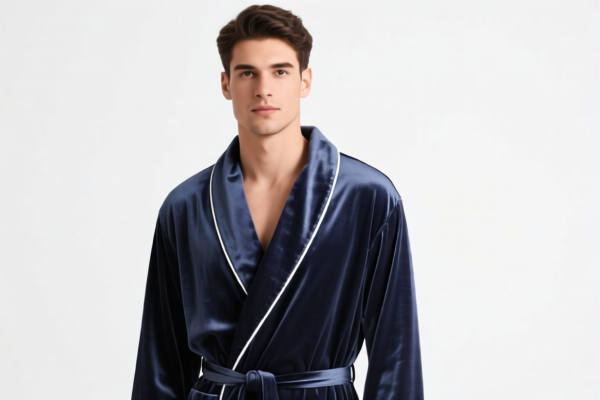
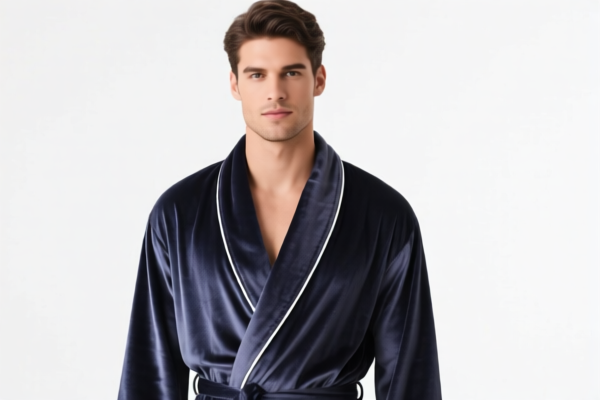
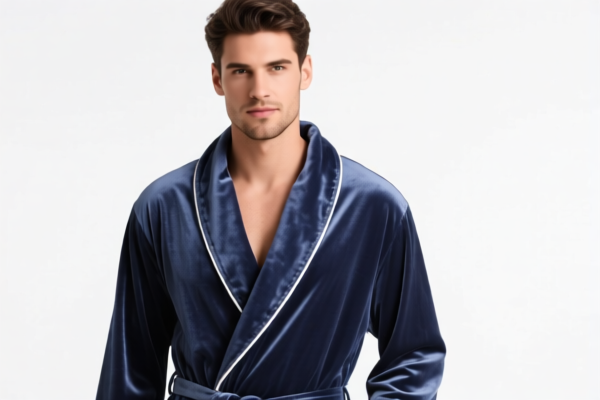

AI Analysis
👶 Boys' Viscose Casual Wear: The Ultimate HS Code & Customs Clearance Guide (2026)
🌐 HS Code Reference & Customs Strategy | 2026 Latest Tariff Analysis | Professional Clearance Guide
📌 I. Product Definition: What Exactly is "Boys' Viscose Casual Wear"?
Boys' Viscose Casual Wear refers to apparel made primarily from Viscose (a regenerated cellulose fiber, often marketed as Rayon) designed for male children. In international trade, "Casual Wear" is a broad term that can encompass different garment types (shirts, pants, suits, or sets), which drastically affects the HS Code classification and Tariff Rates.
⚠️ Key Distinction:
- Knitted vs. Woven: Is the fabric knitted (stretchy, like t-shirt material) or woven (structured, like dress shirt material)? This is the primary determinant for the chapter (61 vs. 62).
- Single Piece vs. Set: Is it a single shirt/pant, or a matching set (e.g., shirt + shorts/pants)? Sets often fall under different subheadings.
📦 II. HS Code Classification Matrix (Based on Provided Data)
The following HS Codes are derived from the provided data for Boys' Viscose Casual Wear. All items are subject to significant additional tariffs due to their origin (China).
| HS Code | Product Description | Fabric Structure | Key Attributes |
|---|---|---|---|
| 6211.33.90.15 | Boys' Viscose Casual Wear | Woven | General casual wear; not classified as a suit or set. |
| 6209.30.30.20 | Boys' Viscose Casual Wear (Set) | Woven | Classified as a Set (e.g., shirt + pants). Structure implies a coordinated outfit. |
| 6111.30.50.20 | Boys' Viscose Casual Wear (Set) | Knitted | Inferred as Knitted fabric; classified as a Set. |
| 6211.33.90.17 | Boys' Viscose Casual Wear | Woven | General casual wear; specific sub-code for boys' viscose. |
| 6105.20.20.20 | Boys' Viscose Suit Shirt | Knitted | Specifically a Shirt part of a suit; knitted viscose. |
🔍 Critical Analysis:
- Chapter 61 indicates Knitted garments (e.g.,6105,6111).
- Chapter 62 indicates Woven garments (e.g.,6209,6211).
- 6111/6209 typically cover Sets (outfits sold together), while 6211 covers other made-up clothing articles (single items).
💰 III. 2026 Tariff Rate Breakdown (Detailed Tax Analysis)
✅ Applicable Market: United States (US)
✅ Origin: China (CN)
✅ Effective Date: Current tariffs apply (Section 301 + IEEPA)
🎯 1. Standard Casual Wear (HS Codes: 6211.33.90.15, 6211.33.90.17, 6209.30.30.20, 6111.30.50.20)
These items fall under the 33.5% Total Effective Tax Rate.
| Tax Component | Rate | Legal Basis & Explanation |
|---|---|---|
| Base Duty (MFN) | 16.0% | Standard Most Favored Nation duty for woven/knitted boys' viscose garments. |
| Section 301 Tariff | 7.5% | Additional tariff imposed on Chinese goods under US Trade Law Section 301. |
| Section 122 Tariff | 10.0% | Specific statutory tariff applicable to these textile categories (Note: Often refers to specific retaliatory or statutory surcharges). |
| IEEPA / Additional Surcharges | 0% | Based on provided data, no explicit IEEPA 25% is listed for these specific lines in the input, but the total is fixed at 33.5%. |
| TOTAL EFFECTIVE RATE | 33.5% | 16.0% + 7.5% + 10.0% |
📌 Explanation:
- The 33.5% rate is high for textiles.
- Base Duty (16%) is standard for viscose.
- Section 301 (7.5%) and Section 122 (10%) are the major cost drivers.
- No De Minimis Exemption: These goods cannot be shipped under $800 duty-free (Section 321) if classified correctly under these codes, as they are subject to retaliatory tariffs.
🎯 2. Boys' Viscose Suit Shirt (HS Code: 6105.20.20.20)
This item has a Higher Tax Rate of 49.5%.
| Tax Component | Rate | Legal Basis & Explanation |
|---|---|---|
| Base Duty (MFN) | 32.0% | Higher base duty for knitted shirts/underwear-like items or specific suit components. |
| Section 301 Tariff | 7.5% | Additional tariff imposed on Chinese goods under US Trade Law Section 301. |
| Section 122 Tariff | 10.0% | Statutory surcharge. |
| TOTAL EFFECTIVE RATE | 49.5% | 32.0% + 7.5% + 10.0% |
📌 Warning:
- The base duty jumps from 16% to 32% for this specific knitted shirt.
- Total Cost Impact: Nearly 50% of the CIF value is lost to taxes. This significantly erodes profit margins.
🛠️ IV. Customs Clearance Strategy & Compliance Tips
✅ 1. Documentation Requirements (Must-Haves)
| Document | Requirement | Purpose |
|---|---|---|
| Commercial Invoice | Must clearly state "Viscose" (not just "Rayon" or "Synthetic") and "Boys' Apparel". | Ensures correct base duty (16% vs. 32%). |
| Packing List | Clearly distinguish Sets (e.g., "1 Set: Shirt + Shorts") from Single Items. | Prevents misclassification between 6209 (Sets) and 6211 (Others). |
| Fabric Composition Label | Photo of the garment label showing "100% Viscose" or blend %. | Verifies chapter classification (61 vs. 62). |
| Section 301 Exclusion? (If applicable) | Check if the specific HTS code had a prior exclusion. | Note: Most textile exclusions have expired. |
| Country of Origin Certificate | Proof of manufacture in China. | Mandatory for applying Section 301 and 122 tariffs. |
✅ 2. Classification Strategy (How to Save Money)
| Scenario | Correct HS Code | Why? | Risk of Error |
|---|---|---|---|
| Matching Shirt + Pants Sold Together | 6209.30.30.20 or 6111.30.50.20 |
Classified as a Set. Tariff: 33.5%. | If declared as two separate shirts/pants, each might be taxed, but the set rule simplifies valuation. |
| Single Viscose Shirt | 6105.20.20.20 (Knitted) or 6205/6206 (Woven) |
High Risk: Knitted shirts (6105) have 32% base duty. |
Avoid 6105 if possible due to high base rate. Consider if it can be classified as 6205 (Woven Shirt) if fabric allows. |
| Other Casual Viscose Garment (Shorts, Pants, Jackets) | 6211.33.90.15 / .17 |
Classified as "Other Made-Up Clothing Articles". Base Duty: 16%. | Lower base duty than shirts. |
💡 Pro Tip:
- Shirts (6105/6205) often have higher base duties than Pants/Shorts/Jackets (6211).
- If the item is a Set, ensure it is declared as a single unit to avoid double counting and potential disputes.
✅ 3. Customs Broker Communication
- Declare "Viscose" Explicitly: Do not use generic terms like "Cotton Blend" or "Synthetic" if it is 100% Viscose. Viscose is classified as Regenerated Cellulose, not synthetic polyester.
- Clarify "Set" vs. "Individual": If the product is a 2-piece set, the customs broker must declare it as a set under 6209 or 6111, not as two separate items.
- Mention Section 301 & 122: Ensure the broker accounts for the 17.5% additional tariff (7.5% + 10%) on top of the base duty.
🌍 V. Global Tariff Comparison (Quick Reference)
| Destination | HS Code Example | Total Tariff (Approx.) | Notes |
|---|---|---|---|
| 🇺🇸 USA | 6211.33.90.15 |
33.5% | Includes Base (16%) + Sec 301 (7.5%) + Sec 122 (10%). |
| 🇺🇸 USA | 6105.20.20.20 |
49.5% | High base duty (32%) for knitted shirts. |
| 🇨🇳 China | 6211.33 |
16% - 18% | Import duty into China for foreign viscose wear. |
| 🇪🇺 EU | 6211.33 |
12% | No Section 301/122 equivalent, but anti-dumping may apply. |
| 🇬🇧 UK | 6211.33 |
12% | Post-Brexit tariff structure. |
📌 Conclusion for US Market:
The 33.5% - 49.5% tariff burden is significant.
- Strategy 1: Increase retail price to absorb costs.
- Strategy 2: Consider supply chain diversification (e.g., manufacturing in Vietnam or Bangladesh) to avoid Section 301 tariffs (if eligible under trade agreements).
- Strategy 3: Opt for Woven (6211) over Knitted Shirts (6105) to save 16% in base duty.
📌 VI. Common Pitfalls & Avoidance
❌ Pitfall 1: Misclassifying a Set as two separate items.
👉 Result: Potential valuation errors and compliance flags.
✅ Fix: Declare as one line item with description "Boys' Viscose Casual Set."
❌ Pitfall 2: Using "Rayon" instead of "Viscose."
👉 Result: Customs may reclassify, leading to delays and fines.
✅ Fix: Use the exact fiber name "Viscose" as per HS Nomenclature.
❌ Pitfall 3: Ignoring the Knitted vs. Woven distinction.
👉 Result: Wrong Chapter (61 vs. 62), leading to 16% vs. 32% base duty difference.
✅ Fix: Always check the fabric weave structure.
🎯 VII. Final Recommendation
🔹 "Check the Fabric: Knitted = High Duty; Woven = Lower Duty."
🔹 "Declare as Set if Applicable: Simplifies Clearance, Avoids Duplication."
🔹 "Budget for 33.5%-49.5%: No Duty-Free Exemption for China-Origin Viscose."
📣 Immediate Action:
📞 Engage a Licensed Customs Broker to confirm the Knitted/Woven status of your specific garments.
📋 Request a Binding Ruling from US Customs if your product is on the borderline between6105(Shirt) and6211(Other).
🚀 Optimize Supply Chain: If volume is high, consider non-China origins to bypass Section 301 tariffs.
✨ Professional Clearance Starts with Precise Classification!
💼 Every Percent of Duty Saved is Pure Profit!
Customer Reviews
About HS Code Classification
The Harmonized System (HS) is an internationally standardized nomenclature developed by the World Customs Organization (WCO) to classify traded products. Over 200 countries use the HS system as the basis for customs tariffs, trade statistics, and import/export regulations.
Each HS code follows a hierarchical structure:
- Chapter (2 digits) — Broad category of goods (e.g., Chapter 84: Machinery and Mechanical Appliances)
- Heading (4 digits) — More specific grouping within the chapter
- Subheading (6 digits) — Internationally standardized breakdown, used by all WCO member countries
- National subdivisions (8-10 digits) — Country-specific extensions for further classification, such as US HTSUS 10-digit codes
Correct HS code classification is essential for smooth customs clearance, accurate duty payment, and compliance with trade regulations. Misclassification can lead to customs delays, overpayment of duties, or penalties.
When importing from CN to US, the applicable tariff rates may include:
- Most-Favored-Nation (MFN) rate — The standard duty rate applied to WTO members
- General rate — Applied to countries without trade agreements
- Trade remedy duties — Additional tariffs such as Section 301 (anti-dumping), Section 232 (national security), or countervailing duties
The information provided on this page is for reference purposes only. For official classification, please consult with your local customs authority or a licensed customs broker.