Boys' Water Resistant Casual Jacket
CN → US| HS Code | Tariff Rate | Origin | Destination | Doc |
|---|---|---|---|---|
| 6113001005 | 21.3% | CN | US | Official Doc |
| 6210205020 | 24.6% | CN | US | Official Doc |
| 6113009015 | 24.6% | CN | US | Official Doc |
| 6210205029 | 24.6% | CN | US | Official Doc |
| 6201404500 | 24.6% | CN | US | Official Doc |
Product Images
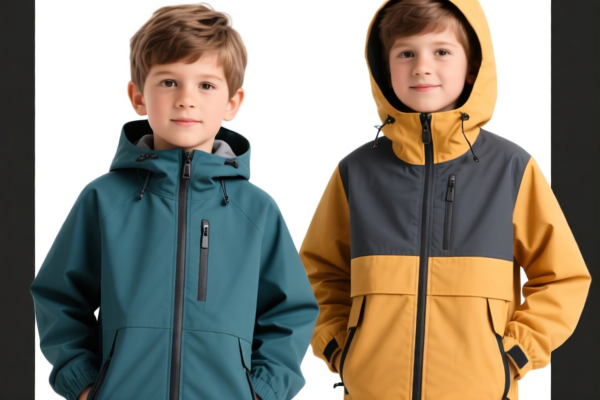
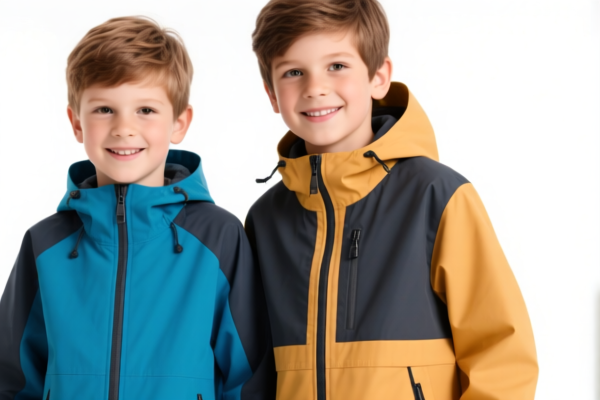


AI Analysis
🧥 Boys' Water Resistant Casual Jacket (Synthetic/Cotton Blends)
🌐 HS Code Reference & Customs Clearance Guide | 2026 Latest Tariff Analysis | Professional Strategy
📌 I. Product Definition & Classification: Do You Really Know "Casual Jackets"?
Boys' water-resistant casual jackets are outerwear designed for daily wear or light outdoor activities, featuring water-resistant properties but lacking the technical performance specifications of specialized sports gear. In international trade, these garments are classified based on fiber composition and manufacturing method.
Knitted Jackets (HS 61xx): Made from knitted fabrics (e.g., fleece, jersey), often with coating or lamination for water resistance.
Woven/Non-Knitted Jackets (HS 62xx): Made from woven fabrics or non-knitted fabrics (e.g., polyester, nylon, rayon), typically offering a more structured fit.
⚠️ Key Distinction Point:
- If the jacket is knitted (flexible, stretchy fabric like sweatshirt material) →归类 to Chapter 61 (e.g.,6113.00.10.05)
- If the jacket is woven/non-knitted (structured fabric like raincoat material) → 归类 to Chapter 62 (e.g.,6210.20.50.20,6201.40.45.00)
📦 II. HS Code Classification Details (2026 Latest Tariff Authoritative Comparison)
| HS Code | Product Description | Applicable Scenario | Fabric Type |
|---|---|---|---|
6113.00.10.05 |
Men's/Boys' waterproof ski jacket, knitted fabric, coated/laminated | Knitted casual/waterproof jackets, fleece-lined | ✅ Knitted |
6210.20.50.20 |
Men's/Boys' waterproof ski jacket, synthetic/rayon fabric, casual outdoor wear | Woven synthetic/rayon jackets | ✅ Woven/Non-knitted |
6113.00.90.15 |
Men's/Boys' waterproof ski jacket, synthetic/cotton blend, jacket form | Knitted synthetic-cotton blends | ✅ Knitted |
6210.20.50.29 |
Men's/Boys' waterproof ski jacket, rayon material, other categories | Woven rayon or other unspecified woven materials | ✅ Woven/Non-knitted |
6201.40.45.00 |
Men's/Boys' waterproof ski jacket, rayon material, water-resistant | Woven rayon with water-resistant treatment | ✅ Woven/Non-knitted |
🔍 Key Reminder:
- Knitted fabrics (stretchy, looped structure) fall under Chapter 61.
- Woven/Non-knitted fabrics (structured, woven structure) fall under Chapter 62.
- Even if labeled as "casual," if it has water-resistant coating/lamination, it may still be classified under specific waterproof subcategories.
💰 III. 2026 Latest Tariff Rate Details (Including Additional Taxes & Policy Add-ons)
✅ Applicable Country: United States (US)
✅ Country of Origin: China (CN)
✅ Effective Date: November 10, 2025 (including subsequent imports)
🎯 1. 6113.00.10.05 —— Knitted Waterproof Jacket (Coated/Laminated)
| Item | Content |
|---|---|
| Base Tariff Rate | 3.8% |
| Section 301 Additional Tariff | +7.5% |
| Section 122 Tariff | +10% |
| Total Tariff Rate | 21.3% |
| Tax Calculation | CIF Value × 21.3% |
| De Minimis Eligibility | ❌ Not Eligible (deny_de_minimis) |
| Legal Basis Path | Section 301: 9903.01.25 → Section 122: 9903.01.24 → USITC:6113.00.10.05 |
📌 Explanation:
- "Base Tariff 3.8%": Standard MFN rate for knitted waterproof jackets.
- "Section 301 Tariff 7.5%": Additional tariff under U.S. Trade Law Section 301 for Chinese goods.
- "Section 122 Tariff 10%": Additional tariff under Section 122 for national security reasons.
- Total 21.3% is considered moderate-to-high, requiring accurate classification to avoid overpayment.
🎯 2. 6210.20.50.20 —— Woven/Synthetic Casual Jacket
| Item | Content |
|---|---|
| Base Tariff Rate | 7.1% |
| Section 301 Additional Tariff | +7.5% |
| Section 122 Tariff | +10% |
| Total Tariff Rate | 24.6% |
| Tax Calculation | CIF Value × 24.6% |
| De Minimis Eligibility | ❌ Not Eligible (deny_de_minimis) |
| Legal Basis Path | Section 301: 9903.01.25 → Section 122: 9903.01.24 → USITC:6210.20.50.20 |
📌 Note:
- Woven jackets generally have a higher base tariff than knitted ones.
- Even though it's "casual," if it's made of synthetic/rayon and water-resistant, it falls under this category.
🎯 3. 6113.00.90.15 —— Knitted Synthetic/Cotton Blend Jacket
| Item | Content |
|---|---|
| Base Tariff Rate | 7.1% |
| Section 301 Additional Tariff | +7.5% |
| Section 122 Tariff | +10% |
| Total Tariff Rate | 24.6% |
| Tax Calculation | CIF Value × 24.6% |
| De Minimis Eligibility | ❌ Not Eligible (deny_de_minimis) |
| Legal Basis Path | Section 301: 9903.01.25 → Section 122: 9903.01.24 → USITC:6113.00.90.15 |
📌 Note:
- Blended fabrics (synthetic + cotton) in knitted form still fall under Chapter 61 but may have different base rates depending on composition.
🎯 4. 6210.20.50.29 —— Woven Rayon/Other Material Jacket
| Item | Content |
|---|---|
| Base Tariff Rate | 7.1% |
| Section 301 Additional Tariff | +7.5% |
| Section 122 Tariff | +10% |
| Total Tariff Rate | 24.6% |
| Tax Calculation | CIF Value × 24.6% |
| De Minimis Eligibility | ❌ Not Eligible (deny_de_minimis) |
| Legal Basis Path | Section 301: 9903.01.25 → Section 122: 9903.01.24 → USITC:6210.20.50.29 |
📌 Note:
- This is a "catch-all" category for woven jackets not specified elsewhere.
- Rayon-based jackets often fall here if not classified under more specific subheadings.
🎯 5. 6201.40.45.00 —— Woven Rayon Water-Resistant Jacket
| Item | Content |
|---|---|
| Base Tariff Rate | 7.1% |
| Section 301 Additional Tariff | +7.5% |
| Section 122 Tariff | +10% |
| Total Tariff Rate | 24.6% |
| Tax Calculation | CIF Value × 24.6% |
| De Minimis Eligibility | ❌ Not Eligible (deny_de_minimis) |
| Legal Basis Path | Section 301: 9903.01.25 → Section 122: 9903.01.24 → USITC:6201.40.45.00 |
📌 Note:
- Specific to rayon jackets with water-resistant properties.
- Ensure the fabric is indeed rayon and not polyester or cotton to avoid misclassification.
🛠️ IV. Customs Clearance Practical Advice (Combat Pitfall Guide)
✅ 1. Required Document Checklist (Missing Any = Delay)
| Document | Required? | Description |
|---|---|---|
| ✅ Product Specification Sheet | ✔️ | Include fabric type (knitted/woven), fiber content (%), water-resistant treatment method |
| ✅ Fabric Swatch/Photo | ✔️ | Visual proof of knitted vs. woven structure |
| ✅ Product Photos (Label & Inside) | ✔️ | Show brand, size, care label, and any water-resistant logos |
| ✅ Commercial Invoice | ✔️ | Clearly state "Boys' Water Resistant Casual Jacket" and HS Code |
| ✅ Packing List | ✔️ | Detail items per package, avoid splitting single garments |
| ✅ Certificate of Origin (if applicable) | ✔️ | For non-China origins, to claim preferential rates |
✅ 2. Declaration Tips (Key Mantra)
🔥 "Knitted vs. Woven Determines Chapter, Water-Resistant Does Not Change Fiber Type!"
| Situation | Correct Declaration | Wrong Practice |
|---|---|---|
| Knitted fabric (stretchy) | 6113.00.10.05 or 6113.00.90.15 |
Misclassify as Woven (62xx) → 24.6% instead of 21.3% |
| Woven fabric (structured) | 6210.20.50.20 or 6201.40.45.00 |
Misclassify as Knitted (61xx) → Underpayment, later audit |
| Rayon fabric | 6210.20.50.29 or 6201.40.45.00 |
Claim as Polyester → Incorrect fiber content |
| Cotton Blend | 6113.00.90.15 (if knitted) |
Claim as 100% Synthetic → Misclassification |
✅ 3. Special Cases Handling
| Situation | Handling Advice |
|---|---|
| OEM Custom Jackets | Provide customer order + design sketch, avoid "generic" descriptions |
| Jacket with Detachable Hood | Still classified as one unit; do not separate hood |
| Jacket with Liner | If liner is removable and significant, may be considered separate; consult customs |
| Water-Resistant vs. Waterproof | "Water-resistant" is sufficient for these HS codes; no need for IPX rating proof |
🌍 V. Global Market Customs Comparison (2026 Latest)
| Country/Region | Recommended HS Code | Tariff (China Origin) | Certification Required | Notes |
|---|---|---|---|---|
| 🇺🇸 United States | 6113.00.10.05 / 6210.20.50.20 |
21.3% - 24.6% | None | High due to Section 301 & 122 |
| 🇨🇳 China | 6113.00.10.05 / 6210.20.50.20 |
5% - 7% | CCC (if applicable) | No additional tariffs |
| 🇪🇺 European Union | 6113.00.10.05 / 6210.20.50.20 |
4% - 12% | CE (if chemical treatment) | No Section 301 equivalent |
| 🇦🇺 Australia | 6113.00.10.05 / 6210.20.50.20 |
5% - 10% | None | Moderate tariffs |
| 🇯🇵 Japan | 6113.00.10.05 / 6210.20.50.20 |
0% - 5% | PSE (if electronic components) | Low tariffs, high standards |
📌 Conclusion:
- The US imposes significantly higher tariffs due to Section 301 and Section 122.
- Knitted jackets (61xx) are cheaper than Woven jackets (62xx) in the US market.
- Fiber composition is key: Accurate classification between Knitted (Ch 61) and Woven (Ch 62) saves 3.3% in tariffs.
📌 VI. Common Mistakes & Pitfall Guide (Blood-Tear Lessons)
❌ Mistake 1: Misclassifying Woven jackets as Knitted
👉 Consequence: Pay 24.6% instead of 21.3% → Overpayment of 3.3%!
❌ Mistake 2: Ignoring Section 122 Tariff
👉 Consequence: Declare only Section 301 (7.5%) → Audit penalty + Back taxes!
❌ Mistake 3: Vague Product Description
👉 Consequence: "Casual Jacket" → Customs may assign default higher rate → Delay & Fines
❌ Mistake 4: Confusing Water-Resistant with Waterproof
👉 Consequence: No change in HS code, but "Waterproof" may require additional testing docs → Unnecessary Delays
✅ Correct Practice:
"Boys' Knitted Water-Resistant Casual Jacket, 100% Polyester Knitted Fabric, Coated, Model XYZ, CIF Value $10.00"
🎯 VII. Conclusion: Professional Declaration, Save Time, Reduce Costs!
🎯 Remember the Mantra:
🔹 "Knitted = Chapter 61 (21.3%), Woven = Chapter 62 (24.6%)!"
🔹 "Section 301 (7.5%) + Section 122 (10%) = Non-Negotiable!"
🔹 "Fiber Type Determines Chapter, Water-Resistant is Just a Feature!"
📌 Pro Tip:
If your jacket is originating from Vietnam, Mexico, Thailand, or Malaysia, you may qualify for IEEPA Exemptions or lower tariffs;
Consider applying for Advance Ruling to avoid clearance risks.
📣 Act Now:
📞 Contact Professional Customs Broker + Provide Fabric Swatch + Apply for HS Code Advance Ruling
🚀 Let your jackets Clear Customs Smoothly, Export Efficiently, Profit Maximized!
✨ Professional Customs Clearance Starts with Accurate Classification!
💼 Every Cent of Cost Deserves Precise Calculation!
Customer Reviews
About HS Code Classification
The Harmonized System (HS) is an internationally standardized nomenclature developed by the World Customs Organization (WCO) to classify traded products. Over 200 countries use the HS system as the basis for customs tariffs, trade statistics, and import/export regulations.
Each HS code follows a hierarchical structure:
- Chapter (2 digits) — Broad category of goods (e.g., Chapter 84: Machinery and Mechanical Appliances)
- Heading (4 digits) — More specific grouping within the chapter
- Subheading (6 digits) — Internationally standardized breakdown, used by all WCO member countries
- National subdivisions (8-10 digits) — Country-specific extensions for further classification, such as US HTSUS 10-digit codes
Correct HS code classification is essential for smooth customs clearance, accurate duty payment, and compliance with trade regulations. Misclassification can lead to customs delays, overpayment of duties, or penalties.
When importing from CN to US, the applicable tariff rates may include:
- Most-Favored-Nation (MFN) rate — The standard duty rate applied to WTO members
- General rate — Applied to countries without trade agreements
- Trade remedy duties — Additional tariffs such as Section 301 (anti-dumping), Section 232 (national security), or countervailing duties
The information provided on this page is for reference purposes only. For official classification, please consult with your local customs authority or a licensed customs broker.