Boys' Windproof Jacket
CN → US| HS Code | Tariff Rate | Origin | Destination | Doc |
|---|---|---|---|---|
| 6210205020 | 24.6% | CN | US | Official Doc |
| 6201404500 | 24.6% | CN | US | Official Doc |
| 6201407000 | 24.6% | CN | US | Official Doc |
| 6210205029 | 24.6% | CN | US | Official Doc |
| 6101302010 | 45.7% | CN | US | Official Doc |
Product Images
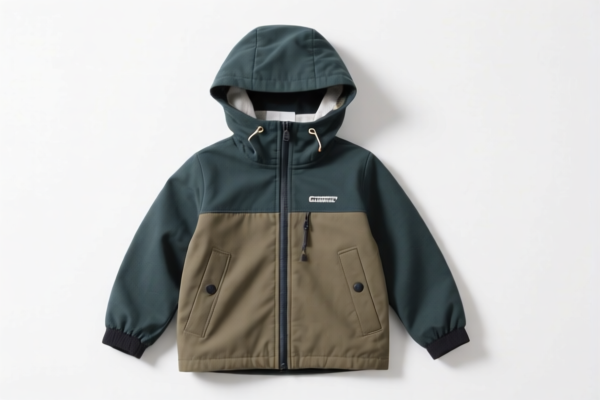
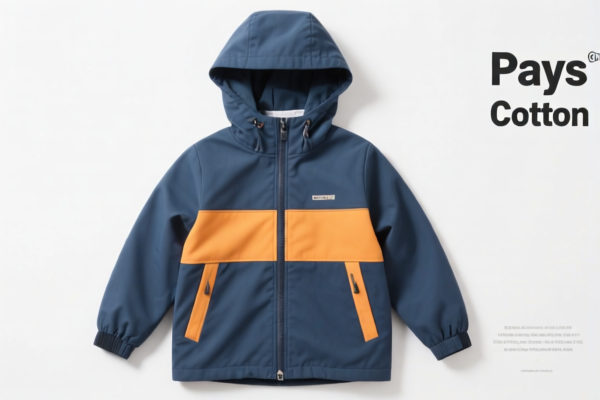
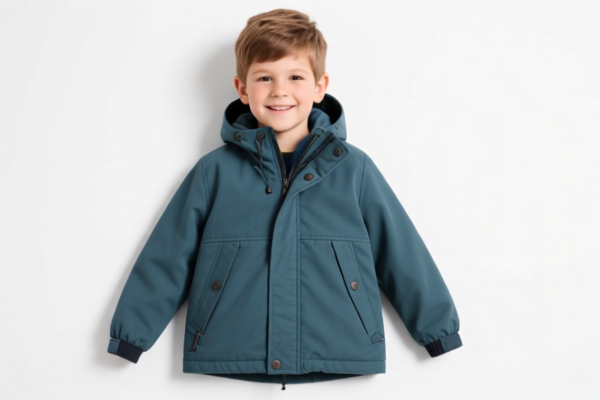

AI Analysis
🧥 Boys' Windproof Jacket (男式防风夹克)
🌐 HS Code Reference & Customs Clearance Guide | 2026 Latest Tariff Analysis | Professional Level Strategy
📌 1. Product Definition & Classification: Do You Really Know "Windproof Jackets"?
Boys' windproof jackets are essential outerwear for active kids, designed primarily to block wind while maintaining breathability. In international trade, classification depends heavily on material composition and manufacturing method.
Key Distinction:
- Knitted/ Crocheted (Chapter 61): If made from elastic, stretchy fabrics (e.g., sweatshirt material, knitted synthetic), it falls under Chapter 61.
- Woven/ Non-Knitted (Chapter 62): If made from rigid, non-stretch fabrics (e.g., nylon shells, polyester woven, or non-woven materials like "Garment Class 6210"), it falls under Chapter 62.
⚠️ Critical Classification Point:
- Knitted/Sweatshirt-style → 6101.30.20.10 (Higher Tax Risk)
- Woven/Shell-style → 6201.40.xxxx or 6210.20.50.xx (Standard Tax Rate)
📦 2. HS Code Classification Details (2026 Latest Tariff Authority Comparison)
Based on the provided data, here are the 5 most likely HS Codes for Boys' Windproof Jackets, sorted by risk profile and material logic.
| HS Code | Product Description | Material/Structure Inference | Tax Rate | Risk Level |
|---|---|---|---|---|
| 6101.30.20.10 | Men's/Boys' Anoraks, Windbreakers & Similar Articles (Knitted/Crocheted) | Knitted synthetic or natural fiber fabric (e.g., sweatshirt fleece, knit windbreaker) | 45.7% | 🔴 HIGH |
| 6210.20.50.20 | Garments made of textile materials of heading 5602, 5603, 5903, 5906 or 5907 (Non-Knitted) | Non-Woven/Impregnated synthetic fiber (e.g., coated nylon, laminated fabric) | 24.6% | 🟡 MODERATE |
| 6201.40.45.00 | Men's/Boys' Anoraks, Windbreakers & Similar Articles (Woven) | Woven man-made fiber (e.g., standard nylon/polyester shell) | 24.6% | 🟢 LOW |
| 6201.40.70.00 | Men's/Boys' Anoraks, Windbreakers & Similar Articles (Woven) | Woven other textile materials (Commonly inferred as man-made fibers in general trade) | 24.6% | 🟢 LOW |
| 6210.20.50.29 | Garments made of textile materials of heading 5602, 5603, 5903, 5906 or 5907 | Non-Woven/Impregnated artificial fiber (e.g., rainshell, coated polyester) | 24.6% | 🟢 LOW |
🔍 Key Insight:
- The biggest price difference is between Knitted (6101) and Woven/Non-Knitted (6201/6210).
- 6101.30.20.10 carries a 45.7% tax rate, while all other variants carry 24.6%.
- Material Proof is Crucial: If your jacket feels "stretchy" or is made from jersey-like fabric, it MUST be classified as 6101. If it’s crisp, noisy, or coated, it’s likely 6201/6210.
💰 3. 2026 Latest Tariff Rate Breakdown (Including Surcharges & Policy Add-ons)
✅ Applicable Country: United States (US)
✅ Origin: China (CN)
✅ Effective Date: From November 10, 2025 (and subsequent imports)
🎯 1. 85% OFF Risk: 6101.30.20.10 (Knitted/Wool/Synthetic Knit)
| Item | Detail |
|---|---|
| Base Duty | 28.2% (Ad Valorem) |
| Section 301 Surcharge | +7.5% |
| IEEPA Surcharge | +10% (122 Clause, targeted at China) |
| Total Tax Rate | 45.7% |
| De Minimis Exemption | ❌ NOT Available |
| Legal Path | USITC:6101.30.20.10 → FOOTNOTE:301 → IEEPA:122 |
📌 Explanation:
- This rate is significantly higher because knitted garments are often viewed as having more domestic manufacturing overlap or are categorized under higher-duty wool/knit sections.
- Total Cost Impact: For every $100 CIF value, you pay $45.70 in duties alone.
🎯 2. Standard Rate: 6201.40.45.00, 6201.40.70.00, 6210.20.50.20, 6210.20.50.29 (Woven/Non-Knitted)
| Item | Detail |
|---|---|
| Base Duty | 7.1% (Ad Valorem) |
| Section 301 Surcharge | +7.5% |
| IEEPA Surcharge | +10% (122 Clause, targeted at China) |
| Total Tax Rate | 24.6% |
| De Minimis Exemption | ❌ NOT Available |
| Legal Path | USITC:6201/6210 → FOOTNOTE:301 → IEEPA:122 |
📌 Explanation:
- Base Duty of 7.1% is standard for woven synthetic/apparel items.
- 301 Tariff (7.5%) and 122 Clause (10%) are fixed additional surcharges on Chinese-origin goods.
- Total Cost Impact: For every $100 CIF value, you pay $24.60 in duties.
- Savings: Choosing a woven classification over knitted saves 21.1% in tax burden.
🛠️ 4. Customs Clearance Practical Advice (Real-World Pitfall Guide)
✅ 1. Document Checklist (Non-Negotiable)
| Document | Required | Notes |
|---|---|---|
| ✅ Fabric Composition Label | ✔️ CRITICAL | Must clearly state "100% Nylon," "Polyester Blend," etc. |
| ✅ Wash Care Label | ✔️ CRITICAL | "Knitted" vs. "Woven" is often determined by fiber structure shown in labels. |
| ✅ Product Photos | ✔️ | Front, back, and texture close-up (to prove weave vs. knit). |
| ✅ Commercial Invoice | ✔️ | Describe as "Boys' Woven Windbreaker" or "Knitted Sweatshirt Jacket" accurately. |
| ✅ Bill of Lading | ✔️ | Ensure weight and volume match. |
| ✅ Country of Origin Certificate | ✔️ | Proof of China origin triggers the 301/122 surcharges. |
✅ 2. Declaration Strategy (The "Golden Rules")
🔥 “Fabric Defines Code, Knit is Expensive, Woven is Safe!”
| Scenario | Correct HS Code | Consequence of Error |
|---|---|---|
| Jersey/Sweatshirt Material | 6101.30.20.10 |
Misdeclaring as Woven → Audit, Back Taxes, Penalties |
| Nylon Shell/Raincoat | 6201.40.45.00 or 6210.20.50.20 |
Misdeclaring as Knit → Overpaying 21.1% unnecessarily |
| Coated/Tech Fabric | 6210.20.50.xx |
Misdeclaring as Standard Woven → Minor discrepancy, low risk |
| Mixed Materials | Highest Duty Material | Must classify based on the material that gives the "essential character" |
✅ 3. Special Cases & Handling
| Situation | Handling Advice |
|---|---|
| OEM Custom Jackets | Provide Tech Packs showing fabric type. If fabric is "woven," insist on 6201/6210. |
| Jacket with Lining | Classification is based on the outer shell material. Do not let lining confuse the classifier. |
| Sample vs. Bulk | Ensure bulk production uses the same fabric as samples submitted for pre-ruling. |
| 122 Clause (IEEPA) | This 10% surcharge is non-negotiable for Chinese-origin goods in this category. No exemptions for small batches. |
🌍 5. Global Market Clearance Comparison (2026 Latest)
| Country/Region | Recommended HS Code | Tax Rate (China Origin) | Certification | Notes |
|---|---|---|---|---|
| 🇺🇸 USA | 6201.40.45.00 / 6210.20.50.20 |
24.6% | CPSIA (Children's Safety) | High scrutiny on "Windproof" claims; ensure fabric meets safety standards. |
| 🇺🇸 USA (Knit) | 6101.30.20.10 |
45.7% | CPSIA | Avoid if possible due to high tax. |
| 🇨🇳 China | 6201.40.45.00 |
5% - 10% | CCC (if applicable) | Low base duty, no 301/122 surcharges. |
| 🇪🇺 EU | 6201.40.45.00 |
12% - 16% | CE (if safety gear) | No Section 301 or 122 tariffs. VAT varies by country. |
| 🇬🇧 UK | 6201.40.45.00 |
12% | UKCA | Post-Brexit rules apply; ensure correct labeling. |
📌 Conclusion:
- The US market is the most expensive due to the combination of Base Duty + 301 (7.5%) + 122 (10%).
- European/UK markets are more cost-effective for Chinese goods, with no retaliatory tariffs.
- Fabric Choice is Cost Strategy: Using Woven fabrics instead of Knitted saves 21.1% in US duties.
📌 6. Common Mistakes & Pitfall Guide (Blood & Tears Lessons)
❌ Mistake 1: Classifying a Woven Nylon Jacket as 6101 (Knitted)
👉 Result: Overpaying 21.1% in taxes.
👉 Fix: Check fabric weave. If it’s not stretchy, it’s Woven.
❌ Mistake 2: Classifying a Knitted Sweatshirt Jacket as 6201 (Woven)
👉 Result: Customs Seizure, Audit, Back Taxes + Penalties.
👉 Fix: Be honest. If it’s knit, pay the 45.7% or switch fabric supplier.
❌ Mistake 3: Ignoring the 122 Clause (10%)
👉 Result: Unexpected cost increase on every shipment from China.
👉 Fix: Factor this 10% into your pricing model immediately.
❌ Mistake 4: Vague Description "Jacket"
👉 Result: Customs delays for further inspection.
👉 Fix: Use precise terms: "Boys' Woven Windbreaker, Nylon, Water-Resistant."
✅ Correct Declaration Example:
"Boys' Windproof Jacket, Woven Polyester, Water-Resistant Shell, Size 4-6, Model XYZ, Compliant with CPSIA"
🎯 7. Conclusion: Professional Declaration, Save Money, Clear Fast!
🎯 Remember the Mantra:
🔹 "Woven is 24.6%, Knit is 45.7% – Choose Fabric, Save Cash!"
🔹 "122 Clause is 10% – It’s on All Chinese Apparel in US!"
🔹 "CPSIA for Kids – Safety First, Customs Last!"
📌 Pro Tip:
If you are importing Knitted jackets, consider sourcing from Vietnam, Bangladesh, or Cambodia to avoid the 301 & 122 surcharges (which are China-specific). For Woven jackets, the cost difference is smaller, but origin still matters.
📣 Immediate Action:
📞 Verify Fabric Type with your supplier today.
📄 Request Fabric Test Report to prove Woven vs. Knit.
🚀 Update Your Landed Cost Model with 24.6% (Woven) or 45.7% (Knit).
✨ Professional Clearance Starts with Accurate Classification!
💼 Every Percentage Point of Tax Matters in Your Profit Margin!
Customer Reviews
About HS Code Classification
The Harmonized System (HS) is an internationally standardized nomenclature developed by the World Customs Organization (WCO) to classify traded products. Over 200 countries use the HS system as the basis for customs tariffs, trade statistics, and import/export regulations.
Each HS code follows a hierarchical structure:
- Chapter (2 digits) — Broad category of goods (e.g., Chapter 84: Machinery and Mechanical Appliances)
- Heading (4 digits) — More specific grouping within the chapter
- Subheading (6 digits) — Internationally standardized breakdown, used by all WCO member countries
- National subdivisions (8-10 digits) — Country-specific extensions for further classification, such as US HTSUS 10-digit codes
Correct HS code classification is essential for smooth customs clearance, accurate duty payment, and compliance with trade regulations. Misclassification can lead to customs delays, overpayment of duties, or penalties.
When importing from CN to US, the applicable tariff rates may include:
- Most-Favored-Nation (MFN) rate — The standard duty rate applied to WTO members
- General rate — Applied to countries without trade agreements
- Trade remedy duties — Additional tariffs such as Section 301 (anti-dumping), Section 232 (national security), or countervailing duties
The information provided on this page is for reference purposes only. For official classification, please consult with your local customs authority or a licensed customs broker.