Boys' Windproof Jacket Other Textile Materials
CN → US| HS Code | Tariff Rate | Origin | Destination | Doc |
|---|---|---|---|---|
| 6202906961 | 20.3% | CN | US | Official Doc |
| 6102909030 | 23.2% | CN | US | Official Doc |
| 6102909005 | 23.2% | CN | US | Official Doc |
| 6210502290 | 23.7% | CN | US | Official Doc |
| 6202904961 | 20.3% | CN | US | Official Doc |
Product Images
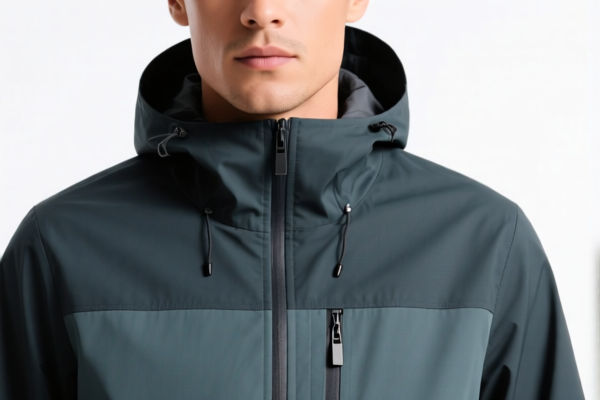
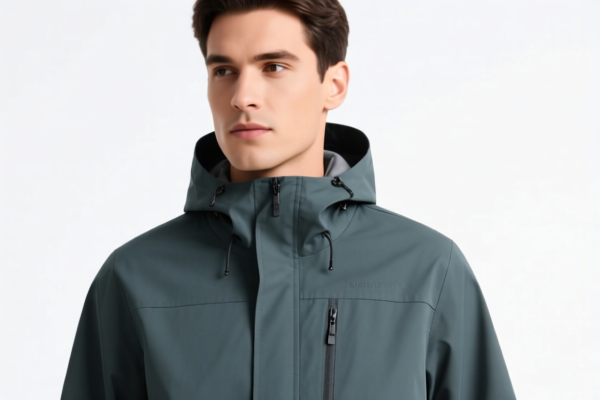
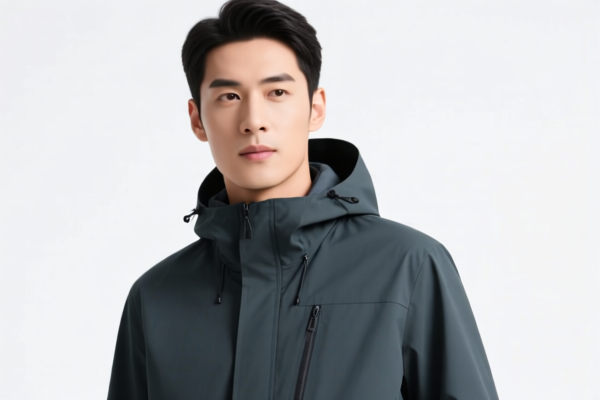

AI Analysis
🧥 Boys' Windproof Jacket (Other Textile Materials)
🌐 HS Code Reference & Customs Clearance Guide | 2026 Latest Tariff Analysis | Professional通关 Strategy
📌 I. Product Definition & Classification: Do You Really Understand the "Boys' Windproof Jacket"?
A Boys' Windproof Jacket (Other Textile Materials) refers to outerwear for male children, designed to block wind, typically made from synthetic fabrics like polyester or nylon, or other non-knit woven textiles. It is not a raincoat (waterproof) nor a knitted sweatshirt.
In international trade, the classification depends heavily on the fabric structure: * Woven (Knitted vs. Non-knit): Is the fabric woven (interlaced threads) or knitted (looped threads)? This is the primary split between Chapter 61 and Chapter 62. * Gender: Specifically for boys (as opposed to girls, which falls under different headings). * Material: "Other textile materials" implies it’s not wool, cotton, or specific synthetic fibers like pure polyester yarns, but a blend or other fabric types.
⚠️ Key Distinction:
- If Knitted: Falls under Chapter 61 (6102.90.90.30 / 6102.90.90.05).
- If Woven: Falls under Chapter 62 (6202.90.69.61 / 6202.90.49.61 / 6210.50.22.90).
- Never confuse "Windproof" with "Waterproof Rainwear" (which might fall under 6210.30/40).
📦 II. HS Code Classification Details (2026 Latest Tariff Authority Comparison)
| HS Code | Product Description | Applicable Scenario | Fabric Type |
|---|---|---|---|
6102.90.90.30 |
Boys' windproof jacket, knitted, other textile materials | Knitted fleece/polyester blend jackets | ✅ Knitted |
6102.90.90.05 |
Boys' windproof jacket, knitted, other textile materials | Similar to above, specific sub-category | ✅ Knitted |
6202.90.69.61 |
Boys' windproof jacket, woven, other textile materials | Woven polyester/nylon shells | ✅ Woven |
6202.90.49.61 |
Boys' windproof jacket, woven, other textile materials | Woven synthetic shells | ✅ Woven |
6210.50.22.90 |
Boys' windproof jacket, woven, made up fabrics | Jackets made from cut pieces of woven fabric (e.g., non-laminated) | ✅ Woven (Made-up) |
🔍 Critical Reminder:
- Knitted (Chapter 61) vs. Woven (Chapter 62) is the most common error.
- "Other textile materials" usually excludes cotton, wool, and specific synthetics like acrylic. If it’s 100% Polyester, it might fall under different sub-headings (e.g., 6202.90.49.61 vs 6202.90.69.61).
- Gender Matters: "Boys'" must be clearly stated. Misclassification as "Girls'" or "Unisex" can lead to wrong duty rates.
💰 III. 2026 Latest Tariff Rate Breakdown (Including Additional Taxes, Policy Surcharges)
✅ Applicable Country: United States (US)
✅ Origin: China (CN)
✅ Effective Date: From Nov 10, 2025 (and subsequent imports)
🎯 1. Knitted Jackets (Chapter 61)
HS Code: 6102.90.90.30 & 6102.90.90.05
| Item | Details |
|---|---|
| Base Duty Rate | 5.7% (Ad Valorem) |
| Section 301 Additional Tariff | +7.5% |
| Section 122 Tariff (China) | +10% |
| Total Effective Tax Rate | 23.2% |
| Tax Calculation | CIF Value × 23.2% |
| De Minimis Exemption | ❌ Not Eligible (deny_de_minimis) |
| Legal Basis Path | Base: 6102.90.90 → 301: Footnote 9903.88.01 → 122: IEEPA:9903.01.25 |
📌 Explanation:
- 5.7% Base Duty: Standard MFN rate for other textile apparel.
- 7.5% Section 301: Trump-era/Biden-era maintained tariff on Chapter 61 items from China.
- 10% Section 122: Specific tariff under IEEPA for China-origin goods, effective Nov 2025.
- Total: 23.2%. This is a high duty rate for children's apparel.
🎯 2. Woven Jackets (Chapter 62)
HS Code: 6202.90.69.61 & 6202.90.49.61
| Item | Details |
|---|---|
| Base Duty Rate | 2.8% (Ad Valorem) |
| Section 301 Additional Tariff | +7.5% |
| Section 122 Tariff (China) | +10% |
| Total Effective Tax Rate | 20.3% |
| Tax Calculation | CIF Value × 20.3% |
| De Minimis Exemption | ❌ Not Eligible (deny_de_minimis) |
| Legal Basis Path | Base: 6202.90.69/49 → 301: Footnote 9903.88.01 → 122: IEEPA:9903.01.25 |
📌 Explanation:
- 2.8% Base Duty: Lower than knitted, reflecting different trade rules for woven vs. knitted.
- 7.5% + 10% Add-ons: Same punitive tariffs as knitted.
- Total: 20.3%. Slightly cheaper than knitted, but still very high.
HS Code: 6210.50.22.90
| Item | Details |
|---|---|
| Base Duty Rate | 6.2% (Ad Valorem) |
| Section 301 Additional Tariff | +7.5% |
| Section 122 Tariff (China) | +10% |
| Total Effective Tax Rate | 23.7% |
| Tax Calculation | CIF Value × 23.7% |
| De Minimis Exemption | ❌ Not Eligible (deny_de_minimis) |
| Legal Basis Path | Base: 6210.50.22 → 301: Footnote 9903.88.01 → 122: IEEPA:9903.01.25 |
📌 Explanation:
- 6.2% Base Duty: Higher base rate for "Made-up" woven garments (cut and sewn).
- Total: 23.7%. Highest among all listed codes. Avoid this classification if possible unless the product fits this specific "made-up" definition exactly.
🛠️ IV. Customs Clearance Practical Advice (Avoid Pitfalls)
✅ 1. Preparation Checklist (No Compromise)
| Document | Mandatory? | Notes |
|---|---|---|
| ✅ Product Specification Sheet | ✔️ | Must specify: Fabric composition (e.g., 100% Polyester Woven), Size, Color, Age Range (e.g., 4-6 Years Boys). |
| ✅ Fabric Swatch/Photo | ✔️ | Critical to prove Woven vs. Knitted.海关 may pull samples. |
| ✅ Commercial Invoice | ✔️ | Clearly state: "Boys' Windproof Jacket, Woven/Knitted, Other Textile Material". Avoid vague terms like "Clothes". |
| ✅ Packing List | ✔️ | Show quantity per carton. Ensure no mixed genders in one shipment if possible. |
| ✅ Labeling | ✔️ | Must have "Boys'" and size on the garment. |
| ✅ Country of Origin Certificate | ✔️ | For China origin verification. |
✅ 2. Declaration Tips (Key Mantras)
🔥 "Knitted is 61, Woven is 62; Boys must be stated, Gender matters huge!"
| Scenario | Correct HS Code | Wrong Action | Consequence |
|---|---|---|---|
| Knitted Jacket | 6102.90.90.30 or 6102.90.90.05 |
Misdeclare as Woven | Risk of penalty for undervaluation or classification error. |
| Woven Jacket | 6202.90.69.61 or 6202.90.49.61 |
Misdeclare as Knitted | Overpayment of duty (23.2% vs 20.3%). |
| Boys' Jacket | All above | Declare as "Unisex" or "Girls'" | Wrong chapter/sub-heading → Seizure or Penalty. |
| Made-up Fabric | 6210.50.22.90 |
Declare as standard woven | Incorrect base duty (6.2% vs 2.8%) → Overpayment. |
✅ 3. Special Cases
| Situation | Advice |
|---|---|
| Mixed Shipment (Boys + Girls) | Do not mix HS codes in one line item. Create separate line items for Boys (6202.90...) and Girls (6202.90... but different sub-code if applicable). |
| Windproof vs. Waterproof | If it’s Waterproof (e.g., PVC-coated), it may fall under 6210.30/40, which has different duties. Ensure "Windproof" is accurate. |
| Origin: Not China | If from Vietnam/Mexico, Section 122 (10%) does NOT apply. Only Base + Section 301 (if applicable) or Free. Savings: 10-15%. |
🌍 V. Global Market Comparison (2026 Latest)
| Country/Region | Recommended HS Code | Tariff Rate (China Origin) | Certification | Notes |
|---|---|---|---|---|
| 🇺🇸 USA | 6202.90.69.61 (Woven) |
20.3% | CPC (Children's Product Certificate) | High duties due to 301 + 122. |
| 🇨🇳 China | 6202.90.69.61 |
12-15% | CCC | Domestic trade, lower tariffs. |
| 🇪🇺 EU | 6202.93 (Polyester) |
0-12% | CE (if safety gear) | No Section 122/301. Lower rates. |
| 🇬🇧 UK | 6202.93 |
0-12% | UKCA | Post-Brexit, no US tariffs. |
| 🇦🇺 Australia | 6202.93 |
5% | ACCC | Moderate tariffs. |
📌 Conclusion:
- USA is the most expensive market due to the 301 (7.5%) + 122 (10%)叠加.
- Consider supply chain diversification to Vietnam/Mexico to avoid the 10% Section 122 tariff.
📌 VI. Common Errors & Pitfalls (Blood Lessons)
❌ Error 1: Declaring as "Girls' Jacket" when it’s "Boys'"
👉 Result: Wrong HS code → Customs hold or fine.
❌ Error 2: Confusing Woven vs. Knitted
👉 Result: Wrong chapter (61 vs 62) → Penalty for misclassification.
❌ Error 3: Omitting "Boys'" in description
👉 Result: Customs may classify as "Unisex" → Potential duty rate change.
❌ Error 4: Ignoring Section 122 Tariff
👉 Result: Underestimating cost by 10% → Profit margin erosion.
✅ Correct Description Example:
"Boys' Windproof Jacket, 100% Polyester Woven, Other Textile Material, Size 4-6, Model XYZ, China Origin"
🎯 VII. Conclusion: Precise Classification, Maximize Profit!
🎯 Remember the Mantra:
🔹 "Knitted 61, Woven 62; Boys must be clear, Gender matters!"
🔹 "US Tariff is 20-23%, Plan for Cost, Or Lose Margin!"
📌 Pro Tip:
If your jackets are originating from Vietnam, Mexico, or Thailand, you can avoid the 10% Section 122 tariff.
Total US Duty could drop to ~10-15% (Base + 301 only).
Recommendation: Apply for Advance Ruling if unsure about Woven vs. Knitted status.
📣 Take Action Now:
📞 Contact a Professional Customs Broker + Provide Fabric Swatch + Apply for HS Code Advance Ruling
🚀 Let your Jackets Clear Smoothly, Export Efficiently, Profit Double!
✨ Professional Clearance Starts with Accurate Classification!
💼 Every Cent of Cost Deserves Precise Calculation!
Customer Reviews
About HS Code Classification
The Harmonized System (HS) is an internationally standardized nomenclature developed by the World Customs Organization (WCO) to classify traded products. Over 200 countries use the HS system as the basis for customs tariffs, trade statistics, and import/export regulations.
Each HS code follows a hierarchical structure:
- Chapter (2 digits) — Broad category of goods (e.g., Chapter 84: Machinery and Mechanical Appliances)
- Heading (4 digits) — More specific grouping within the chapter
- Subheading (6 digits) — Internationally standardized breakdown, used by all WCO member countries
- National subdivisions (8-10 digits) — Country-specific extensions for further classification, such as US HTSUS 10-digit codes
Correct HS code classification is essential for smooth customs clearance, accurate duty payment, and compliance with trade regulations. Misclassification can lead to customs delays, overpayment of duties, or penalties.
When importing from CN to US, the applicable tariff rates may include:
- Most-Favored-Nation (MFN) rate — The standard duty rate applied to WTO members
- General rate — Applied to countries without trade agreements
- Trade remedy duties — Additional tariffs such as Section 301 (anti-dumping), Section 232 (national security), or countervailing duties
The information provided on this page is for reference purposes only. For official classification, please consult with your local customs authority or a licensed customs broker.