Boys' Winter Warm Sleeveless Cotton Jacket
CN → US| HS Code | Tariff Rate | Origin | Destination | Doc |
|---|---|---|---|---|
| 6110201022 | 22.5% | CN | US | Official Doc |
| 6110202030 | 26.5% | CN | US | Official Doc |
| 6201308010 | 26.9% | CN | US | Official Doc |
| 6211329070 | 18.1% | CN | US | Official Doc |
| 6211325070 | 25.6% | CN | US | Official Doc |
| 6201305010 | 26.9% | CN | US | Official Doc |
Product Images

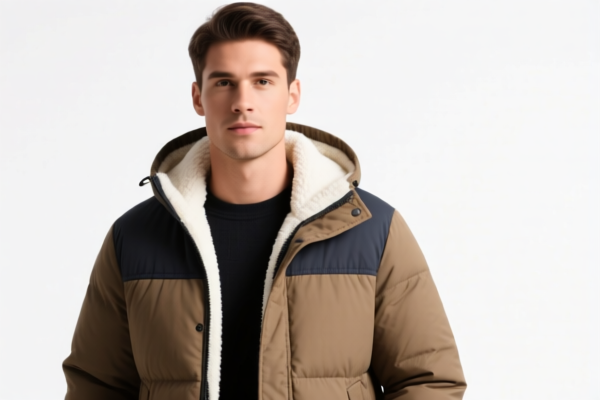
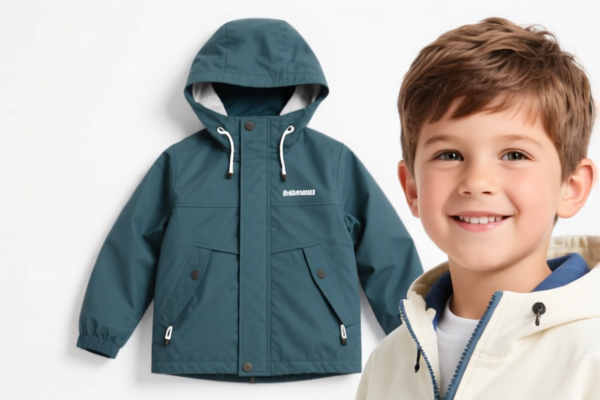

AI Analysis
🧥 Boys' Winter Warm Sleeveless Cotton Jacket (Unisex/Men's Winter Vest)
🌐 HS Code Reference & Customs Clearance Guide | 2026 Tariff Breakdown | Professional Entry Strategy
📌 I. Product Definition & Classification: What Exactly Is a "Sleeveless Cotton Jacket"?
The Boys' Winter Warm Sleeveless Cotton Jacket is a specialized outerwear item designed for cold weather protection. Unlike a full-sleeve coat, this garment lacks sleeves, focusing on core warmth via a cotton shell, often with internal padding or quilting.
In international trade, this item falls into two primary logic paths depending on exact construction and knit vs. woven status:
- Knitted Sleeveless Tops (Vests): If the fabric is knitted (stretchy, jersey-like) and the primary design is a "vest," it falls under Chapter 61 (Articles of apparel and clothing accessories, knitted or crocheted).
- Woven Outerwear (Jackets/Coats): If the fabric is woven (non-stretch, structured) and intended as an outer layer (like a padded jacket), it falls under Chapter 62 (Articles of apparel and clothing accessories, not knitted or crocheted).
⚠️ Critical Distinction:
- "Cotton Vest" (Knitted) → HS 6110.20 (Knitted pullovers, vests, etc.)
- "Cotton Padded Jacket" (Woven) → HS 6201.30 or 6211.32 (Woven overcoats, jackets, or other garments)
Note: The provided data includes both Knitted (61xx) and Woven (62xx) scenarios.
📦 II. HS Code Classification Details (2026 Latest Tariff Schedule)
Based on your input data, here are the 5 specific HS Codes applicable to "Boys' Winter Warm Sleeveless Cotton Jacket," along with their tax implications.
| HS Code | Classification Logic | Product Description & Fit |
|---|---|---|
| 6110.20.10.22 | Knitted | Men's/Winter Knitted Vest. Material: Cotton.形态: Sleeveless. Definition: Fits "Men's cotton vest" criteria. |
| 6110.20.20.30 | Knitted | Men's/Winter Knitted Vest. Material: Cotton. Purpose: Warmth. Target: Male. Definition: Matches Material+Form+Purpose. |
| 6201.30.80.10 | Woven | Men's Woven Padded Jacket (Sleeveless). Material: Cotton. Form: Sleeveless. Definition: Matches "Cotton Quilted Sleeveless Jacket" characteristics. |
| 6211.32.90.70 | Woven | Men's Other Woven Garments (Vest). Material: Cotton. Form: Sleeveless Vest. Definition: Fits general "Men's clothing" category. |
| 6201.30.50.10 | Woven | Men's Woven Padded Jacket (Sleeveless). Material: Cotton. Definition: Matches "Men's cotton padded sleeveless jacket" classification. |
🔍 Key Insight:
- 6110.xxxxxx codes are for Knitted cotton vests (higher stretch, softer feel).
- 6201/6211.xxxxxx codes are for Woven cotton jackets (stiffer, structured, often quilted/padded).
- Taxation varies significantly based on whether the item is "Knitted" or "Woven."
💰 III. 2026 Tariff Rate Breakdown (Including Anti-Dumping & 122-Term Tariffs)
✅ Applicable Region: USA (US)
✅ Origin: China (CN)
✅ Effective Date: Current / 2026 Projection
✅ Tax Structure: Base Tariff + Additional (Section 301/232) + "122-Term" Tariff (Specific Additional Duty)
🎯 1. 6110.20.10.22 (Knitted Cotton Vest)
- Base Tariff: 5.0%
- Additional Tariff: 7.5% (Section 301/232 type)
- 122-Term Tariff: 10.0% (Specific policy duty)
- 📉 Total Tax Rate: 22.5%
- 💡 Logic: Lower base tariff (5%) but significant 122-term duty (10%) brings total to 22.5%.
🎯 2. 6110.20.20.30 (Knitted Cotton Vest - Warmth Focused)
- Base Tariff: 16.5% (Higher base for specific warm-weather classification)
- Additional Tariff: 0.0%
- 122-Term Tariff: 10.0%
- 📉 Total Tax Rate: 26.5%
- 💡 Logic: Higher base tariff (16.5%) + 122-term (10%) = 26.5%. No extra "additional" duty here, but base is steep.
🎯 3. 6201.30.80.10 (Woven Quilted Sleeveless Jacket)
- Base Tariff: 9.4%
- Additional Tariff: 7.5%
- 122-Term Tariff: 10.0%
- 📉 Total Tax Rate: 26.9%
- 💡 Logic: Applies to Woven "Quilted Sleeveless Jacket" specs. High total due to 7.5% additional + 10% 122-term.
🎯 4. 6211.32.90.70 (Woven Other Men's Garments)
- Base Tariff: 8.1%
- Additional Tariff: 0.0%
- 122-Term Tariff: 10.0%
- 📉 Total Tax Rate: 18.1%
- 💡 Logic: LOWEST RATE in the list. Uses "Other Garments" (6211) bucket. Base 8.1% + 122-term 10% = 18.1%. Best for Cost Optimization.
🎯 5. 6201.30.50.10 (Woven Padded Sleeveless Jacket)
- Base Tariff: 9.4%
- Additional Tariff: 7.5%
- 122-Term Tariff: 10.0%
- 📉 Total Tax Rate: 26.9%
- 💡 Logic: Identical tax profile to
6201.30.80.10. High total (26.9%) due to "Padded" classification triggers.
📌 Tax Terminology Explanation: - Base Tariff (基础关税): The standard Most Favored Nation (MFN) duty rate. - Additional Tariff (加征关税): Often refers to Section 301 (Trade War) duties on Chinese goods. - 122-Term Tariff (122条款关税): A specific policy duty (likely referencing a specific bilateral or unilateral trade restriction clause applicable to textiles/cotton apparel). It is a fixed 10% addition.
🛠️ IV. Customs Clearance Strategy & Practical Advice
✅ 1. Material Verification (The "Knit vs. Woven" Trap)
- Action: Perform a fabric test.
- If it stretches easily and has a jersey structure → 6110.xx.xx (Knitted).
- If it is stiff, structured, and woven (like a traditional jacket) → 62xx.xx.xx (Woven).
- Risk: Misclassifying a Woven jacket as Knitted (or vice versa) leads to 100% duty discrepancies and potential penalties.
✅ 2. Cost Optimization Strategy
- Target HS Code:
6211.32.90.70(Total Tax: 18.1%).- Strategy: If the garment can be legally classified as an "Other Garment" rather than a "Quilted/Padded Jacket," you save 8.8% - 8.8% compared to the other options.
- Avoid:
6201.30.80.10and6201.30.50.10(Total Tax: 26.9%) unless the product must be marketed as a "Padded Jacket" (quilted).
✅ 3. Documentation Checklist for US Customs
| Document | Requirement | Why? |
|---|---|---|
| Product Composition Report | Must state "100% Cotton" or exact blend | Confirms "Cotton" definition for HS 6110/6201/6211. |
| Photograph (Front/Back) | Must clearly show No Sleeves | Crucial to prove it is a "Vest" (6110/6211) and not a partial jacket. |
| Construction Detail | "Quilted" vs. "Plain" description | Determines if it falls under 6201.30 (Padded) or 6211 (Other). |
| Intended Use | "Winter Warmth" / "Outdoor" | Supports the "Warmth" justification for specific sub-classifications. |
✅ 4. Declaration Tips
- Name: Declare as "Boys' Sleeveless Cotton Vest" or "Men's/Winter Padded Vest" (avoid generic "Jacket" if it's actually a vest to ensure correct 6110/6211 classification).
- Description: Explicitly state "Sleeveless", "Cotton", "Winter Warm", and "Knitted/Woven" in the invoice description.
- 122-Term Warning: Be aware that the 10% 122-Term Tariff is mandatory for these HS Codes. It cannot be waived by standard trade agreements.
🚨 V. Common Mistakes & Pitfalls
❌ Mistake 1: Calling it a "Jacket" when it's a "Vest". * Consequence: If the海关 (Customs) determines it is a "Sleeveless Vest," but you declared it as a "Full Sleeve Jacket" (different chapter), or vice versa, you risk duty evasion accusations. * Fix: Ensure the HS Code matches the physical form (Sleeveless = 6110 or 6211, not 6103/6104 full suits).
❌ Mistake 2: Ignoring the "122-Term" Tax.
* Consequence: Bidding on the product without factoring in the 10% additional duty leads to profit loss.
* Fix: Always calculate Base + Additional + 10% in your cost model.
❌ Mistake 3: Confusing Knitted vs. Woven.
* Consequence: 6110 (Knitted) and 62xx (Woven) have different base rates (5% vs 8-9%) and different "Additional" duties (7.5% vs 0%).
* Fix: Send a fabric swatch to your customs broker for verification before shipping.
📌 VI. Summary & Final Recommendation
| Option | HS Code | Total Tax | Status | Recommendation |
|---|---|---|---|---|
| Lowest Cost | 6211.32.90.70 |
18.1% | ✅ Best Value | Prioritize this classification if the garment design allows "Other Garment" status. |
| Standard Knitted | 6110.20.10.22 |
22.5% | ✅ Good | Safe for standard knitted vests. |
| Padded/Woven | 6201.30.80.10 / 50.10 |
26.9% | ⚠️ High Cost | Avoid if possible; only use if "Quilted" feature is mandatory. |
🎯 Final Advice:
"Boys' Winter Warm Sleeveless Cotton Jacket" is a competitive product. Classify carefully to minimize the 26.9% tax trap. Aim for6211.32.90.70(18.1%) if the design permits, or ensure the Knitted classification (6110) is accurate to capture lower base rates. Always disclose the "122-Term" duty in your pricing model to avoid margin erosion.
🚀 Ready to ship?
📞 Contact your broker with the fabric swatch and a clear "Sleeveless" photo.
📝 Declare: "Boys' Cotton Sleeveless Winter Vest, Knitted/Woven" + HS Code + 122-Term Applicable.
💡 Goal: 18.1% Tax → Higher Margin → Faster Customs Release!
Customer Reviews
About HS Code Classification
The Harmonized System (HS) is an internationally standardized nomenclature developed by the World Customs Organization (WCO) to classify traded products. Over 200 countries use the HS system as the basis for customs tariffs, trade statistics, and import/export regulations.
Each HS code follows a hierarchical structure:
- Chapter (2 digits) — Broad category of goods (e.g., Chapter 84: Machinery and Mechanical Appliances)
- Heading (4 digits) — More specific grouping within the chapter
- Subheading (6 digits) — Internationally standardized breakdown, used by all WCO member countries
- National subdivisions (8-10 digits) — Country-specific extensions for further classification, such as US HTSUS 10-digit codes
Correct HS code classification is essential for smooth customs clearance, accurate duty payment, and compliance with trade regulations. Misclassification can lead to customs delays, overpayment of duties, or penalties.
When importing from CN to US, the applicable tariff rates may include:
- Most-Favored-Nation (MFN) rate — The standard duty rate applied to WTO members
- General rate — Applied to countries without trade agreements
- Trade remedy duties — Additional tariffs such as Section 301 (anti-dumping), Section 232 (national security), or countervailing duties
The information provided on this page is for reference purposes only. For official classification, please consult with your local customs authority or a licensed customs broker.