Boys' Winter Windproof Jacket
CN → US| HS Code | Tariff Rate | Origin | Destination | Doc |
|---|---|---|---|---|
| 6210205020 | 24.6% | CN | US | Official Doc |
| 6201404500 | 24.6% | CN | US | Official Doc |
| 6201407000 | 24.6% | CN | US | Official Doc |
| 6210205029 | 24.6% | CN | US | Official Doc |
| 6101302010 | 45.7% | CN | US | Official Doc |
Product Images
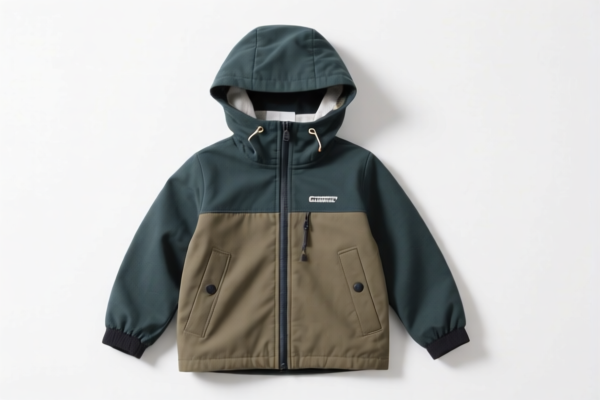
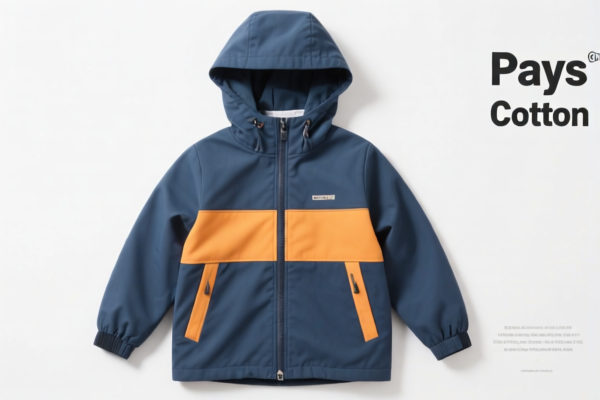
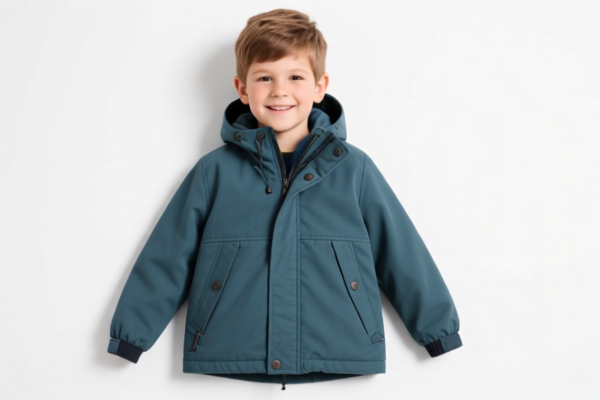

AI Analysis
🧥 Boys' Winter Windproof Jacket (Men's/Boys' Outerwear)
🌐 HS Code Reference & Customs Clearance Guide | 2026 Latest Tariff Analysis | Professional Clearance Strategy
📌 I. Product Definition & Classification: Do You Really Know What You're Shipping?
Boys' Winter Windproof Jackets are essential outer garments designed to protect against wind, cold, and light rain. In international trade, the classification hinges on material composition and knitting vs. weaving status. These jackets are generally categorized under Chapter 62 (Articles of Apparel and Clothing Accessories, Not Knitted or Crocheted) or Chapter 61 (Knitted or Crocheted), depending on the fabric structure.
Key Classification Drivers: 1. Material: Synthetic fibers (polyester, nylon) vs. Artificial fibers (rayon, viscose) vs. Natural fibers (cotton, wool). 2. Structure: Woven (most common for windproof shells) vs. Knitted. 3. Target: "Boys'" (often classified under Men's/Boys' headings in HS codes if under a certain age/size, or separately if specified).
⚠️ Critical Distinction:
- If the jacket is Woven (most windproof jackets): Falls under Chapter 62 (6201/6210 series).
- If the jacket is Knitted (less common for hard windproof shells, but possible with fleece/softshell): Falls under Chapter 61 (6101 series).
- Misclassification Risk: Declaring a woven jacket as knitted (or vice versa) leads to incorrect duty rates and potential customs delays.
📦 II. HS Code Classification Details (2026 Latest Tariff Authority Comparison)
Based on the provided data, here are the 5 possible HS Codes for Boys' Winter Windproof Jackets, ranging from low-risk to high-cost classifications.
| HS Code | Product Description | Application Scenario | Material Inference | Key Differentiator |
|---|---|---|---|---|
6210.20.50.20 |
Men's/Boys' Windproof Jacket (Woven) | Standard windproof jacket | Synthetic Fibers (Polyester/Nylon) | Woven, synthetic windproof |
6201.40.45.00 |
Men's/Boys' Windproof Jacket (Woven) | Standard windproof jacket | Artificial/Synthetic Fibers | Woven, general outerwear |
6201.40.70.00 |
Men's/Boys' Windproof Jacket (Woven) | Standard windproof jacket | Artificial Fibers | Woven, general outerwear |
6210.20.50.29 |
Men's/Boys' Windproof Jacket/Windbreaker (Woven) | Windbreaker style | Artificial Fibers | Woven, artificial windproof |
6101.30.20.10 |
Men's/Boys' Windproof Jacket (Knitted) | Knitted windproof/fleece | Artificial/Natural Fibers | Knitted (Not Woven) |
🔍 Important Note:
- Chapters 6201/6210 refer to Woven garments. This is the most common classification for traditional windproof jackets.
- Chapter 6101 refers to Knitted garments. If your jacket is made of knitted fabric (e.g., fleece-lined, softshell knit), it falls here.
- Material Matters: Synthetic (Polyester) vs. Artificial (Rayon/Viscose) can influence sub-classification within the same code.
💰 III. 2026 Latest Tariff Rate Breakdown (Including Surcharges & Policy Add-ons)
✅ Applicable Country: United States (US)
✅ Origin: China (CN)
✅ Effective Date: Post-2025 (Current Tariff Regime)
🎯 1. 6210.20.50.20 —— Men's/Boys' Woven Windproof Jacket (Synthetic)
| Item | Details |
|---|---|
| Base Duty Rate | 7.1% (Ad Valorem) |
| Section 301 Surcharge | +7.5% |
| Section 122 Duty | +10% (Specific to certain apparel/textiles from China) |
| Total Duty Rate | 24.6% |
| Tax Calculation | CIF Value × 24.6% |
| De Minimis Eligibility | ❌ No (Textiles/Apparel generally excluded from Section 321 de minimis exemption for China origin due to specific trade actions) |
| Legal Path | USITC:6210.20.50.20 → Section 301:7.5% → Section 122:10% |
📌 Explanation:
- Base Rate (7.1%): Standard Most Favored Nation (MFN) rate for woven men's/boys' windbreakers.
- Section 301 (7.5%): Part of the ongoing tariff war on Chinese goods.
- Section 122 (10%): A specific duty applicable to certain apparel articles from China.
- Total: 24.6%. This is a moderate-high duty for apparel.
🎯 2. 6201.40.45.00 & 6201.40.70.00 —— Men's/Boys' Woven Outerwear (Artificial/Synthetic)
| Item | Details |
|---|---|
| Base Duty Rate | 7.1% (Ad Valorem) |
| Section 301 Surcharge | +7.5% |
| Section 122 Duty | +10% |
| Total Duty Rate | 24.6% |
| Tax Calculation | CIF Value × 24.6% |
| De Minimis Eligibility | ❌ No |
| Legal Path | USITC:6201.40.xxxx → Section 301:7.5% → Section 122:10% |
📌 Note:
- These codes cover similar items but may differ in specific material sub-classifications (e.g., 45 vs. 70).
- Tax burden is identical (24.6%) as the surcharges are based on the chapter/heading level.
🎯 3. 6210.20.50.29 —— Men's/Boys' Woven Windproof Jacket (Artificial Fibers)
| Item | Details |
|---|---|
| Base Duty Rate | 7.1% |
| Section 301 Surcharge | +7.5% |
| Section 122 Duty | +10% |
| Total Duty Rate | 24.6% |
| Tax Calculation | CIF Value × 24.6% |
| De Minimis Eligibility | ❌ No |
📌 Note:
- Slightly different sub-code than50.20.20, but same duty structure.
- Use this if the material is explicitly artificial (e.g., polyester blends classified under artificial fibers in specific contexts, though often synthetic).
🎯 4. 6101.30.20.10 —— Men's/Boys' Knitted Windproof Jacket (Highest Cost!)
| Item | Details |
|---|---|
| Base Duty Rate | 28.2% (Ad Valorem) |
| Section 301 Surcharge | +7.5% |
| Section 122 Duty | +10% |
| Total Duty Rate | 45.7% |
| Tax Calculation | CIF Value × 45.7% |
| De Minimis Eligibility | ❌ No |
| Legal Path | USITC:6101.30.20.10 → Section 301:7.5% → Section 122:10% |
⚠️ CRITICAL WARNING:
- This code has a HIGHER base rate (28.2%) compared to woven jackets (7.1%).
- Total Duty: 45.7% is significantly more expensive.
- Reason: Knitted outerwear (Chapter 61) often faces higher base tariffs than woven outerwear (Chapter 62) in US tariff schedules.
- Action: If your jacket is woven (even if windproof), DO NOT classify under6101.30.20.10. Verify fabric structure!
🛠️ IV. Customs Clearance Practical Advice (Pitfall Avoidance Guide)
✅ 1. Required Documentation Checklist (Non-Negotiable)
| Document | Must Provide | Explanation |
|---|---|---|
| ✅ Product Specification Sheet | ✔️ | Detailed description: Woven/Knitted, Material (Polyester/Cotton %), Lining, Windproof membrane type |
| ✅ Fabric Composition Label | ✔️ | Must show exact % of Synthetic vs. Artificial vs. Natural fibers |
| ✅ Product Photos | ✔️ | Front, back, inside lining, care label, tags |
| ✅ Commercial Invoice | ✔️ | Clearly state: "Boys' Woven Windproof Jacket, Material: 100% Polyester" |
| ✅ Packing List | ✔️ | Item count, weight, dimensions |
| ✅ Origin Certificate | ✔️ | If claiming exemption (rare for China) |
✅ 2. Declaration Tips (Key Mantra)
🔥 "Woven vs. Knitted is Key! Material % Defines Sub-code!"
| Scenario | Correct Declaration | Incorrect Declaration | Consequence |
|---|---|---|---|
| Woven Jacket (Standard) | 6201.40.45.00 or 6210.20.50.20 |
6101.30.20.10 (Knitted) |
Overpaying by 21.1%! |
| Knitted Jacket (Fleece) | 6101.30.20.10 |
6201.40.45.00 (Woven) |
Underpaying → Penalties & Back Taxes |
| Material Mismatch | Correct % (e.g., 100% Polyester) | Wrong % (e.g., 100% Cotton) | Customs Re-classification & Delays |
| "Windproof" Claim | Supported by specs (e.g., PU coating) | No proof | Audited for false description |
✅ 3. Special Cases & Handling
| Scenario | Handling Advice |
|---|---|
| Mixed Material (e.g., 80% Poly, 20% Cotton) | Classify based on principal material. If synthetic > 50%, likely Chapter 62 synthetic code. |
| Unlined vs. Lined | Lined jackets may fall under different sub-headings. Check lining material. |
| Size "Boys'" | Ensure the HS code covers "Boys'" (often grouped with Men's in Chapter 62). |
| Sample Shipment | Still subject to duties. No de minimis for China-origin apparel in most cases. |
🌍 V. Global Market Comparison (2026)
| Country/Region | Recommended HS Code | Duty Rate (China Origin) | Certification Requirements | Remarks |
|---|---|---|---|---|
| 🇺🇸 USA | 6201.40.45.00 / 6210.20.50.20 |
24.6% | FTC Labeling, CPSIA (if under 12) | High scrutiny on fiber content |
| 🇨🇳 China | 6201.40.45.00 |
~5-10% | CCC (if applicable) | Lower duty |
| 🇪🇺 EU | 6201.40.90 |
12% | REACH, OEKO-TEX | Standard EU duty |
| 🇨🇦 Canada | 6201.93.00 |
16-18% | CBSA Guidelines | Moderate duty |
| 🇦🇺 Australia | 6201.93.00 |
5% | ACCC Standards | Low duty |
📌 Conclusion:
- USA has the highest effective duty (24.6%) due to Section 301 & 122.
- Canada and EU have moderate duties (12-18%).
- Australia has the lowest duty (5%).
- Strategy: If selling to the US, optimize supply chain (e.g., fabric from non-China sources) to explore potential exemptions, though difficult for apparel.
📌 VI. Common Mistakes & Pitfall Guide (Lessons Learned)
❌ Mistake 1: Classifying a Woven jacket as Knitted (6101.30.20.10)
👉 Consequence: You pay 45.7% instead of 24.6%. Loss: 21.1% extra duty!
✅ Fix: Check the fabric weave. If it's a woven shell, use Chapter 62.
❌ Mistake 2: Not specifying Material Composition
👉 Consequence: Customs cannot determine base rate. Delay + Potential Re-classification to higher duty.
✅ Fix: Always declare exact % (e.g., "100% Polyester Woven").
❌ Mistake 3: Assuming "Windproof" is a separate HS category
👉 Consequence: "Windproof" is a function, not a material. It doesn't change the HS code.
✅ Fix: Focus on Woven/Knitted and Material %.
❌ Mistake 4: Ignoring Section 122
👉 Consequence: Underestimating total duty cost.
✅ Fix: Always add +10% for Section 122 in your cost model.
🎯 VII. Conclusion: Precise Classification Saves Money!
🎯 Remember the Mantra:
🔹 "Woven vs. Knitted decides the Chapter (61 vs. 62)."
🔹 "Synthetic vs. Artificial decides the Sub-code."
🔹 "Section 122 (+10%) & Section 301 (+7.5%) are non-negotiable for China."
🔹 "Total Duty for Woven: 24.6%. Total Duty for Knitted: 45.7%!"
📌 Pro Tip:
If your jacket uses recycled polyester or has special eco-certifications, check if any new preferential tariffs apply (rare for US-China, but possible for other markets).
Always request a Pre-Ruling from CBP if the classification is ambiguous (Woven vs. Knitted edge case).
📣 Immediate Action:
📞 Contact a Licensed Customs Broker + Provide Fabric Swatches + Verify Fiber Content
🚀 Ensure your commercial invoice matches the physical product exactly to avoid 45.7% vs 24.6% pitfalls!
✨ Professional Customs Clearance Starts with Accurate Classification!
💼 Every 1% of duty saved is pure profit!
Customer Reviews
About HS Code Classification
The Harmonized System (HS) is an internationally standardized nomenclature developed by the World Customs Organization (WCO) to classify traded products. Over 200 countries use the HS system as the basis for customs tariffs, trade statistics, and import/export regulations.
Each HS code follows a hierarchical structure:
- Chapter (2 digits) — Broad category of goods (e.g., Chapter 84: Machinery and Mechanical Appliances)
- Heading (4 digits) — More specific grouping within the chapter
- Subheading (6 digits) — Internationally standardized breakdown, used by all WCO member countries
- National subdivisions (8-10 digits) — Country-specific extensions for further classification, such as US HTSUS 10-digit codes
Correct HS code classification is essential for smooth customs clearance, accurate duty payment, and compliance with trade regulations. Misclassification can lead to customs delays, overpayment of duties, or penalties.
When importing from CN to US, the applicable tariff rates may include:
- Most-Favored-Nation (MFN) rate — The standard duty rate applied to WTO members
- General rate — Applied to countries without trade agreements
- Trade remedy duties — Additional tariffs such as Section 301 (anti-dumping), Section 232 (national security), or countervailing duties
The information provided on this page is for reference purposes only. For official classification, please consult with your local customs authority or a licensed customs broker.