Boys' short sleeved shirt
CN → US| HS Code | Tariff Rate | Origin | Destination | Doc |
|---|---|---|---|---|
| 6205202031 | 37.2% | CN | US | Official Doc |
| 6205302040 | 0.0% | CN | US | Official Doc |
| 6105100030 | 37.2% | CN | US | Official Doc |
| 6105202030 | 49.5% | CN | US | Official Doc |
| 6109100014 | 34.0% | CN | US | Official Doc |
Product Images
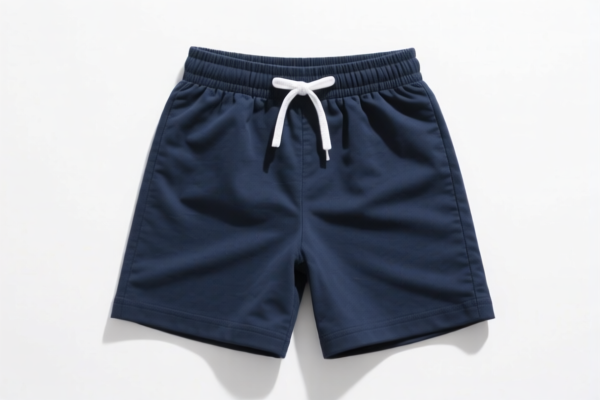
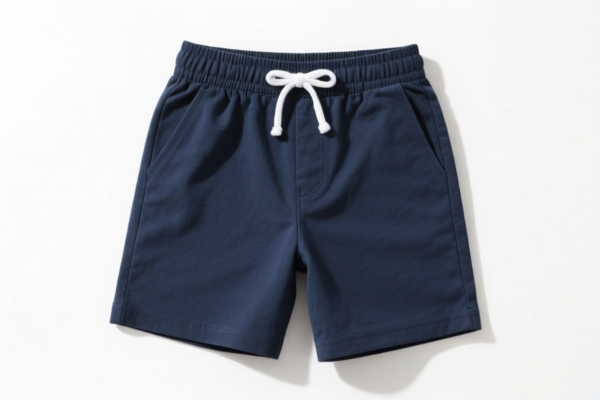
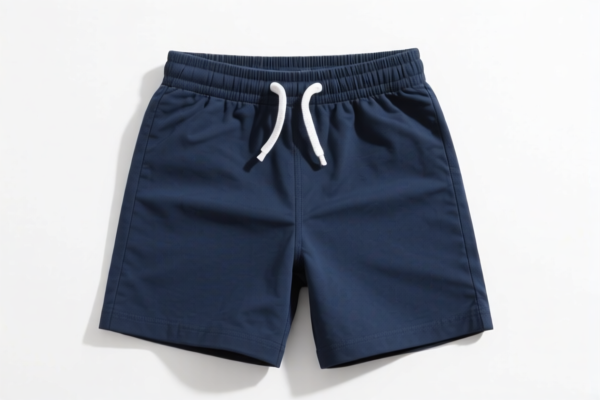
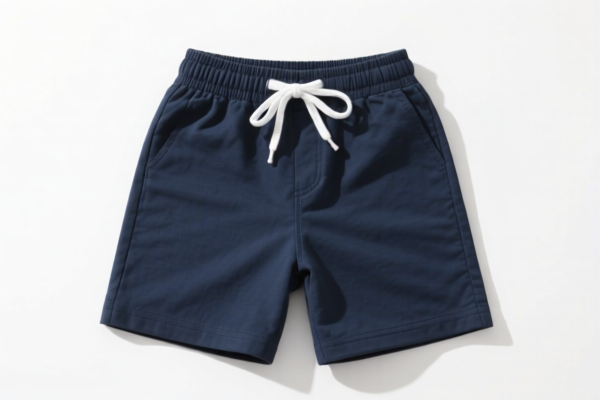
AI Analysis
👕 Boys' Short-Sleeved Summer Sports Shirt
🌐 HS Code Reference & Customs Clearance Guide | 2026 Latest Tariff Analysis | Professional Clearance Strategy
📌 I. Product Definition & Classification: Do You Know What "Boys' Shirt" Really Is?
Boys' short-sleeved shirts for summer sports are a crucial category in children's apparel. In international trade, classification depends heavily on material (Fabric vs. Knit) and weaving method (Woven vs. Knitted). Misclassification can lead to significant tariff differences or clearance delays.
⚠️ Key Distinction Points:
- Woven (梭织): Fabric structure is stable, often used for structured shirts; classified under Heading 6205.
- Knitted (针织): Fabric has elasticity, often used for T-shirts or casual shirts; classified under Heading 6105 or 6109.
- Material: Cotton (棉制) vs. Synthetic/Man-made Fiber (人造纤维制) significantly impacts the base tariff rate.
📦 II. HS Code Classification Details (2026 Latest Tariff Authority Comparison)
| HS Code | Product Description | Material Type | Fabric Structure | Summary in Data |
|---|---|---|---|---|
6205.20.20.31 |
Boys' short-sleeved shirts, cotton | Cotton | Woven | 男童夏季运动短袖衬衫,棉制梭织衬衫 |
6205.30.20.40 |
Boys' short-sleeved shirts, man-made fiber | Synthetic | Woven | 男童夏季运动短袖衬衫,人造纤维制梭织衬衫 |
6105.10.00.30 |
Boys' short-sleeved shirts, cotton | Cotton | Knitted | 男童夏季运动短袖衬衫,棉制针织衬衫 |
6105.20.20.30 |
Boys' short-sleeved shirts, man-made fiber | Synthetic | Knitted | 男童夏季运动短袖衬衫,人造纤维制针织衬衫 |
6109.10.00.14 |
Boys' T-shirts, cotton | Cotton | Knitted | 男童夏季运动短袖衬衫,棉制针织T恤类 |
🔍 Important Note:
- If the item is a casual T-shirt rather than a structured shirt, it may be classified under 6109 instead of 6105. The key is whether it resembles a "shirt" (collar, buttons) or a "T-shirt" (pulled over head).
- Woven vs. Knitted: Woven shirts (6205) generally have lower base tariffs for cotton but vary for synthetics compared to knitted counterparts.
💰 III. 2026 Latest Tariff Rate Breakdown (Including Additional Taxes & Policy Add-ons)
✅ Applicable Country: United States (US)
✅ Origin: China (CN)
✅ Effective Time: Current (Includes subsequent imports)
✅ Tax Components: Base Tariff + Section 301 Add-on (7.5%) + Section 122 Tariff (10%)
🎯 1. 6205.20.20.31 – Cotton Woven Shirt
| Item | Content |
|---|---|
| Base Tariff | 19.7% |
| Add-on Tariff (Section 301) | +7.5% |
| 122 Clause Tariff | +10% |
| Total Tariff Rate | 37.2% |
| Tax Calculation | CIF Value × 37.2% |
| De Minimis Exemption | ❌ Not Applicable (Denied) |
| Legal Basis Path | USITC:6205.20.20.31 → Section 301: +7.5% → 122 Clause: +10% |
📌 Explanation:
- Base 19.7%: Standard MFN rate for cotton woven men's/boys' shirts.
- 7.5% + 10%: Additional tariffs applied to Chinese origin goods.
- Total 37.2%: High combined rate. Ensure your CIF value is accurate to avoid underpayment penalties.
🎯 2. 6205.30.20.40 – Man-Made Fiber Woven Shirt
| Item | Content |
|---|---|
| Base Tariff | 29.1¢/kg + 25.9% |
| Add-on Tariff (Section 301) | +7.5% |
| 122 Clause Tariff | +10% |
| Total Tariff Rate | 29.1¢/kg + 25.9% + 7.5% + 10% |
| Tax Calculation | (Weight × 29.1¢) + (CIF Value × 43.4%) |
| De Minimis Exemption | ❌ Not Applicable |
| Legal Basis Path | USITC:6205.30.20.40 → Section 301: +7.5% → 122 Clause: +10% |
📌 Note:
- This tariff is mixed (Specific Duty + Ad Valorem).
- Specific Duty: 29.1 cents per kilogram of the product weight.
- Ad Valorem Rate: 25.9% (Base) + 7.5% (301) + 10% (122) = 43.4%.
- Warning: Light-weight shirts may face high effective rates due to the specific duty component.
🎯 3. 6105.10.00.30 – Cotton Knitted Shirt
| Item | Content |
|---|---|
| Base Tariff | 16.5% |
| Add-on Tariff (Section 301) | +7.5% |
| 122 Clause Tariff | +10% |
| Total Tariff Rate | 34.0% |
| Tax Calculation | CIF Value × 34.0% |
| De Minimis Exemption | ❌ Not Applicable |
| Legal Basis Path | USITC:6105.10.00.30 → Section 301: +7.5% → 122 Clause: +10% |
📌 Explanation:
- Cotton knitted shirts have a lower base rate (16.5%) compared to woven (19.7%).
- Total 34.0%: Still high, but 3.2% lower than the woven cotton equivalent.
🎯 4. 6105.20.20.30 – Man-Made Fiber Knitted Shirt
| Item | Content |
|---|---|
| Base Tariff | 32.0% |
| Add-on Tariff (Section 301) | +7.5% |
| 122 Clause Tariff | +10% |
| Total Tariff Rate | 49.5% |
| Tax Calculation | CIF Value × 49.5% |
| De Minimis Exemption | ❌ Not Applicable |
| Legal Basis Path | USITC:6105.20.20.30 → Section 301: +7.5% → 122 Clause: +10% |
📌 Warning:
- Highest Tariff in Category: 49.5%.
- Synthetic knitted shirts face the highest burden due to higher base tariffs (32.0%).
- Consider if reclassification to 6109 (T-shirt) is possible to reduce costs (see below).
🎯 5. 6109.10.00.14 – Cotton Knitted T-Shirt
| Item | Content |
|---|---|
| Base Tariff | 16.5% |
| Add-on Tariff (Section 301) | +7.5% |
| 122 Clause Tariff | +10% |
| Total Tariff Rate | 34.0% |
| Tax Calculation | CIF Value × 34.0% |
| De Minimis Exemption | ❌ Not Applicable |
| Legal Basis Path | USITC:6109.10.00.14 → Section 301: +7.5% → 122 Clause: +10% |
📌 Explanation:
- If the item is a simple T-shirt (no collar/buttons), it falls under 6109.
- Same Rate as Cotton Knitted Shirt: 34.0%.
- Strategic Insight: If your "shirt" can be described as a T-shirt (pullover, no buttons), this classification is safe and competitive for cotton items.
🛠️ IV. Customs Clearance Practical Advice (Battle-Tested Pitfall Avoidance)
✅ 1. Documentation Checklist (All Required)
| Document | Mandatory? | Details |
|---|---|---|
| ✅ Product Specification Sheet | ✔️ | Must specify material (Cotton % vs. Polyester %), fabric type (Woven/Knitted), and style. |
| ✅ Product Photos | ✔️ | Clear images showing collar, buttons (if any), and tag. Critical for distinguishing "Shirt" (6105/6205) from "T-shirt" (6109). |
| ✅ Commercial Invoice | ✔️ | Must clearly state "Boys' Short Sleeve Shirt" and material composition. |
| ✅ Packing List | ✔️ | Include gross weight per piece for 6205.30.20.40 calculation. |
| ✅ Origin Certificate | ✔️ | For US-China trade, standard CO is required. |
✅ 2. Declaration Tips (Key Mnemonic)
🔥 "Material First, Structure Second, Name Precise!"
| Scenario | Correct Declaration | Common Mistake |
|---|---|---|
| Cotton Woven | 6205.20.20.31 |
Misdeclaring as knitted |
| Polyester Woven | 6205.30.20.40 |
Ignoring specific duty (¢/kg) |
| Cotton Knitted Shirt | 6105.10.00.30 |
Over-declaring as T-shirt if it has buttons/collar |
| Polyester Knitted Shirt | 6105.20.20.30 |
High risk of 49.5% tariff; check if T-shirt classification (6109) is possible |
| Simple Pullover T-shirt | 6109.10.00.14 |
Declaring as shirt if no collar/buttons |
💡 Pro Tip:
- If the item has a collar and buttons, it is likely a Shirt (6105/6205).
- If it is a pullover with a round neck, it may be a T-shirt (6109).
- Misdeclaring a shirt as a T-shirt can lead to back-taxes and penalties.
✅ 3. Special Cases
| Case | Handling Advice |
|---|---|
| Mixed Materials | Classify based on the principal material. If cotton > 50%, use cotton HS. If synthetic > 50%, use synthetic HS. |
| Heavy Embroidery | May be considered "decorated" but usually still follows the base fabric classification. |
| Weight Calculation | For 6205.30.20.40, ensure Gross Weight is accurate for the 29.1¢/kg charge. |
🌍 V. Global Market Comparison (2026 Latest)
| Country/Region | Recommended HS Code | Tariff (China Origin) | Certification | Notes |
|---|---|---|---|---|
| 🇺🇸 USA | Varies by material (See Above) | 34% - 49.5% | ASTM F963 (Safety) | High additional tariffs (122 + 301). |
| 🇨🇳 China | Same HS Codes | ~5% - 15% | CCC (if applicable) | No additional US-style tariffs. |
| 🇪🇺 EU | Varies (e.g., 6205.20, 6105.10) | ~0% - 12% | REACH, CE | No Section 122/301 equivalents. |
| 🇬🇧 UK | Same as EU | ~0% - 12% | UKCA | Post-Brexit standards apply. |
📌 Conclusion:
- USA has the highest effective tariff rate for these goods due to Section 301 and 122 clauses.
- Cotton items generally have lower tariffs than synthetic items in knitted forms.
- Woven vs. Knitted: Woven cotton shirts have a higher base rate but no specific duty, whereas synthetic woven shirts have a specific duty component.
📌 VI. Common Errors & Pitfall Guide (Blood-and-Tears Lessons)
❌ Error 1: Classifying a collared button-down shirt as a T-shirt (6109)
👉 Consequence: Customs audit, back-taxes, and potential fraud penalties.
✅ Fix: Ensure the product has a collar and buttons to justify 6105/6205.
❌ Error 2: Ignoring the Specific Duty for 6205.30.20.40
👉 Consequence: Underpayment of the 29.1¢/kg charge.
✅ Fix: Calculate weight accurately and add the specific duty to the ad valorem rate.
❌ Error 3: Misidentifying Material
👉 Consequence: Wrong HS Code → Wrong Tariff.
✅ Fix: Check the care label. "100% Cotton" vs. "100% Polyester" changes the HS code entirely.
❌ Error 4: Assuming De Minimis applies
👉 Consequence: Shipment detained or seized.
✅ Fix: All listed HS codes for China origin exclude de minimis exemption. Prepare for full duty payment.
🎯 VII. Conclusion: Professional Declaration, Cost Savings, Efficiency!
🎯 Remember the Mnemonic:
🔹 "Cotton Woven: 37.2%, Cotton Knit: 34.0%, Cotton T-shirt: 34.0%"
🔹 "Synthetic Woven: ¢/kg + 43.4%, Synthetic Knit: 49.5%"
🔹 "Collar/Buttons = Shirt, Pullover = T-shirt. Get it wrong, pay more!"
📌 Tips:
- If you are importing large volumes, consider Advance Ruling from US Customs (CBP) to confirm classification.
- For synthetic items, evaluate if 6109 (T-shirt) is a viable classification to avoid the 49.5% rate, but ensure the design allows it.
- Always verify the 122 Clause and Section 301 applicability, as policies can change.
📣 Immediate Action:
📞 Contact your freight forwarder + Provide product photos + Confirm material composition
🚀 Ensure accurate HS Code declaration to avoid delays and maximize profit margins!
✨ Professional Clearance Starts with Accurate Classification!
💼 Every cent saved is pure profit!
Customer Reviews
About HS Code Classification
The Harmonized System (HS) is an internationally standardized nomenclature developed by the World Customs Organization (WCO) to classify traded products. Over 200 countries use the HS system as the basis for customs tariffs, trade statistics, and import/export regulations.
Each HS code follows a hierarchical structure:
- Chapter (2 digits) — Broad category of goods (e.g., Chapter 84: Machinery and Mechanical Appliances)
- Heading (4 digits) — More specific grouping within the chapter
- Subheading (6 digits) — Internationally standardized breakdown, used by all WCO member countries
- National subdivisions (8-10 digits) — Country-specific extensions for further classification, such as US HTSUS 10-digit codes
Correct HS code classification is essential for smooth customs clearance, accurate duty payment, and compliance with trade regulations. Misclassification can lead to customs delays, overpayment of duties, or penalties.
When importing from CN to US, the applicable tariff rates may include:
- Most-Favored-Nation (MFN) rate — The standard duty rate applied to WTO members
- General rate — Applied to countries without trade agreements
- Trade remedy duties — Additional tariffs such as Section 301 (anti-dumping), Section 232 (national security), or countervailing duties
The information provided on this page is for reference purposes only. For official classification, please consult with your local customs authority or a licensed customs broker.