Children's Baseball Glove
CN → US| HS Code | Tariff Rate | Origin | Destination | Doc |
|---|---|---|---|---|
| 4203212000 | 38.0% | CN | US | Official Doc |
| 4203214000 | 35.0% | CN | US | Official Doc |
| 6116100800 | 20.3% | CN | US | Official Doc |
| 6216000800 | 18.3% | CN | US | Official Doc |
| 6116930800 | 20.3% | CN | US | Official Doc |
Product Images
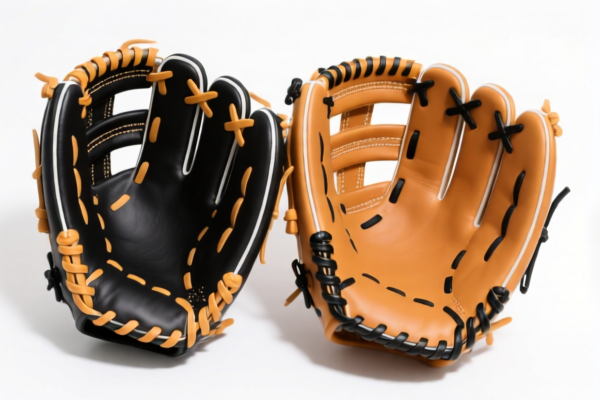
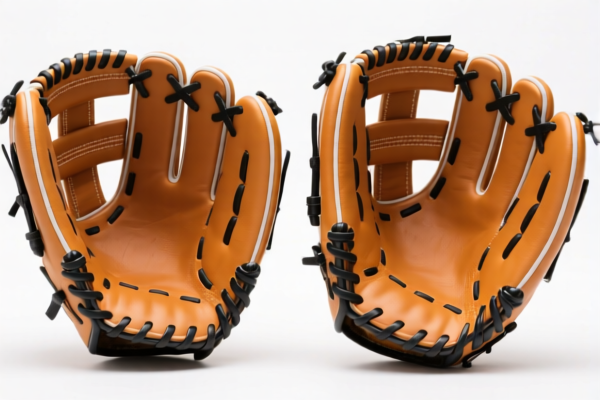
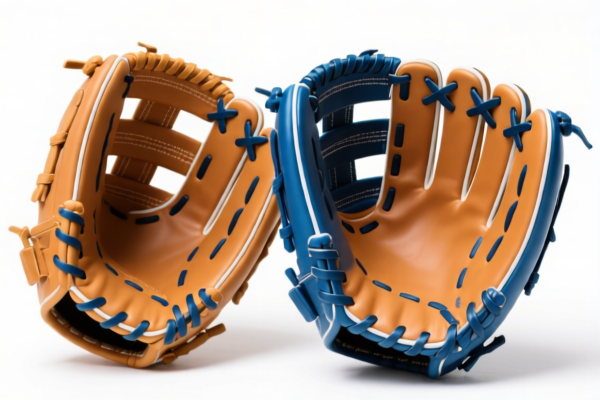
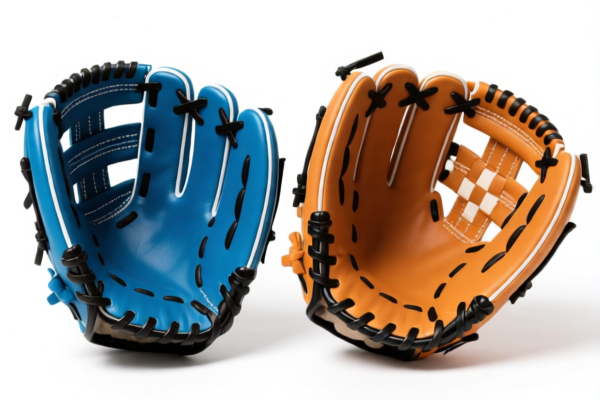
AI Analysis
🧢 Children's Baseball Glove (Kids' Baseball Glove)
🌐 HS Code Reference & Customs Clearance Guide | 2026 Latest Tariff Analysis | Professional Clearance Strategy
📌 I. Product Definition and Classification: Do You Really Understand "Children's Baseball Gloves"?
A Children's Baseball Glove is a specialized piece of sports equipment designed for young players. In international trade, it is not classified by a single HS code but is split based on its material composition and manufacturing structure. The key distinction lies between genuine leather gloves (typically higher quality, structured) and synthetic/functional coated gloves (often cheaper, flexible, or designed for specific grip functions).
⚠️ Critical Distinction Point:
- If the glove is made primarily of genuine leather and stitched like traditional baseball gear → Classify under 4203.21.x.x (Chapter 42: Articles of Leather).
- If the glove is made of textiles, synthetic fibers, or coated fabrics (even if used for baseball) → Classify under 6116 (Knitted/Crocheted) or 6216 (Non-Knitted).
- Note: The term "Left-Handed" (as seen in some data) does not change the HS code but is a descriptive attribute for customs documentation.
📦 II. HS Code Classification Details (2026 Latest Tariff Authority Comparison)
| HS Code | Product Description | Material Focus | Why This Classification? |
|---|---|---|---|
| 4203.21.20.00 | Leather Baseball Glove | Genuine Leather | Classified as "Gloves, mitts, and gauntlets, of leather." Specifically targeted at baseball mitts made from leather. |
| 4203.21.40.00 | Leather Baseball Glove (Bat & Ball) | Leather | Similar to above, but often covers a broader range of "batting/batting-style" leather gloves, including baseball/softball. |
| 6116.10.08.00 | Left-Hand Baseball Glove (Functional) | Coated/Functional Material | "Gloves, impregnated, coated, covered with rubber or plastics." Often used for younger kids' gloves made of synthetic materials with a coated palm for grip. |
| 6216.00.08.00 | Left-Hand Baseball Glove (Sports Guard) | Leather/Plastic Coated | "Other gloves." If the material is a mix or non-knitted fabric with leather/plastic coating, it falls here. |
| 6116.93.08.00 | Left-Hand Baseball Glove (Synthetic) | Synthetic Fiber/Leather Mix | "Other gloves... of synthetic fibers." For gloves made primarily of synthetic materials that don't fit the "coated" definition strictly. |
🔍 Key Takeaway:
- Leather vs. Synthetic is the deciding factor.
- Knitted (6116) vs. Non-Knitted (6216) is the second factor for non-leather gloves.
- Many "Children's Gloves" are made of synthetic leather or coated fabric, pushing them into Chapter 61/62, which often has lower base tariffs but may still face Section 301/122附加 tariffs.
💰 III. 2026 Latest Tariff Rate Breakdown (Including Additional Duties)
✅ Applicable Country: United States (US)
✅ Origin: China (CN)
✅ Effective Date: 2025-11-10 (for subsequent imports)
⚠️ Warning: All listed products are subject to Section 301 (25%) and Section 122 (10%) additional tariffs due to their Chinese origin.
🎯 1. 4203.21.20.00 — Genuine Leather Baseball Glove
| Item | Detail |
|---|---|
| Base Tariff | 3.0% (ad valorem) |
| Section 301 Additional Tariff | +25.0% |
| Section 122 Additional Tariff | +10.0% |
| Total Effective Rate | 38.0% |
| Calculation | CIF Value × 38.0% |
| De Minimis Exemption? | ❌ NO (Not eligible) |
| Legal Basis Path | USITC:4203.21.20.00 → FOOTNOTE:301 → FOOTNOTE:122 |
📌 Explanation:
- Leather goods are traditionally higher-tariff items.
- The 38% rate is significant for low-margin kids' gloves.
- Cost Impact: For a $10 glove, duty is $3.80.
🎯 2. 4203.21.40.00 — Leather Baseball Glove (Bat & Ball)
| Item | Detail |
|---|---|
| Base Tariff | 0.0% |
| Section 301 Additional Tariff | +25.0% |
| Section 122 Additional Tariff | +10.0% |
| Total Effective Rate | 35.0% |
| Calculation | CIF Value × 35.0% |
| De Minimis Exemption? | ❌ NO (Not eligible) |
| Legal Basis Path | USITC:4203.21.40.00 → FOOTNOTE:301 → FOOTNOTE:122 |
📌 Explanation:
- Lower base tariff (0%) makes this slightly more favorable than 4203.21.20.00.
- However, the 35% total rate is still high.
- Cost Impact: For a $10 glove, duty is $3.50.
🎯 3. 6116.10.08.00 — Functional/Coated Glove (e.g., Left-Hand)
| Item | Detail |
|---|---|
| Base Tariff | 2.8% |
| Section 301 Additional Tariff | +7.5% |
| Section 122 Additional Tariff | +10.0% |
| Total Effective Rate | 20.3% |
| Calculation | CIF Value × 20.3% |
| De Minimis Exemption? | ❌ NO (Not eligible) |
| Legal Basis Path | USITC:6116.10.08.00 → FOOTNOTE:301 → FOOTNOTE:122 |
📌 Explanation:
- Section 301 for textiles/apparel is often 7.5% (not 25%) depending on the specific product category list updates. Note: Some textile items are 25%, but 6116 often falls under the 7.5% bracket in recent lists.
- This is a much better rate!
- Cost Impact: For a $10 glove, duty is $2.03.
🎯 4. 6216.00.08.00 — Other Gloves (Sports Guard)
| Item | Detail |
|---|---|
| Base Tariff | 0.8% |
| Section 301 Additional Tariff | +7.5% |
| Section 122 Additional Tariff | +10.0% |
| Total Effective Rate | 18.3% |
| Calculation | CIF Value × 18.3% |
| De Minimis Exemption? | ❌ NO (Not eligible) |
| Legal Basis Path | USITC:6216.00.08.00 → FOOTNOTE:301 → FOOTNOTE:122 |
📌 Explanation:
- Lowest base tariff (0.8%) combined with moderate Section 301 (7.5%).
- Best rate among all options: 18.3%.
- Cost Impact: For a $10 glove, duty is $1.83.
🎯 5. 6116.93.08.00 — Synthetic Fiber Gloves
| Item | Detail |
|---|---|
| Base Tariff | 2.8% |
| Section 301 Additional Tariff | +7.5% |
| Section 122 Additional Tariff | +10.0% |
| Total Effective Rate | 20.3% |
| Calculation | CIF Value × 20.3% |
| De Minimis Exemption? | ❌ NO (Not eligible) |
| Legal Basis Path | USITC:6116.93.08.00 → FOOTNOTE:301 → FOOTNOTE:122 |
📌 Explanation:
- Same rate as 6116.10.08.00.
- Use this if the glove is knitted but not heavily coated with rubber/plastic.
🛠️ IV. Customs Clearance Practical Advice (Proactive Pitfall Avoidance)
✅ 1. Documentation Checklist (Mandatory)
| Document | Required? | Purpose |
|---|---|---|
| ✅ Product Spec Sheet | ✔️ | Must specify material composition (e.g., "100% Synthetic Leather" vs. "Genuine Cowhide"). This is the #1 reason for misclassification. |
| ✅ Material Test Report | ✔️ | ASTM/ISO tests proving whether the material is leather or synthetic. |
| ✅ Product Photos | ✔️ | Clear images of the palm, back, and lacing. Customs officers use these to visually confirm material. |
| ✅ Commercial Invoice | ✔️ | Describe as "Kids' Baseball Glove, Synthetic Material, Left-Handed" to match the HS code. |
| ✅ Country of Origin Certificate | ✔️ | Crucial for applying Section 301/122 tariffs correctly. |
✅ 2. Classification Strategy (Key Mantra)
🔥 "Material First, Then Structure! Leather = High Duty, Synthetic = Lower Duty!"
| Scenario | Recommended HS Code | Why? |
|---|---|---|
| Genuine Leather Glove | 4203.21.20.00 or 4203.21.40.00 |
Material is leather → Chapter 42. |
| Synthetic Leather/PU Glove | 6116.10.08.00 or 6216.00.08.00 |
Material is synthetic → Chapter 61/62. Better for cost! |
| Fabric Glove with Rubber Palm | 6116.10.08.00 |
Coated with rubber → Chapter 61. |
| Mixed Material (Leather + Synthetic) | 4203.21.20.00 |
If leather is the essential character, it goes to Chapter 42. |
✅ 3. Special Considerations
| Situation | Advice |
|---|---|
| "Left-Handed" Labeling | Do not put "Left-Handed" in the HS code. It’s a product attribute. Put it in the description field on the invoice. |
| Kids' Size (Small) | Size does not affect HS code. A small leather glove is still Chapter 42. |
| OEM/Private Label | Ensure the supplier provides a material composition declaration. If they say "Leather" but it’s actually PU, you risk penalties. |
| Section 122 Applicability | All these gloves from China are subject to the 10% Section 122 tariff (effective 2025-11-10). No exemption. |
🌍 V. Global Market Comparison (2026)
| Country/Region | Recommended HS Code | Total Duty (China Origin) | Notes |
|---|---|---|---|
| 🇺🇸 USA | 6216.00.08.00 (Best) |
18.3% | Use synthetic if possible to save 20% vs leather. |
| 🇺🇸 USA | 4203.21.20.00 (Leather) |
38.0% | High cost. Only use for premium products. |
| 🇨🇳 China | 4203.21.20.00 |
~3-5% | Low export duty. Focus on US market clearance. |
| 🇪🇺 EU | 4203.21.20.00 |
~4.5% | No Section 301/122. Much better than US. |
| 🇬🇧 UK | 4203.21.20.00 |
~4.5% | Similar to EU post-Brexit. |
📌 Conclusion:
- US Market is the most challenging due to Section 301 + Section 122.
- Switching from Leather to Synthetic can reduce duty from 38% to 18.3% – a massive 20% saving.
- EU/UK Markets are more favorable, with no additional punitive tariffs.
📌 VI. Common Mistakes & Pitfalls (Lessons Learned)
❌ Mistake 1: Classifying a Synthetic Glove as Leather (4203)
👉 Consequence: You pay 38% instead of 18.3%. Overpaid duty!
👉 Fix: Provide material test reports proving synthetic composition.
❌ Mistake 2: Claiming De Minimis (Section 321) for small shipments
👉 Consequence: Rejected. Section 301/122 tariffs do not apply to de minimis. All imports >$800 from China are subject.
👉 Fix: Plan logistics accordingly; don’t rely on de minimis for duty-free entry.
❌ Mistake 3: Ignoring Section 122 (10%)
👉 Consequence: Underpayment. Customs will assess 10% back with interest.
👉 Fix: Always include 10% in cost calculations for China-origin goods post-Nov 2025.
✅ Correct Practice:
"Baseball Glove, Kids Size, Left-Handed, Material: 100% Synthetic Leather (PU), Lining: Mesh, Origin: China"
→ Classify under 6216.00.08.00 → Pay 18.3% total duty.
🎯 VII. Conclusion: Strategic Classification for Profitability
🎯 Remember:
🔹 "Synthetic is King in the US! Leather is Luxury!"
🔹 "Material Test Report is Your Best Friend – it saves you 20% in duties!"
🔹 "Section 122 is here to stay – budget for the extra 10%!"
📌 Pro Tip:
If you are importing leather gloves, consider supplier verification to ensure no mislabeling. If you can switch to high-quality synthetic, you gain a competitive pricing edge in the US market.
📣 Action Step:
📞 Contact your customs broker before shipping.
📄 Send material composition declarations.
📊 Calculate landed cost using 18.3% (Synthetic) vs 38% (Leather).
🚀 Optimize your product mix for maximum profit!
✨ Smart Classification, Smarter Profits!
💼 Every percentage point saved is pure margin!
Customer Reviews
About HS Code Classification
The Harmonized System (HS) is an internationally standardized nomenclature developed by the World Customs Organization (WCO) to classify traded products. Over 200 countries use the HS system as the basis for customs tariffs, trade statistics, and import/export regulations.
Each HS code follows a hierarchical structure:
- Chapter (2 digits) — Broad category of goods (e.g., Chapter 84: Machinery and Mechanical Appliances)
- Heading (4 digits) — More specific grouping within the chapter
- Subheading (6 digits) — Internationally standardized breakdown, used by all WCO member countries
- National subdivisions (8-10 digits) — Country-specific extensions for further classification, such as US HTSUS 10-digit codes
Correct HS code classification is essential for smooth customs clearance, accurate duty payment, and compliance with trade regulations. Misclassification can lead to customs delays, overpayment of duties, or penalties.
When importing from CN to US, the applicable tariff rates may include:
- Most-Favored-Nation (MFN) rate — The standard duty rate applied to WTO members
- General rate — Applied to countries without trade agreements
- Trade remedy duties — Additional tariffs such as Section 301 (anti-dumping), Section 232 (national security), or countervailing duties
The information provided on this page is for reference purposes only. For official classification, please consult with your local customs authority or a licensed customs broker.