Children's Bathrobe
CN → US| HS Code | Tariff Rate | Origin | Destination | Doc |
|---|---|---|---|---|
| 6110909088 | 23.5% | CN | US | Official Doc |
| 6201902960 | 20.3% | CN | US | Official Doc |
| 6110909090 | 23.5% | CN | US | Official Doc |
| 6201906960 | 21.7% | CN | US | Official Doc |
| 6111909000 | 23.1% | CN | US | Official Doc |
Product Images
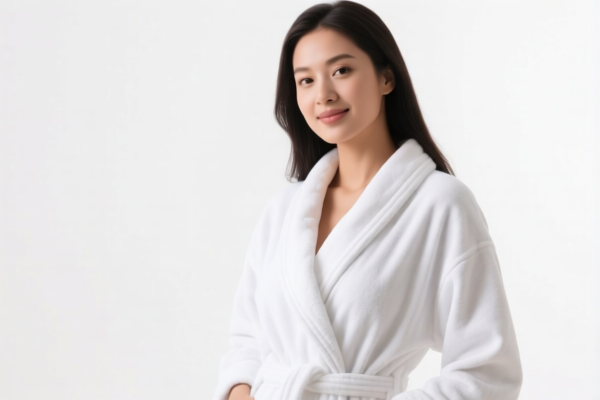
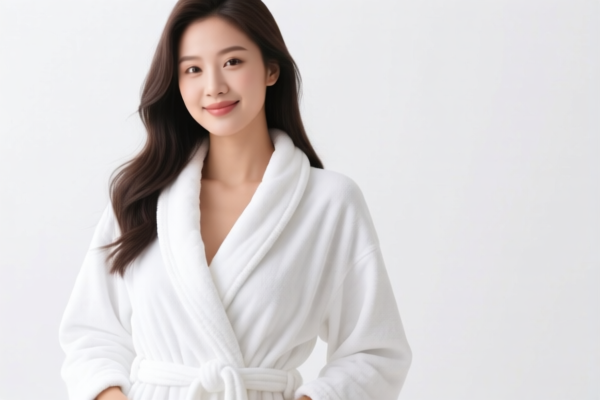
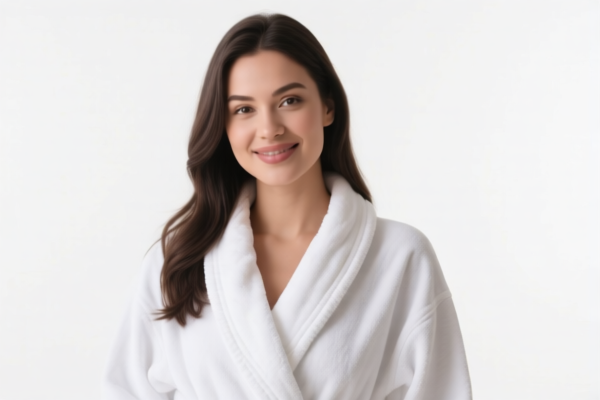
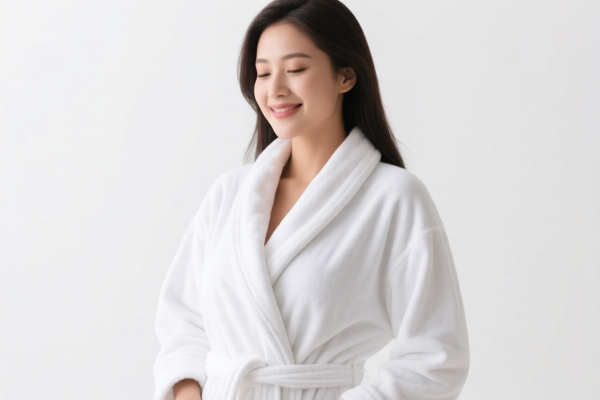
AI Analysis
👶 Children's Bathrobe (Baby & Toddler Robes)
🌐 HS Code Reference & Customs Clearance Guide | 2026 Latest Tariff Analysis | Professional Strategy for Chinese Origin
📌 I. Product Definition & Classification: What Exactly is a "Children's Bathrobe"?
A children's bathrobe is a loose-fitting outer garment worn by infants or young children, typically made from terrycloth, cotton, polyester, or blends, designed for drying off after bathing or sleeping. In international trade (specifically US Customs), the classification depends heavily on how it is constructed (Knitted vs. Woven) and the specific textile material used.
The provided data indicates that these products fall under two main chapters: 1. Chapter 61: Articles of apparel and clothing accessories, knitted or crocheted. 2. Chapter 62: Articles of apparel and clothing accessories, not knitted or crocheted (woven).
⚠️ Key Distinction Point:
- If the fabric is knitted (stretched, looped structure like sweatshirt material) → Go to Chapter 61 (e.g.,6110...,6111...).
- If the fabric is woven (non-stretch, tight weave like shirt material) → Go to Chapter 62 (e.g.,6201...).
- "Other Materials" usually refers to textiles not primarily cotton, wool, or synthetic fibers, or a blend that doesn't meet the primary material threshold for specific sub-headings, falling into the "Other" residual categories.
📦 II. HS Code Classification Matrix (Based on Provided Data)
The data provided outlines four specific HS Codes for Children's Bathrobes originating from China, all subject to significant additional tariffs.
| HS Code | Product Description | Construction Type | Material Category |
|---|---|---|---|
6110.90.90.88 |
Children's bathrobes; other textile materials; other; knitted/crocheted | 🧶 Knitted/Crocheted | Other Textile Materials |
6110.90.90.90 |
Children's bathrobes; other textile materials; similar articles; knitted/crocheted | 🧶 Knitted/Crocheted | Other Textile Materials |
6111.90.90.00 |
Bathrobes; infant/child category; other textile materials; garment | 🧶 Knitted/Crocheted* | Other Textile Materials |
6201.90.29.60 |
Children's bathrobes; other materials; cape-like articles; other materials bottom classification | 🧵 Woven | Other Materials |
6201.90.69.60 |
Children's bathrobes; other textile materials; other categories | 🧵 Woven | Other Textile Materials |
🔍 Analysis of Codes:
-6110vs6111:6110is typically for pullovers, cardigans, and waistcoats, but often used for knitted robes if not specifically listed under baby garments.6111is specifically for "Textile clothing accessories, infant garments." If the robe is specifically marketed for infants (0-24 months),6111is more precise. If it's for older children,6110is commonly used for knitted robes.
-6201: This is the chapter for Men's/Boys' outerwear, but often includes boys' bathrobes if they are woven. The description "cape-like articles" suggests a specific cut.
- Total Tax Rate: All listed codes carry a high total tax burden due to US-China trade restrictions.
💰 III. 2026 Tariff Rate Breakdown (Detailed)
✅ Applicable Country: United States (US)
✅ Country of Origin: China (CN)
✅ Effective Date: Current rates include Section 301 and Section 232/IEEPA implications.
All the HS codes in the provided data share a common tax structure. The total tax rates range from 20.3% to 23.5%, composed of three layers:
🎯 1. The Tax Composition (Universal for all 5 Codes)
| Tax Component | Rate | Description |
|---|---|---|
| Base Tariff (MFN) | 2.8% - 6.0% | The standard Most Favored Nation rate for the specific HS subheading. Varies slightly based on whether it's 6201 (lower base) or 6110/6111 (higher base). |
| Additional Tariff (Section 301) | 7.5% | Added to many textile/apparel items from China under the 301 Trade Action. |
| 122-Clause Tariff (IEEPA/Section 232-like) | 10.0% | A specific additional duty often applied to certain goods under "122 Clause" provisions (referring to Executive Orders or specific trade acts targeting strategic sectors or general trade adjustments). |
| TOTAL TAX RATE | 20.3% - 23.5% | Sum of Base + 7.5% + 10% |
📊 Detailed Breakdown by HS Code:
A. Knitted/Crocheted Robes (Chapter 61)
| HS Code | Base Tariff | Additional 301 | 122 Clause | TOTAL |
|---|---|---|---|---|
6110.90.90.88 |
6.0% | 7.5% | 10.0% | 23.5% |
6110.90.90.90 |
6.0% | 7.5% | 10.0% | 23.5% |
6111.90.90.00 |
5.6% | 7.5% | 10.0% | 23.1% |
📌 Note:
6111has a slightly lower base rate (5.6%) than6110(6.0%), resulting in a total of 23.1%.
B. Woven/Other Material Robes (Chapter 62)
| HS Code | Base Tariff | Additional 301 | 122 Clause | TOTAL |
|---|---|---|---|---|
6201.90.29.60 |
2.8% | 7.5% | 10.0% | 20.3% |
6201.90.69.60 |
4.2% | 7.5% | 10.0% | 21.7% |
📌 Note: Woven items (
6201) generally have lower base tariffs than knitted items (6110), making them slightly cheaper in duty costs, but still subject to the same 17.5% in additional duties.
🛠️ IV. Customs Clearance Practical Advice (Real-World Pitfalls)
✅ 1. Critical Documentation for Clearance
| Document | Requirement | Why It Matters |
|---|---|---|
| Product Description | Must specify "Children's Bathrobe," material composition (% Cotton, % Polyester, etc.), and construction (Knitted/Woven). | Determines Chapter 61 vs 62. |
| Material Composition Label | Detailed fiber content. | "Other Materials" in the data implies a specific blend. Incorrect labeling leads to misclassification. |
| Age Range Specification | e.g., "For ages 2-5" or "Infant." | Helps distinguish between 6110 (Children) and 6111 (Infants). |
| Commercial Invoice | Value must match CIF (Cost, Insurance, Freight). | Base tariff and additional duties are calculated on CIF value. |
| Country of Origin Cert | Proof of China origin. | Triggers the 7.5% + 10% additional tariffs. If transshipped, risk of duty evasion claims. |
✅ 2. Classification Strategy (How to Choose the Right Code)
| Scenario | Recommended HS Code | Reason |
|---|---|---|
| Fabric is Jersey/Terry Cloth (Stretchy) | 6110.90.90.90 or 6111.90.90.00 |
Knitted construction. Use 6111 if explicitly for infants (under 24mo). |
| Fabric is Cotton Flannel or Woven Terry | 6201.90.29.60 or 6201.90.69.60 |
Woven construction. Use 6201 for boys'/children's outerwear. |
| Material is Synthetic Blend (Not Cotton/Wool) | All listed "Other Materials" codes | Fits the "Other textile materials" description in the data. |
🔥 Pro Tip:
- If the product is 100% Cotton, check if it qualifies for a more specific subheading (e.g.,6110.20for cotton) which might have different base rates. The provided data assumes "Other Materials," so if your product is 100% Cotton, you might find a better code with a lower base rate, but the 17.5% additional tax will likely still apply.
- Always confirm construction: Knitted vs. Woven is the biggest source of classification errors.
✅ 3. Special Considerations for "122 Clause" Tariffs
The 10% "122 Clause" tariff is significant. This likely refers to duties under the International Emergency Economic Powers Act (IEEPA) or specific Executive Orders targeting certain goods.
- Risk: These tariffs are non-negotiable and apply to Chinese-origin goods.
- Mitigation:
- Supply Chain Diversification: Consider sourcing from Vietnam, Bangladesh, or India to avoid US-China specific tariffs (if eligible under local content rules).
- De Minimis Exemption: ❌ NOT AVAILABLE. Bathrobes are apparel items and are excluded from the $800 de minimis exemption (Section 321). All goods must go through formal entry with full duties paid.
🌍 V. Global Market Comparison (2026)
| Market | Typical Duty (China Origin) | Key Regulations | Notes |
|---|---|---|---|
| 🇺🇸 United States | 20.3% - 23.5% | Section 301 + IEEPA/122 | High tariffs. No de minimis. Strict textile labeling (FTC). |
| 🇪🇺 European Union | ~12% - 16% | CE / Textile Regulation | No Section 301. Base rate varies by material. GSP may not apply to China. |
| 🇨🇳 China (Import) | ~10% - 15% | CCC / Labeling | Lower duties. Strict consumer protection laws. |
| 🇨🇦 Canada | ~16% - 20% | CBSA / Textile Rules | CUSMA only applies to US/Mexico origin. China faces MFN + CAFTA-like penalties. |
📌 Conclusion:
The US market is the most expensive for Chinese-made children's bathrobes due to the cumulative 17.5% additional tariffs on top of base rates.
📌 VI. Common Mistakes & Pitfalls (Lessons Learned)
❌ Mistake 1: Classifying a Knitted robe as Woven (6201 instead of 6110).
👉 Consequence: Base rate may be lower (2.8% vs 6.0%), but if audited, you face back duties + penalties. The structure is visible to the naked eye.
❌ Mistake 2: Ignoring the "Other Materials" clause.
👉 Consequence: If the robe is actually 100% Cotton, using an "Other" code might be challenged. Customs may assess a different base rate. Ensure your material composition matches the HS code description.
❌ Mistake 3: Assuming De Minimis applies.
👉 Consequence: Apparel items from China are explicitly excluded from the $800 duty-free entry. Attempting to ship via small package (USPS) to avoid duty will result in seizure.
❌ Mistake 4: Incorrect Age Labeling.
👉 Consequence: Mislabeling a "Children's" robe as "Infant" to use 6111 might be rejected if the size range (e.g., 6-8 years) contradicts the "Infant" classification.
✅ Correct Approach:
"Children's Terry Cloth Bathrobe, Knitted, 100% Cotton, Size 2-4, Made in China" → Use
6110.90.90.90(or specific cotton subheading if available) → Pay 23.5% Total Duty.
🎯 VII. Conclusion: Strategic Pricing & Compliance
🎯 Key Takeaway:
🔹 "Knitted = 61, Woven = 62. Base Rate + 7.5% + 10% = Total Duty."
🔹 "No De Minimis for Textiles from China!"
For importers:
1. Verify Construction: Always inspect fabric under a microscope or stretch test to confirm Knitted vs. Woven.
2. Calculate Landed Cost: Factor in the 20-23% total duty. This significantly impacts margin.
3. Consider Origin Shift: If margins are thin, explore sourcing from non-China origins to potentially bypass the 17.5% additional tariffs.
📣 Immediate Action:
📞 Consult a Licensed Customs Broker: Provide a physical sample or detailed fabric swatch to confirm the exact HS Code before shipping.
🚀 Pre-Audit Your Documentation: Ensure labels match the commercial invoice exactly. Avoid costly delays at US ports.
✨ Professional clearance starts with accurate classification!
💼 Your profit margin depends on getting the HS Code right from day one!
Customer Reviews
About HS Code Classification
The Harmonized System (HS) is an internationally standardized nomenclature developed by the World Customs Organization (WCO) to classify traded products. Over 200 countries use the HS system as the basis for customs tariffs, trade statistics, and import/export regulations.
Each HS code follows a hierarchical structure:
- Chapter (2 digits) — Broad category of goods (e.g., Chapter 84: Machinery and Mechanical Appliances)
- Heading (4 digits) — More specific grouping within the chapter
- Subheading (6 digits) — Internationally standardized breakdown, used by all WCO member countries
- National subdivisions (8-10 digits) — Country-specific extensions for further classification, such as US HTSUS 10-digit codes
Correct HS code classification is essential for smooth customs clearance, accurate duty payment, and compliance with trade regulations. Misclassification can lead to customs delays, overpayment of duties, or penalties.
When importing from CN to US, the applicable tariff rates may include:
- Most-Favored-Nation (MFN) rate — The standard duty rate applied to WTO members
- General rate — Applied to countries without trade agreements
- Trade remedy duties — Additional tariffs such as Section 301 (anti-dumping), Section 232 (national security), or countervailing duties
The information provided on this page is for reference purposes only. For official classification, please consult with your local customs authority or a licensed customs broker.