Children's Boxing Sandbag
CN → US| HS Code | Tariff Rate | Origin | Destination | Doc |
|---|---|---|---|---|
| 9503000013 | 10.0% | CN | US | Official Doc |
| 6307907500 | 14.3% | CN | US | Official Doc |
| 6307909891 | 24.5% | CN | US | Official Doc |
| 9503000073 | 10.0% | CN | US | Official Doc |
| 9506910030 | 22.1% | CN | US | Official Doc |
Product Images
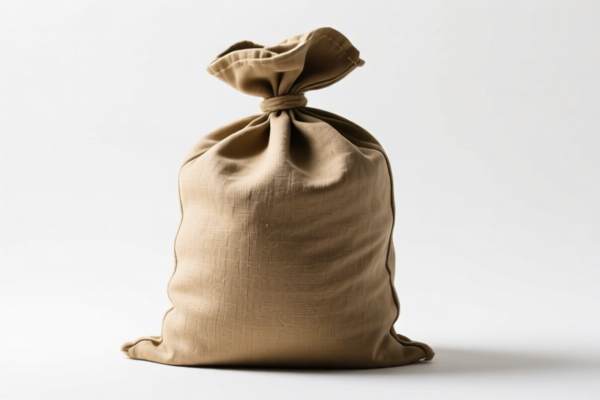
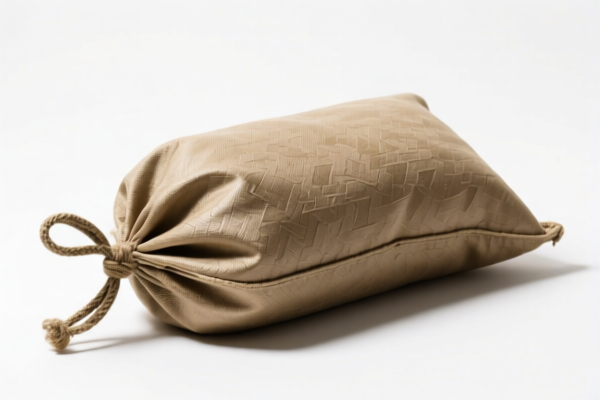
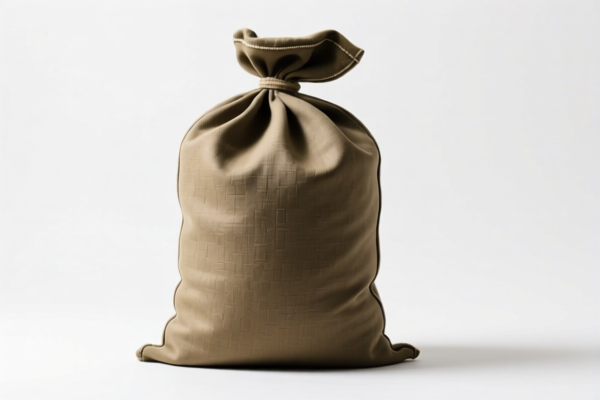
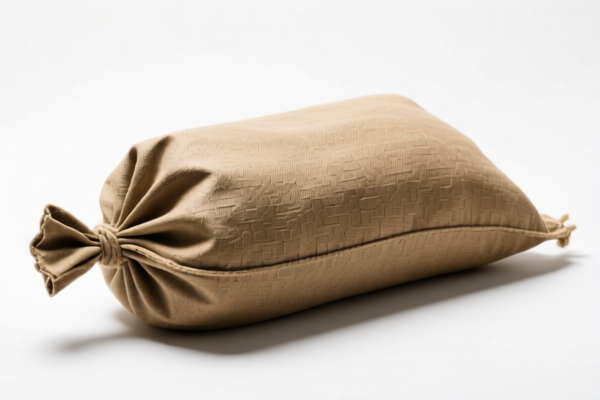
AI Analysis
🥊 Children's Boxing Sandbag (Kids' Punching Bag)
🌐 HS Code Reference & Customs Clearance Guide | 2026 Latest Tariff Analysis | Strategic Clearance for Toys & Sports Equipment
📌 Part I: Product Definition & Classification: Do You Really Understand the "Children's Boxing Sandbag"?
A children's boxing sandbag is a recreational or training item designed specifically for kids. In international trade, its classification depends heavily on material composition and intended use (Toy vs. Sports Equipment). Misclassification can lead to significant tax disparities due to Section 301 tariffs (122 provisions) and additional duties.
⚠️ Key Distinction Points:
- If made of rubber/plastic (inflatable/filled) or classified as a toy: Falls under Chapter 95.
- If made of textiles/fabric/leather: Falls under Chapter 63 (Other made-up articles).
- If considered sports equipment (less common for kids' items but possible): Falls under Chapter 9506.
📦 Part II: HS Code Classification Details (2026 Latest Tariff Authority Comparison)
| HS Code | Product Description | Material Inference | Primary Classification Logic |
|---|---|---|---|
9503.00.00.13 |
Children's Boxing Bag, matching ball shape, for children | Rubber/Plastic (Inflatable/Filled) | Toy / Recreational Item |
6307.90.75.00 |
Children's Boxing Bag | Textile (Fabric/Leather-like) | Other Made-up Articles |
6307.90.98.91 |
Children's Boxing Bag (Finished Consumer Good) | Leather, Plastic, or Fabric | Other Made-up Articles (General) |
9503.00.00.73 |
Children's Boxing Bag (Other Toys/Models) | Leather, Plastic, or PVC | Toy / Entertainment Model |
9506.91.00.30 |
Children's Boxing Bag (Sports Equipment) | Leather or Synthetic Fiber | Sports Articles (Boxing Gear) |
🔍 Key Reminder:
- Material is King: The difference between a 10% total tax and a 24.5% total tax often lies in whether customs views it as a "Toy" (9503) or a "Textile/Fashion Good" (6307).
- Sports vs. Toy: While boxing is a sport, items for children are frequently classified as toys unless explicitly marketed as professional athletic gear.
💰 Part III: 2026 Latest Tariff Rate Breakdown (Including Additions & Policy Surcharges)
✅ Applicable Country: United States (US)
✅ Origin: China (CN)
✅ Effective Time: Current 2026 Tariff Structure
🎯 1. 9503.00.00.13 — Children's Boxing Bag (Plastic/Rubber Toy)
| Item | Detail |
|---|---|
| Base Duty Rate | 0.0% |
| Additional Duty (Section 301/122) | 0.0% |
| IEEPA/Special Section 122 Surcharge | +10% |
| Total Effective Tax Rate | 10.0% |
| Tax Calculation | CIF Value × 10% |
| Legal Basis Path | 9503.00.00.13 → Section 122 (10%) |
📌 Explanation:
- Toys made of plastic/rubber often benefit from a 0% base duty.
- However, due to Section 122 provisions (specific to certain Chinese goods), a 10% surcharge applies.
- No Section 301 (25%) additional duty applies here, making this the most cost-effective classification if the material allows.
🎯 2. 6307.90.75.00 — Children's Boxing Bag (Textile/Fabric)
| Item | Detail |
|---|---|
| Base Duty Rate | 4.3% |
| Additional Duty (Section 301/122) | 0.0% |
| IEEPA/Special Section 122 Surcharge | +10% |
| Total Effective Tax Rate | 14.3% |
| Tax Calculation | CIF Value × 14.3% |
| Legal Basis Path | 6307.90.75.00 → Section 122 (10%) |
📌 Explanation:
- Textile-based bags incur a 4.3% base duty.
- Plus the 10% Section 122 surcharge.
- No Section 301 additional duty applies, keeping it relatively competitive compared to other textile goods.
🎯 3. 6307.90.98.91 — Children's Boxing Bag (General Finished Goods)
| Item | Detail |
|---|---|
| Base Duty Rate | 7.0% |
| Additional Duty (Section 301) | +7.5% |
| IEEPA/Special Section 122 Surcharge | +10% |
| Total Effective Tax Rate | 24.5% |
| Tax Calculation | CIF Value × 24.5% |
| Legal Basis Path | 6307.90.98.91 → Section 301 (7.5%) + Section 122 (10%) |
📌 Warning:
- This is the most expensive classification in the list.
- It combines a higher base duty, a Section 301 additional duty (7.5%), and the Section 122 surcharge (10%).
- Avoid this code unless no other classification fits, as it significantly impacts profit margins.
🎯 4. 9503.00.00.73 — Children's Boxing Bag (Other Toys/Models)
| Item | Detail |
|---|---|
| Base Duty Rate | 0.0% |
| Additional Duty (Section 301/122) | 0.0% |
| IEEPA/Special Section 122 Surcharge | +10% |
| Total Effective Tax Rate | 10.0% |
| Tax Calculation | CIF Value × 10% |
| Legal Basis Path | 9503.00.00.73 → Section 122 (10%) |
📌 Explanation:
- Like9503.00.00.13, this is a toy classification.
- Base duty is 0%, plus 10% Section 122.
- Suitable for bags made of leather, plastic, or PVC that are clearly marketed as toys rather than sports gear.
🎯 5. 9506.91.00.30 — Children's Boxing Bag (Sports Equipment)
| Item | Detail |
|---|---|
| Base Duty Rate | 4.6% |
| Additional Duty (Section 301) | +7.5% |
| IEEPA/Special Section 122 Surcharge | +10% |
| Steel/Aluminum/Copper Surtax | +50% (if applicable to components) |
| Total Effective Tax Rate | 22.1% (excluding steel/alloy surtax) |
| Tax Calculation | CIF Value × 22.1% |
| Legal Basis Path | 9506.91.00.30 → Section 301 (7.5%) + Section 122 (10%) |
📌 Explanation:
- Classified as sports articles.
- Higher base duty (4.6%) and Section 301 surcharge (7.5%) apply.
- Plus the 10% Section 122.
- Note: If the bag contains steel/aluminum parts (e.g., heavy-duty hanging frames), an additional 50% surtax may apply, making this potentially the most costly option.
🛠️ Part IV: Customs Clearance Practical Advice (Battle-Tested Pitfall Guide)
✅ 1. Document Checklist (Non-Negotiable)
| Document | Required | Notes |
|---|---|---|
| ✅ Product Specification Sheet | ✔️ | Must clearly state material (e.g., "PVC", "Polyester", "Rubber") |
| ✅ Product Photos | ✔️ | Show shape, size, and any markings (e.g., "Toy", "For Children") |
| ✅ Commercial Invoice | ✔️ | Use precise description: "Children's Toy Boxing Bag" vs. "Sports Boxing Bag" |
| ✅ Material Declaration | ✔️ | Critical for distinguishing between 9503 (Toy) and 6307 (Textile) |
| ✅ CPC/CPNP Certificates | ✔️ | For toys, ensure compliance with CPSIA/CPSC if entering US market |
| ✅ Packing List | ✔️ | Ensure no disassembly during declaration |
✅ 2. Declaration Strategy (Key Mantra)
🔥 "Material Defines Code, Toy vs. Sport Changes Everything!"
| Scenario | Correct HS Code | Wrong Declaration | Consequence |
|---|---|---|---|
| Plastic/Rubber Filled Bag | 9503.00.00.13 |
"Textile Bag" | Tax jumps from 10% to 14.3%+ |
| Fabric/Cloth Bag | 6307.90.75.00 |
"Toy" | Misclassification risk; audit flag |
| General Mixed Material | 6307.90.98.91 |
Any Toy Code | Tax jumps to 24.5% (Highest) |
| Leather/PVC Toy | 9503.00.00.73 |
"Sports Gear" | Tax jumps from 10% to 22.1%+ |
| Sports-Grade Gear | 9506.91.00.30 |
"Toy" | Tax jumps to 22.1%+ |
📌 Crucial Tip:
- Marketing the product as a "Toy" generally lowers the base duty to 0% or Low, but you still pay the 10% Section 122 surcharge.
- Marketing as "Sports Equipment" often triggers Section 301 additional duties (7.5%), raising total tax to 22.1% or higher.
- Strategy: If material allows, classify as a Toy (9503) to minimize base duty.
✅ 3. Special Circumstances Handling
| Situation | Handling Advice |
|---|---|
| Mixed Materials | If >50% by value is textile, lean towards 6307. If plastic/rubber dominates, use 9503. |
| With Hanging Frame | If the frame is metal, 9506.91.00.30 may apply due to sports nature. Check for +50% metal surtax. |
| OEM/White Label | Provide product photos to prove it’s marketed for children (toys) rather than professional athletes. |
| Inflatable Bags | Strong case for 9503.00.00.13 (Rubber/Plastic Toy). |
| Heavy Leather Bags | Likely 6307 or 9503.00.00.73. Avoid 9506 unless clearly professional-grade. |
🌍 Part V: Global Market Clearance Comparison (2026 Update)
| Country/Region | Recommended HS Code | Approx. Duty Rate | Key Certification | Note |
|---|---|---|---|---|
| 🇺🇸 USA | 9503.00.00.13 / .73 |
10% (Toy) | CPSIA, ASTM F963 | Avoid 6307.90.98.91 (24.5%) |
| 🇨🇳 China | 9503.00.00 |
0% | CCC (if applicable) | No Section 301/122 surcharges |
| 🇪🇺 EU | 9503.00.00 |
0% | CE, EN71 | Low duty for toys |
| 🇬🇧 UK | 9503.00.00 |
0% | UKCA, EN71 | Post-Brexit rules apply |
| 🇦🇺 Australia | 9503.00.00 |
5% | RCMA, AS/NZS | Generally low tariffs |
📌 Conclusion:
- The US market is the most complex due to Section 122 and Section 301 surcharges.
- Toys (9503) are the most tax-efficient for children's boxing bags in the US, provided they are clearly defined as toys.
- Sports Equipment (9506) is significantly more expensive due to additional duties.
📌 Part VI: Common Mistakes & Pitfall Guide (Lessons Learned)
❌ Mistake 1: Declaring a plastic toy bag as "Textile Sports Gear"
👉 Consequence: Tax rises from 10% to 22.1% + potential metal surtax.
❌ Mistake 2: Using "Boxing Bag" without specifying "Children's/Toy"
👉 Consequence: Customs may default to adult sports equipment (9506), triggering higher duties.
❌ Mistake 3: Ignoring Section 122 Surcharge
👉 Consequence: Even with 0% base duty, you still pay 10%. Budget accordingly!
❌ Mistake 4: Misclassifying Inflatable Bags as Textiles
👉 Consequence: Inflatable = Rubber/Plastic → 9503. Textile = Fabric → 6307. Different codes!
✅ Correct Approach:
"Children's Inflatable Boxing Bag, Plastic/Rubber Material, Toy for Ages 3-12, Model ABC"
🎯 Part VII: Conclusion: Professional Declaration, Cost Savings, Efficiency!
🎯 Remember the Mantra:
🔹 "Toy = 0% Base + 10% Surcharge = 10% Total"
🔹 "Sports = 4.6-7% Base + 7.5% Sec 301 + 10% Surcharge = 22-24.5% Total"
🔹 "Textile = 4.3% Base + 10% Surcharge = 14.3% Total"
🔹 "Choose 'Toy' whenever possible to minimize base duty!"
📌 Pro Tip:
If your children's boxing bag is made of PVC or Rubber, always declare it under
9503as a toy. This saves you 12-14.5% in total taxes compared to sports or general textile classifications in the US market.
Always provide material declarations and product photos to support your classification!
📣 Immediate Action:
📞 Contact your customs broker with Material Specs + Product Photos.
🚀 Optimize for9503to save up to 15% in taxes.
✅ Your profit margin depends on accurate HS Code selection!
✨ Professional Clearance Starts with Precise Classification!
💼 Every Dollar Saved is a Dollar Earned!
Customer Reviews
About HS Code Classification
The Harmonized System (HS) is an internationally standardized nomenclature developed by the World Customs Organization (WCO) to classify traded products. Over 200 countries use the HS system as the basis for customs tariffs, trade statistics, and import/export regulations.
Each HS code follows a hierarchical structure:
- Chapter (2 digits) — Broad category of goods (e.g., Chapter 84: Machinery and Mechanical Appliances)
- Heading (4 digits) — More specific grouping within the chapter
- Subheading (6 digits) — Internationally standardized breakdown, used by all WCO member countries
- National subdivisions (8-10 digits) — Country-specific extensions for further classification, such as US HTSUS 10-digit codes
Correct HS code classification is essential for smooth customs clearance, accurate duty payment, and compliance with trade regulations. Misclassification can lead to customs delays, overpayment of duties, or penalties.
When importing from CN to US, the applicable tariff rates may include:
- Most-Favored-Nation (MFN) rate — The standard duty rate applied to WTO members
- General rate — Applied to countries without trade agreements
- Trade remedy duties — Additional tariffs such as Section 301 (anti-dumping), Section 232 (national security), or countervailing duties
The information provided on this page is for reference purposes only. For official classification, please consult with your local customs authority or a licensed customs broker.