Children's Breathable Underwear of Other Materials
CN → US| HS Code | Tariff Rate | Origin | Destination | Doc |
|---|---|---|---|---|
| 6208998020 | 20.3% | CN | US | Official Doc |
| 6108199030 | 24.1% | CN | US | Official Doc |
| 6108299000 | 30.8% | CN | US | Official Doc |
| 6111905070 | 32.4% | CN | US | Official Doc |
Product Images
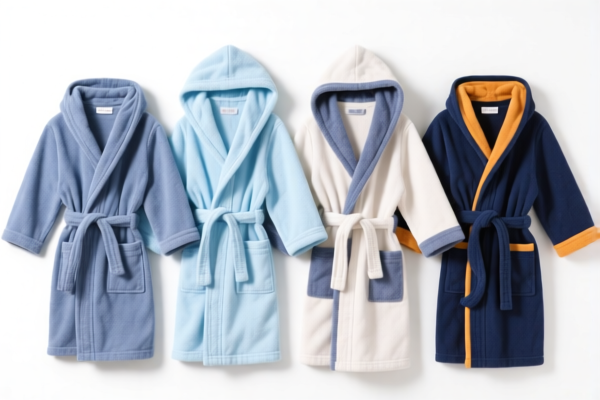
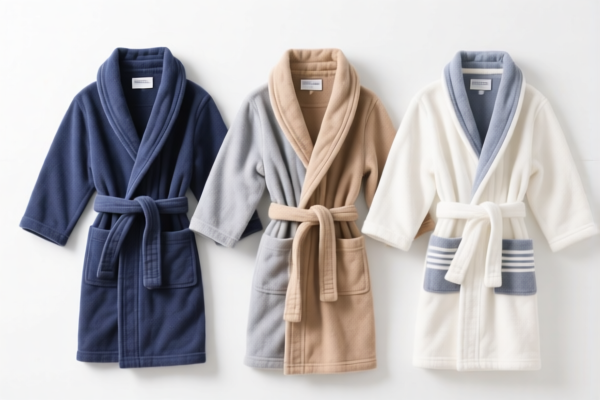
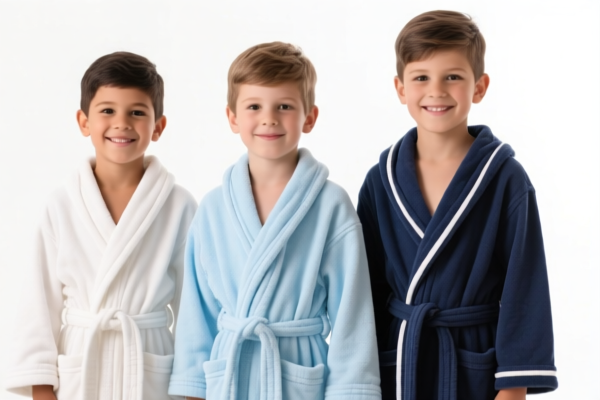
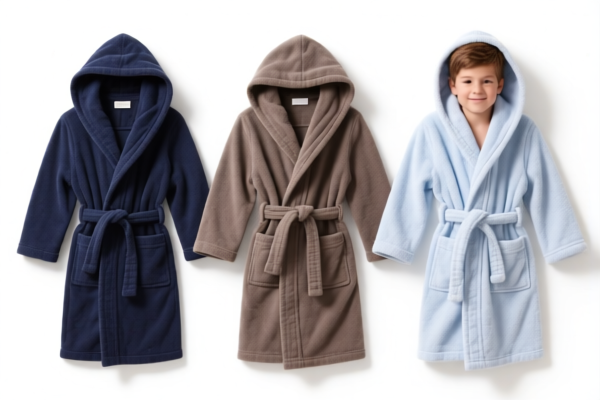
AI Analysis
👶 Children’s Breathable Underwear of Other Materials
🌐 HS Code Reference & Customs Clearance Guide | 2026 Latest Tariff Analysis | Professional Classification Strategy
📌 I. Product Definition & Classification: What Exactly Are We Classifying?
"Children's Breathable Underwear of Other Materials" typically refers to triangular briefs or underwear designed for infants and children, made from textile materials other than cotton. In international trade, the classification hinges heavily on two factors:
1. Construction Method: Knitted vs. Woven (or "Other").
2. Material Composition: Whether it falls under specific synthetic or natural fiber categories not excluded by other headings.
⚠️ Key Distinction:
- If the underwear is knitted (e.g., jersey, ribbed stretch fabric) → Generally falls under Chapter 61.
- If the underwear is woven or made from other textile materials (non-knitted) → Generally falls under Chapter 62.
- "Other Materials": Implies materials not primarily cotton, wool, or silk (e.g., polyester, nylon, elastane blends, microfibers).
📦 II. HS Code Classification Details (2026 Latest Tariff Authority Comparison)
Based on the provided data, here are the four possible HS Codes for "Children's Breathable Underwear of Other Materials," sorted by likelihood and tax impact.
| HS Code | Product Description | Material/Construction Inference | Total Tax Rate | Tax Breakdown |
|---|---|---|---|---|
6208.99.80.20 |
Other garments, knitted or crocheted, of other textile materials (Woven/Non-Knitted implied) | Woven/Other Textile: Not specifically knitted jersey; "Other textile materials" category. | 20.3% | Base: 2.8% + Section 301: 7.5% + Section 122: 10% |
6108.19.90.30 |
Women's or girls' slips, petticoats, briefs, panty-hose, etc., of other textile materials (Knitted) | Knitted: Fits "briefs/panties" under Chapter 61. Material is not cotton/wool. | 24.1% | Base: 6.6% + Section 301: 7.5% + Section 122: 10% |
6108.29.90.00 |
Women's or girls' panties and slips, of other textile materials (Knitted) | Knitted: Specifically "panties" under Chapter 61. Broad "other textile materials." | 30.8% | Base: 13.3% + Section 301: 7.5% + Section 122: 10% |
6111.90.50.70 |
Baby garments, knitted or crocheted, of other textile materials | Knitted: Specifically for infants/children. Material inferred as synthetic fibers. | 32.4% | Base: 14.9% + Section 301: 7.5% + Section 122: 10% |
🔍 Critical Note:
- Chapter 61 (Knitted) vs. Chapter 62 (Woven): Most breathable children’s underwear is knitted for stretch and comfort. Therefore, 6108 or 6111 is more likely than 6208.
- Age Group: If the product is explicitly marketed for infants/toddlers (usually under 2 years), 6111 is the strongest candidate. If for older children, 6108 is more appropriate.
- "Other Materials": This phrase excludes cotton (6108/6208 have specific cotton subheadings). It points to synthetics like polyester, nylon, or spandex blends.
💰 III. 2026 Latest Tariff Rate Detail (With Surcharges & Policy Add-ons)
✅ Applicable Country: United States (US)
✅ Origin: China (CN)
✅ Effective Time: Includes imports post-November 10, 2025
🎯 1. 6208.99.80.20 —— Other Textile Garments (Woven/Other)
| Item | Content |
|---|---|
| Base Tariff | 2.8% (Ad Valorem) |
| Section 301 Surcharge | +7.5% |
| Section 122 Surcharge | +10% |
| Total Tariff | 20.3% |
| Tax Calculation | CIF Value × 20.3% |
| De Minimis Exemption | ❌ Not Applicable (Section 301 & 122 apply) |
| Legal Path | USITC:6208.99.80.20 → Section 301: Footnote 9903.88.01 → Section 122: 9903.02.20 |
📌 Explanation:
- This is the lowest tax bracket among the options.
- Applies if the garment is not clearly classified as knitted underwear but as a general "other textile garment."
- Risk: Customs may challenge this if the product is clearly "briefs" (underwear), pushing it to Chapter 61.
🎯 2. 6108.19.90.30 —— Knitted Briefs (Other Materials)
| Item | Content |
|---|---|
| Base Tariff | 6.6% |
| Section 301 Surcharge | +7.5% |
| Section 122 Surcharge | +10% |
| Total Tariff | 24.1% |
| Tax Calculation | CIF Value × 24.1% |
| De Minimis Exemption | ❌ Not Applicable |
| Legal Path | USITC:6108.19.90.30 → Section 301 → Section 122 |
📌 Explanation:
- A strong candidate for children’s knitted briefs made of synthetic materials.
- Higher base rate than 6208 due to specific classification as "underwear."
🎯 3. 6108.29.90.00 —— Knitted Panties (Other Materials)
| Item | Content |
|---|---|
| Base Tariff | 13.3% |
| Section 301 Surcharge | +7.5% |
| Section 122 Surcharge | +10% |
| Total Tariff | 30.8% |
| Tax Calculation | CIF Value × 30.8% |
| De Minimis Exemption | ❌ Not Applicable |
| Legal Path | USITC:6108.29.90.00 → Section 301 → Section 122 |
📌 Explanation:
- Applies if the product is more closely aligned with "panties" rather than "briefs."
- The base rate jumps significantly (13.3%), reflecting a more specific classification.
🎯 4. 6111.90.50.70 —— Infant/Toddler Knitted Garments (Other Materials)
| Item | Content |
|---|---|
| Base Tariff | 14.9% |
| Section 301 Surcharge | +7.5% |
| Section 122 Surcharge | +10% |
| Total Tariff | 32.4% |
| Tax Calculation | CIF Value × 32.4% |
| De Minimis Exemption | ❌ Not Applicable |
| Legal Path | USITC:6111.90.50.70 → Section 301 → Section 122 |
📌 Explanation:
- Highest tax rate but most accurate if the product is explicitly for infants (e.g., diapers covers, baby briefs).
- "Other textile materials" is interpreted as synthetic fibers in this context.
- Use this only if the product is definitively for infants/toddlers.
🛠️ IV. Customs Clearance Practical Advice (Avoid Pitfalls)
✅ 1. Documentation Checklist (Non-Negotiable)
| Document | Required | Notes |
|---|---|---|
| Product Specification Sheet | ✅ Yes | Must specify fiber content (e.g., 95% Polyester, 5% Spandex), knit type, and age group (Infant vs. Child). |
| Material Composition Label | ✅ Yes | Must match the declared HS Code. "Other Materials" = Not Cotton, Wool, Silk. |
| Product Photos | ✅ Yes | Show seams, elasticity, and labeling. Clear proof of "underwear" classification. |
| Commercial Invoice | ✅ Yes | Describe as "Children's Knitted Underwear, Synthetic Material." Avoid vague terms like "clothing." |
| Origin Certificate | ✅ Yes | If applicable for other markets, but for US, origin is assumed China. |
✅ 2. Declaration Strategy (Key Rules)
🔥 "Knit for 61, Woven for 62. Infant for 6111, Child for 6108. Synthetics for 'Other'."
| Scenario | Correct HS Code | Wrong Action |
|---|---|---|
| Infant Briefs (Knitted, Synthetic) | 6111.90.50.70 |
Declare as adult underwear → 6108 → Risk of penalty. |
| Child Briefs (Knitted, Synthetic) | 6108.19.90.30 |
Declare as woven → 6208 → Underpayment risk. |
| Child Briefs (Woven, Synthetic) | 6208.99.80.20 |
Declare as knitted → Overpayment or misclassification. |
| Vague "Other Materials" | Use 6108 or 6111 if knitted | Use 6208 only if proven woven. |
✅ 3. Special Considerations
| Situation | Advice |
|---|---|
| "Breathable" Claim | If marketing emphasizes "breathable," ensure material is microfiber or mesh. This supports "synthetic" classification. |
| Mixed Materials | If >50% synthetic, classify as "Other Materials." If cotton blends, use cotton HS codes (not in this dataset). |
| Age Ambiguity | If "Children's" includes infants, consider 6111. If only older children, 6108. 6111 has higher tax but is safer for infant products. |
| Section 122 Impact | All these codes incur Section 122 (10%). This is a political surcharge on Chinese textiles. No exemption. |
🌍 V. Global Market Comparison (2026)
| Country/Region | Recommended HS Code | Tariff | Certification | Notes |
|---|---|---|---|---|
| 🇺🇸 United States | 6108.19.90.30 or 6111.90.50.70 |
24.1% - 32.4% | CPSIA, Prop 65 | High tariff due to Section 301 & 122. |
| 🇨🇳 China | 6108.19 or 6111.90 |
5-8% | CCC (if applicable) | No Section 301/122. |
| 🇪🇺 EU | 6108.29 or 6111.90 |
4-12% | CE, REACH | No Section 301. |
| 🇬🇧 UK | 6108.29 or 6111.90 |
4-12% | UKCA | Post-Brexit rules apply. |
| 🇦🇺 Australia | 6108.29 or 6111.90 |
5-10% | RCM | No Section 301. |
📌 Conclusion:
- USA is the most expensive market due to Section 301 (7.5%) and Section 122 (10%).
- EU/UK/Australia have no such surcharges, making them more cost-effective for export.
- Consider supply chain diversification to Vietnam/Mexico to avoid Section 301/122.
📌 VI. Common Mistakes & Pitfalls (Lessons Learned)
❌ Mistake 1: Declaring knitted underwear as woven (6208) to avoid Section 301.
👉 Consequence: Customs inspection reveals knitting → Reclassification + Penalties.
❌ Mistake 2: Using "Other Materials" without specifying fiber content.
👉 Consequence: Customs may classify as cotton (if not excluded) → Incorrect tax rate.
❌ Mistake 3: Ignoring Section 122 in cost calculations.
👉 Consequence: Underestimating landed cost by 10%.
❌ Mistake 4: Misclassifying infant products as child products (6108 vs. 6111).
👉 Consequence: Incorrect tax rate (32.4% vs. 24.1%) → Overpayment or Audit Risk.
✅ Correct Action:
"Children's Knitted Underwear, 100% Polyester, Sizes 2T-5T, for Export to US. HS Code: 6108.19.90.30."
🎯 VII. Conclusion: Smart Classification, Save Money!
🎯 Remember the Rule:
🔹 "Knit = Chapter 61. Woven = Chapter 62. Infant = 6111. Child = 6108. Synthetic = 'Other'."
🔹 "Section 301 (7.5%) + Section 122 (10%) = 17.5% Extra. Know your code!"
📌 Pro Tip:
If your children's underwear is knitted and synthetic, 6108.19.90.30 (24.1%) is often the best balance of accuracy and cost for older children. For infants, 6111.90.50.70 (32.4%) is mandatory but costly.
Consider manufacturing in non-China countries to avoid Section 301/122 surcharges.
📣 Take Action Now:
📞 Consult with a customs broker + Provide fiber composition + Apply for Advance Ruling.
🚀 Clear customs smoothly, maximize profit!
✨ Professional Classification, Precision Saves Dollars!
💼 Your supply chain deserves the best tariff strategy!
Customer Reviews
About HS Code Classification
The Harmonized System (HS) is an internationally standardized nomenclature developed by the World Customs Organization (WCO) to classify traded products. Over 200 countries use the HS system as the basis for customs tariffs, trade statistics, and import/export regulations.
Each HS code follows a hierarchical structure:
- Chapter (2 digits) — Broad category of goods (e.g., Chapter 84: Machinery and Mechanical Appliances)
- Heading (4 digits) — More specific grouping within the chapter
- Subheading (6 digits) — Internationally standardized breakdown, used by all WCO member countries
- National subdivisions (8-10 digits) — Country-specific extensions for further classification, such as US HTSUS 10-digit codes
Correct HS code classification is essential for smooth customs clearance, accurate duty payment, and compliance with trade regulations. Misclassification can lead to customs delays, overpayment of duties, or penalties.
When importing from CN to US, the applicable tariff rates may include:
- Most-Favored-Nation (MFN) rate — The standard duty rate applied to WTO members
- General rate — Applied to countries without trade agreements
- Trade remedy duties — Additional tariffs such as Section 301 (anti-dumping), Section 232 (national security), or countervailing duties
The information provided on this page is for reference purposes only. For official classification, please consult with your local customs authority or a licensed customs broker.