Children's Car
CN → US| HS Code | Tariff Rate | Origin | Destination | Doc |
|---|---|---|---|---|
| 9503000071 | 10.0% | CN | US | Official Doc |
| 9503000073 | 10.0% | CN | US | Official Doc |
| 8712004800 | 46.0% | CN | US | Official Doc |
| 8712005000 | 0.0% | CN | US | Official Doc |
| 9503000071 | 10.0% | CN | US | Official Doc |
Product Images
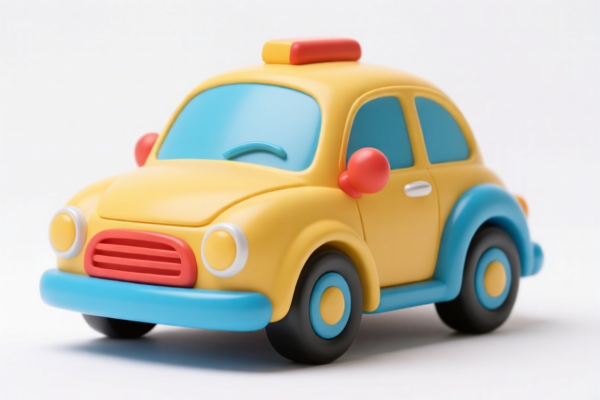
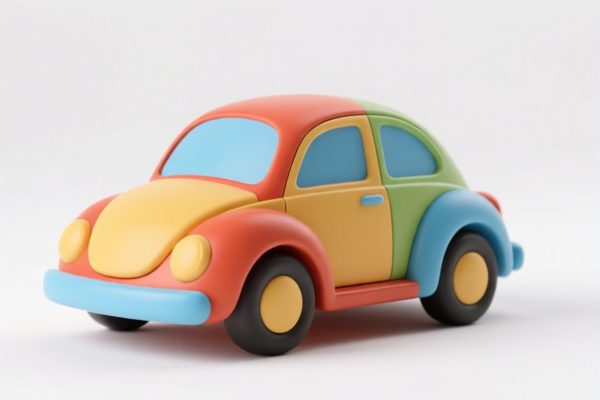
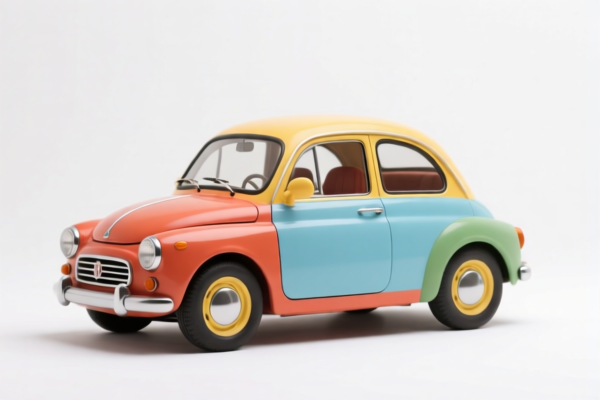
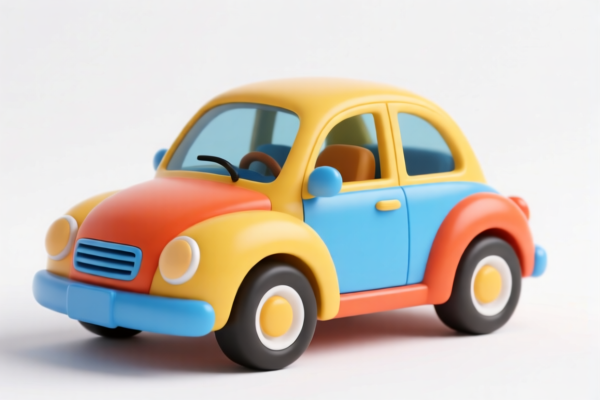
AI Analysis
🚗 Children's Car (Pedal Car / Tricycle for Kids)
🌐 HS Code Reference & Customs Clearance Guide | 2026 Latest Tariff Analysis | Professional Strategy for US Imports from China
📌 1. Product Definition & Classification: Is it a Toy or a Vehicle?
A "Children's Car" is a broad term that typically refers to pedal cars, tricycles, scooters, or similar wheeled toys for children. In international trade, the critical distinction lies in its primary purpose:
- Toy Category (HS 9503): Designed primarily for play, recreation, and amusement. These items are often made of plastic, light metal, or wood, with simple mechanisms. They are subject to stricter safety standards (e.g., ASTM F963 in the US).
- Non-motorized Bicycle Category (HS 8712): Designed primarily for transportation, even if used by children. These usually resemble standard bicycles (two wheels, pedals, handlebars) and are built for durability and riding rather than just play.
⚠️ Key Distinction Point:
- If the item is explicitly marketed as a "Toy" (e.g., pedal car, tricycle, scooter) and fits the age range of 3-14 years, it generally falls under Chapter 95.
- If the item is structurally a Bicycle (even for kids) and marketed as a means of transport, it falls under Chapter 87.
- Common Mistake: Importing a "Kids' Tricycle" as a "Bicycle" (HS 8712) often leads to higher duties and compliance issues. Conversely, classifying a real bicycle as a toy is illegal and risky.
📦 2. HS Code Classification Details (2026 Latest Tariff Schedule)
Based on the provided data, here are the possible HS codes and their rationales:
| HS Code | Product Description | Rationale from Data | Tax Category |
|---|---|---|---|
9503.00.00.71 |
Tricycles, Scooters, Pedal Cars & Similar Wheeled Toys | Matches the form (toy car) and purpose (toy). Specifically covers "Tricycles, scooters, pedal cars and similar wheeled toys." | Toy Category |
9503.00.00.73 |
Toys for Children Aged 3-12 Years | Matches the form (toy car) and purpose (toy). Based on common sense, inferred to be suitable for children aged 3-12. | Toy Category |
8712.00.48.00 |
Bicycles, Non-motorized | The term "Bicycle" in the product name matches the code's purpose. Classified as a non-motorized bicycle. | Vehicle Category |
8712.00.50.00 |
Other Bicycles, Non-motorized | The term "Bicycle" fits the vehicle category. The "toy" form is inferred as a non-motorized cycle vehicle. | Vehicle Category |
🔍 Critical Note:
-9503codes are for TOYS. They have 0% Base Tariff but are subject to Section 301 (25%) and Section 122 (10%) tariffs.
-8712codes are for VEHICLES. They have a Base Tariff (11% or 3.7%) and are also subject to Section 301 (25%) and Section 122 (10%) tariffs.
- Misclassification Risk: If you ship a toy tricycle but declare it under8712.00.48.00, US Customs may reject it as "not a bicycle" or assess penalties. If you ship a real bike but declare it under9503, you risk penalties for undervaluation and incorrect classification.
💰 3. Detailed Tariff Rate Breakdown (Including Add-on Taxes)
✅ Applicable Country: United States (US)
✅ Country of Origin: China (CN)
✅ Effective Date: Current rates apply (Section 122: 10%, Section 301: 25%)
🎯 1. Toy Category: 9503.00.00.71 & 9503.00.00.73
| Item | Rate/Details |
|---|---|
| Base Tariff | 0.0% |
| Section 301 Tariff | 25.0% (Standard US tariff on Chinese goods) |
| Section 122 Tariff | 10.0% (Specific additional duty for certain Chinese goods) |
| Total Effective Rate | 35.0% |
| Calculation | CIF Value × 35% |
| De Minimis Exemption | ❌ Not Eligible (Section 301 and 122 tariffs negate de minimis benefits for direct shipments from China) |
| Legal Basis | USITC:9503.00.00.71 → Section 301 → Section 122 |
📌 Explanation:
- Although the base duty is 0%, the 25% Section 301 tariff and 10% Section 122 tariff significantly increase the cost.
- Total Cost Increase: ~35% of the CIF value.
- Compliance Note: Ensure the product is clearly marked as a "Toy" and complies with CPSIA (Consumer Product Safety Improvement Act) regulations.
🎯 2. Vehicle Category: 8712.00.48.00
| Item | Rate/Details |
|---|---|
| Base Tariff | 11.0% |
| Section 301 Tariff | 25.0% |
| Section 122 Tariff | 10.0% |
| Total Effective Rate | 46.0% |
| Calculation | CIF Value × 46% |
| De Minimis Exemption | ❌ Not Eligible |
| Legal Basis | USITC:8712.00.48.00 → Section 301 → Section 122 |
📌 Explanation:
- This is a high-cost classification for imports from China.
- Total Cost Increase: 46% of the CIF value.
- Risk: If the product is actually a toy (e.g., a small pedal car), this classification is incorrect and may lead to audits.
🎯 3. Vehicle Category: 8712.00.50.00
| Item | Rate/Details |
|---|---|
| Base Tariff | 3.7% |
| Section 301 Tariff | 25.0% |
| Section 122 Tariff | 10.0% |
| Total Effective Rate | 38.7% |
| Calculation | CIF Value × 38.7% |
| De Minimis Exemption | ❌ Not Eligible |
| Legal Basis | USITC:8712.00.50.00 → Section 301 → Section 122 |
📌 Explanation:
- Slightly lower than8712.00.48.00due to a lower base rate, but still very high due to add-on tariffs.
- Total Cost Increase: ~38.7% of the CIF value.
🛠️ 4. Customs Clearance Practical Advice (Avoid Pitfalls)
✅ 1. Documentation Checklist (Mandatory)
| Document | Required? | Notes |
|---|---|---|
| ✅ Commercial Invoice | ✔️ | Must clearly state "Children's Toy Car" or "Non-motorized Bicycle" based on actual product. |
| ✅ Packing List | ✔️ | Detail contents: e.g., "1 x Pedal Car, 1 x Manual, 1 x Tool Kit." |
| ✅ Product Photos | ✔️ | Show the product from all angles, including any safety labels or age warnings. |
| ✅ CE/ASTM Certificate | ✔️ | Critical for Toys: Must provide CPSIA compliance certificate for the US market. |
| ✅ Country of Origin Certificate | ✔️ | Required for Section 301 and 122 tariff determination. |
| ✅ Bill of Lading (B/L) | ✔️ | Ensure HS codes match the invoice. |
✅ 2. Classification Strategy (Key Tips)
🔥 "Toy vs. Bike: Define by Purpose, Not Just Name!"
| Scenario | Recommended HS Code | Reason |
|---|---|---|
| Pedal Car, Tricycle, Scooter | 9503.00.00.71 |
Clearly a toy, designed for play, often with bright colors, simple mechanisms. |
| Kids' Bicycle (2-6 wheels, pedals) | 8712.00.50.00 |
If it looks like a real bike and is for transportation, even if for kids. |
| Electric Kids' Car | Different HS Code | Note: The provided data does not cover electric vehicles. Electric cars may fall under different chapters (e.g., 8703). |
| Toy Car with No Pedals (Push Toy) | 9503.00.00.71 |
Definitely a toy. |
✅ 3. Special Considerations
| Situation | Advice |
|---|---|
| OEM/Custom Branding | Ensure the "Made in China" label is visible. Custom branding does not change the HS code if the function remains the same. |
| Assembly Required | If the product is shipped "Knocked Down" (KD), the classification may still apply, but ensure the B/L reflects the actual shipped state. |
| Safety Compliance | High Priority: Toys require CPSIA testing (lead content, phthalates, small parts). Failure to comply results in product seizure and fines. |
| Section 122 Specifics | The 10% Section 122 tariff applies to many Chinese goods. Verify if your specific product type is exempt (unlikely for toys/bikes from China). |
🌍 5. Global Market Comparison (2026)
| Country/Region | Recommended HS Code | Tariff (China Origin) | Certification Required | Notes |
|---|---|---|---|---|
| 🇺🇸 USA | 9503.00.00.71 (Toy) |
35% (0% + 25% + 10%) | CPSIA, ASTM F963 | Highest compliance cost. |
| 🇨🇳 China | 9503.00.00.71 |
0-7% | CCC (if applicable) | Low duty, but requires CCC for some toys. |
| 🇪🇺 EU | 9503.00.91.00 |
6.5% | CE, EN71 | No Section 301 equivalent. |
| 🇬🇧 UK | 9503.00.91.00 |
6.5% | UKCA, EN71 | Post-Brexit rules apply. |
| 🇯🇵 Japan | 9503.00.00.00 |
0% | PSE (if electrical) | Very low duty, strict safety standards. |
📌 Conclusion:
- The US market is the most expensive due to Section 301 and 122 tariffs.
- Toy classification (9503) is safer for pedal cars/tricycles, but still carries a 35% total tariff.
- Vehicle classification (8712) is riskier for toys and has even higher duties (46%).
📌 6. Common Errors & Pitfalls (Lessons Learned)
❌ Error 1: Declaring a Pedal Car as a Bicycle (8712)
👉 Consequence: Customs may reject the declaration, impose penalties, or assess a higher duty if they deem it a toy.
👉 Correct Approach: Use 9503.00.00.71.
❌ Error 2: Missing CPSIA Certification for Toys
👉 Consequence: Product seizure at US border. No entry allowed without valid test reports from CPSC-accepted labs.
👉 Correct Approach: Ensure all toys have CPC (Children’s Product Certificate) and lab test results.
❌ Error 3: Under-declaring Value to Avoid Tariffs
👉 Consequence: Fines, audits, and potential loss of import privileges.
👉 Correct Approach: Declare accurate CIF value. The 35% tariff is unavoidable for China-origin toys.
❌ Error 4: Confusing Electric and Non-motorized
👉 Consequence: If your product is electric (e.g., battery-powered pedal car), it does NOT fall under 9503 or 8712 as described. It may fall under 8710 or 9503.00.00.80 depending on specifics.
👉 Correct Approach: Verify if the product is motorized. If yes, consult a specialist for the correct HS code.
🎯 7. Conclusion: Professional Clearance, Cost Optimization
🎯 Key Takeaway:
🔹 "Toy = 9503, Bike = 8712. Don't Mix Them!"
🔹 "US Tariff on China Toys = 35% (0% + 25% + 10%)."
🔹 "Safety Compliance (CPSIA) is Non-Negotiable for US Imports."
📌 Pro Tip:
- For pedal cars, always use HS Code 9503.00.00.71.
- Prepare CPSIA test reports before shipping to the US.
- If possible, consider transshipment through third countries (e.g., Vietnam, Mexico) to avoid Section 122 tariffs, but ensure substantial transformation occurs to change the Country of Origin. Note: This requires complex legal advice.
📣 Immediate Action Plan:
📞 Contact a Customs Broker for HS code pre-classification.
📄 Obtain CPSIA Certificate for all toys.
📦 Label Products Clearly as "Toy" or "Bicycle" according to actual use.
🚀 Ensure Smooth Customs Clearance by accurate declaration and compliance.
✨ Professional Clearance Starts with Accurate Classification!
💼 Your Profit Margin Depends on Correct Tariff Calculation!
Customer Reviews
About HS Code Classification
The Harmonized System (HS) is an internationally standardized nomenclature developed by the World Customs Organization (WCO) to classify traded products. Over 200 countries use the HS system as the basis for customs tariffs, trade statistics, and import/export regulations.
Each HS code follows a hierarchical structure:
- Chapter (2 digits) — Broad category of goods (e.g., Chapter 84: Machinery and Mechanical Appliances)
- Heading (4 digits) — More specific grouping within the chapter
- Subheading (6 digits) — Internationally standardized breakdown, used by all WCO member countries
- National subdivisions (8-10 digits) — Country-specific extensions for further classification, such as US HTSUS 10-digit codes
Correct HS code classification is essential for smooth customs clearance, accurate duty payment, and compliance with trade regulations. Misclassification can lead to customs delays, overpayment of duties, or penalties.
When importing from CN to US, the applicable tariff rates may include:
- Most-Favored-Nation (MFN) rate — The standard duty rate applied to WTO members
- General rate — Applied to countries without trade agreements
- Trade remedy duties — Additional tariffs such as Section 301 (anti-dumping), Section 232 (national security), or countervailing duties
The information provided on this page is for reference purposes only. For official classification, please consult with your local customs authority or a licensed customs broker.