Children's Clothing Accessories (Thin)
CN → US| HS Code | Tariff Rate | Origin | Destination | Doc |
|---|---|---|---|---|
| 6111206030 | 25.6% | CN | US | Official Doc |
| 6111305030 | 33.5% | CN | US | Official Doc |
| 6109100014 | 34.0% | CN | US | Official Doc |
| 6209205045 | 26.8% | CN | US | Official Doc |
| 6209303030 | 33.5% | CN | US | Official Doc |
Product Images
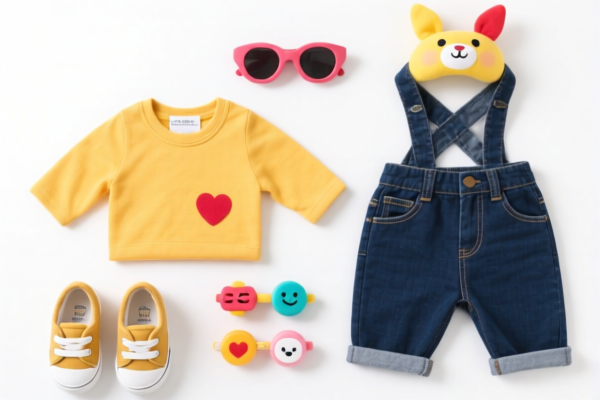
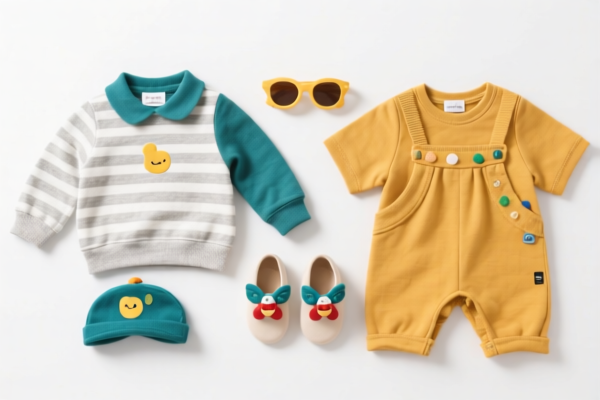
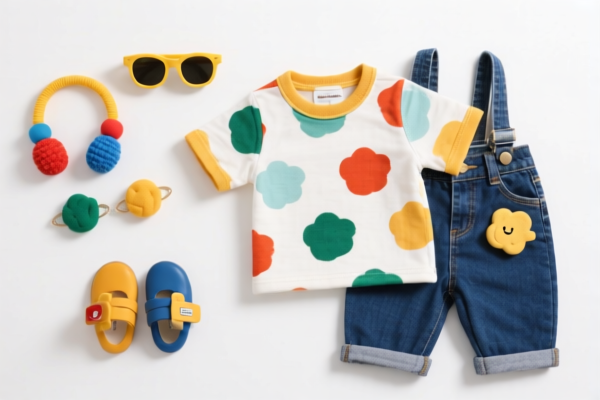
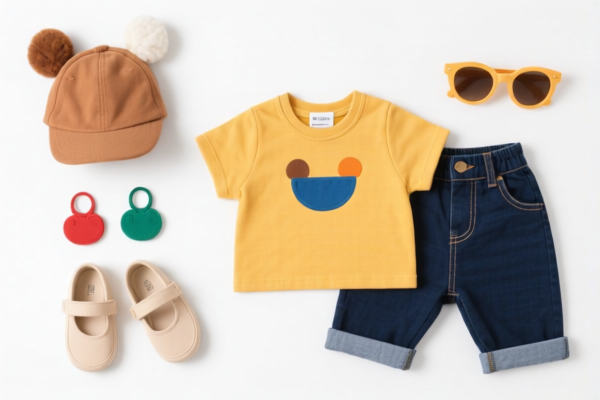
AI Analysis
👶 Children's Clothing Accessories (Thin)
🌐 HS Code Reference & Customs Clearance Guide | 2026 Latest Tariff Analysis | Professional通关 Strategy
📌 I. Product Definition & Classification: What Exactly Are "Thin Children's Clothing Accessories"?
"Children's Clothing Accessories (Thin)" is a broad descriptive term that requires precise classification based on material composition and structural form (set parts vs. components). In international trade, these items are generally categorized under Chapter 61 (Knitted/Crocheted) or Chapter 62 (Not Knitted/Crocheted), specifically targeting infants and young children.
The key to accurate classification lies in answering two questions: 1. Is it knitted or woven? (Distinguishes Ch. 61 from Ch. 62) 2. What is the primary material? (Cotton vs. Synthetic/Fiber) 3. Is it a complete set/part or a loose component?
⚠️ Key Distinction:
- Cotton-based items: Usually attract lower base tariffs (8-9%) but are subject to strict "Section 301" and "IEEPA" additional duties. - Synthetic/Fiber-based items: Higher base tariffs (16%) due to the nature of chemical fibers. - "Parts" vs. "Sets": Customs often scrutinize items labeled as "parts" to ensure they aren't actually complete sets being undervalued or misclassified to avoid higher duties.
📦 II. HS Code Classification Matrix (2026 Latest Tariff Authority)
Based on the provided data, here are the 5 most likely HS Code classifications for "Children's Clothing Accessories (Thin)" along with their tax implications.
| HS Code | Summary Description | Material/Type Inference | Total Tax Rate |
|---|---|---|---|
6111.20.60.30 |
Children's Clothing Parts (Thin) | Knitted, Set-part form, Cotton or other textile fibers | 25.6% |
6111.30.50.30 |
Children's Clothing Parts (Thin) | Knitted, Set-part form, Synthetic Fiber or Cotton | 33.5% |
6109.10.00.14 |
Children's Clothing Parts (Thin) | Knitted, Component/Part rule, Cotton (T-shirt/Tank style) | 34.0% |
6209.20.50.45 |
Children's Clothing Parts (Thin) | Woven, Infant/Child use, Set-part classification, Cotton | 26.8% |
6209.30.30.30 |
Children's Clothing Parts (Thin) | Woven, Component/Part rule, Synthetic Fiber or Natural Fiber | 33.5% |
🔍 Critical Insight:
- Chapter 61 (Knitted) codes like6111and6109are common for lightweight, knitted baby wear or undershirts. - Chapter 62 (Woven) codes like6209are typical for woven baby rompers, shorts, or trousers. - The "122 Clause" Impact: All listed codes are subject to an additional 10% tariff under the "122 Clause" (likely referring to specific US trade provisions against Chinese textile inputs), significantly boosting the final cost.
💰 III. 2026 Latest Tariff Rate Breakdown (Including Additional Duties)
✅ Applicable Market: United States (US)
✅ Origin: China (CN)
✅ Effective Time: Current 2026 Tariff Structure
🎯 1. 6111.20.60.30 — Knitted Children's Parts (Cotton/Other)
| Item | Content |
|---|---|
| Base Tariff | 8.1% |
| Additional Duty (301/Section) | 7.5% |
| 122 Clause Duty | 10% |
| Total Tax Rate | 25.6% |
| Tax Calculation | CIF Value × 25.6% |
| De Minimis Exemption | ❌ Not Applicable (High duty rate excludes this from standard low-value exemption thresholds in many contexts) |
| Legal Basis | USITC HTSUS 6111.20 → Section 301 Footnote → IEEPA 122 Clause |
📌 Explanation:
- This is the most favorable option among the knitted categories due to the lower base rate (8.1%). - However, the combined additional duties (17.5%) make it a high-cost item for pure profit margins.
🎯 2. 6111.30.50.30 — Knitted Children's Parts (Synthetic)
| Item | Content |
|---|---|
| Base Tariff | 16.0% |
| Additional Duty (301/Section) | 7.5% |
| 122 Clause Duty | 10% |
| Total Tax Rate | 33.5% |
| Tax Calculation | CIF Value × 33.5% |
| De Minimis Exemption | ❌ Not Applicable |
| Legal Basis | USITC HTSUS 6111.30 → Section 301 Footnote → IEEPA 122 Clause |
📌 Explanation:
- Synthetic fibers (polyester, nylon) face higher base tariffs (16%) compared to cotton (8.1%). - Warning: If your product is a blend, customs will assign the material that gives the essential character. If synthetic dominates, this 33.5% rate applies.
🎯 3. 6109.10.00.14 — Knitted T-Shirts/Tanks (Cotton)
| Item | Content |
|---|---|
| Base Tariff | 16.5% |
| Additional Duty (301/Section) | 7.5% |
| 122 Clause Duty | 10% |
| Total Tax Rate | 34.0% |
| Tax Calculation | CIF Value × 34.0% |
| De Minimis Exemption | ❌ Not Applicable |
| Legal Basis | USITC HTSUS 6109.10 → Specific Subhead Note → IEEPA 122 Clause |
📌 Explanation:
- This code is specific for knitted t-shirts or vests. If the "accessory" is actually a standalone t-shirt, this code is more precise than6111. - It has the highest total tax rate (34.0%) in the knitted category due to a high base rate (16.5%).
🎯 4. 6209.20.50.45 — Woven Children's Parts (Cotton)
| Item | Content |
|---|---|
| Base Tariff | 9.3% |
| Additional Duty (301/Section) | 7.5% |
| 122 Clause Duty | 10% |
| Total Tax Rate | 26.8% |
| Tax Calculation | CIF Value × 26.8% |
| De Minimis Exemption | ❌ Not Applicable |
| Legal Basis | USITC HTSUS 6209.20 → Section 301 Footnote → IEEPA 122 Clause |
📌 Explanation:
- If the item is woven (not knitted) and cotton-based, this is the best option with a 26.8% total rate. - Common for baby shorts, dresses, or shirts made of cotton fabric.
🎯 5. 6209.30.30.30 — Woven Children's Parts (Synthetic)
| Item | Content |
|---|---|
| Base Tariff | 16.0% |
| Additional Duty (301/Section) | 7.5% |
| 122 Clause Duty | 10% |
| Total Tax Rate | 33.5% |
| Tax Calculation | CIF Value × 33.5% |
| De Minimis Exemption | ❌ Not Applicable |
| Legal Basis | USITC HTSUS 6209.30 → Section 301 Footnote → IEEPA 122 Clause |
📌 Explanation:
- Woven synthetic items also fall into the 33.5% bracket, identical to knitted synthetics. - Ensure the material content is clearly declared to avoid misclassification penalties.
🛠️ IV. Customs Clearance Practical Advice (Risk Mitigation Guide)
✅ 1. Essential Documentation Checklist (Do Not Miss)
| Document | Required? | Explanation |
|---|---|---|
| ✅ Product Composition Sheet | ✔️ | Must specify exact % of Cotton vs. Polyester. Critical for distinguishing between 8.1% and 16% base rates. |
| ✅ Technical Package | ✔️ | Includes sketches, measurements, and fabric type to prove "Thin" and "Children's" status. |
| ✅ Commercial Invoice | ✔️ | Must clearly state "Children's Clothing Accessories (Thin)" and NOT generic "Textiles." |
| ✅ Labeling Photos | ✔️ | Show care labels indicating age group (e.g., "Age 0-6 months") and fiber content. |
| ✅ Test Reports | ✔️ | CPSIA (US) or REACH (EU) compliance tests are mandatory for children's wear to avoid detention. |
| ✅ Packing List | ✔️ | Detail the number of units per carton to calculate duties accurately. |
✅ 2. Declaration Tips (Key Mantras)
🔥 “Material is King, Age is Queen, Part vs. Set Decides Fate!”
| Scenario | Correct Declaration | Common Mistake |
|---|---|---|
| Item is a knitted baby shirt | 6109.10.00.14 (Cotton) or 6111.30.50.30 (Syn) |
Mislabel as "Garment Part" to hide value |
| Item is a woven baby romper | 6209.20.50.45 (Cotton) |
Mislabel as "Adult Clothing Part" |
| Item is a set (top+bottom) | Classify as a Set (usually highest duty component rules) | Splitting into separate parts to lower tax |
| Item is not for children | Must declare adult size | Using "Children's" code for adult small sizes → Fraud Risk |
✅ 3. Special Handling Scenarios
| Scenario | Handling Advice |
|---|---|
| Blended Materials | If Cotton/Synthetic mix, customs may apply the 60/40 rule or "Essential Character." Declare the dominant fiber clearly. |
| OEM/Private Label | Provide license agreements if using branded patterns. Customs may scrutinize for IP violations. |
| Accessory vs. Garment | If the item is truly an "accessory" (e.g., a bib, hat, or glove) and not a garment part, verify if it falls under Chapter 65 (Headgear) or 61/62 Parts. Misclassification leads to 34%+ rates. |
| "Thin" Definition | Ensure the weight/GSM (grams per square meter) supports the "Thin" classification. Heavy winter wear has different codes. |
🌍 V. Global Market Comparison (2026 Update)
| Market | Recommended HS Code (Example) | Total Duty Rate | Key Requirement |
|---|---|---|---|
| 🇺🇸 USA | 6111.20.60.30 (Cotton Knitted) |
25.6% | CPSIA Compliance, IEEPA 122 Clause applies |
| 🇨🇳 China | 6111.20.60.30 |
~9-14% (Import) | Certificate of Origin (if preferential) |
| 🇪🇺 EU | 6111.20.00 |
~12% | REACH, Textile Labeling Regulation |
| 🇬🇧 UK | 6111.20.00 |
~12% | UKCA Marking (if applicable) |
📌 Conclusion:
- The US market is the most complex due to the 122 Clause (10%) and Section 301 (7.5%) additions on top of base tariffs. - Cotton items are significantly cheaper to import into the US (25.6%) compared to Synthetic items (33.5%). - Woven cotton (6209) sits in the middle at 26.8%.
📌 VI. Common Errors & Pitfalls (Lessons Learned)
❌ Error 1: Declaring a Cotton Set as Single Parts
👉 Consequence: Customs may assess it as a set, applying the highest duty rate to the whole package, plus penalties for misdeclaration.
❌ Error 2: Misidentifying Synthetic as Cotton
👉 Consequence: Tax underpayment. If tested, you will owe the difference between 25.6% and 33.5% (nearly 8% extra!) plus fines.
❌ Error 3: Using generic Terms like "Baby Clothes" without specifying Material/Structure
👉 Consequence: Customs holds the shipment for verification, causing delays and storage fees.
❌ Error 4: Ignoring the "122 Clause"
👉 Consequence: Failing to account for the extra 10% leads to massive budget overruns.
✅ Correct Practice:
"Children's Knitted Cotton Shirt, Thin Fabric, Age 0-6 Months, Model XYZ, CPSIA Compliant"
🎯 VII. Conclusion: Professional Declaration Saves Money!
🎯 Remember the Mantra:
🔹 "Cotton is Cheap (25.6%), Synth is Expensive (33.5%). Knit or Woven? Check the Stitch!
Part or Set? Don't Guess! Always declare the Material Truth!"
📌 Pro Tip:
If you are importing significant volumes, consider Section 301 Exclusions if available for specific textile types, or evaluate Transshipment routes (though risky and complex for textiles due to Rules of Origin).
Always apply for a Pre-Ruling from US Customs and Border Protection (CBP) if your product is borderline between "Part" and "Complete Garment."
📣 Immediate Action:
📞 Contact a licensed customs broker + Provide Fabric Swatches + Verify CPSIA Compliance
🚀 Ensure your HS Code is precise, your material content is accurate, and your documentation is complete to avoid the 34% trap!
✨ Smart Classification, Smarter Profits!
💼 In Children's Wear, Details Dictate Duties!
Customer Reviews
About HS Code Classification
The Harmonized System (HS) is an internationally standardized nomenclature developed by the World Customs Organization (WCO) to classify traded products. Over 200 countries use the HS system as the basis for customs tariffs, trade statistics, and import/export regulations.
Each HS code follows a hierarchical structure:
- Chapter (2 digits) — Broad category of goods (e.g., Chapter 84: Machinery and Mechanical Appliances)
- Heading (4 digits) — More specific grouping within the chapter
- Subheading (6 digits) — Internationally standardized breakdown, used by all WCO member countries
- National subdivisions (8-10 digits) — Country-specific extensions for further classification, such as US HTSUS 10-digit codes
Correct HS code classification is essential for smooth customs clearance, accurate duty payment, and compliance with trade regulations. Misclassification can lead to customs delays, overpayment of duties, or penalties.
When importing from CN to US, the applicable tariff rates may include:
- Most-Favored-Nation (MFN) rate — The standard duty rate applied to WTO members
- General rate — Applied to countries without trade agreements
- Trade remedy duties — Additional tariffs such as Section 301 (anti-dumping), Section 232 (national security), or countervailing duties
The information provided on this page is for reference purposes only. For official classification, please consult with your local customs authority or a licensed customs broker.