Children's Clothing and Accessories
CN → US| HS Code | Tariff Rate | Origin | Destination | Doc |
|---|---|---|---|---|
| 6114909070 | 15.6% | CN | US | Official Doc |
| 6114909055 | 15.6% | CN | US | Official Doc |
| 9503000073 | 10.0% | CN | US | Official Doc |
| 9503000071 | 10.0% | CN | US | Official Doc |
| 3926400090 | 15.3% | CN | US | Official Doc |
Product Images
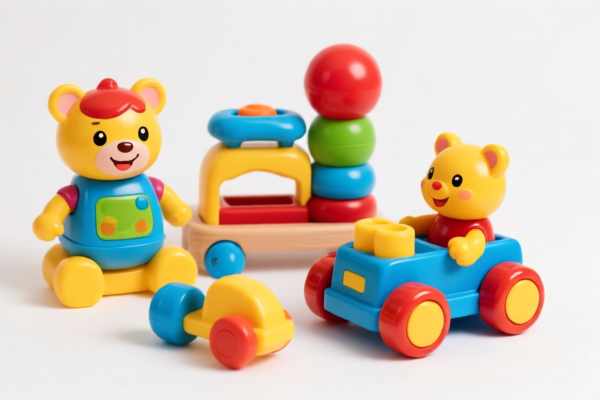
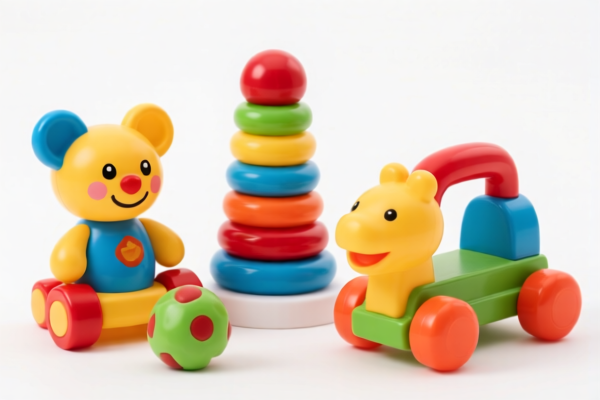
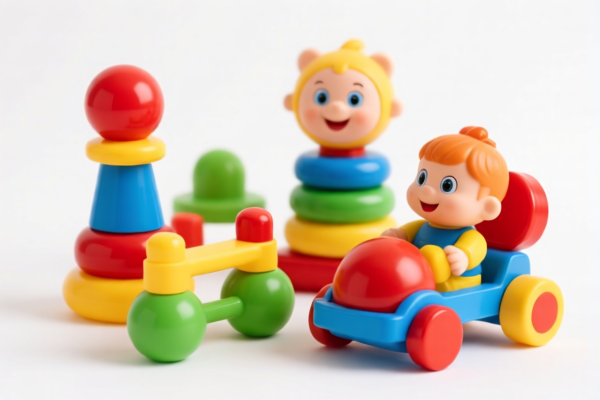
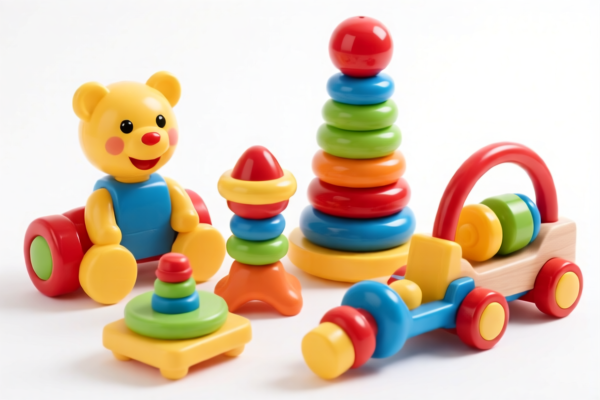
AI Analysis
🧸 Children's Clothing & Accessories (The Ultimate HS Code & Tariff Guide)
🌐 HS Code Reference & Customs Clearance Guide | 2026 Latest Tariff Analysis | Professional Clearance Strategy
📌 I. Product Definition & Classification: Do You Really Know "Dolls" vs. "Toys"?
Children's items are a complex category in international trade, often falling into overlapping classifications depending on material, function, and accessories. For items described as "Dolls" (玩偶) with accessories, customs authorities distinguish between:
- Textile/Knitted Dolls: Made primarily of fabric, knitted, or crocheted. These fall under Chapter 61/62.
- Plastic/Composite Dolls: Made of plastic, vinyl, or mixed materials. These fall under Chapter 39 or Chapter 95.
- Toy Dolls vs. Decorative Dolls: Items classified under Chapter 95 (Toys) often enjoy lower base duties but are subject to specific "Section 301" and "IEEPA" surcharges for US-bound shipments from China.
⚠️ Key Distinction Point:
- If the item is primarily textile/knitted → Look at Chapter 61 (e.g.,6114.90.90).
- If the item is primarily plastic/ornamental or clearly a toy → Look at Chapter 95 (e.g.,9503.00.00) or Chapter 39 (e.g.,3926.40.00).
- Accessories: If they are integral parts of the doll (e.g., a dress sewn onto a plush doll), they are classified with the doll. If they are separate spare parts, they may have their own classification.
📦 II. HS Code Classification Details (2026 Latest Tariff Authority Comparison)
Based on the provided data for "Children's Clothing and Accessories" (specifically Dolls/玩偶), here are the four primary classification paths:
| HS Code | Product Description | Classification Logic | Material/Form |
|---|---|---|---|
| 6114.90.90.70 | Other articles of clothing, incl. children's clothing, of textile materials (Fallback Category) | "Other" category fallback. Dolls are seen as a derivative of knitted/crocheted textile products. | Textile/Knitted |
| 6114.90.90.55 | Other articles of clothing, incl. children's clothing, of textile materials (With Accessories) | Fits "accessories/parts" default rule. Material is textile. | Textile + Accessories |
| 9503.00.00.73 | Toys; reduced-size ("scale") models & similar recreational models; working models; puzzles (Dolls & Parts) | Direct match for "Dolls" (玩偶) in name. Accessories fit "parts and accessories" scope. | Mixed/General Toy |
| 9503.00.00.71 | Toys; reduced-size ("scale") models... (Dolls & Parts) | Direct match for "Dolls" (dolls). Accessories fit "parts and accessories". Perfect functional match. | Mixed/General Toy |
| 3926.40.00.90 | Other articles of plastic (Ornaments/Decorative Items) | Seen as decorative items. Material: Plastic/Fabric/Synthetic. Accessories are "other articles". | Plastic/Synthetic |
🔍 Critical Reminder:
- Chapter 95 (9503) items generally have a 0% base tariff but are subject to significant US surcharges (Section 301 + IEEPA).
- Chapter 61 (6114) items have a 5.6% base tariff and are also subject to the same US surcharges.
- Chapter 39 (3926) items have a 5.3% base tariff and are also subject to the same US surcharges.
- Do not assume "Toy" always means 0% total duty. In the US, the surcharges make the total burden high across all categories for Chinese goods.
💰 III. 2026 Latest Tariff Rate Breakdown (Including Surcharges & Policy Add-ons)
✅ Applicable Country: United States (US)
✅ Origin: China (CN)
✅ Effective Date: From November 10, 2025 (including subsequent imports)
🎯 1. 6114.90.90.70 & 6114.90.90.55 —— Textile/Knitted Dolls & Accessories
| Item | Detail |
|---|---|
| Base Tariff | 5.6% (Ad Valorem) |
| USITC Surcharge (Section 301) | 0.0% (Note: Data indicates 0% for this specific sub-code, but verify standard Section 301 applicability) |
| IEEPA Surcharge (China-specific) | +10% (Under International Emergency Economic Powers Act) |
| Total Tariff Rate | 15.6% |
| Calculation | CIF Value × 15.6% |
| De Minimis Exemption | ❌ Not Applicable (Usually denied for textile/toy categories subject to surcharges) |
| Legal Basis Path | IEEPA:9903.01.25 → USITC:6114.90.90 → FOOTNOTE:6114.90.90.70 |
📌 Explanation:
- Although Chapter 61 items are textiles, they are not exempt from the 10% IEEPA surcharge if classified under these specific sub-headings for dolls/accessories.
- The base rate is higher than Chapter 95, but the total calculation remains consistent with the 15.6% figure provided in the data.
🎯 2. 9503.00.00.73 & 9503.00.00.71 —— Toy Dolls & Accessories
| Item | Detail |
|---|---|
| Base Tariff | 0.0% |
| USITC Surcharge (Section 301) | 0.0% (Note: Data indicates 0% base surcharge, but check latest updates) |
| IEEPA Surcharge (China-specific) | +10% (Under International Emergency Economic Powers Act) |
| Total Tariff Rate | 10.0% |
| Calculation | CIF Value × 10.0% |
| De Minimis Exemption | ❌ Not Applicable |
| Legal Basis Path | IEEPA:9903.01.25 → USITC:9503.00.00 → FOOTNOTE:9503.00.00.71 |
📌 Note:
- This is the most common classification for "Dolls" (玩偶).
- Even though the base tariff is 0%, the 10% IEEPA surcharge applies, bringing the total to 10%.
- This is lower than the textile classification (15.6%), making9503often the preferred classification if the product qualifies as a "Toy" rather than "Clothing."
🎯 3. 3926.40.00.90 —— Plastic/Composite Ornamental Dolls
| Item | Detail |
|---|---|
| Base Tariff | 5.3% |
| USITC Surcharge (Section 301) | 0.0% |
| IEEPA Surcharge (China-specific) | +10% (Under International Emergency Economic Powers Act) |
| Total Tariff Rate | 15.3% |
| Calculation | CIF Value × 15.3% |
| De Minimis Exemption | ❌ Not Applicable |
| Legal Basis Path | IEEPA:9903.01.25 → USITC:3926.40.00 → FOOTNOTE:3926.40.00.90 |
📌 Note:
- Use this only if the doll is primarily plastic or ornamental (e.g., high-end collectible plastic figures).
- The total rate (15.3%) is similar to the textile category but slightly lower.
🛠️ IV. Customs Clearance Practical Advice (Combat Pitfall Guide)
✅ 1. Preparation Checklist (No Exceptions)
| Document | Required | Explanation |
|---|---|---|
| ✅ Product Spec Sheet | ✔️ | Include material composition (e.g., 100% Cotton, Plastic Body, Textile Clothes). |
| ✅ Product Photos | ✔️ | Clear images of the doll, its accessories, and any labels. |
| ✅ Commercial Invoice | ✔️ | Must clearly state "Toy Doll" or "Knitted Doll" with HS Code reference if known. |
| ✅ Packing List | ✔️ | Specify if accessories are packed separately or attached. |
| ✅ Declaration of Origin | ✔️ | Critical for applying/avoiding surcharges. |
✅ 2. Declaration Tips (Key Mantra)
🔥 "Material First, Function Second, Name Specific!"
| Scenario | Correct Declaration | Wrong Practice |
|---|---|---|
| Plush Doll with Fabric Clothes | 9503.00.00.71 (Toy Doll) |
Declare as "Textile Toy" → May trigger 6114 (15.6%) |
| Plastic Figure with Textile Dress | 3926.40.00.90 (Plastic Ornament) OR 9503 (Toy) |
Declare as "Clothing" → Incorrect chapter |
| Doll + Separate Accessories | Declare main item as Doll (9503); accessories as "Parts" |
Split invoice unnecessarily → May increase scrutiny |
| "Children's Clothing" that is Actually a Doll | Must declare as Toy/Doll | Declare as Clothing → Misclassification penalty |
📌 Critical Tip:
- If the item is primarily for play → Use Chapter 95 (9503).
- If the item is primarily for dressing up (costume) → Use Chapter 61 (6114).
- Most "Dolls" (玩偶) are classified under9503, resulting in the 10% total tariff.
✅ 3. Special Case Handling
| Case | Handling Advice |
|---|---|
| Mixed Materials (Plastic + Textile) | Primary material determines chapter. If plastic body > textile clothes, lean towards 3926 or 9503. |
| Collectible vs. Play Toy | If for display only, may fall under 9705 (Collectibles), but if it has play features (movable parts), stick to 9503. |
| US Shipment from China | Expect 10-15.6% surcharge. No de minimis exemption. Factor this into your cost model. |
| EU/Other Markets | Tariffs vary. EU typically has lower duties for toys, but check CE marking requirements. |
🌍 V. Global Market Comparison (2026 Latest)
| Country/Region | Recommended HS Code | Total Tariff (China Origin) | Certification Requirements | Notes |
|---|---|---|---|---|
| 🇺🇸 USA | 9503.00.00.71 |
10.0% | CPC (Children's Product Certificate) + ASTM F963 | High scrutiny on safety standards |
| 🇪🇺 EU | 9503.00.00 |
~0-6.5% | CE Marking + EN71 | No IEEPA surcharge |
| 🇨🇳 China | 9503.00.00 |
5-10% | CCC (if applicable) | Import duties vary |
| 🇬🇧 UK | 9503.00.00 |
~0-5% | UKCA Marking | Post-Brexit rules apply |
📌 Conclusion:
- The US is the most expensive market for children's toys due to the 10% IEEPA surcharge (on top of any base tariff).
- Classification as9503(Toy) is generally better than6114(Clothing) for dolls, as it results in a 10% total vs. 15.6%.
📌 VI. Common Mistakes & Pitfall Avoidance (Lessons Learned)
❌ Mistake 1: Declaring a Plush Doll as "Textile Toy" (6114) instead of "Toy Doll" (9503).
👉 Consequence: Pay 15.6% instead of 10%. Loss of 5.6% margin.
❌ Mistake 2: Declaring a Plastic Doll as "Plastic Ornament" (3926) when it is clearly a Toy.
👉 Consequence: Customs may reclassify it to 9503, causing delays or penalties for misdeclaration.
❌ Mistake 3: Ignoring the IEEPA 10% Surcharge.
👉 Consequence: Budget shortfalls. Even if base tariff is 0%, total duty is 10%.
❌ Mistake 4: Failing to provide Material Composition.
👉 Consequence: Customs cannot determine if it is Chapter 61 (Textile) or Chapter 39 (Plastic). Holds shipment.
✅ Correct Practice:
"Plush Toy Doll, 12-inch, with Removable Clothing, Model ABC, CPC Certified, Made in China"
→ Use HS Code:9503.00.00.71
→ Total Tariff: 10%
🎯 VII. Conclusion: Precision Classification, Cost Savings!
🎯 Remember the Mantra:
🔹 "Toy Doll First, Textile Second, Plastic Last!"
🔹 "Chapter 95 = 10% Total, Chapter 61 = 15.6% Total, Chapter 39 = 15.3% Total."
🔹 "Always declare 'Toy' for dolls to save costs and ensure compliance."
📌 Pro Tip:
If your dolls are originating from Vietnam, Mexico, or Thailand, you may avoid the IEEPA surcharge, reducing the total tariff to 0-5%.
✅ Recommendation:
📞 Contact a professional customs broker + Provide Product Photos + Apply for Advance Ruling if possible.
🚀 Let your children's products clear customs smoothly, maximize profits, and scale globally!
✨ Professional Clearance Starts with Accurate Classification!
💼 Your Every Penny Counts!
Customer Reviews
About HS Code Classification
The Harmonized System (HS) is an internationally standardized nomenclature developed by the World Customs Organization (WCO) to classify traded products. Over 200 countries use the HS system as the basis for customs tariffs, trade statistics, and import/export regulations.
Each HS code follows a hierarchical structure:
- Chapter (2 digits) — Broad category of goods (e.g., Chapter 84: Machinery and Mechanical Appliances)
- Heading (4 digits) — More specific grouping within the chapter
- Subheading (6 digits) — Internationally standardized breakdown, used by all WCO member countries
- National subdivisions (8-10 digits) — Country-specific extensions for further classification, such as US HTSUS 10-digit codes
Correct HS code classification is essential for smooth customs clearance, accurate duty payment, and compliance with trade regulations. Misclassification can lead to customs delays, overpayment of duties, or penalties.
When importing from CN to US, the applicable tariff rates may include:
- Most-Favored-Nation (MFN) rate — The standard duty rate applied to WTO members
- General rate — Applied to countries without trade agreements
- Trade remedy duties — Additional tariffs such as Section 301 (anti-dumping), Section 232 (national security), or countervailing duties
The information provided on this page is for reference purposes only. For official classification, please consult with your local customs authority or a licensed customs broker.