Children's Hairband
CN → US| HS Code | Tariff Rate | Origin | Destination | Doc |
|---|---|---|---|---|
| 6217101010 | 19.8% | CN | US | Official Doc |
| 6117808500 | 32.1% | CN | US | Official Doc |
| 6117802000 | 18.7% | CN | US | Official Doc |
| 9615196000 | 21.0% | CN | US | Official Doc |
| 9615114000 | 15.3% | CN | US | Official Doc |
| 6217108500 | 24.6% | CN | US | Official Doc |
Product Images
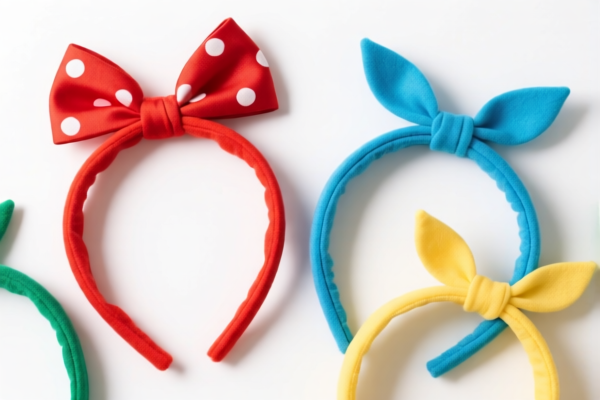
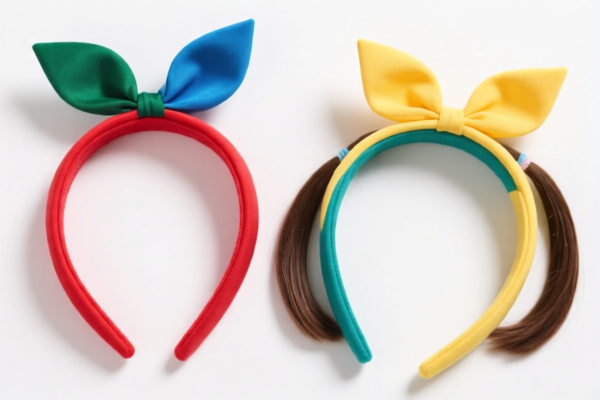
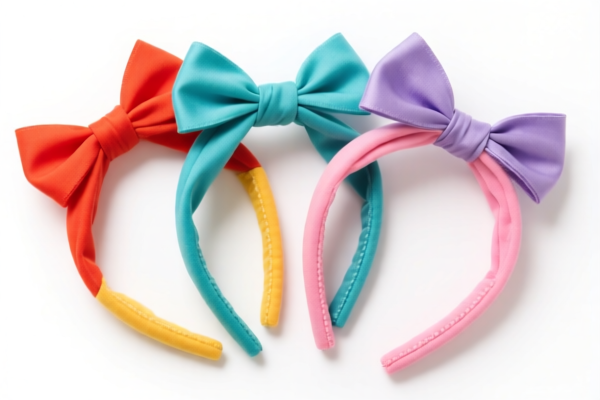
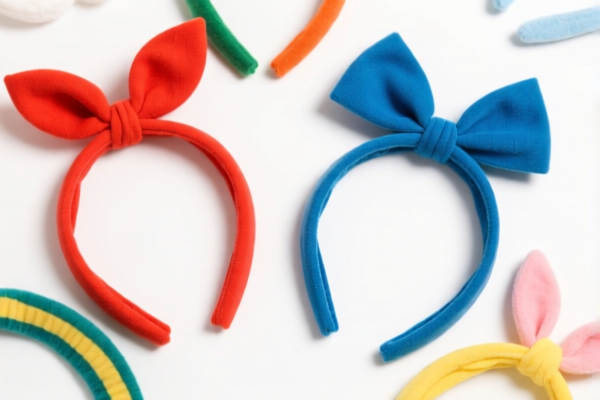
AI Analysis
🎀 Children's Hairband (Hairbands for Kids)
🌐 HS Code Reference & Clearance Guide | 2026 Latest Tariff Analysis | Professional Clearance Strategy
📌 I. Product Definition & Classification: Do You Really Understand "Children's Hairbands"?
Children's hairbands are essential accessories for kids' daily wear, used to keep hair neat and add style. In international trade, their classification depends heavily on material composition and manufacturing method (knitted vs. woven vs. plastic). Misclassification can lead to significant tariff discrepancies and clearance delays.
⚠️ Key Distinction Points:
- Knitted/Hooked Fabric: Falls under Chapter 61 (Articles of Apparel and Clothing Accessories, Knitted or Crocheted).
- Non-Knitted/Woven Fabric/Leather/Plastic: May fall under Chapter 62 (Articles of Apparel and Clothing Accessories, Not Knitted or Crocheted) or Chapter 96 (Miscellaneous Manufactured Articles) if deemed a cosmetic/composite item.
- Material Sensitivity: Silk content or plastic components can shift classification between subheadings.
📦 II. HS Code Classification Details (2026 Latest Tariff Authority对照)
Based on the provided data, here are the 5 possible HS Codes for "Children's Hairband" depending on specific material and construction:
| HS Code | Product Description | Material/Type | Total Tax Rate (China to US) |
|---|---|---|---|
6217.10.10.10 |
Hairbands, hair ties, and similar articles | Contains silk components | 19.8% |
6117.80.85.00 |
Headbands, ponytail clips, and similar items | Knitted or crocheted fabric | 32.1% |
6117.80.20.00 |
Clothing accessories | Fabric or knitted material | 18.7% |
9615.19.60.00 |
Combs, hairpins, and similar articles | Fabric or plastic composite | 21.0% |
9615.11.40.00 |
Hair accessories | Plastic or hard rubber | 15.3% |
🔍 Critical Note:
- The term "Hairband" is ambiguous in HS nomenclature. It can be classified as apparel accessory (Ch. 61/62) or miscellaneous article (Ch. 96).
- Knitted items generally fall under 6117; Non-knitted under 6217.
- If the hairband includes plastic bars/combs, it may shift to 9615.
- Silk content triggers a specific subheading under 6217.10.10.10.
💰 III. 2026 Latest Tariff Rate Breakdown (Including Additional Taxes & Policy Surcharges)
✅ Applicable Country: United States (US)
✅ Origin: China (CN)
✅ Effective Date: 2025–2026 (Including subsequent imports)
🎯 1. 6217.10.10.10 —— Hairbands with Silk Content
| Item | Content |
|---|---|
| Base Tariff | 2.3% |
| Section 301 Additional Tariff | 7.5% |
| Section 122 Tariff | 10% |
| Total Rate | 19.8% |
| Tax Calculation | CIF Value × 19.8% |
| De Minimis Exemption | ❌ Not Applicable (Deny De Minimis for Section 301/122 items) |
| Legal Basis Path | USITC:6217.10.10.10 → SECTION_301:7.5% → SECTION_122:10% |
📌 Explanation:
- Base Tariff 2.3%: Standard Most Favored Nation (MFN) rate for "Other made-up clothing accessories."
- Section 301 Tariff 7.5%: Additional duty on Chinese-origin goods under US Trade Act Section 301.
- Section 122 Tariff 10%: Additional duty on imports affecting national security (specifically targeting textiles/apparel from certain origins).
- Total 19.8%: This is a moderate-high rate. Must be factored into landing cost.
🎯 2. 6117.80.85.00 —— Knitted/Crocheted Headbands & Ponytail Clips
| Item | Content |
|---|---|
| Base Tariff | 14.6% |
| Section 301 Additional Tariff | 7.5% |
| Section 122 Tariff | 10% |
| Total Rate | 32.1% |
| Tax Calculation | CIF Value × 32.1% |
| De Minimis Exemption | ❌ Not Applicable |
| Legal Basis Path | USITC:6117.80.85.00 → SECTION_301:7.5% → SECTION_122:10% |
📌 Important:
- This is the highest tax rate in the dataset.
- Base Tariff 14.6% is significantly higher than non-knitted alternatives.
- Even if the item is simple, knitted construction triggers this higher base rate.
- Total 32.1% makes this category expensive for importers.
🎯 3. 6117.80.20.00 —— Clothing Accessories (Fabric/Knitted)
| Item | Content |
|---|---|
| Base Tariff | 1.2% |
| Section 301 Additional Tariff | 7.5% |
| Section 122 Tariff | 10% |
| Total Rate | 18.7% |
| Tax Calculation | CIF Value × 18.7% |
| De Minimis Exemption | ❌ Not Applicable |
| Legal Basis Path | USITC:6117.80.20.00 → SECTION_301:7.5% → SECTION_122:10% |
📌 Note:
- Despite being knitted (Ch. 61), this specific subheading has a very low base tariff (1.2%).
- However, additional tariffs still push the total to 18.7%.
- This is a cost-effective option if the product qualifies for this specific "clothing accessory" definition.
🎯 4. 9615.19.60.00 —— Combs, Hairpins, and Similar Articles (Fabric/Plastic)
| Item | Content |
|---|---|
| Base Tariff | 11.0% |
| Section 301 Additional Tariff | 0.0% |
| Section 122 Tariff | 10% |
| Total Rate | 21.0% |
| Tax Calculation | CIF Value × 21.0% |
| De Minimis Exemption | ❌ Not Applicable (Due to Section 122) |
| Legal Basis Path | USITC:9615.19.60.00 → SECTION_122:10% |
📌 Key Insight:
- No Section 301 Tariff (0%): This is a major advantage!
- Base Tariff 11.0%: Higher than apparel accessories, but offset by no Section 301.
- Section 122 Tariff 10%: Still applies.
- Total 21.0%: Competitive if you can classify as a "hair accessory/composite" rather than pure apparel.
🎯 5. 9615.11.40.00 —— Hair Accessories (Plastic/Hard Rubber)
| Item | Content |
|---|---|
| Base Tariff | 5.3% |
| Section 301 Additional Tariff | 0.0% |
| Section 122 Tariff | 10% |
| Total Rate | 15.3% |
| Tax Calculation | CIF Value × 15.3% |
| De Minimis Exemption | ❌ Not Applicable (Due to Section 122) |
| Legal Basis Path | USITC:9615.11.40.00 → SECTION_122:10% |
📌 Highlight:
- Lowest Total Tax Rate in the dataset (15.3%).
- No Section 301 Tariff: Saves 7.5% compared to knitted/non-silk fabric options.
- Ideal for Plastic Hairbands: If the hairband is primarily plastic or hard rubber (e.g., elastic bands with plastic clips), this is the best classification.
🛠️ IV. Customs Clearance Practical Advice (Combat Pitfall Guide)
✅ 1. Document Checklist (None Can Be Omitted)
| Document | Required | Notes |
|---|---|---|
| ✅ Product Specification Sheet | ✔️ | Must specify material (e.g., "100% Polyester," "Plastic + Elastic"), knitting method, and composition. |
| ✅ Product Photos (Clear) | ✔️ | Show the entire product, including tags, clips, combs, and elastic parts. |
| ✅ Bill of Lading / Invoice | ✔️ | Description must match HS Code logic (e.g., "Plastic Hair Clip Set" vs. "Knitted Headband"). |
| ✅ Composition Declaration | ✔️ | Explicitly state % of silk, plastic, fabric, etc. |
| ✅ Origin Certificate | ✔️ | If not China origin, may avoid Section 122/301 (check rules). |
✅ 2. Classification Strategy (Key Mantras)
🔥 “Material Dictates Chapter, Plastic Saves Tariff, Silk Triggers Specific, Knitted Brings Cost!”
| Scenario | Correct HS Code | Wrong Practice | Consequence |
|---|---|---|---|
| Plastic Hairband with Elastic | 9615.11.40.00 |
Declared as "Clothing Accessory" (6117) |
+16.8% extra tax (15.3% vs 32.1%) |
| Knitted Fabric Headband | 6117.80.85.00 or 6117.80.20.00 |
Declared as "Plastic Accessory" | Misclassification Penalty + Back Taxes |
| Silk Hairband | 6217.10.10.10 |
Declared as General Fabric | Audit Risk |
| Hairband with Comb/Clip | 9615.19.60.00 |
Declared as Pure Textile | Potential Rejection |
✅ 3. Special Cases Handling
| Situation | Handling Advice |
|---|---|
| Mixed Material (e.g., Fabric + Plastic Clip) | If plastic is essential for function (e.g., holds shape), consider 9615. If fabric is primary, use 6117/6217. |
| Children’s Safety Compliance | Ensure products meet CPSIA (Consumer Product Safety Improvement Act) for lead, phthalates, and small parts. Customs may request CPSC reports. |
| Section 122 Exemptions | Currently, most textile/apparel imports from China face Section 122. No easy exemption. |
| De Minimis (Section 321) | Do Not Rely on $800 De Minimis for these HS Codes if Section 301/122 applies. USCBP may deny entry or tax fully. |
🌍 V. Global Market Clearance Comparison (2026 Latest)
| Country/Region | Recommended HS Code | Tariff (China Origin) | Certification | Notes |
|---|---|---|---|---|
| 🇺🇸 USA | 9615.11.40.00 (Plastic) |
15.3% | CPSIA + ASTM F963 | Lowest US rate for plastic hairbands. |
| 🇺🇸 USA | 6117.80.85.00 (Knitted) |
32.1% | CPSIA + ASTM F963 | Highest US rate. Avoid if possible. |
| 🇪🇺 EU | 9615.19.90 / 6117.90 |
~5–10% | CE + REACH | Lower tariffs than US. No Section 301. |
| 🇨🇳 China | 6117.90.90 |
5–10% | CCC (if applicable) | Low import duty for domestic production. |
| 🇬🇧 UK | 9615.19.90 |
~6% | UKCA + REACH | Post-Brexit rules apply. |
📌 Conclusion:
- USA has the highest effective tariff due to Section 301 and Section 122.
- Plastic-based hairbands (9615.11.40.00) offer the lowest US duty (15.3%).
- Knitted fabric (6117.80.85.00) is the most expensive (32.1%).
- Strategy: If possible, design hairbands with plastic components or non-knitted materials to reduce US import costs.
📌 VI. Common Mistakes & Pitfall Guide (Lessons from Tears)
❌ Mistake 1: Declaring a plastic hairband as a knitted headband
👉 Consequence: 15.3% → 32.1% Tax Increase = Double the tax!
❌ Mistake 2: Ignoring Section 122 Tariff
👉 Consequence: Underpaying by 10% → Penalties + Interest.
❌ Mistake 3: Using De Minimis for Section 301/122 Goods
👉 Consequence: Package Seized or Taxed at Full Rate.
❌ Mistake 4: Not declaring Silk Content
👉 Consequence: Misclassification under general fabric → Audit & Back Taxes.
✅ Correct Practice:
"Plastic Hair Bands with Elastic, for Children, Model XYZ, CPSIA Compliant, HS 9615.11.40.00"
🎯 VII. Conclusion: Professional Classification, Save Money, Smooth Clearance!
🎯 Remember the Mantra:
🔹 “Plastic is King, Knitted is Costly, Silk is Specific, 122 is Always On!”
🔹 “HS Code Determines Destiny, Tax Difference is Huge, Declare Accurately, Save Thousands!”
📌 Pro Tip:
If your hairbands are made in Vietnam, Malaysia, or Thailand, you may avoid Section 122 and Section 301 tariffs (depending on FTAs and rules of origin).
Strongly Recommend:
📞 Contact a professional customs broker.
📸 Provide clear product images and material composition.
🚀 Apply for an Advance Ruling if importing large volumes.
📣 Take Action Now:
📞 Verify Material Composition → 📋 Choose Optimal HS Code → 📦 Ship with Confidence
🚀 Let your hairbands pass customs smoothly, boost profits, and delight kids!
✨ Professional Clearance Starts with Accurate Classification!
💼 Every Cent of Tax Counts!
Customer Reviews
About HS Code Classification
The Harmonized System (HS) is an internationally standardized nomenclature developed by the World Customs Organization (WCO) to classify traded products. Over 200 countries use the HS system as the basis for customs tariffs, trade statistics, and import/export regulations.
Each HS code follows a hierarchical structure:
- Chapter (2 digits) — Broad category of goods (e.g., Chapter 84: Machinery and Mechanical Appliances)
- Heading (4 digits) — More specific grouping within the chapter
- Subheading (6 digits) — Internationally standardized breakdown, used by all WCO member countries
- National subdivisions (8-10 digits) — Country-specific extensions for further classification, such as US HTSUS 10-digit codes
Correct HS code classification is essential for smooth customs clearance, accurate duty payment, and compliance with trade regulations. Misclassification can lead to customs delays, overpayment of duties, or penalties.
When importing from CN to US, the applicable tariff rates may include:
- Most-Favored-Nation (MFN) rate — The standard duty rate applied to WTO members
- General rate — Applied to countries without trade agreements
- Trade remedy duties — Additional tariffs such as Section 301 (anti-dumping), Section 232 (national security), or countervailing duties
The information provided on this page is for reference purposes only. For official classification, please consult with your local customs authority or a licensed customs broker.