Children's Other Material Briefs Striped Fabric
CN → US| HS Code | Tariff Rate | Origin | Destination | Doc |
|---|---|---|---|---|
| 6207199010 | 28.0% | CN | US | Official Doc |
| 6114200020 | 28.3% | CN | US | Official Doc |
| 6114302010 | 49.5% | CN | US | Official Doc |
| 6107120010 | 32.4% | CN | US | Official Doc |
| 6107110010 | 17.4% | CN | US | Official Doc |
Product Images
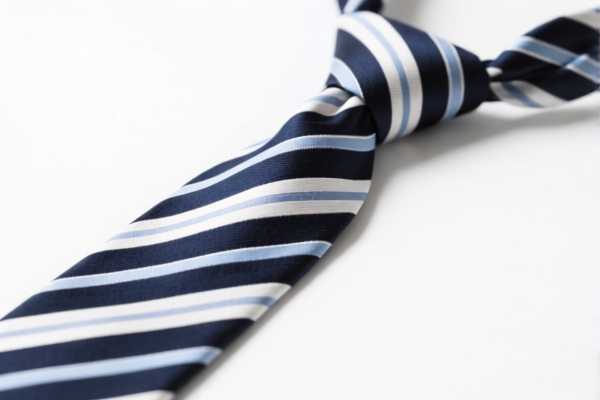
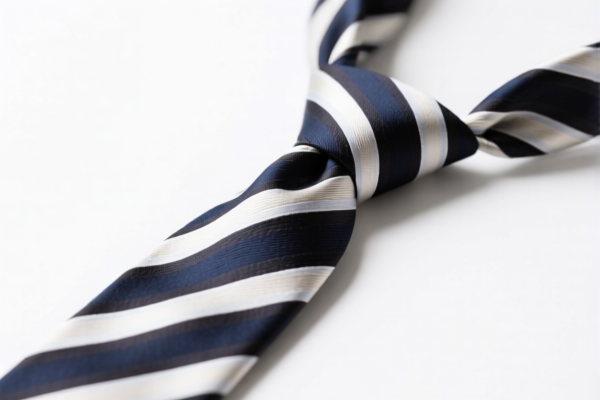
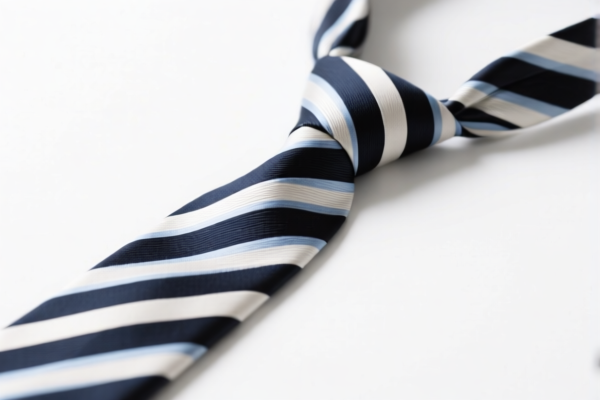
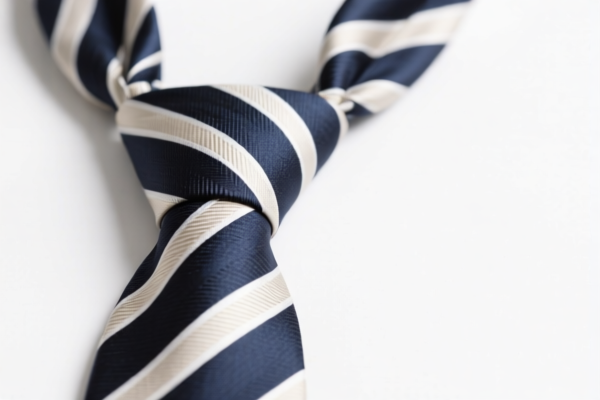
AI Analysis
🧒♂️ Children's Striped Fabric Briefs (Other Material)
🌐 HS Code Reference & Customs Clearance Guide | 2026 Latest Tariff Analysis | Professional Import Strategy
📌 One: Product Definition & Classification – What Exactly Are “Children’s Striped Fabric Briefs”?
Children’s briefs are intimate apparel designed for young boys, typically made from soft, breathable fabrics like cotton, polyester, or blends. When the fabric features stripes and is constructed from non-cotton materials (e.g., synthetic fibers, rayon, or mixed fibers), the classification becomes critical — especially under U.S. customs rules.
⚠️ Key Distinction:
- If the material is 100% cotton → likely under 6107.11.00.10
- If the material is synthetic or blended (e.g., polyester, rayon, elastane) → may fall under 6114.20.00.20 or 6114.30.20.10, depending on style and construction.
📦 Two: HS Code Classification Details (2026 Official Tariff Comparison)
| HS Code | Product Description | Style & Material Match | Includes Elastic? | Tax Rate |
|---|---|---|---|---|
6114.20.00.20 |
Children’s striped fabric briefs, knitted or crocheted, made of cotton or man-made fibers | ✅ Matches: Striped, cotton or synthetic blend | ❌ No elastic fiber (e.g., no spandex) | 28.3% |
6114.30.20.10 |
Children’s striped fabric briefs, one-piece or body-hugging styles (e.g., bodysuits, leggings), containing elastic fibers (e.g., spandex, elastane) | ✅ Matches: Striped, stretchy, form-fitting | ✅ Yes – contains elastic fiber | 49.5% |
6107.11.00.10 |
Children’s briefs, cotton or similar fiber, no elastic, non-knitted | ✅ Matches: Cotton-based, striped, simple briefs | ❌ No elastic | 17.4% |
6107.12.00.10 |
Children’s briefs, non-cotton fibers (e.g., polyester, rayon), non-knitted, striped fabric | ✅ Matches: Striped, non-knitted, synthetic fabric | ❌ No elastic | 32.4% |
🔍 Critical Note:
- Knitted vs. Non-Knitted determines whether it falls under 6114 (knitwear) or 6107 (non-knit). - Presence of elastic fibers (like spandex) triggers higher tariff under 6114.30.20.10. - Stripes alone do not change classification — it's the material, construction, and elasticity that matter.
💰 Three: 2026 Latest Tariff Breakdown (Including附加 Taxes & Policy Rules)
✅ Applicable Country: United States (US)
✅ Origin: China (CN)
✅ Effective Date: November 10, 2025 (and ongoing)
🎯 1. 6114.20.00.20 — Children’s Striped Briefs, Knit, Cotton or Man-Made Fiber Blend
| Item | Detail |
|---|---|
| Base Duty | 10.8% |
| Section 301 (USITC) Additional Tariff | +7.5% |
| Section 122 (IEEPA) Additional Tariff | +10% |
| Total Effective Duty | 28.3% |
| Tax Calculation | CIF Value × 28.3% |
| De Minimis Exemption | ❌ Not applicable (denied) |
| Legal Basis Path | IEEPA:9903.01.24 → USITC:6114.20.00.20 → FOOTNOTE:9903.88.01 |
📌 Explanation:
- This code applies to knitted or crocheted children’s briefs made from cotton or synthetic blends with stripes. - Even if the fabric is 50% polyester + 50% cotton, as long as it’s knitted, this code applies. - No elastic is allowed — if present, it shifts to 6114.30.20.10.
🎯 2. 6114.30.20.10 — Children’s Striped Briefs, One-Piece or Stretchy, with Elastane/Spandex
| Item | Detail |
|---|---|
| Base Duty | 32.0% |
| Section 301 (USITC) Additional Tariff | +7.5% |
| Section 122 (IEEPA) Additional Tariff | +10% |
| Total Effective Duty | 49.5% |
| Tax Calculation | CIF Value × 49.5% |
| De Minimis Exemption | ❌ Not applicable |
| Legal Basis Path | IEEPA:9903.01.24 → USITC:6114.30.20.10 → FOOTNOTE:9903.88.01 |
📌 Explanation:
- Applies to stretchy, form-fitting styles like bodysuits, leggings, or tight briefs with elastane/spandex. - Even 1% spandex qualifies — the presence of elastic fiber is enough to trigger this high rate. - Striped fabric is irrelevant — the construction and stretch define the code.
🎯 3. 6107.11.00.10 — Children’s Briefs, Cotton or Similar Fiber, Non-Knitted, No Elastic
| Item | Detail |
|---|---|
| Base Duty | 7.4% |
| Section 301 (USITC) Additional Tariff | +0.0% (No extra tariff) |
| Section 122 (IEEPA) Additional Tariff | +10% |
| Total Effective Duty | 17.4% |
| Tax Calculation | CIF Value × 17.4% |
| De Minimis Exemption | ✅ Yes (if value ≤ $800) |
| Legal Basis Path | IEEPA:9903.01.24 → 6107.11.00.10 → FOOTNOTE:9903.88.01 |
📌 Explanation:
- Only applies if the fabric is non-knitted, 100% cotton, and no elastic fibers. - Striped cotton briefs made from woven cotton fabric qualify. - Lowest tariff in the list — but only if the material and construction match exactly.
🎯 4. 6107.12.00.10 — Children’s Briefs, Non-Cotton, Non-Knitted, Striped Fabric
| Item | Detail |
|---|---|
| Base Duty | 14.9% |
| Section 301 (USITC) Additional Tariff | +7.5% |
| Section 122 (IEEPA) Additional Tariff | +10% |
| Total Effective Duty | 32.4% |
| Tax Calculation | CIF Value × 32.4% |
| De Minimis Exemption | ❌ Not applicable |
| Legal Basis Path | IEEPA:9903.01.24 → 6107.12.00.10 → FOOTNOTE:9903.88.01 |
📌 Explanation:
- Applies to non-knitted, non-cotton briefs (e.g., polyester, rayon, viscose) with stripes. - No elastic allowed — if elastic is present, it shifts to 6114.30.20.10. - Higher than cotton non-knit, but lower than stretchy knit.
🛠️ Four: Customs Clearance Best Practices (Pro Tips to Avoid Penalties)
✅ 1. Essential Documentation (Must-Have List)
| Document | Required? | Why It Matters |
|---|---|---|
| ✅ Product Specification Sheet | ✔️ | Shows material composition, weave type, elasticity |
| ✅ Fabric Test Report (e.g., ASTM/ISO) | ✔️ | Proves cotton vs. synthetic, presence of spandex |
| ✅ Product Photos (with label & stitching) | ✔️ | Confirms knitted vs. non-knitted, elastic use |
| ✅ Commercial Invoice | ✔️ | Must state: “Children’s Striped Fabric Briefs, Non-Knitted, 100% Cotton” |
| ✅ Certificate of Origin (CO) | ✔️ | Needed for tariff eligibility (e.g., China vs. Vietnam) |
| ✅ Packing List | ✔️ | Shows units per box, total weight, and style variation |
| ✅ Sample Swatch (if requested) | ✔️ | For customs inspection |
✅ 2.申报技巧(Key Rules to Remember)
🔥 “Knit? → 6114. | Elastic? → 6114.30. | Cotton? → 6107.11. | Non-Cotton? → 6107.12.”
| Scenario | Correct HS Code | Wrong Code | Risk |
|---|---|---|---|
| Striped cotton briefs, woven, no stretch | 6107.11.00.10 |
6114.20.00.20 |
Higher tax, possible penalties |
| Striped polyester briefs, knitted, no spandex | 6114.20.00.20 |
6107.12.00.10 |
Tax jump from 28.3% to 32.4% |
| Striped briefs with 2% spandex | 6114.30.20.10 |
6114.20.00.20 |
Tax jump from 28.3% to 49.5% |
| Stretchy one-piece with stripes | 6114.30.20.10 |
6107.12.00.10 |
Massive tax overpayment risk |
✅ 3. Special Cases & Solutions
| Situation | Recommended Action |
|---|---|
| Mixed styles in one shipment | Split by HS Code — don’t mix knitted and non-knitted |
| Briefs with 0.5% spandex | Still classified as 6114.30.20.10 — even trace amounts count |
| Custom designs (e.g., branded stripes) | Include brand name + design details in invoice |
| Importing from Vietnam/Mexico | Can apply for IEEPA exemption — 0% tariff if origin is not China |
| Samples for testing | Declare as “sample” — may qualify for de minimis under $800 |
🌍 Five: Global Customs Comparison (2026)
| Country | Recommended HS Code | Tariff | Certification | Notes |
|---|---|---|---|---|
| 🇺🇸 USA | 6114.20.00.20 / 6114.30.20.10 |
28.3% – 49.5% | FCC, CPSC, CPSIA | High附加 taxes apply |
| 🇨🇳 China | 6114.20.00.20 |
5% | CCC | No additional tariffs |
| 🇪🇺 EU | 6114.20.00.20 |
0% (if CE) | CE, REACH | No IEEPA/USITC taxes |
| 🇦🇺 Australia | 6114.20.00.20 |
5% | RCM | No extra tariffs |
| 🇯🇵 Japan | 6114.20.00.20 |
0% | PSE | No附加 taxes |
📌 Takeaway:
- The U.S. is the only market with high附加 tariffs on children’s apparel from China. - Vietnam, Mexico, and Thailand are tariff-friendly alternatives for export.
📌 Six: Common Mistakes & How to Avoid Them (Avoid Costly Errors!)
❌ Mistake 1: Labeling “cotton briefs” but fabric is 60% polyester
👉 Result: Wrong HS Code → Higher tax + penalties
❌ Mistake 2: Assuming “stripes” change the HS Code
👉 Result: Misclassification — tariff mismatch
❌ Mistake 3: Not declaring elastic fiber (even 1%)
👉 Result: 49.5% tax instead of 28.3% — overpaying by 21%
❌ Mistake 4: Mixing knitted and non-knitted styles in one shipment
👉 Result: Customs delay, reclassification, fines
✅ Best Practice:
Use clear product labeling, test fabric composition, and declare with precision.
🎯 Seven: Final Verdict – Precision Saves Money!
🎯 Remember the Golden Rule:
🔹 “Knit? → 6114. | Elastic? → 6114.30. | Cotton? → 6107.11. | Non-Cotton? → 6107.12.”
🔹 “One wrong fiber or stitch — and your tax jumps by 20%!”
📌 Pro Tip:
📞 Apply for a Pre-Clearance Ruling (Advance Ruling) from U.S. Customs before shipment.
🚀 Get your HS Code confirmed in writing — avoid disputes, delays, and overpayment.
📣 Act Now!
📦 Ship smarter.
💰 Pay less.
🛃 Clear faster.
✨ Your product’s success starts with the right HS Code.
💼 Don’t let a misclassification sink your profit!
Customer Reviews
About HS Code Classification
The Harmonized System (HS) is an internationally standardized nomenclature developed by the World Customs Organization (WCO) to classify traded products. Over 200 countries use the HS system as the basis for customs tariffs, trade statistics, and import/export regulations.
Each HS code follows a hierarchical structure:
- Chapter (2 digits) — Broad category of goods (e.g., Chapter 84: Machinery and Mechanical Appliances)
- Heading (4 digits) — More specific grouping within the chapter
- Subheading (6 digits) — Internationally standardized breakdown, used by all WCO member countries
- National subdivisions (8-10 digits) — Country-specific extensions for further classification, such as US HTSUS 10-digit codes
Correct HS code classification is essential for smooth customs clearance, accurate duty payment, and compliance with trade regulations. Misclassification can lead to customs delays, overpayment of duties, or penalties.
When importing from CN to US, the applicable tariff rates may include:
- Most-Favored-Nation (MFN) rate — The standard duty rate applied to WTO members
- General rate — Applied to countries without trade agreements
- Trade remedy duties — Additional tariffs such as Section 301 (anti-dumping), Section 232 (national security), or countervailing duties
The information provided on this page is for reference purposes only. For official classification, please consult with your local customs authority or a licensed customs broker.