Children's Other Material Sports Bra
CN → US| HS Code | Tariff Rate | Origin | Destination | Doc |
|---|---|---|---|---|
| 6209909000 | 20.3% | CN | US | Official Doc |
| 6111905070 | 24.9% | CN | US | Official Doc |
| 6107199000 | 23.1% | CN | US | Official Doc |
| 6107120020 | 32.4% | CN | US | Official Doc |
| 6209902000 | 32.4% | CN | US | Official Doc |
Product Images
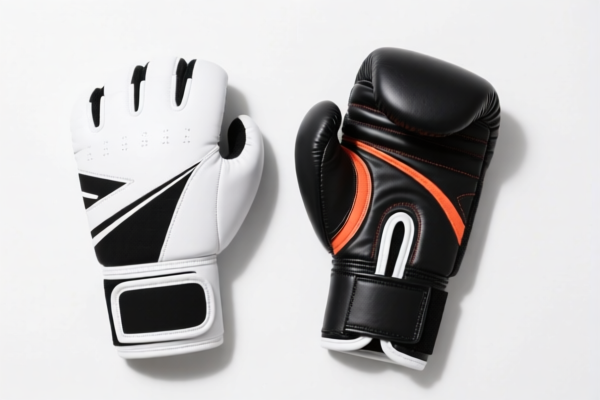
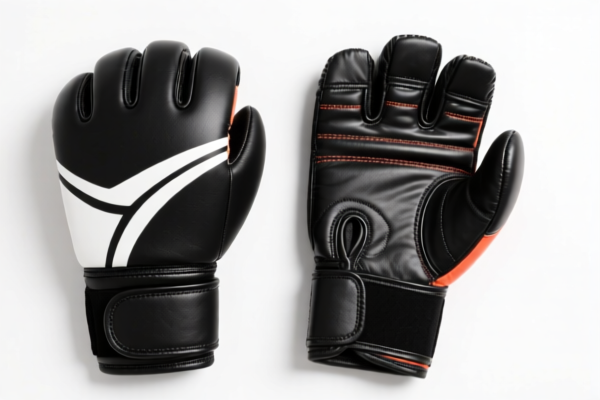
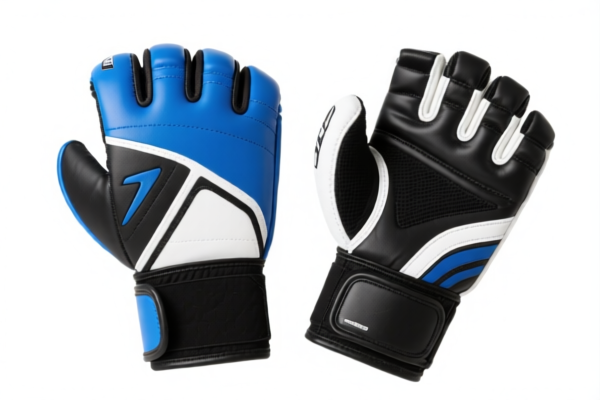
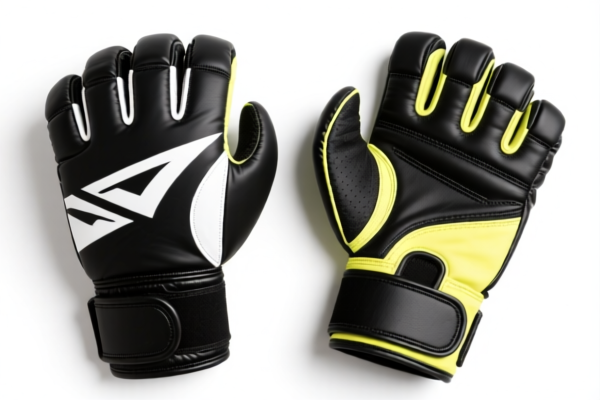
AI Analysis
🧒👙 Children's Other Material Sports Bra (Child's Sportswear/Underwear)
🌐 HS Code Reference & Customs Clearance Guide | 2026 Latest Tariff Analysis | Professional Clearance Strategy
📌 Part I: Product Definition & Classification: Do You Truly Understand "Children's Other Material Sports Bra"?
A "Children's Other Material Sports Bra" is a specialized garment designed for young girls/women, serving the dual purpose of support (underwear/brassiere function) and physical activity (sportswear). In international trade, its classification is notoriously tricky because it straddles the line between knitted vs. woven fabrics and underwear vs. outerwear/sportswear.
The provided data reveals five potential HS Codes, ranging from a low 20.3% to a high 32.4%. The correct classification depends heavily on: 1. Fabric Construction: Knitted (Chapter 61) vs. Woven (Chapter 62). 2. Primary Function: Is it primarily an undergarment (bra/panty) or outer sportswear? 3. Age Group: Specifically categorized as "Infant/Child" (Heading 6209) vs. General Child/General Woven (Heading 61xx).
⚠️ Key Distinction Point:
- If the item is knitted and classified as underwear/brassiere, it likely falls under 6107 or 6111.
- If the item is woven and classified as children's clothing, it falls under 6209.
- Misclassification Risk: Declaring a woven bra as knitted underwear (or vice versa) triggers immediate audit flags and potential penalties.
📦 Part II: HS Code Classification Details (2026 Latest Tariff Authority Reference)
Based on the provided data, here are the five specific HS Codes applicable to "Children's Other Material Sports Bra," along with their logical justification and tax implications.
| HS Code | Product Description | Logic for Classification | Total Tax Rate |
|---|---|---|---|
| 6209.90.90.00 | Children's Other Material Sport Underwear, classified as Children's Underwear, material is other textile materials | Woven Fabric + Children's Category + Underwear Function. "Other materials" implies synthetics/blends not specified elsewhere in 6209. | 20.3% |
| 6111.90.50.70 | Children's Other Material Sport Underwear, form is Clothing, material is non-cotton artificial fibers or other textile materials | Knitted Fabric (Ch 61) + Other Materials (Artificial Fibers/Other). Classified as general children's clothing under Ch 61 rather than specific underwear heading. | 24.9% |
| 6107.19.90.00 | Children's Other Material Sport Underwear, use is Sport Underwear, material is other textile materials | Knitted Fabric + Underwear/Brassiere (Heading 6107). Specifically identifies the item as "Sport Underwear" rather than generic clothing. | 23.1% |
| 6107.12.00.20 | Children's Other Material Sport Underwear, use is Children's Underwear, material logically fits textile materials | Knitted Fabric + Specific Underwear Code. The logic here assumes a more specific subheading for children's knitted underwear, potentially with stricter material definitions. | 32.4% |
| 6209.90.20.00 | Children's Other Material Sport Underwear, use is Infant/Child Clothing, material inferred as textile materials | Woven Fabric + Infant/Child Clothing. Focuses on the age group and general clothing classification rather than the "underwear" function. | 32.4% |
🔍 Key Insight:
- Cheapest Option: 6209.90.90.00 (20.3%) is the most favorable if the item is Woven.
- Most Expensive Options: 6107.12.00.20 and 6209.90.20.00 (32.4%) carry the highest burden.
- The "Knitted vs. Woven" Pivot: The difference between 20.3% (Woven) and 23.1% (Knitted) seems small, but the risk profile is different. Knitted underwear (Ch 61) is often scrutinized more heavily for "underwear" definitions.
💰 Part III: 2026 Latest Tariff Rate Breakdown (Including Additional Duties & Policy Surcharges)
✅ Applicable Country: United States (US)
✅ Origin: China (CN)
✅ Effective Time: 2025/2026 (Current Trade Environment)
🎯 1. 6209.90.90.00 — Children's Woven Underwear (Other Materials)
The Recommended Low-Rate Option
| Item | Detail |
|---|---|
| Base Tariff | 2.8% (Ad Valorem) |
| Section 301 Surcharge | +7.5% |
| Section 122 Surcharge | +10% |
| Total Tax Rate | 20.3% |
| Tax Calculation | CIF Value × 20.3% |
| De Minimis Eligibility | ❌ No (Cannot use Section 321 de minimis for commercial shipments > $800 if misclassified, but generally B2C air freight < $800 may apply; however, this guide assumes formal entry or higher value). |
| Legal Basis | USITC:6209.90.90.00 → FOOTNOTE:301 (7.5%) → FOOTNOTE:122 (10%) |
📌 Explanation:
- Base 2.8%: Standard Most Favored Nation (MFN) rate for other woven children's textiles.
- 7.5% Section 301: Standard additional tariff for many Chinese textile imports.
- 10% Section 122: Specific surcharge often applied to certain apparel categories.
- Why it's cheapest: The base rate is exceptionally low compared to other options.
🎯 2. 6111.90.50.70 — Children's Knitted Clothing (Other Materials)
| Item | Detail |
|---|---|
| Base Tariff | 14.9% |
| Section 301 Surcharge | 0.0% |
| Section 122 Surcharge | +10% |
| Total Tax Rate | 24.9% |
| Tax Calculation | CIF Value × 24.9% |
| De Minimis Eligibility | ❌ No |
| Legal Basis | USITC:6111.90.50.70 → FOOTNOTE:122 (10%) |
📌 Note:
- Higher Base Rate: 14.9% is significantly higher than the 2.8% for woven options.
- 0% Section 301: Interestingly, this specific knitted code may have a 0% Section 301 rate (verify current USITC lists), but the high base rate makes it less competitive than 6209.90.90.00.
🎯 3. 6107.19.90.00 — Children's Knitted Underwear/Sport Bras (Other Materials)
| Item | Detail |
|---|---|
| Base Tariff | 5.6% |
| Section 301 Surcharge | +7.5% |
| Section 122 Surcharge | +10% |
| Total Tax Rate | 23.1% |
| Tax Calculation | CIF Value × 23.1% |
| De Minimis Eligibility | ❌ No |
| Legal Basis | USITC:6107.19.90.00 → FOOTNOTE:301 (7.5%) → FOOTNOTE:122 (10%) |
📌 Explanation:
- Best Knitted Option: If the garment is Knitted, this is the most cost-effective code (23.1% vs 32.4%).
- Base 5.6%: Reasonable base for knitted underwear.
- Key Risk: Must prove it is "Underwear" (brassiere function). If customs deems it "Sportswear Outerwear," it might be reclassified to a higher code.
🎯 4. 6107.12.00.20 — Children's Knitted Underwear (Specific Subheading)
| Item | Detail |
|---|---|
| Base Tariff | 14.9% |
| Section 301 Surcharge | +7.5% |
| Section 122 Surcharge | +10% |
| Total Tax Rate | 32.4% |
| Tax Calculation | CIF Value × 32.4% |
| De Minimis Eligibility | ❌ No |
| Legal Basis | USITC:6107.12.00.20 → FOOTNOTE:301 (7.5%) → FOOTNOTE:122 (10%) |
📌 Warning:
- Highest Risk Code: This code has the highest base rate (14.9%) among knitted items.
- Why avoid? Unless specifically required by customs for a particular material type (e.g., cotton vs. synthetic distinction within knitted underwear), this is the most expensive knitted option.
🎯 5. 6209.90.20.00 — Children's Woven Clothing (Infant/Child)
| Item | Detail |
|---|---|
| Base Tariff | 14.9% |
| Section 301 Surcharge | +7.5% |
| Section 122 Surcharge | +10% |
| Total Tax Rate | 32.4% |
| Tax Calculation | CIF Value × 32.4% |
| De Minimis Eligibility | ❌ No |
| Legal Basis | USITC:6209.90.20.00 → FOOTNOTE:301 (7.5%) → FOOTNOTE:122 (10%) |
📌 Warning:
- Avoid if possible: If the item is Woven, do NOT use this code unless strictly necessary. The base rate is 14.9%, leading to a 32.4% total.
- Comparison: Using6209.90.90.00instead saves 12.1% on the total value. This is a massive difference in cost.
🛠️ Part IV: Customs Clearance Practical Advice (Pitfall Avoidance Guide)
✅ 1. Preparation Checklist (Mandatory)
| Document | Required | Explanation |
|---|---|---|
| ✅ Product Specifications | ✔️ | Must state: Fabric Composition (e.g., 95% Polyester, 5% Spandex), Construction (Knitted/Woven), Intended Use (Sports/Underwear). |
| ✅ Product Photos | ✔️ | Front, back, inside label (fiber content), and packaging. Must show it looks like a "Bra" or "Sport Top." |
| ✅ Commercial Invoice | ✔️ | Description must be precise: "Women's Knitted Sports Bra, Polyester/Spandex, For Children." Avoid vague terms like "Clothing." |
| ✅ Bill of Lading/Air Waybill | ✔️ | Match HS Code and description. |
| ✅ Labeling | ✔️ | US Law requires permanent care labels with fiber content and country of origin. |
✅ 2. Declaration Strategy (Key Mantra)
🔥 "Woven = Underwear (20.3%), Knitted = Sport Bra (23.1%), Avoid High Base Rates!"
| Scenario | Correct Declaration | Incorrect Declaration | Consequence |
|---|---|---|---|
| Item is Woven Fabric | 6209.90.90.00 |
6209.90.20.00 |
Overpay 12.1% (32.4% vs 20.3%) |
| Item is Knitted Fabric | 6107.19.90.00 |
6107.12.00.20 |
Overpay 9.3% (32.4% vs 23.1%) |
| Item is Knitted | 6107.19.90.00 |
6111.90.50.70 |
Overpay 1.8% (24.9% vs 23.1%) - Minor but accumulates. |
| Vague Description | "Children's Knitted Sports Bra" | "Children's Clothing" | Customs may assign default rate (often 25%+) or flag for audit. |
✅ 3. Special Circumstances Handling
| Situation | Handling Suggestion |
|---|---|
| Mixed Fabric | If the bra has woven panels but knitted straps, the principal material/function determines the code. Usually, the main body dictates the chapter. |
| Seasonal Sportswear | If marketed as "Swimwear" or "Active Wear Outerwear," customs might reclassify to Ch 61/62 Outerwear codes, which could have different tax rates. Ensure the description emphasizes "Underwear/Bra" if you want to use 6107/6209 Underwear codes. |
| Material Composition | "Other Materials" means not cotton or wool. If the item contains >50% Cotton, it might fall under different subheadings (e.g., 6107.12.00.10 for cotton). Ensure your composition matches the "Other" definition. |
| De Minimis (Section 321) | For B2C shipments under $800 per day per person: |
| > - Good News: Many HS codes are eligible for duty-free entry under Section 321. | |
| > - Bad News: Recent policy changes may restrict certain textile/apparel categories from de minimis. Verify current US CBP guidance for Chapter 61/62 under Section 321. If eligible, you pay $0 tax, regardless of the HS code's standard rate. |
🌍 Part V: Global Market Customs Comparison (2026 Latest)
| Country/Region | Recommended HS Code | Est. Tariff (China Origin) | Certification | Notes |
|---|---|---|---|---|
| 🇺🇸 USA | 6209.90.90.00 (Woven) |
20.3% | Labeling (Care/Origin) | Lowest Risk/Cost. Verify Section 321 eligibility for small parcels. |
| 🇺🇸 USA | 6107.19.90.00 (Knitted) |
23.1% | Labeling (Care/Origin) | Best for Knitted. |
| 🇨🇳 China | 6209.90.90.00 |
~5-10% | CCC (if applicable) | Import duties are lower, but focus on domestic compliance. |
| 🇪🇺 EU | 6209.90 / 6107.19 |
~12-16.5% | CE (if children's toy/accessory rules apply), REACH | EU VAT applies (19-27%). Textile quotas do not apply. |
| 🇬🇧 UK | 6209.90 / 6107.19 |
~12-16.5% | UKCA | Post-Brexit rules apply. |
📌 Conclusion:
- USA is the primary focus due to the complex 301/122 surcharge structure.
- The biggest saving opportunity is choosing 6209.90.90.00 (Woven Underwear) over 6209.90.20.00.
- Always check Section 321 (De Minimis) for B2C e-commerce. If eligible, the tax rate drops to 0%, making the HS code selection less critical for duty costs (though still critical for compliance).
📌 Part VI: Common Mistakes & Pitfall Guide (Lessons Learned)
❌ Mistake 1: Using 6209.90.20.00 (32.4%) when 6209.90.90.00 (20.3%) is applicable.
👉 Consequence: Overpayment of 12.1% on CIF value. For a $10,000 shipment, that's $1,210 wasted.
❌ Mistake 2: Declaring a Knitted Bra as Woven to get the 2.8% base rate.
👉 Consequence: Customs will inspect the fabric. If found knitted, they will reclassify to 6107.19.90.00 (23.1%). You face penalties, interest, and delay.
❌ Mistake 3: Vague description "Children's Clothing."
👉 Consequence: Customs may apply the highest possible rate in the chapter or trigger an manual review, delaying clearance by weeks.
❌ Mistake 4: Ignoring Section 122.
👉 Consequence: Many textile imports now have a 10% surcharge. Failing to account for it in your landed cost calculation leads to profit margin erosion.
✅ Correct Approach:
"Children's Knitted Sports Bra, 95% Polyester/5% Spandex, Bra Style, For Ages 5-12, Country of Origin: China"
🎯 Part VII: Conclusion: Professional Declaration, Time-Saving, Cost-Reducing!
🎯 Remember the Mantra:
🔹 "Woven Underwear = 20.3% (Best) | Knitted Bra = 23.1% (Good) | Avoid 32.4%!"
🔹 "HS Code Determines Destiny, Tax Difference is Huge, Declaration Must Be Precise!"
📌 Pro Tip:
If you are shipping via B2C e-commerce (under $800), verify if Section 321 De Minimis applies to your specific HS Code. If it does, you may pay $0 in duties, saving you significant costs regardless of the code's standard rate. However, ensure your commercial invoice is perfect to avoid holds.
📣 Immediate Action:
📞 Contact your Customs Broker: Provide product photos + fabric composition + request Advance Ruling if shipping large volumes.
🚀 Optimize Landed Cost: Use6209.90.90.00for woven items to save 12%+.
✨ Professional Clearance Starts with Accurate Classification!
💼 Every dollar saved in duty is pure profit!
Customer Reviews
About HS Code Classification
The Harmonized System (HS) is an internationally standardized nomenclature developed by the World Customs Organization (WCO) to classify traded products. Over 200 countries use the HS system as the basis for customs tariffs, trade statistics, and import/export regulations.
Each HS code follows a hierarchical structure:
- Chapter (2 digits) — Broad category of goods (e.g., Chapter 84: Machinery and Mechanical Appliances)
- Heading (4 digits) — More specific grouping within the chapter
- Subheading (6 digits) — Internationally standardized breakdown, used by all WCO member countries
- National subdivisions (8-10 digits) — Country-specific extensions for further classification, such as US HTSUS 10-digit codes
Correct HS code classification is essential for smooth customs clearance, accurate duty payment, and compliance with trade regulations. Misclassification can lead to customs delays, overpayment of duties, or penalties.
When importing from CN to US, the applicable tariff rates may include:
- Most-Favored-Nation (MFN) rate — The standard duty rate applied to WTO members
- General rate — Applied to countries without trade agreements
- Trade remedy duties — Additional tariffs such as Section 301 (anti-dumping), Section 232 (national security), or countervailing duties
The information provided on this page is for reference purposes only. For official classification, please consult with your local customs authority or a licensed customs broker.