Children's Reflective Vest
CN → US| HS Code | Tariff Rate | Origin | Destination | Doc |
|---|---|---|---|---|
| 6217909095 | 32.1% | CN | US | Official Doc |
| 6117809570 | 32.1% | CN | US | Official Doc |
| 3926909989 | 22.8% | CN | US | Official Doc |
| 6217909045 | 32.1% | CN | US | Official Doc |
| 6117809510 | 32.1% | CN | US | Official Doc |
Product Images
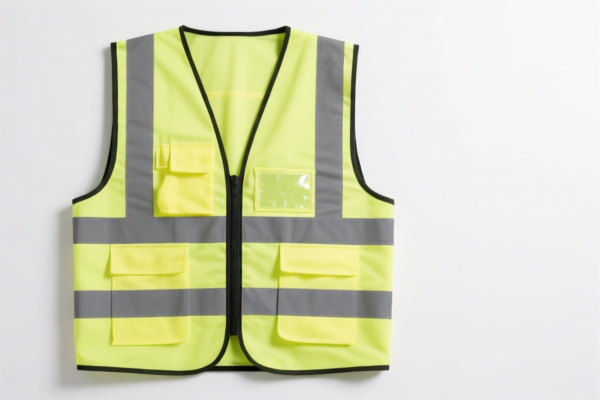
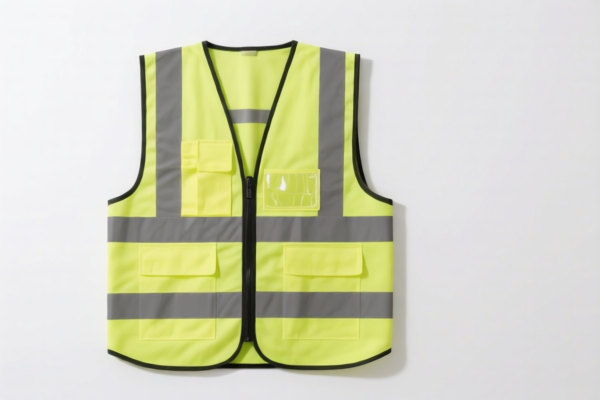
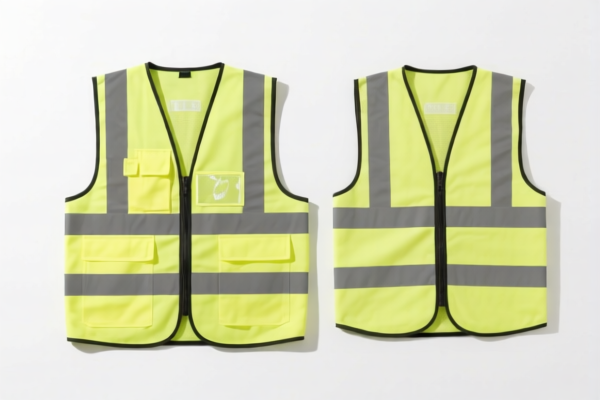

AI Analysis
👕 Children's Reflective Vest (Child Safety Apparel)
🌐 HS Code Reference & Customs Clearance Guide | 2026 Latest Tariff Analysis | Professional Level Clearance Strategy
📌 I. Product Definition and Classification: What exactly is a "Children's Reflective Vest"?
A children's reflective vest is a specialized safety garment designed to enhance the visibility of children in low-light conditions, traffic zones, or industrial perimeters. In international trade, it is often debated whether it falls under finished garments or accessories/parts of garments. The classification hinges on its material composition and manufacturing method (knitted vs. woven).
⚠️ Key Distinction Point:
- If made of woven fabric (e.g., polyester woven) and treated as a general apparel accessory/panel → Chapter 62.
- If made of knitted/fabric (e.g., knitted polyester/nylon mesh) and treated as a general apparel accessory → Chapter 61.
- Note: All identified HS codes below carry a Total Tax Rate of 32.1% due to additional US tariffs.
📦 II. HS Code Classification Details (2026 Latest Tariff Authority Comparison)
| HS Code | Product Description | Applicable Scenario | Material/Structure |
|---|---|---|---|
6217.90.90.45 |
Other made-up clothing accessories/parts; classified as woven garment auxiliary materials | Woven synthetic fiber vests, non-elastic, simple construction | Woven Synthetic Fiber |
6117.80.95.10 |
Other made-up clothing accessories/knitted or crocheted; fallback category for general accessories | Knitted vest, mesh material, general use | Knitted Synthetic Fiber |
6117.80.95.40 |
Other made-up clothing accessories; specifically for man-made fibers (e.g., Polyester, Nylon) | Knitted vest made of Polyester (Polyester Mesh) | Man-made Fiber (Knitted) |
6217.90.90.95 |
Other made-up clothing accessories/parts; classified as formed garment auxiliary materials/parts | Woven vest, Polyester fiber or other synthetic fiber | Woven Synthetic Fiber |
🔍 Key Reminder:
- Knitted (Chapter 61) vs. Woven (Chapter 62) is the primary differentiator.
- If the vest is a simple strip of fabric with reflective tape sewn into a vest shape, it may be classified as an "accessory/part" rather than a full garment, leading to the6117or6217headings.
- Do not classify as a full jacket (6101/6201) unless it is a fully structured garment with sleeves and complex closure, which is rare for basic safety vests.
💰 III. 2026 Latest Tariff Rate Breakdown (Including Additional Taxes, Policy Surcharges)
✅ Applicable Country: United States (US)
✅ Origin: China (CN)
✅ Effective Time: Current regulations apply to imports from China.
✅ Total Tax Rate: 32.1% for all listed HS Codes.
🎯 1. 6217.90.90.45 & 6217.90.90.95 —— Woven Garment Accessories/Parts
| Item | Details |
|---|---|
| Base Tariff | 14.6% (Ad Valorem) |
| Section 301 Tariff (Add-on) | 7.5% |
| Section 122 Tariff | 10% |
| Total Tax Rate | 32.1% |
| Tax Calculation | CIF Value × 32.1% |
| De Minimis Exemption | ❌ Not Eligible (High tariff rate triggers scrutiny; de minimis usually applies to lower rates or specific exemptions, but high duties complicate entry). |
| Legal Basis Path | HTSUS:6217.90.90.45/95 → Section 301: 7.5% → Section 122: 10% |
📌 Explanation:
- "Base Tariff 14.6%": Standard US Most Favored Nation (MFN) rate for other made-up clothing accessories in Chapter 62.
- "Section 301 Tariff 7.5%": Additional duty imposed on Chinese goods under the Trade Act of 1974, Section 301.
- "Section 122 Tariff 10%": Additional duty under Section 122 of the Trade Act of 1974 (if applicable to specific textile imports or emergency measures).
- Total 32.1%: This is a high-cost scenario for importers. Profit margins must account for this significant tax burden.
🎯 2. 6117.80.95.10 & 6117.80.95.40 —— Knitted Garment Accessories
| Item | Details |
|---|---|
| Base Tariff | 14.6% (Ad Valorem) |
| Section 301 Tariff (Add-on) | 7.5% |
| Section 122 Tariff | 10% |
| Total Tax Rate | 32.1% |
| Tax Calculation | CIF Value × 32.1% |
| De Minimis Exemption | ❌ Not Eligible |
| Legal Basis Path | HTSUS:6117.80.95.10/40 → Section 301: 7.5% → Section 122: 10% |
📌 Explanation:
- Similar to the woven category, the base rate for knitted accessories (6117.80) is also 14.6%.
- Material Specifics:
-6117.80.95.40specifies Man-made Fibers (e.g., Polyester/Nylon).
-6117.80.95.10is a fallback category for other knitted accessories.
- Total 32.1%: Identical tax burden as the woven version. The choice between61and62should be based on accurate fabric structure, not tax avoidance (since rates are identical here).
🛠️ IV. Customs Clearance Practical Advice (Battle-Tested Pitfall Avoidance Guide)
✅ 1. Required Documentation Checklist (All Must Be Provided)
| Document | Must Provide? | Description |
|---|---|---|
| ✅ Product Specification Sheet | ✔️ | Must state: Material (e.g., 100% Polyester Knitted), Weight, Size Range, Reflective Tape Width/Type. |
| ✅ Fabric Swatch/Photo | ✔️ | Crucial: To prove whether the fabric is Knitted (loops) or Woven (threads). Misclassification here leads to delays. |
| ✅ Commercial Invoice | ✔️ | Must clearly state: "Children's Reflective Safety Vest, Made of [Knitted/Woven] Polyester." |
| ✅ Packing List | ✔️ | Clear itemization. Do not mix with other products. |
| ✅ Test Report | ✔️ | Reflective performance test (ANSI/ISEA 107 compliance if applicable for US market). |
| ✅ Origin Certificate (CO) | ✔️ | Required for determining eligibility for any potential exemptions (though currently high for China). |
✅ 2. Declaration Tips (Key Mnemonic)
🔥 "Knitted is 61, Woven is 62. Material matters, Structure defines. 32.1% is the cost to survive!"
| Scenario | Correct Declaration | Incorrect Practice |
|---|---|---|
| Mesh Vest (Knitted) | 6117.80.95.40 |
Mistakenly declare as woven 6217 → Potential penalty. |
| Solid Fabric Vest (Woven) | 6217.90.90.45 or 90.95 |
Mistakenly declare as knitted → Potential penalty. |
| Vest with Sleeves/Jacket Style | Potentially 6101/6201 (Full Garment) |
Declaring as "Accessory" if it’s a full garment → Major Misclassification Risk. |
| Raw Reflective Tape Only | 5407/55 (Textiles) |
Declaring as "Vest" → Incorrect. |
⚠️ Critical Note: If the vest has sleeves, a full front opening with buttons/zippers, and a collar, it might be classified as a Jacket/Vest (Full Garment) under
6101/6203or6102/6202, not as an accessory (6117/6217). However, most simple safety vests for children are considered "accessories/parts" or "made-up garments" depending on complexity. Consult a customs broker to distinguish between "Garment" and "Accessory" for your specific design.
✅ 3. Special Situation Handling
| Situation | Handling Advice |
|---|---|
| OEM Custom Vests | Provide design drawings and material specs. Ensure the "Made-up" description is precise. |
| High-Visibility (ANSI Compliant) | Highlight ANSI compliance in the invoice. This may help in market acceptance but does not change HS Code. |
| Mixed Shipment | If shipping vests with other toys, declare separately. Toys may have different tariffs. |
| De Minimis (Section 321) | While $800 de minimis exists, high tariffs (32.1%) often trigger mandatory formal entry. Check with your broker if informal entry is still permissible for this specific HS code. |
🌍 V. Global Main Market Customs Comparison (2026 Latest)
| Country/Region | Recommended HS Code | Tariff Rate | Certification Requirements | Notes |
|---|---|---|---|---|
| 🇺🇸 USA | 6117.80.95.40 / 6217.90.90.45 |
32.1% | ANSI/ISEA 107 (Market Demand), CPSIA (Lead/Phthalates) | High Tariff due to Section 301 & 122. |
| 🇨🇳 China | 6117.80.90 / 6217.90.90 |
14-17% (approx) | CCC (if applicable) | Base rate applies, no Section 301/122. |
| 🇪🇺 EU | 6117.80 / 6217.90 |
4-12% (approx) | CE Mark, EN ISO 20471 | No Section 301/122 tariffs. |
| 🇬🇧 UK | 6117.80 / 6217.90 |
4-12% (approx) | UKCA Mark, EN ISO 20471 | Post-Brexit rules apply. |
| 🇨🇦 Canada | 6117.80 / 6217.90 |
0-12% (approx) | CCPS (Consumer Product Safety) | Can benefit from USMCA if produced in North America. |
📌 Conclusion:
- USA is the most expensive market for this product due to the 32.1% total tax.
- EU and UK have significantly lower tariffs (~4-12%) and different safety standards (EN ISO).
- Strategic Recommendation: If targeting the US, consider costing models that absorb the 32.1% duty or explore supply chain diversification (e.g., producing in Vietnam/Mexico if eligible for duty-free under USMCA/other FTAs, though Chinese-made goods remain subject to these tariffs).
📌 VI. Common Errors & Pitfall Guide (Blood-Ledger Lessons)
❌ Error 1: Classifying a Jacket-style Vest as an Accessory (6117/6217)
👉 Consequence: Customs reclassifies as a Garment (6101/6201), leading to different tariff rates and potential back-taxes/penalties.
👉 Solution: If it has sleeves and a full body structure, it's a garment. If it's a simple sleeveless shell, it's an accessory/part.
❌ Error 2: Ignoring Knitted vs. Woven distinction
👉 Consequence: If you declare Woven (6217) but the fabric is Knitted (6117), the HS Code is wrong.
👉 Solution: Always provide a fabric swatch and clear description ("Knitted Mesh" vs. "Woven Polyester").
❌ Error 3: Assuming De Minimis ($800) applies automatically
👉 Consequence: Packages subject to high tariffs (32.1%) may be rejected from informal entry and require formal customs entry with a licensed broker.
👉 Solution: Confirm with your freight forwarder if the specific HS code allows informal entry.
❌ Error 4: Missing CPSIA/Lead/Phthalate Compliance
👉 Consequence: US Customs and FDA may detain the shipment for safety violations, not just tariff issues.
👉 Solution: Ensure children's products comply with Consumer Product Safety Improvement Act (CPSIA).
✅ Correct Declaration Example:
"Children's Safety Vest, Knitted Polyester, Yellow, Reflective Tape, Size M, Model XYZ, CPSIA Compliant, Origin: China."
🎯 VII. Conclusion: Professional Declaration, Save Time, Reduce Costs!
🎯 Remember the Mnemonic:
🔹 "Knitted 61, Woven 62. Accessory vs Garment is key. 32.1% Tax is the reality. CPSIA for Kids is a must!"
🔹 "HS Code Defines Duty, Accuracy Saves Money, Wrong Code Means Trouble!"
📌 Pro Tip:
- If your product is shipped in bulk (not de minimis), hire a licensed US Customs Broker to file the entry.
- For small parcels under $800, verify if your carrier accepts the 32.1% tariff via their pre-paid duty system.
- Consider Duty Drawback programs if the goods are subsequently exported.
📣 Immediate Action:
📞 Contact a Customs Broker + Provide Fabric Swatch + Verify CPSIA Compliance
🚀 Ensure Smooth Clearance, Avoid Delays, Protect Your Margins!
✨ Professional Clearance Starts with Accurate Classification!
💼 Your Every Cent of Cost Deserves Precise Calculation!
Customer Reviews
About HS Code Classification
The Harmonized System (HS) is an internationally standardized nomenclature developed by the World Customs Organization (WCO) to classify traded products. Over 200 countries use the HS system as the basis for customs tariffs, trade statistics, and import/export regulations.
Each HS code follows a hierarchical structure:
- Chapter (2 digits) — Broad category of goods (e.g., Chapter 84: Machinery and Mechanical Appliances)
- Heading (4 digits) — More specific grouping within the chapter
- Subheading (6 digits) — Internationally standardized breakdown, used by all WCO member countries
- National subdivisions (8-10 digits) — Country-specific extensions for further classification, such as US HTSUS 10-digit codes
Correct HS code classification is essential for smooth customs clearance, accurate duty payment, and compliance with trade regulations. Misclassification can lead to customs delays, overpayment of duties, or penalties.
When importing from CN to US, the applicable tariff rates may include:
- Most-Favored-Nation (MFN) rate — The standard duty rate applied to WTO members
- General rate — Applied to countries without trade agreements
- Trade remedy duties — Additional tariffs such as Section 301 (anti-dumping), Section 232 (national security), or countervailing duties
The information provided on this page is for reference purposes only. For official classification, please consult with your local customs authority or a licensed customs broker.