Children's Ring
CN → US| HS Code | Tariff Rate | Origin | Destination | Doc |
|---|---|---|---|---|
| 7113195095 | 23.0% | CN | US | Official Doc |
| 3926904000 | 12.8% | CN | US | Official Doc |
| 7117196000 | 17.5% | CN | US | Official Doc |
| 7113115000 | 22.5% | CN | US | Official Doc |
| 3926400090 | 15.3% | CN | US | Official Doc |
Product Images
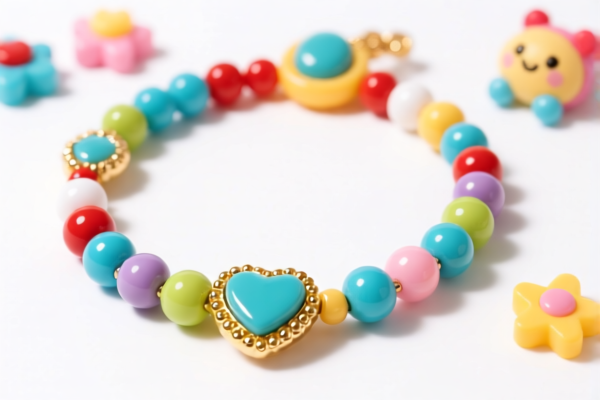
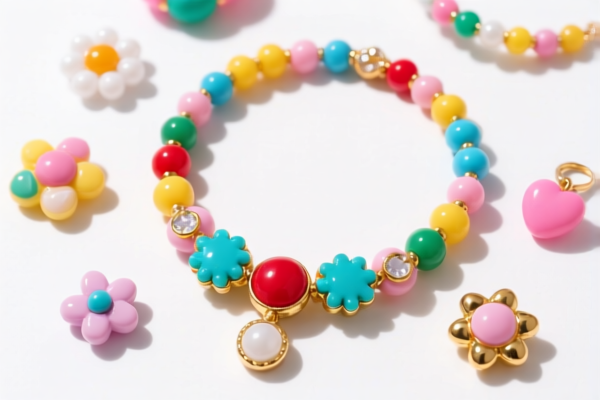
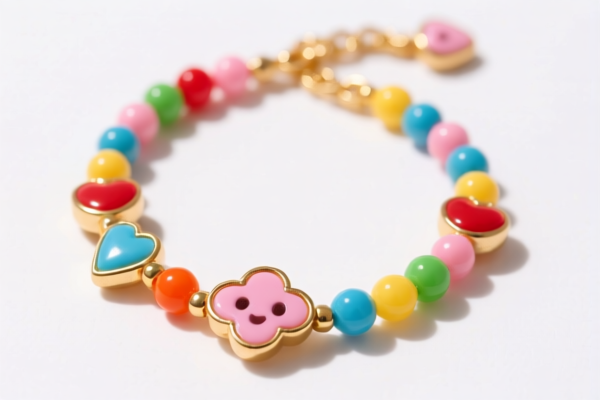
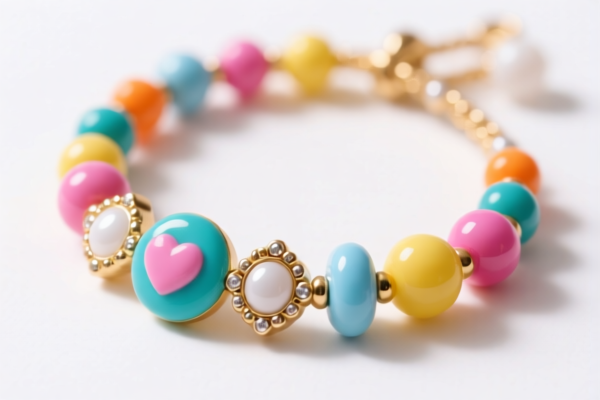
AI Analysis
💍 Children's Rings: HS Code Classification & Duty Breakdown (2026)
🌐 HS Code Reference & Customs Clearance Guide | 2026 Latest Tariff Analysis | Strategic Compliance Strategy
📌 I. Product Definition & Classification: What Exactly is a "Children's Ring"?
Children's rings are jewelry items designed for minors, typically characterized by smaller sizes, durable materials (to prevent breakage), and often safer designs (e.g., rounded edges). In international trade, they are not classified as a single entity. Instead, their classification depends strictly on the material composition and intended use.
⚠️ Key Distinction:
- Precious Metal Rings: Made of silver, gold, or plated precious metals → Classified under Chapter 71 (Jewelry).
- Plastic/Synthetic Rings: Made of plastic, resin, or base metals → Classified under Chapter 39 (Plastics) or Chapter 71 (Imitation Jewelry), depending on specific manufacturing.
- Toy Rings: Simple base metal/plastic rings intended primarily as toys → Classified under Chapter 71 (Costume Jewelry) or potentially Chapter 95 (Toys), but see data below for specific US imports.
📦 II. HS Code Classification Details (Based on Provided Data)
| HS Code | Product Description | Material | Category |
|---|---|---|---|
7113.11.50.00 |
Children's Ring, Silver or Precious Metal | Silver / Precious Metal | Jewelry |
3926.40.00.90 |
Children's Ring, Plastic/Synthetic | Plastic / Synthetic | Decorative Item |
7113.19.50.95 |
Children's Ring, Precious/Base Metal Clad | Plated Precious/Base Metal | Jewelry |
3926.90.40.00 |
Children's Ring, Plastic | Plastic | Artificial Gemstone Jewelry |
7117.19.60.00 |
Children's Ring, Base Metal/Plastic | Base Metal / Plastic | Toy Jewelry |
🔍 Key Insight:
- Plastic Rings can fall under 3926 (Plastic Articles) if deemed decorative.
- Metal Rings fall under 7113 (Jewelry of Precious Metal) or 7117 (Imitation Jewelry).
- The distinction between "Jewelry" and "Toy" is critical for duty rates.
💰 III. 2026 Latest Tariff Rate Breakdown (Detailed Tax Clause Analysis)
✅ Applicable Country: United States (US)
✅ Origin: China (CN)
✅ Effective Date: 2025-11-10 onwards (including subsequent imports)
🎯 1. 7113.11.50.00 – Children's Ring (Silver/Precious Metal)
| Item | Content |
|---|---|
| Base Duty Rate | 5.0% |
| Section 301 Add-on | 7.5% |
| Section 122 Clause | 10.0% |
| Total Duty Rate | 22.5% |
| Tax Calculation | CIF Value × 22.5% |
| Legal Basis | HTSUS 7113.11.50.00 + Section 301 Tariff List + Section 122 Clause |
📌 Explanation:
- This applies to rings made of silver or other precious metals.
- The Section 122 Clause (10%) is a specific additional duty often applied to certain jewelry imports from China.
- Total Cost Impact: High. Even though base duty is low (5%), the add-ons bring it to nearly 23%.
🎯 2. 3926.40.00.90 – Children's Ring (Plastic/Synthetic, Decorative)
| Item | Content |
|---|---|
| Base Duty Rate | 5.3% |
| Section 301 Add-on | 0.0% |
| Section 122 Clause | 10.0% |
| Total Duty Rate | 15.3% |
| Tax Calculation | CIF Value × 15.3% |
| Legal Basis | HTSUS 3926.40.00.90 + Section 122 Clause |
📌 Explanation:
- Applies to rings made of plastic or synthetic materials classified as "Decorative Items."
- No Section 301 tariff applies here, making it cheaper than precious metal rings.
- However, the Section 122 Clause still adds 10%.
- Note: If classified incorrectly as "Toy" under another code, the Section 301 rate might differ, but per the provided data, this is the specific plastic classification.
🎯 3. 7113.19.50.95 – Children's Ring (Precious/Base Metal Clad)
| Item | Content |
|---|---|
| Base Duty Rate | 5.5% |
| Section 301 Add-on | 7.5% |
| Section 122 Clause | 10.0% |
| Total Duty Rate | 23.0% |
| Tax Calculation | CIF Value × 23.0% |
| Legal Basis | HTSUS 7113.19.50.95 + Section 301 Tariff List + Section 122 Clause |
📌 Explanation:
- For rings where the core is a base metal but plated with precious metal (e.g., gold-plated silver).
- Highest Total Duty among the precious metal categories due to the 5.5% base rate.
- Similar to7113.11.50.00, but with a slightly higher base rate.
🎯 4. 3926.90.40.00 – Children's Ring (Plastic, Artificial Gemstone)
| Item | Content |
|---|---|
| Base Duty Rate | 2.8% |
| Section 301 Add-on | 0.0% |
| Section 122 Clause | 10.0% |
| Total Duty Rate | 12.8% |
| Tax Calculation | CIF Value × 12.8% |
| Legal Basis | HTSUS 3926.90.40.00 + Section 122 Clause |
📌 Explanation:
- Specifically for plastic rings that may include artificial gemstones or are categorized under "Other Plastic Articles."
- Lowest Total Duty Rate in the dataset.
- Ideal for cost-sensitive imports if the product fits this description (plastic, not "toy" classified).
🎯 5. 7117.19.60.00 – Children's Ring (Base Metal/Plastic, Toy Jewelry)
| Item | Content |
|---|---|
| Base Duty Rate | 0.0% |
| Section 301 Add-on | 7.5% |
| Section 122 Clause | 10.0% |
| Total Duty Rate | 17.5% |
| Tax Calculation | CIF Value × 17.5% |
| Legal Basis | HTSUS 7117.19.60.00 + Section 301 Tariff List + Section 122 Clause |
📌 Explanation:
- Classified as "Toy Jewelry" or "Imitation Jewelry."
- 0% Base Duty is attractive, but the Section 301 Add-on (7.5%) applies.
- Must be clearly marketed and designed as a toy or fashion accessory, not fine jewelry.
- Warning: Misclassification as "Toy" (Chapter 95) vs. "Imitation Jewelry" (Chapter 71) can lead to customs delays. Per the provided data, this HS Code is the correct one for this specific toy-jewelry hybrid.
🛠️ IV. Customs Clearance Practical Advice (Real-World Pitfall Avoidance)
✅ 1. Documentation Checklist (Non-Negotiable)
| Document | Required | Description |
|---|---|---|
| ✅ Product Specification Sheet | ✔️ | Must specify material (Silver, Plastic, Gold-Plated, etc.) |
| ✅ Composition Certificate | ✔️ | For metal rings, prove % of precious metal vs. base metal |
| ✅ Product Photos (Labeled) | ✔️ | Show size, markings (e.g., "925" for silver), and packaging |
| ✅ Commercial Invoice | ✔️ | Clearly state "Children's Ring" and material |
| ✅ Packing List | ✔️ | List contents per box |
| ✅ Safety Compliance (CPSIA) | ✔️ | Critical for US: Children's products must comply with CPSIA for lead/phthalates |
| ✅ Section 122 Compliance | ✔️ | Ensure all imports are documented to handle the 10% surcharge |
✅ 2. Declaration Strategy (Key Mnemonics)
🔥 "Material First, Use Second, Declare Accurate, Tax Lower!"
| Scenario | Correct Declaration | Incorrect Action |
|---|---|---|
| Solid Silver Ring | 7113.11.50.00 |
Misdeclare as Plastic → Risk of Fraud/Seizure |
| Plastic Toy Ring | 7117.19.60.00 or 3926.90.40.00 |
Misdeclare as "Jewelry" → Higher Duty |
| Gold-Plated Ring | 7113.19.50.95 |
Misdeclare as "Base Metal Only" → Under-declaration |
| Mixed Material (Plastic + Gem) | 3926.90.40.00 |
Split shipment unnecessarily → Higher logistics cost |
📌 Critical Note on Section 122:
All items listed above are subject to the 10% Section 122 Clause. This is a non-negotiable add-on for most jewelry/plastic goods from China. Do not assume it is waived.
✅ 3. Special Cases & Handling
| Scenario | Handling Advice |
|---|---|
| OEM Custom Rings | Provide design files and material specs to avoid "Undetermined Origin" flags. |
| Rings with Child Safety Features | If marketed as "Toys," ensure they meet ASTM F963 standards. Mislabeling as "Jewelry" may bypass safety checks, leading to customs holds. |
| High-Value Precious Metal | Ensure Fineness Marks (e.g., 925, 14K) are visible and declared. |
| Small Batches (<800 USD) | Check De Minimis rules. However, Section 301 and Section 122 may not apply to de minimis, but Section 122 often does for jewelry. Verify with broker! |
🌍 V. Global Market Comparison (2026)
| Country/Region | Recommended HS Code | Base Duty | Total Duty (China Origin) | Certification Required |
|---|---|---|---|---|
| 🇺🇸 USA | Varies (See Above) | 0-5.5% | 12.8% - 23.0% | CPSIA, Section 122 Compliance |
| 🇨🇳 China | 7113.11.50.00 | 5% | ~5% | No extra tariffs for imports into China |
| 🇪🇺 EU | 7113.11.00 | 0-4% | 0-4% | CE, REACH, Lead-Free |
| 🇦🇺 Australia | 7113.11.00 | 5% | ~5% | No extra tariffs |
| 🇯🇵 Japan | 7113.11.00 | 5-12% | 5-12% | No extra tariffs |
📌 Conclusion:
- The US is the most complex market due to Section 301 (7.5%) and Section 122 (10%) tariffs.
- Plastic rings (3926series) are significantly cheaper to import into the US than precious metal rings (7113series).
- European markets are far more favorable regarding duties, but stricter on safety/chemical compliance.
📌 VI. Common Errors & Pitfall Guide (Lessons Learned)
❌ Error 1: Declaring a Silver Ring as "Plastic" to avoid Section 301.
👉 Consequence: Customs inspection reveals metal content → Seizure, Fines, and Blacklisting.
❌ Error 2: Missing the Section 122 Clause in calculation.
👉 Consequence: Underpayment by 10% → Penalties and Interest.
❌ Error 3: Misclassifying Toy Rings as "Jewelry" to avoid CPSIA.
👉 Consequence: Customs holds product for safety testing → Delays and Storage Fees.
❌ Error 4: Ignoring Material Composition for plated items.
👉 Consequence: Declaring as "Precious Metal" when it's "Base Metal Plated" → Overpayment (or vice versa, leading to fraud).
✅ Correct Practice:
"Children's Ring, 925 Silver, Size 4-6, Gift Boxed, CPSIA Compliant, HS Code: 7113.11.50.00"
🎯 VII. Conclusion: Precise Classification Saves Money!
🎯 Remember:
🔹 "Plastic is cheaper than Silver, but both pay Section 122."
🔹 "Toy vs. Jewelry: Choose wisely, or Customs will choose for you."
🔹 "Declare Material, Not Just Purpose."
📌 Pro Tip:
If your product is 100% Plastic and marketed as a Toy, consider
7117.19.60.00(17.5%) or3926.90.40.00(12.8%).
For Silver, expect to pay 22.5%.
Always verify with a licensed customs broker before shipping.
📣 Immediate Action:
📞 Consult a Customs Broker + Provide Material Spec + Apply for Section 122 Exemption (if eligible)
🚀 Ship with Confidence, Clear Customs Smoothly, Maximize Profit!
✨ Professional Customs Clearance Starts with Accurate Classification!
💼 Every Penny of Duty is Calculated with Precision!
Customer Reviews
About HS Code Classification
The Harmonized System (HS) is an internationally standardized nomenclature developed by the World Customs Organization (WCO) to classify traded products. Over 200 countries use the HS system as the basis for customs tariffs, trade statistics, and import/export regulations.
Each HS code follows a hierarchical structure:
- Chapter (2 digits) — Broad category of goods (e.g., Chapter 84: Machinery and Mechanical Appliances)
- Heading (4 digits) — More specific grouping within the chapter
- Subheading (6 digits) — Internationally standardized breakdown, used by all WCO member countries
- National subdivisions (8-10 digits) — Country-specific extensions for further classification, such as US HTSUS 10-digit codes
Correct HS code classification is essential for smooth customs clearance, accurate duty payment, and compliance with trade regulations. Misclassification can lead to customs delays, overpayment of duties, or penalties.
When importing from CN to US, the applicable tariff rates may include:
- Most-Favored-Nation (MFN) rate — The standard duty rate applied to WTO members
- General rate — Applied to countries without trade agreements
- Trade remedy duties — Additional tariffs such as Section 301 (anti-dumping), Section 232 (national security), or countervailing duties
The information provided on this page is for reference purposes only. For official classification, please consult with your local customs authority or a licensed customs broker.