Children's Robe
CN → US| HS Code | Tariff Rate | Origin | Destination | Doc |
|---|---|---|---|---|
| 6110909088 | 23.5% | CN | US | Official Doc |
| 6201902960 | 20.3% | CN | US | Official Doc |
| 6110909090 | 23.5% | CN | US | Official Doc |
| 6201906960 | 21.7% | CN | US | Official Doc |
| 6111909000 | 23.1% | CN | US | Official Doc |
Product Images
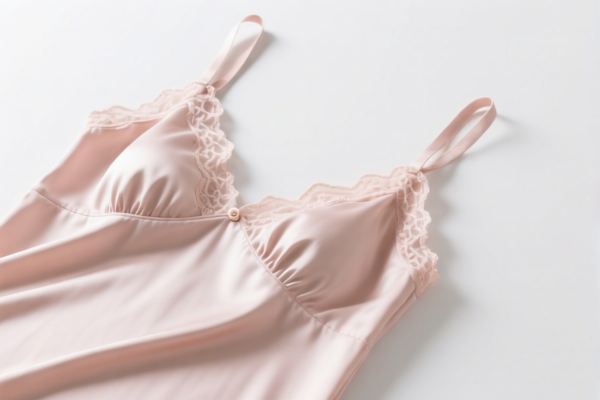
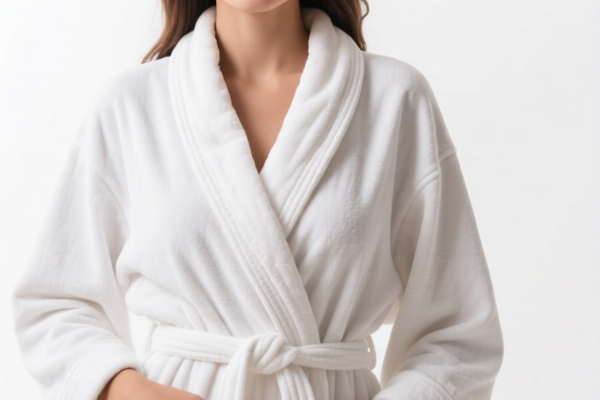
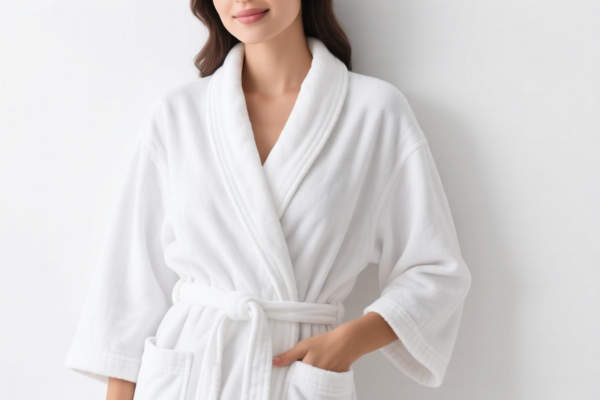
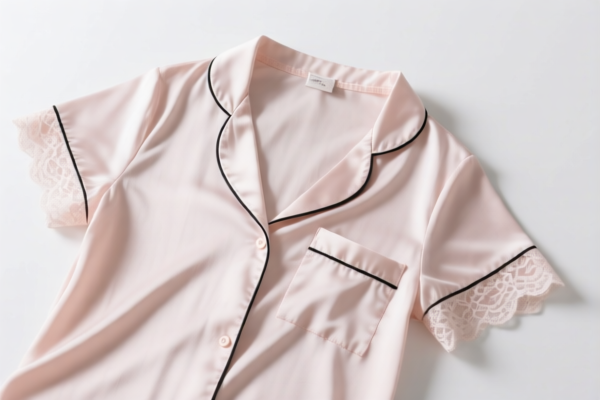
AI Analysis
🧸 Children's Robe (Children's Bathrobes/Robes)
🌐 HS Code Reference & Customs Clearance Guide | 2026 Latest Tariff Analysis | Professional Clearance Strategy
📌 I. Product Definition & Classification: What Exactly is a "Children's Robe"?
A Children's Robe is primarily classified as outerwear or lounge wear for infants and children, typically made from terry cloth, cotton, microfiber, or other textiles. In international trade, the critical distinction lies in the manufacturing process (Knitted vs. Woven) and the specific design category (Garment vs. Article).
1. Knitted or Crocheted (Chapter 61)
- Typically made from soft, stretchy fabrics like terry cloth or fleece.
- Classified under Heading 6110 (Sweater-type garments) or 6111 (Baby garments).
- Key Identifier: If it's stretchy, looped, or knitted, it usually falls here.
2. Woven or Other Textiles (Chapter 62)
- Typically made from woven cotton, satin, or non-knit materials.
- Classified under Heading 6201 (Outerwear for boys/girls) or specific "other wearing apparel" categories.
- Key Identifier: If it’s structured, non-stretchy, or tailored, it usually falls here.
⚠️ Key Distinction Point:
- If the robe is knitted/crocheted →归入 6110 or 6111 series.
- If the robe is woven or made of other materials (not knit/crochet) →归入 6201 or other specific subheadings.
- Age Factor: "Children" usually implies >9 months but not adult-sized. If strictly for infants (<9 months), 6111 may apply; otherwise, 6110/6201 are more common for general children's robes.
📦 II. HS Code Classification Details (2026 Latest Tariff Authority Comparison)
Based on the provided data, here are the specific HS Codes for Children's Robes made of other textile materials:
| HS Code | Product Description | Applicable Scenario | Material/Construction Type |
|---|---|---|---|
6110.90.90.88 |
Other knitted/crocheted garments for children, of other textile materials | Soft, knitted robes (e.g., terry cloth, fleece) | ✅ Knitted/Crocheted |
6201.90.29.60 |
Other outerwear for children, of other materials (specifically "cloak-like" or "mantle" classification) | Woven robes, cape-style robes, structured outerwear | ✅ Woven/Other |
6110.90.90.90 |
Other knitted/crocheted wearing apparel for children, of other textile materials | Similar to 88, but broader "other" category for knitted items | ✅ Knitted/Crocheted |
6201.90.69.60 |
Other wearing apparel for children, of other textile materials or headings | Woven robes not falling into specific outerwear subcategories | ✅ Woven/Other |
6111.90.90.00 |
Other garments for infants/children, of other textile materials | Specifically for infants/babies (often stricter age definition) | ✅ Knitted/Crocheted (Infant-specific) |
🔍 Important Reminder:
- Knitted vs. Woven: This is the #1 cause of classification errors. Check the fabric swatch!
- Infant vs. Child:6111is often reserved for infants. If the product is for "children" (e.g., 2-10 years),6110or6201is more appropriate.
- "Other Materials": Since all listed codes specify "other textile materials," this excludes wool (usually 51-52) or cotton-specific subheadings if they exist separately. Ensure your material composition matches "other" (e.g., synthetic blends, rayon, etc., if cotton is classified elsewhere).
💰 III. 2026 Latest Tariff Rate Breakdown (Including Surtaxes & Policy Add-ons)
✅ Applicable Country: United States (US)
✅ Origin: China (CN)
✅ Effective Date: Current rates apply (including Section 301 and Section 122 measures)
🎯 1. Knitted Robes (HS Codes: 6110.90.90.88 & 6110.90.90.90)
| Item | Content |
|---|---|
| MFN Base Rate | 6.0% |
| Section 301 Surcharge | 7.5% |
| Section 122 Tariff | 10% |
| Total Effective Rate | 23.5% |
| Tax Calculation | CIF Value × 23.5% |
| De Minimis Eligibility | ❌ Not Eligible (High tariff rates usually exclude de minimis benefits for direct shipments from China) |
| Legal Basis | Section 301 + Section 122 + MFN |
📌 Explanation:
- The 6.0% is the standard Most Favored Nation (MFN) duty for knitted children's garments of other materials.
- 7.5% is the additional Section 301 tariff on textile/apparel products from China.
- 10% is the Section 122 tariff, which applies to specific clothing articles to protect domestic manufacturers.
- Total: 23.5% is a significant cost driver. Proper classification is crucial to avoid higher rates.
🎯 2. Infant/Baby Robes (HS Code: 6111.90.90.00)
| Item | Content |
|---|---|
| MFN Base Rate | 5.6% |
| Section 301 Surcharge | 7.5% |
| Section 122 Tariff | 10% |
| Total Effective Rate | 23.1% |
| Tax Calculation | CIF Value × 23.1% |
| De Minimis Eligibility | ❌ Not Eligible |
| Legal Basis | Section 301 + Section 122 + MFN |
📌 Note:
- Slightly lower base rate (5.6%) compared to general children's robes (6.0%), but still subject to all surcharges.
- Ensure the product is truly for infants (typically <9 months) to qualify for6111. Misclassification as general children's wear (6110) or vice versa is common.
🎯 3. Woven/Other Material Robes (HS Codes: 6201.90.29.60 & 6201.90.69.60)
| HS Code | Total Rate | Base Rate | Section 301 | Section 122 |
|---|---|---|---|---|
6201.90.29.60 |
20.3% | 2.8% | 7.5% | 10% |
6201.90.69.60 |
21.7% | 4.2% | 7.5% | 10% |
📌 Analysis:
- Woven robes generally have LOWER base rates (2.8% - 4.2%) compared to knitted ones (5.6% - 6.0%).
- However, the Section 301 (7.5%) and Section 122 (10%) tariffs are identical.
- Total Range: 20.3% to 21.7%.
- Why the difference?
-6201.90.29.60is for "cloak-like" or specific outerwear, which has a lower base duty.
-6201.90.69.60is a broader "other wearing apparel" category, with a higher base duty.
- Strategy: If your robe is woven and can be classified as "cloak-like" or specific outerwear,6201.90.29.60(20.3%) is the most cost-effective option.
🛠️ IV. Customs Clearance Practical Advice (Real-World Pitfall Avoidance)
✅ 1. Required Documentation Checklist (Non-Negotiable)
| Document | Required? | Explanation |
|---|---|---|
| ✅ Product Specification Sheet | ✔️ | Must state: Material composition (e.g., 100% Cotton, Polyester Blend), Knitted/Woven status, Age range. |
| ✅ Product Photos | ✔️ | Clear images showing neckline, sleeve type, closure (buttons/ties), and fabric texture (to prove knit vs. weave). |
| ✅ Commercial Invoice | ✔️ | Must specify: "Children's Robe, Knitted/Cotton, for Children Ages 2-8." Avoid generic terms like "Clothing." |
| ✅ Packing List | ✔️ | Detail items per box. If robes are packed with accessories, declare separately if needed. |
| ✅ Certificate of Origin (CO) | ✔️ | Critical for proving Chinese origin to apply accurate Section 301/122 tariffs. |
| ✅ Third-Party Test Report | ✔️ | Optional but recommended for material verification (e.g., fiber analysis) if customs challenges classification. |
✅ 2. Classification Strategy (Key Mantras)
🔥 "Check the Fabric: Knit is 23.5%, Woven is 20.3%, Infant is 23.1%!"
| Scenario | Recommended HS Code | Total Tax | Why? |
|---|---|---|---|
| Soft, stretchy, terry cloth robe | 6110.90.90.88 |
23.5% | Knitted construction triggers higher base rate + surcharges. |
| Structured, woven cotton robe | 6201.90.29.60 |
20.3% | Lower base rate (2.8%) makes it cheaper than knitted versions. |
| Baby/Bathrobe (<9 months) | 6111.90.90.00 |
23.1% | Specific infant category; slightly lower base than general knitted. |
| Unspecified woven robe | 6201.90.69.60 |
21.7% | Broader category; higher base rate (4.2%) than specific outerwear. |
📌 Critical Tip:
- Do NOT misclassify Woven as Knitted to save on "other" fees. The base rates are different, and misclassification can lead to penalties.
- Do NOT use "Robe" alone in the description. Use "Children's Bathrobe, Knitted/Cotton" for clarity.
- Section 122 (10%) applies to all these clothing items from China. There is no exemption for textiles under Section 122.
✅ 3. Special Case Handling
| Situation | Handling Advice |
|---|---|
| Mixed Materials (e.g., Cotton-Polyester) | If >50% cotton, ensure it's not misclassified as wool or silk. "Other textile materials" covers most synthetics and blends. |
| Robe with Attached Hat | Still classified as a robe. The hat is part of the garment. |
| Robe Sold as a Set (with Towel) | Separate declarations! Do not bundle. The towel may have a different HS code and tariff. Bundling can lead to incorrect overall classification. |
| Sample vs. Bulk | Samples still subject to duties. Ensure commercial value is accurately declared. |
🌍 V. Global Market Comparison (2026 Latest)
| Country/Region | Recommended HS Code | Estimated Tariff | Notes |
|---|---|---|---|
| 🇺🇸 USA | 6110.90.90.88 / 6201.90.29.60 |
20.3% - 23.5% | High due to Section 301 + 122. No de minimis exemption. |
| 🇨🇳 China | 6110.90.90.88 / 6201.90.29.60 |
~5-10% | Import tariffs into China may vary, but generally lower than US. |
| 🇪🇺 EU | 6110.90.90 / 6201.90.29 |
~12-16% | No Section 301/122. Standard EU tariffs apply. |
| 🇬🇧 UK | 6110.90.90 / 6201.90.29 |
~12-16% | Post-Brexit tariffs similar to EU. |
| 🇨🇦 Canada | 6110.90.90 / 6201.90.29 |
~12-15% | No Section 301/122. USMCA may apply if originating in Canada/Mexico. |
📌 Conclusion:
- USA is the most expensive market due to punitive tariffs (Section 301 + 122).
- Woven robes (6201.90.29.60) are cheaper to import into the US than knitted ones (6110.90.90.88) by 3.2%.
- Alternative Sourcing: Consider sourcing from Vietnam, Bangladesh, or Cambodia to avoid Section 301 tariffs (if rules of origin are met).
📌 VI. Common Errors & Pitfalls (Lessons Learned)
❌ Error 1: Classifying a Woven Robe as Knitted (6110) to avoid "other" material codes.
👉 Consequence: If customs inspects and finds it's woven, they will reclassify to 6201, potentially leading to underpayment penalties if rates differ significantly.
✅ Fix: Always verify fabric construction.
❌ Error 2: Using De Minimis ($800) for shipments from China.
👉 Consequence: Illegal. Section 301 and 122 tariffs apply regardless of value. Shipments will be seized or taxed heavily.
✅ Fix: Always declare and pay duties for China-origin goods.
❌ Error 3: Vague Description: "Clothes."
👉 Consequence: Customs may assign a higher default rate or request extensive documentation, causing delays.
✅ Fix: Use precise descriptions: "Children's Knitted Cotton Bathrobe, Ages 3-5."
🎯 VII. Conclusion: Smart Classification Saves Money!
🎯 Remember the Mantra:
🔹 "Knit is 23.5%, Woven is 20.3%, Infant is 23.1%. Don't let vague descriptions cost you!"
🔹 "Section 122 is 10% for all. Section 301 is 7.5%. Base rates matter!"
📌 Pro Tip:
If your children's robes are woven and can be classified as "cloak-like outerwear", use 6201.90.29.60 for the lowest total tax rate (20.3%).
If they are knitted, use 6110.90.90.88 (23.5%).
If they are for infants, use 6111.90.90.00 (23.1%).
📣 Immediate Action:
📞 Contact a licensed customs broker + Provide fabric swatches + Request HS Code Pre-Ruling
🚀 Ensure your children's robes clear US customs smoothly, avoiding delays and extra costs!
✨ Professional Classification Starts with Precision!
💼 Every percentage point of tariff savings is pure profit!
Customer Reviews
About HS Code Classification
The Harmonized System (HS) is an internationally standardized nomenclature developed by the World Customs Organization (WCO) to classify traded products. Over 200 countries use the HS system as the basis for customs tariffs, trade statistics, and import/export regulations.
Each HS code follows a hierarchical structure:
- Chapter (2 digits) — Broad category of goods (e.g., Chapter 84: Machinery and Mechanical Appliances)
- Heading (4 digits) — More specific grouping within the chapter
- Subheading (6 digits) — Internationally standardized breakdown, used by all WCO member countries
- National subdivisions (8-10 digits) — Country-specific extensions for further classification, such as US HTSUS 10-digit codes
Correct HS code classification is essential for smooth customs clearance, accurate duty payment, and compliance with trade regulations. Misclassification can lead to customs delays, overpayment of duties, or penalties.
When importing from CN to US, the applicable tariff rates may include:
- Most-Favored-Nation (MFN) rate — The standard duty rate applied to WTO members
- General rate — Applied to countries without trade agreements
- Trade remedy duties — Additional tariffs such as Section 301 (anti-dumping), Section 232 (national security), or countervailing duties
The information provided on this page is for reference purposes only. For official classification, please consult with your local customs authority or a licensed customs broker.