Children's Role Playing Costume Set
CN → US| HS Code | Tariff Rate | Origin | Destination | Doc |
|---|---|---|---|---|
| 6209205035 | 26.8% | CN | US | Official Doc |
| 6111305020 | 33.5% | CN | US | Official Doc |
| 9503000071 | 10.0% | CN | US | Official Doc |
| 6209303020 | 33.5% | CN | US | Official Doc |
| 6111206020 | 25.6% | CN | US | Official Doc |
Product Images
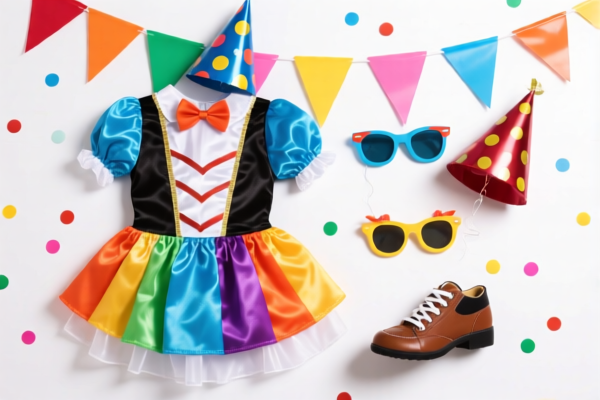
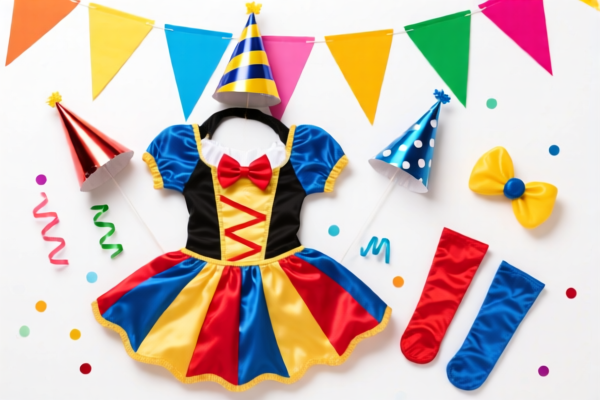
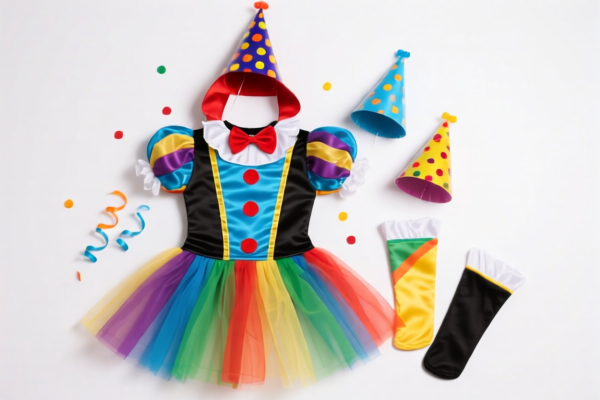
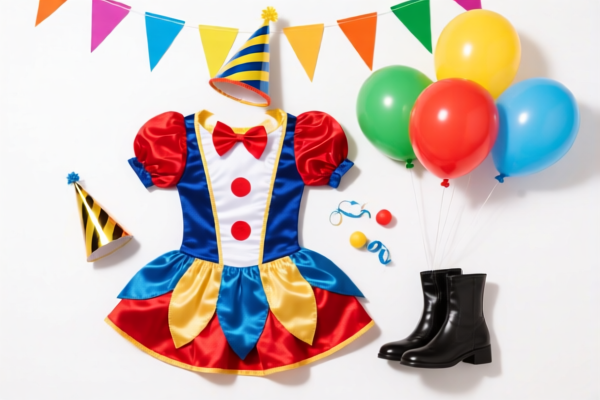
AI Analysis
🎭 Children's Role Playing Costume Set
🌐 HS Code Reference & Customs Clearance Guide | 2026 Latest Tariff Analysis | Professional Clearance Strategy
📌 I. Product Definition & Classification: What Exactly Is a "Costume Set"?
A Children's Role Playing Costume Set is a multi-piece outfit designed for children or infants, typically used for dress-up, theatrical performances, or festive occasions (e.g., Halloween, Christmas). In international trade, classification depends heavily on:
- Material Composition: Cotton, Polyester, Synthetic Fibers, etc.
- Form: Sets (Jacket + Pants/Skirt, etc.)
- Intended User: Infants or Children
- Specific Features: Whether it includes accessories or is purely apparel.
⚠️ Key Classification Criteria:
- If made of Cotton → Usually falls under Chapter 61 or 62 (Knitted/Non-knitted Apparel)
- If made of Synthetic Fibers → Also Chapter 61 or 62, but different subheadings
- If deemed as a "Toy" (e.g., simple costume with no wearable function) → May fall under Chapter 95
- Note: If the item is a full "set" (e.g., top + bottom), it is generally classified as apparel, not a toy, unless it lacks functional clothing attributes.
📦 II. HS Code Classification Details (2026 Latest Tariff Reference)
| HS Code | Product Description | Material | User Group | Tax Rate | Tax Detail |
|---|---|---|---|---|---|
6209.20.50.35 |
Apparel sets for infants/children, made of cotton or similar fabrics | Cotton/Polyester | Infants/Children | 26.8% | Base: 9.3%, Section 301: 7.5%, Section 122: 10% |
6111.30.50.20 |
Knitted or crocheted apparel sets, synthetic fiber | Synthetic Fibers | Children/Infants | 33.5% | Base: 16.0%, Section 301: 7.5%, Section 122: 10% |
9503.00.00.71 |
Toys, dressed dolls, toys representing animals/humans (including costumes if deemed toys) | Various | Children | 10.0% | Base: 0.0%, Section 301: 0.0%, Section 122: 10% |
6209.30.30.20 |
Non-knitted apparel sets for infants/children, synthetic fiber | Synthetic Fibers | Infants/Children | 33.5% | Base: 16.0%, Section 301: 7.5%, Section 122: 10% |
6111.20.60.20 |
Knitted apparel sets for children/infants, cotton or other fibers | Cotton/Other | Children/Infants | 25.6% | Base: 8.1%, Section 301: 7.5%, Section 122: 10% |
🔍 Critical Distinction:
- Apparel (Ch 61/62): If the costume has functional clothing attributes (buttons, zippers, proper fit for wearing), it is classified as apparel.
- Toys (Ch 95): If the costume is merely decorative, flimsy, or intended primarily for play rather than wear, it may be classified as a toy. However, most commercial "costume sets" are classified as apparel due to their wearable nature.
💰 III. 2026 Latest Tariff Rate Breakdown (Including Surcharges & Policy Surcharges)
✅ Applicable Country: United States (US)
✅ Country of Origin: China (CN)
✅ Effective Date: From November 10, 2025 (including subsequent imports)
🎯 1. 6209.20.50.35 — Infant/Children Apparel Sets (Cotton-Based)
| Item | Content |
|---|---|
| Base Duty Rate | 9.3% |
| Section 301 Surcharge | +7.5% |
| Section 122 Surcharge | +10.0% |
| Total Duty Rate | 26.8% |
| Tax Calculation | CIF Value × 26.8% |
| De Minimis Exemption? | ❌ No |
| Legal Basis Path | USITC:6209.20.50.35 → Section 301: 7.5% → Section 122: 10% |
📌 Explanation:
- Base 9.3%: Standard US import duty for cotton infant/children apparel sets.
- Section 301 7.5%: Additional tariff on Chinese-origin goods under the 2018 Trade Act.
- Section 122 10%: Additional tariff targeting specific textile/apparel categories from China.
- Total 26.8%: High tariff burden; must be factored into pricing.
🎯 2. 6111.30.50.20 — Knitted Apparel Sets (Synthetic Fiber)
| Item | Content |
|---|---|
| Base Duty Rate | 16.0% |
| Section 301 Surcharge | +7.5% |
| Section 122 Surcharge | +10.0% |
| Total Duty Rate | 33.5% |
| Tax Calculation | CIF Value × 33.5% |
| De Minimis Exemption? | ❌ No |
| Legal Basis Path | USITC:6111.30.50.20 → Section 301: 7.5% → Section 122: 10% |
📌 Note:
- Synthetic fiber apparel attracts a higher base duty (16%) than cotton (9.3%).
- Same surcharges apply.
- Total 33.5%: Even higher cost burden.
🎯 3. 9503.00.00.71 — Toys (Costume Sets Classified as Toys)
| Item | Content |
|---|---|
| Base Duty Rate | 0.0% |
| Section 301 Surcharge | 0.0% |
| Section 122 Surcharge | +10.0% |
| Total Duty Rate | 10.0% |
| Tax Calculation | CIF Value × 10.0% |
| De Minimis Exemption? | ❌ No |
| Legal Basis Path | USITC:9503.00.00.71 → Section 122: 10% |
📌 Caution:
- Only applicable if the costume is not considered wearable apparel (e.g., very simple, decorative only).
- Risk: Customs may reclassify as apparel if it has functional features (zippers, buttons, proper sizing).
- Base 0% makes this attractive, but high risk of reclassification.
🎯 4. 6209.30.30.20 — Non-Knitted Apparel Sets (Synthetic Fiber, Infants/Children)
| Item | Content |
|---|---|
| Base Duty Rate | 16.0% |
| Section 301 Surcharge | +7.5% |
| Section 122 Surcharge | +10.0% |
| Total Duty Rate | 33.5% |
| Tax Calculation | CIF Value × 33.5% |
| De Minimis Exemption? | ❌ No |
| Legal Basis Path | USITC:6209.30.30.20 → Section 301: 7.5% → Section 122: 10% |
📌 Note:
- Non-knitted synthetic apparel sets have the same high base duty as knitted synthetic sets.
- Total 33.5%: Highest cost category for synthetic apparel.
🎯 5. 6111.20.60.20 — Knitted Apparel Sets (Cotton/Other Fibers)
| Item | Content |
|---|---|
| Base Duty Rate | 8.1% |
| Section 301 Surcharge | +7.5% |
| Section 122 Surcharge | +10.0% |
| Total Duty Rate | 25.6% |
| Tax Calculation | CIF Value × 25.6% |
| De Minimis Exemption? | ❌ No |
| Legal Basis Path | USITC:6111.20.60.20 → Section 301: 7.5% → Section 122: 10% |
📌 Note:
- Cotton-based knitted sets have the lowest base duty among apparel (8.1%).
- Total 25.6%: Lower than synthetic, but still significant.
🛠️ IV. Customs Clearance Practical Advice (Avoiding Pitfalls)
✅ 1. Required Documentation Checklist
| Document | Mandatory | Notes |
|---|---|---|
| ✅ Product Specification Sheet | ✔️ | Include material composition, size, set components (e.g., top+bottom) |
| ✅ Material Composition Certificate | ✔️ | Confirm % of cotton, polyester, etc. |
| ✅ Product Photos (with labels) | ✔️ | Show tags, size labels, any accessories |
| ✅ Commercial Invoice | ✔️ | Clearly state "Children's Apparel Set" or "Role Playing Costume" |
| ✅ Packing List | ✔️ | List each component of the set |
| ✅ Certificate of Origin (CO) | ✔️ | If applicable for non-China origin |
✅ 2. Declaration Tips (Key Rules)
🔥 "Material Determines Chapter, Set Determines Subheading, Toy vs Apparel is Critical!"
| Scenario | Correct Declaration | Wrong Practice |
|---|---|---|
| Wearable costume set (cotton) | 6209.20.50.35 or 6111.20.60.20 |
Misdeclare as toy → 10% but high reclassification risk |
| Wearable costume set (synthetic) | 6111.30.50.20 or 6209.30.30.20 |
Misdeclare as cotton → lower base duty, but false declaration |
| Non-wearable decorative costume | 9503.00.00.71 |
Must prove non-wearable (e.g., no buttons, no proper fit) |
| Set with accessories (e.g., hat, cape) | Declare as part of the set | Split declaration → higher total duty |
✅ 3. Special Handling
| Scenario | Recommendation |
|---|---|
| OEM Custom Costumes | Provide design specs and material certs to avoid misclassification |
| Costumes with Functional Items (zippers, velcro) | Declare as apparel, not toys |
| Mixed Material Sets | Use principal material for classification |
| Small Quantity Samples | Still subject to full duty; no de minimis exemption for China-origin apparel |
🌍 V. Global Market Comparison (2026 Latest)
| Country/Region | Recommended HS Code | Tariff | Certification | Notes |
|---|---|---|---|---|
| 🇺🇸 USA | 6209.20.50.35 (Cotton) |
26.8% | CPSIA, ASTM | High tariffs due to Section 301 & 122 |
| 🇨🇳 China | 6209.20.50.35 |
~5-10% | CCC (if applicable) | Lower tariffs, no Section 301/122 |
| 🇪🇺 EU | 6111/6209 |
0-12% | CE, REACH | No Section 301/122 equivalents |
| 🇬🇧 UK | 6111/6209 |
0-12% | UKCA | Post-Brexit rules apply |
| 🇦🇺 Australia | 6111/6209 |
5-10% | ACCC | No major surcharges |
📌 Conclusion:
- USA imposes the highest effective duty due to Section 301 and Section 122.
- Toy classification (9503) offers lower duty (10%) but is high-risk for wearable costumes.
- China and EU are more favorable for textile/apparel imports.
📌 VI. Common Mistakes & Pitfalls
❌ Mistake 1: Declaring a wearable costume as a "Toy" to get 10% duty
👉 Consequence: Customs reclassification → penalty + back duty + storage fees
❌ Mistake 2: Misdeclaring material composition (e.g., saying "Cotton" when it's 90% Polyester)
👉 Consequence: Base duty error → underpayment → audit + fines
❌ Mistake 3: Not providing material composition certificate
👉 Consequence: Customs delay → possible reclassification → higher duty
❌ Mistake 4: Splitting a set into separate items for lower duty
👉 Consequence: Customs may consolidate and assess full set duty + penalties
✅ Correct Practice:
"Children's Cotton Role Playing Costume Set, Jacket + Pants, 2-Piece, Size 4T, CPSIA Compliant, Made in China"
🎯 VII. Conclusion: Precision Declaration, Cost Optimization
🎯 Remember the Rule:
🔹 "Apparel vs Toy: Wearable = Apparel, Decorative = Toy"
🔹 "Material Matters: Cotton = Lower Base, Synthetic = Higher Base"
🔹 "Set Declaration: Declare all components together"
📌 Pro Tip:
If your costume set is not made in China (e.g., Vietnam, Bangladesh), you may avoid Section 301 and 122 surcharges, reducing duty to Base Rate Only (e.g., 9.3% for cotton).
Consider Advanced Customs Ruling to pre-approve HS Code.
📣 Action Required:
📞 Consult a licensed customs broker + Provide material certs + Apply for HS Code pre-ruling
🚀 Ensure smooth clearance, minimize duty, maximize profit!
✨ Professional clearance starts with accurate classification!
💼 Every duty point counts in your bottom line!
Customer Reviews
About HS Code Classification
The Harmonized System (HS) is an internationally standardized nomenclature developed by the World Customs Organization (WCO) to classify traded products. Over 200 countries use the HS system as the basis for customs tariffs, trade statistics, and import/export regulations.
Each HS code follows a hierarchical structure:
- Chapter (2 digits) — Broad category of goods (e.g., Chapter 84: Machinery and Mechanical Appliances)
- Heading (4 digits) — More specific grouping within the chapter
- Subheading (6 digits) — Internationally standardized breakdown, used by all WCO member countries
- National subdivisions (8-10 digits) — Country-specific extensions for further classification, such as US HTSUS 10-digit codes
Correct HS code classification is essential for smooth customs clearance, accurate duty payment, and compliance with trade regulations. Misclassification can lead to customs delays, overpayment of duties, or penalties.
When importing from CN to US, the applicable tariff rates may include:
- Most-Favored-Nation (MFN) rate — The standard duty rate applied to WTO members
- General rate — Applied to countries without trade agreements
- Trade remedy duties — Additional tariffs such as Section 301 (anti-dumping), Section 232 (national security), or countervailing duties
The information provided on this page is for reference purposes only. For official classification, please consult with your local customs authority or a licensed customs broker.