Children's Toy Dollhouse
CN → US| HS Code | Tariff Rate | Origin | Destination | Doc |
|---|---|---|---|---|
| 3926400090 | 15.3% | CN | US | Official Doc |
| 3926909989 | 22.8% | CN | US | Official Doc |
| 9503000073 | 10.0% | CN | US | Official Doc |
| 9503000071 | 10.0% | CN | US | Official Doc |
| 9403708015 | 35.0% | CN | US | Official Doc |
Product Images
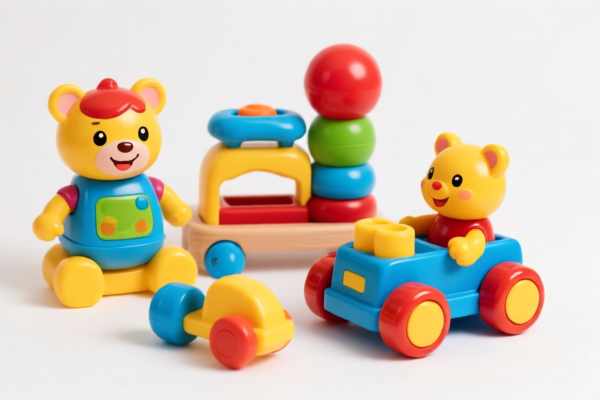
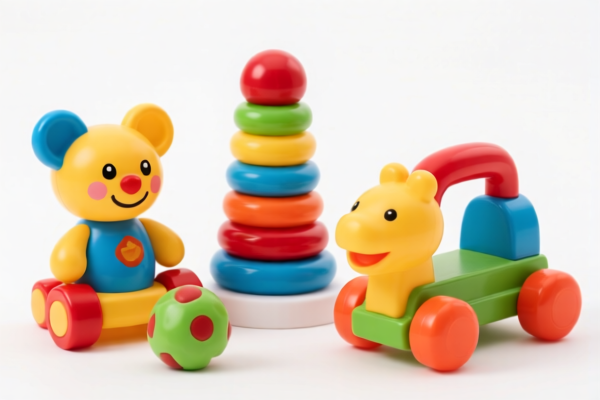
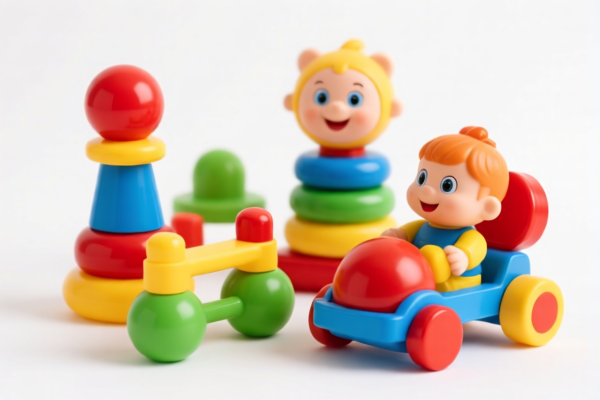
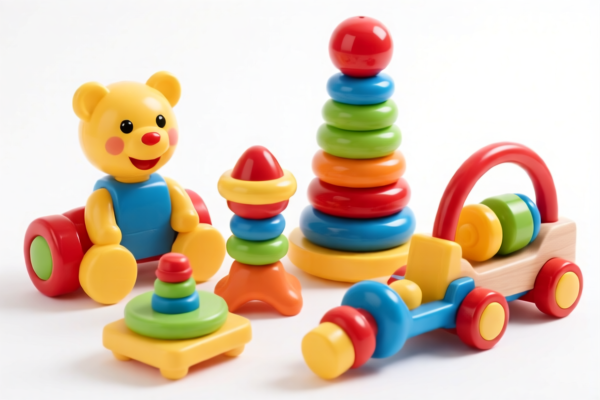
AI Analysis
🧸 Children's Toy Dollhouse: HS Code Classification & 2026 Clearance Guide
🌐 HS Code Reference & Clearance Guide | 2026 Latest Tariff Analysis | Professional Compliance Strategy
📌 I. Product Definition: What Exactly is a "Toy Dollhouse"?
A Children's Toy Dollhouse is a miniature replica of a house, designed primarily for play and imaginative engagement by children. In international trade, its classification is critical because it sits at the intersection of Toys and Furniture/Accessories.
The key determinant for classification is: 1. Primary Purpose: Is it strictly for play (Toys)? 2. Components: Does it include miniature furniture? 3. Material: Is it plastic, wood, or other materials?
⚠️ Critical Distinction:
- If the dollhouse is sold with miniature furniture (chairs, beds, tables) intended for play → It may fall under Furniture (Ch94) if the furniture is the dominant feature, or remain under Toys (Ch95) if the house structure is dominant.
- If it is only the structure (walls, roof, floors) without play-specific furniture → It leans towards Toys (9503) or Decorations (3926).
- Note: Many dollhouses are classified as Toys because they are inherently play items, even if they contain miniature furniture. However, US Customs often scrutinizes the presence of "furniture" to apply higher 301/122 tariffs if misclassified as pure furniture.
📦 II. HS Code Classification Matrix (Based on Provided Data)
| HS Code | Product Description | Key Characteristics | Total Tax Rate | Tax Breakdown |
|---|---|---|---|---|
9503.00.00.73 |
Plastic/Wooden Dolls & Toys | Plush toys, stuffed animals, other toys. Includes dollhouses made of plastic or wood that fit the general "toy" definition. | 10.0% | Base: 0% Add'l: 0% Section 122: 10% |
9503.00.00.71 |
Dolls & Related Play Items | Dolls, models, and similar recreational articles. Specifically covers dollhouses as "related play items" or model kits for play. | 10.0% | Base: 0% Add'l: 0% Section 122: 10% |
9403.70.80.15 |
Plastic Household Furniture | Furniture made of plastic. If the dollhouse is classified as "household furniture" (less common for small toys, but possible for large playhouses), this code applies. | 35.0% | Base: 0% Add'l: 25% Section 122: 10% |
9403.60.80.93 |
Wooden Household Furniture | Furniture made of wood. Covers dollhouse accessories or mini-furniture. If the dollhouse itself is considered "wooden furniture," this code applies. | 35.0% | Base: 0% Add'l: 25% Section 122: 10% |
3926.40.00.90 |
Plastic Statues & Decorations | Plastic models and statues, other. Applies if the dollhouse is viewed as a "decorative item" or "plastic model" rather than a toy. | 15.3% | Base: 5.3% Add'l: 0% Section 122: 10% |
🔍 Key Insight:
- Toys (9503.00.00): 10% Total Tax (Only 122 Section 122 Tariff). This is the most favorable rate for standard toy dollhouses.
- Furniture (9403.60/70): 35% Total Tax (25% Section 301 + 10% Section 122). Avoid this classification for toy dollhouses unless specifically structured as adult-collector furniture.
- Plastic Decorations (3926.40): 15.3% Total Tax. A middle ground, but risky if the item is clearly for children's play.
💰 III. 2026 Tariff Rate Breakdown & Legal Basis
🎯 1. Best Case: Toy Classification (9503.00.00.71 / 9503.00.00.73)
- Total Rate: 10%
- Breakdown:
- Base Duty: 0% (Most Favored Nation rate for toys often 0% or low, here 0%)
- Section 301 (Trump Tariff): 0% (NOT APPLICABLE to most toys under 9503)
- Section 122 (Biden Tariff): 10% (Applicable to specific toy categories from China)
- Legal Basis:
122: Toys & Recreational ArticlesHTSUS: 9503.00.00- Advantage: 25% savings compared to furniture classification.
🎯 2. Worst Case: Furniture Classification (9403.60.80.93 / 9403.70.80.15)
- Total Rate: 35%
- Breakdown:
- Base Duty: 0%
- Section 301: 25% (Applicable to wooden/plastic furniture from China)
- Section 122: 10%
- Legal Basis:
301: Wooden FurnitureorPlastic Furniture122: Furniture- Risk: High tariff burden. Common mistake when importing large, complex dollhouses with mini-furniture.
🎯 3. Middle Case: Plastic Decoration/Model (3926.40.00.90)
- Total Rate: 15.3%
- Breakdown:
- Base Duty: 5.3%
- Section 301: 0%
- Section 122: 10%
- Legal Basis:
HTSUS: 3926.40.00(Plastic statuary and other ornaments)- Risk: May be challenged if the item is clearly a child's toy (Section 95 vs. Section 39).
🛠️ IV. Clearance Practical Advice (Pitfall Avoidance)
✅ 1. Documentation Checklist
| Document | Required? | Notes |
|---|---|---|
| Product Description | ✅ Yes | Must specify "Toy Dollhouse" not "Furniture" |
| Material Composition | ✅ Yes | e.g., "Plastic structure, wood accessories" |
| Intended Use | ✅ Yes | "For children's play" (Critical for Ch95) |
| Component List | ✅ Yes | List all included mini-furniture, dolls, etc. |
| Age Grade | ✅ Yes | "For children 3+" or similar |
| FCC/CPSC Certs | ✅ Yes | If electronic (lights/sound), FCC is mandatory. CPSC is mandatory for toys. |
✅ 2. Classification Strategy: Toy vs. Furniture
- Do NOT classify as Furniture (Ch94) unless:
- The item is large, standalone, and resembles actual household furniture (e.g., a dollhouse that is also a storage cabinet for adults).
- You are importing only the miniature furniture (chairs, beds) separately. Mini-furniture is often classified under
9403(Furniture) or9503(Toys) depending on size and intent. If sold as a set with the house, the house usually dictates the classification if it's a toy. - DO classify as Toy (Ch95) if:
- It is intended for children's play.
- It includes dolls or mini-furniture for play.
- It is marketed as a toy.
📌 Key Tip:
If your dollhouse includes miniature furniture, ensure the invoice describes the entire set as a "Toy Set" or "Playhouse Set" to support the9503classification. If you list "Mini Wood Table" and "Mini Plastic Chair" separately, Customs may break it down and apply 35% on the furniture items.
✅ 3. Special Scenarios
- Electronic Dollhouses: If the dollhouse has lights, sounds, or music, it may still be classified as a toy under
9503, but you must have FCC certification. The tax rate remains 10% if correctly classified as a toy. - Wooden Dollhouse with Metal Parts: Still classified under
9503if the wooden/plastic structure is the main feature. Do not let metal parts trigger a classification under Chapter 73 (Iron/Steel) or 83 (Base Metal Accessories). - Collector's Dollhouses: If marketed for adults (14+), it may be reclassified as a decoration (
3926.40) or furniture (9403). Avoid this if you want the lower 10% tax rate.
🌍 V. Global Market Comparison (2026)
| Country/Region | Recommended HS Code | Total Tariff (China Origin) | Key Certification |
|---|---|---|---|
| 🇺🇸 USA | 9503.00.00.71/73 |
10% (Section 122 only) | CPSC, FCC (if electronic) |
| 🇪🇺 EU | 9503.00 |
0% - 4.7% | CE, EN71 |
| 🇬🇧 UK | 9503.00 |
0% - 4% | UKCA, EN71 |
| 🇨🇦 Canada | 9503.00 |
0% | CPSIA (if exported to US), CCPS (Canada) |
| 🇦🇺 Australia | 9503.00 |
5% | GHS, Toy Safety Standards |
📌 Conclusion:
- USA is the only market with significant Section 122 tariffs on toys (10%).
- EU and other markets have lower or zero tariffs for toys, making them more cost-effective for export.
- Misclassification as Furniture in the US leads to a 25% extra penalty (Section 301).
📌 VI. Common Errors & Pitfalls
❌ Error 1: Classifying a toy dollhouse as 9403 (Furniture)
👉 Result: 35% Tax instead of 10%. Loss of 25% in margin.
👉 Cause: Overemphasizing "wooden structure" or "miniature furniture" components.
❌ Error 2: Listing "Dollhouse" without specifying "Toy" or "Play"
👉 Result: Customs may assign a default classification or request clarification, causing delays.
👉 Fix: Use clear marketing language: "Children's Toy Dollhouse."
❌ Error 3: Importing electronic dollhouses without FCC Certification
👉 Result: Seizure or return by Customs.
👉 Fix: Obtain FCC ID before shipment.
❌ Error 4: Separating mini-furniture from the dollhouse in packaging
👉 Result: Customs may classify mini-furniture under 9403 (35%) and the house under 9503 (10%).
👉 Fix: Ship as a single set with one HS Code (9503).
✅ Correct Approach:
"Children's Toy Dollhouse Set, Plastic/Wood, Includes Mini Furniture and Dolls, For Ages 3+."
🎯 VII. Conclusion: Save 25% by Getting the HS Code Right
🎯 Remember:
🔹 "Toy is 10%, Furniture is 35%. Don't pay 25% extra for a dollhouse!"
🔹 "Market it as a toy, ship it as a toy, classify it as 9503."
📌 Pro Tip:
If you are importing large-scale dollhouses that could be argued as furniture, consider splitting the shipment:
- Ship the dollhouse structure as 9503.00.00.73 (10%).
- Ship the miniature furniture separately as 9503.00.00.71 (10%) if they are clearly toys.
- Do NOT classify the furniture as 9403 unless it is explicitly for adult use/decoration.
📣 Immediate Action:
📞 Confirm HS Code with Customs Broker
📄 Ensure FCC/CPSC Compliance
🚀 Optimize Logistics with the 10% Toy Rate
✨ Smart Classification Saves Money!
💼 Your Profit Margin Depends on Your HS Code!
Customer Reviews
About HS Code Classification
The Harmonized System (HS) is an internationally standardized nomenclature developed by the World Customs Organization (WCO) to classify traded products. Over 200 countries use the HS system as the basis for customs tariffs, trade statistics, and import/export regulations.
Each HS code follows a hierarchical structure:
- Chapter (2 digits) — Broad category of goods (e.g., Chapter 84: Machinery and Mechanical Appliances)
- Heading (4 digits) — More specific grouping within the chapter
- Subheading (6 digits) — Internationally standardized breakdown, used by all WCO member countries
- National subdivisions (8-10 digits) — Country-specific extensions for further classification, such as US HTSUS 10-digit codes
Correct HS code classification is essential for smooth customs clearance, accurate duty payment, and compliance with trade regulations. Misclassification can lead to customs delays, overpayment of duties, or penalties.
When importing from CN to US, the applicable tariff rates may include:
- Most-Favored-Nation (MFN) rate — The standard duty rate applied to WTO members
- General rate — Applied to countries without trade agreements
- Trade remedy duties — Additional tariffs such as Section 301 (anti-dumping), Section 232 (national security), or countervailing duties
The information provided on this page is for reference purposes only. For official classification, please consult with your local customs authority or a licensed customs broker.